

Description
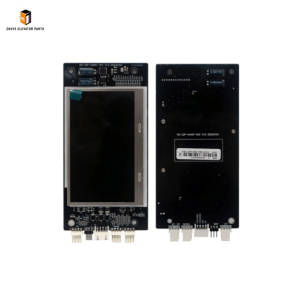
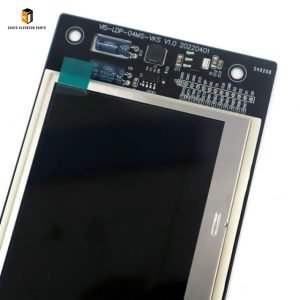
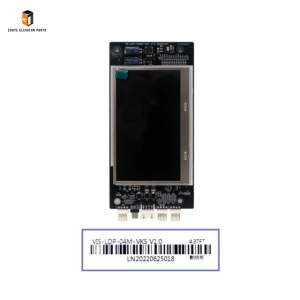
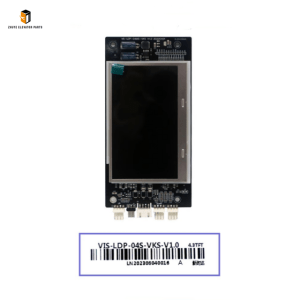
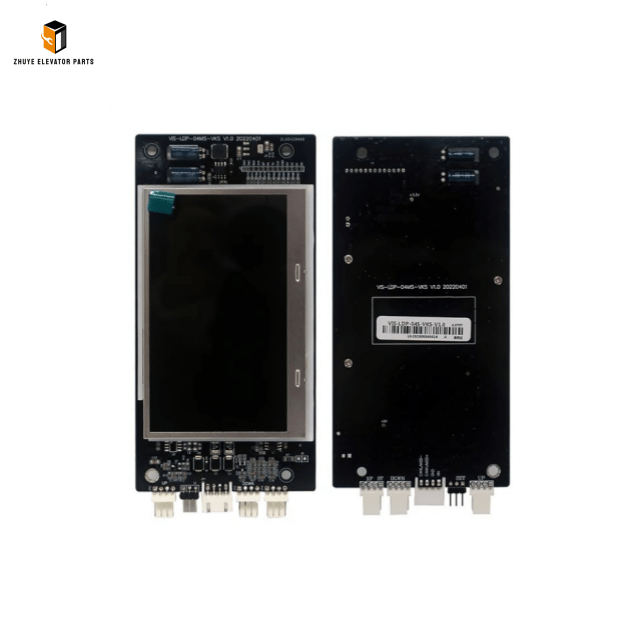
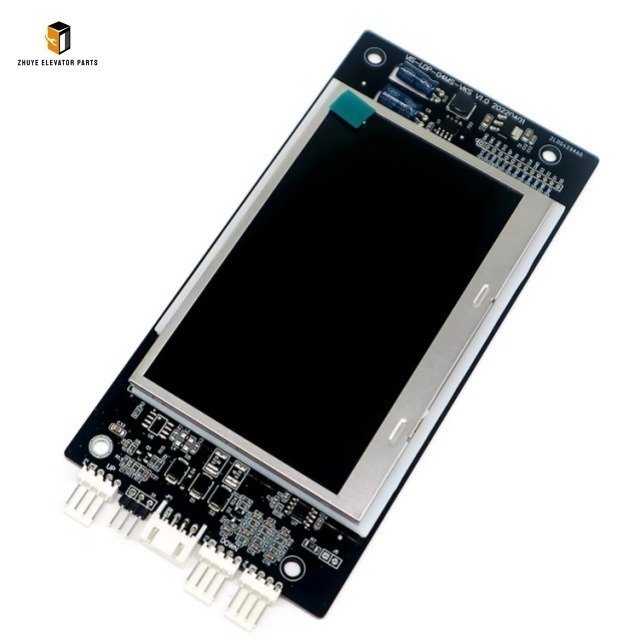
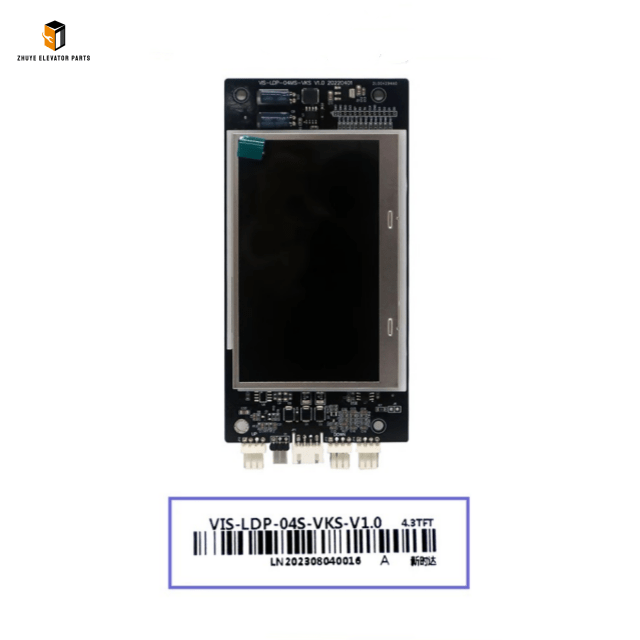
Elevator Lop Display Board VIS-LDP-04M-VKS Brief Introduction
|
Product Name |
Elevator Lop Display Board |
| Model Number | VIS-LDP-04M-VKS |
|
Quality
|
Original.Brand New
|
|
Payment
|
T/T. Paypal. Western Union
|
|
Delivery
|
3-5 Working Days
|
|
Packaging
|
Packed by carton
|
VIS-LDP-04M-VKS Elevator LOP Display Board: Usage Guide & Replacement Cycle
The Elevator Landing Operation Panel (LOP) Display Board serves as the critical interface between passengers and elevators, delivering real-time floor information, operational status updates, and fault alerts while transmitting user commands to the control system. The VIS-LDP-04M-VKS Elevator LOP Display Board, a premium offering from Nanjing Zhuye Elevator Parts, boasts a high-brightness LED display, responsive touch/button operation, and broad compatibility with mainstream elevator brands and control systems. Nanjing Zhuye Elevator Parts, a trusted professional manufacturer and supplier of elevator components, has earned global acclaim by providing rigorously tested, durable parts like the VIS-LDP-04M-VKS, which adhere to strict international safety and quality standards. This article details the correct installation, usage methods, and scientific replacement cycle of this display board to help maintenance professionals ensure optimal passenger experience and elevator operational safety.
The Elevator Landing Operation Panel (LOP) display board is the primary interaction interface between passengers and elevators, responsible for displaying floor information, operation status, and fault prompts while transmitting user operation commands. The VIS-CDP-01MS-VKS elevator LOP display board, a high-performance product from Nanjing Zhuye Elevator Parts, features a high-definition display, responsive operation, and strong compatibility with mainstream elevator control systems. Nanjing Zhuye Elevator Parts, a professional manufacturer and supplier of elevator components, has won wide recognition from global elevator manufacturers and maintenance teams by providing rigorously tested, durable parts like the VIS-CDP-01MS-VKS board. This article details the correct installation, usage methods, and scientific replacement cycle of this LOP display board to help professionals ensure optimal elevator user experience and operational safety.
The elevator control cabinet plug-in board is the “signal hub” of the elevator control system, responsible for integrating and transmitting key signals between various components to ensure the elevator operates efficiently and safely. The HL-SM-09CW elevator control cabinet plug-in board, a high-performance core component from Nanjing Zhuye Elevator Parts, is designed with a plug-and-play structure, featuring strong compatibility with mainstream elevator control systems, stable signal transmission, and easy maintenance. Nanjing Zhuye Elevator Parts, a professional manufacturer and supplier of elevator components, has won wide recognition from global elevator maintenance teams and manufacturers by providing rigorously tested, genuine parts like the HL-SM-09CW board. This article details the correct usage methods, daily maintenance points, and scientific replacement cycle of this plug-in board to help professionals optimize elevator operation.
Prior to installation, strict adherence to elevator safety protocols is non-negotiable: cut off the elevator’s main power supply and place a prominent “No Operation” warning sign to prevent electrical hazards or accidental activation. Begin by verifying the compatibility of the VIS-LDP-04M-VKS with the elevator’s model, control system, and LOP box dimensions—refer to the technical specifications provided by Nanjing Zhuye Elevator Parts to ensure a perfect fit. Inspect the LOP box at the elevator landing to ensure it is clean, dry, and free of dust, oil, or moisture, as these contaminants can damage the board’s internal circuits and connectors over time.
Install the VIS-LDP-04M-VKS by gently placing it into the LOP box, ensuring the display screen is perfectly aligned with the panel opening for optimal visibility. Secure the board firmly using anti-loose screws to prevent vibration-induced displacement during elevator operation. Proceed with wiring according to the official diagram from Nanjing Zhuye Elevator Parts: connect the DC 24V power supply cables (brown to positive, blue to negative) to the designated terminals, taking care to avoid reverse polarity which may burn out the board. Then connect the signal cables to the elevator control system—ensure floor call signals, status feedback lines, and fault alert wires are linked to the correct interfaces. Use cable ties to organize cables neatly, avoiding excessive bending or tension that could cause signal interruptions. Double-check all connections for tightness and correctness before restoring power.
Post-installation debugging is essential to confirm full functionality. Power on the elevator system and verify that the display board lights up immediately, showing the current floor and “normal operation” status. Test all user interaction functions: press the up/down call buttons (or use touch controls if applicable) to ensure indicators illuminate and signals are accurately transmitted to the controller. Simulate common fault scenarios (e.g., door obstruction, power fluctuation) to confirm the board displays clear, understandable fault prompts. During daily use, guide passengers to operate the board properly—discourage hitting, prying, or using sharp objects on the screen or buttons. For touchscreen variants, advise passengers to use clean, dry fingers to maintain responsiveness and prevent oil buildup.
The replacement cycle of the VIS-LDP-04M-VKS is determined by usage frequency, environmental conditions, and component aging. Based on industry best practices and technical recommendations from Nanjing Zhuye Elevator Parts, the general replacement cycle is 4–5 years under normal operating conditions (residential or office buildings with 8–12 hours of daily operation). For elevators in high-traffic public areas—such as shopping malls, railway stations, and hospitals—where the display board is used intensively and exposed to frequent passenger contact, the cycle should be shortened to 3–4 years. In harsh environments with high humidity, large temperature fluctuations, or heavy dust (e.g., industrial zones, construction sites), the replacement cycle should be further reduced to 2.5–3 years to prevent premature failure of display panels and circuit components.
Immediate replacement is required if any of the following abnormalities occur, even within the recommended cycle: 1) The display screen fails to light up, shows garbled characters, or has persistent dead pixels/vertical/horizontal lines that impair readability; 2) Buttons or touch controls are unresponsive, stuck, or intermittent in operation, and issues persist after cleaning; 3) The board frequently malfunctions—e.g., incorrect floor display, failure to transmit call signals, or false fault alerts; 4) Visible physical damage, such as a cracked screen, swollen capacitors, or corroded circuit boards/wiring terminals. When replacing, always select genuine VIS-LDP-04M-VKS boards from Nanjing Zhuye Elevator Parts to ensure perfect compatibility with the elevator system and avoid safety risks associated with inferior counterfeit products.
Scientific daily maintenance significantly extends the service life of the VIS-LDP-04M-VKS. Follow a structured maintenance schedule aligned with elevator safety regulations: clean the display screen and buttons every 2 weeks using a soft, dry cloth or a mild, non-corrosive cleaning agent (avoid harsh chemicals that may damage the screen coating). Every 3 months, open the LOP box to inspect wiring connections for tightness, oxidation, or wear—re-tighten loose terminals and replace damaged cables promptly. Ensure the LOP box is tightly sealed to prevent dust and moisture ingress, which is critical for long-term reliability. Nanjing Zhuye Elevator Parts recommends maintaining detailed maintenance records (including cleaning dates, inspections, and repairs) to comply with regulatory requirements for elevator safety technical file retention.
During routine elevator maintenance (monthly or quarterly), conduct a comprehensive functional test of the VIS-LDP-04M-VKS. Verify that the display brightness is consistent and clearly visible under different lighting conditions—adjust settings via the control system if necessary. Check the board’s compatibility with the elevator’s emergency system to ensure it displays accurate rescue information during power outages or malfunctions. Store spare display boards in a dry, ventilated environment using the original packaging from Nanjing Zhuye Elevator Parts to protect against moisture and physical damage. Avoid exposing spare parts to extreme temperatures or corrosive substances during storage and transportation.