

Description
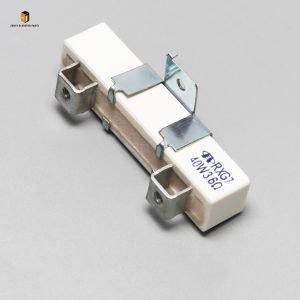
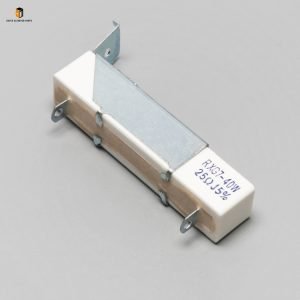
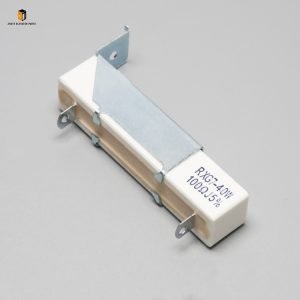
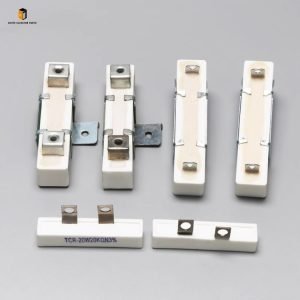
Elevator inverter resistor cement 20W15KJ TCR-20W14KΩN3% Brief Introduction
|
Product Name |
Elevator inverter resistor cement |
| Model Number | 20W15KJ
TCR-20W14KΩN3% |
|
Quality
|
Original.Brand New
|
|
Payment
|
T/T. Paypal. Western Union
|
|
Delivery
|
3-5 Working Days
|
|
Packaging
|
Packed by carton
|
Elevator Inverter Cement Resistor TCR-20W14KΩN3% (20W15KJ) – Nanjing Zhuye Elevatorparts
The elevator inverter is the “heart” of the elevator’s operation, and the cement resistor serves as a critical protective component to ensure the inverter’s stable and safe performance. The Elevator Inverter Cement Resistor TCR-20W14KΩN3% (also known as 20W15KJ) launched by Nanjing Zhuye Elevatorparts is a high-performance component tailored for elevator inverter systems. It is widely compatible with mainstream elevator brands such as Schindler, OTIS, and KONE, providing reliable energy consumption, voltage stabilization, and heat dissipation functions for elevator operations. Crafted with premium ceramic cement, high-purity nickel-chromium resistance wire, and precision encapsulation technology, this resistor meets international electrical safety standards (IEC 60115-1, GB/T 26572) and has become a trusted choice for global elevator maintenance teams and manufacturers.
Nanjing Zhuye Elevatorparts has always adhered to the concept of “quality first, safety-oriented,” implementing strict quality control throughout the production process of the TCR-20W14KΩN3% resistor. Each unit undergoes rigorous testing, including resistance value calibration, power-bearing capacity verification, heat dissipation performance testing, and flame-retardant rating assessment, ensuring stable parameters (20W power, 14KΩ resistance, ±3% tolerance) and long-term reliable operation. The resistor’s ceramic cement shell can withstand high temperatures up to 300℃, with excellent heat dissipation and flame-retardant properties, effectively preventing fire risks caused by overheating. Its integrated encapsulation design also enhances dust and moisture resistance, making it suitable for the harsh operating environment of elevator machine rooms.
Usage Guide for Elevator Inverter Cement Resistor TCR-20W14KΩN3% (20W15KJ)
Correct use and installation are crucial to maximizing the performance of the TCR-20W14KΩN3% cement resistor. Nanjing Zhuye Elevatorparts recommends that only certified elevator electrical technicians perform installation and maintenance to avoid safety hazards.
1. Pre-Installation Preparation
First, confirm that the elevator inverter model matches the TCR-20W14KΩN3% resistor (check parameters such as power, resistance, and installation dimensions). Consult Nanjing Zhuye Elevatorparts’ technical team if there is any uncertainty about compatibility. Then, cut off the elevator’s main power supply and inverter power supply, lock the switch, and place a “Maintenance in Progress” warning sign. Wait 15-30 minutes to discharge the inverter’s internal capacitor, and use a multimeter to confirm no residual voltage exists. Finally, prepare tools such as a screwdriver, wire stripper, multimeter, and heat-resistant gloves, and clean the resistor installation area in the inverter cabinet to remove dust and oil stains.
2. Installation & Wiring
Locate the original resistor position in the inverter cabinet and take photos to record the wiring direction and terminal connections for later reference. Disconnect the wiring of the old resistor according to the recorded labels and remove the old resistor. Take the new TCR-20W14KΩN3% resistor from Nanjing Zhuye Elevatorparts, place it on the installation bracket, and fix it firmly with screws. Ensure the resistor has at least 5cm of heat dissipation space around it to avoid overheating. Connect the wires to the corresponding terminals strictly following the photos and the wiring manual provided by Nanjing Zhuye, ensuring firm connections and correct polarity (reverse connection may damage the inverter). After wiring, use a multimeter to measure the resistor’s resistance value, which should be within the 14KΩ ±3% range to confirm normal performance.
3. Post-Installation Testing & Daily Maintenance
Close the inverter cabinet door, restore the power supply, and switch the elevator to inspection mode. Operate the elevator to run up and down slowly, and observe the inverter’s display panel—there should be no overvoltage, overcurrent, or fault alarms. After 30 minutes of stable operation, check the resistor’s temperature (slightly warm is normal; abnormal heat or burning smell indicates a problem). For daily maintenance, inspect the resistor regularly: check for cracks, discoloration, or burnout on the shell; confirm wiring terminals are tight and free of oxidation; clean the resistor surface and surrounding areas with a dry cloth to ensure unobstructed heat dissipation. Every 3 months, use a multimeter to recheck the resistance value; every 6 months, inspect the fixing screws and terminals, tightening any loose parts.
Replacement Cycle of TCR-20W14KΩN3% (20W15KJ) Cement Resistor
The replacement cycle of the resistor is closely related to operating conditions. Under normal circumstances (elevator daily operation 12-24 hours, inverter operating temperature 0℃-60℃, no frequent overload), Nanjing Zhuye Elevatorparts recommends a replacement cycle of 2-3 years. This cycle is determined based on long-term field data and material aging tests, fully considering the wear of the internal resistance wire and the attenuation of heat dissipation performance.
For elevators in high-traffic areas (e.g., shopping malls, airports) with frequent start-stop and braking, or those in harsh environments (machine room temperature exceeding 60℃, high humidity, heavy dust), the replacement cycle should be shortened to 1-1.5 years. High-frequency energy consumption accelerates resistor aging, while harsh environments worsen heat dissipation and corrosion. For low-usage elevators (e.g., villa elevators, small office buildings with daily operation less than 8 hours) in stable environments, the cycle can be extended to 3-4 years, but only after inspection and confirmation by Nanjing Zhuye’s technicians that the resistor’s performance meets standards.
Immediately replace the resistor if any of the following occurs: obvious cracks, burnout, or black discoloration on the shell; resistance value deviation exceeding ±3% (uncorrectable); severely oxidized, loose, or burned terminals causing frequent inverter alarms; or rapid overheating (surface temperature exceeding 100℃) during operation.
The TCR-20W14KΩN3% (20W15KJ) elevator inverter cement resistor from Nanjing Zhuye Elevatorparts combines reliability, durability, and compatibility. By following the correct usage and replacement guidelines, you can effectively protect the elevator inverter, reduce downtime, and ensure elevator safety. Choose Nanjing Zhuye Elevatorparts for authentic, high-quality components and professional technical support.