

Description
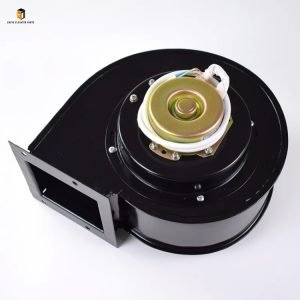
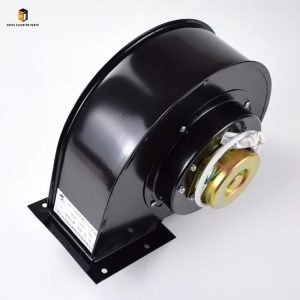
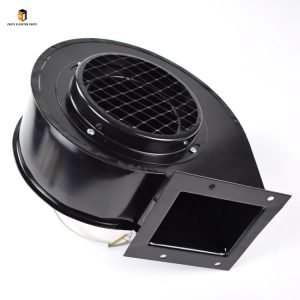
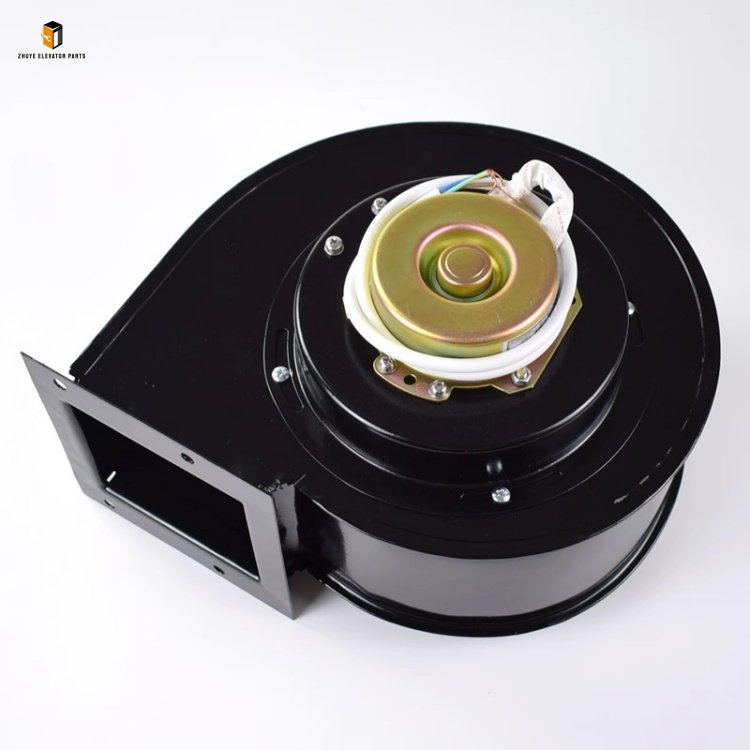
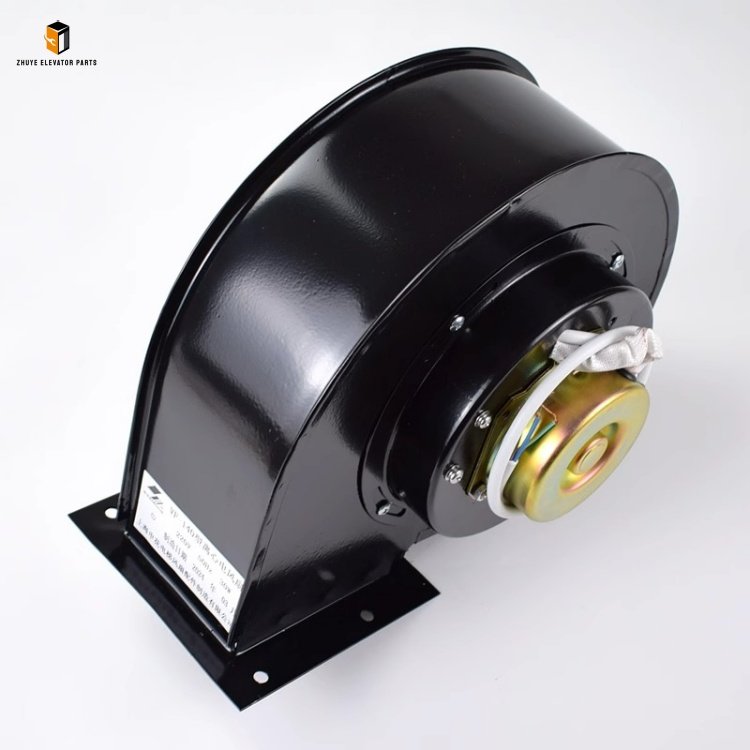
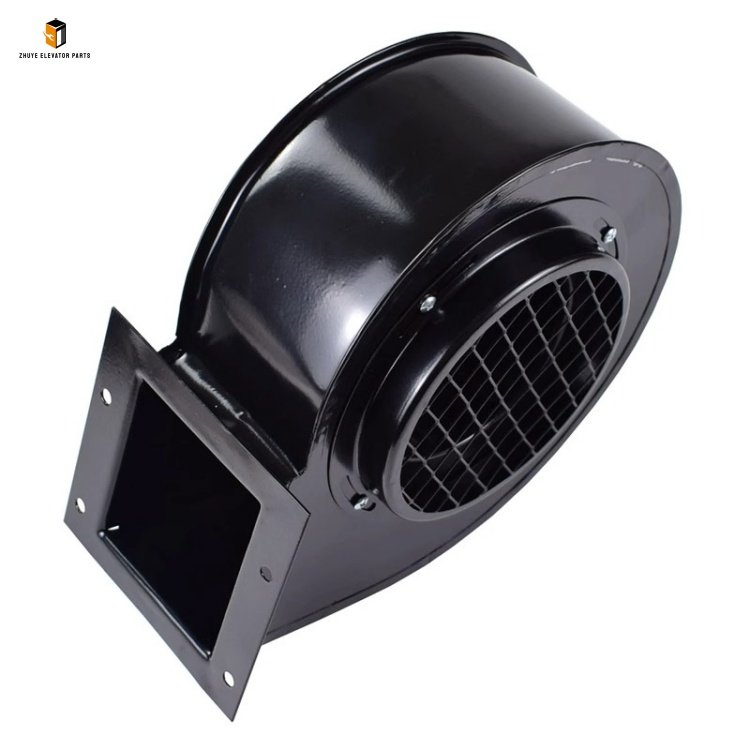
Toshiba Elevator Centrifugal Cross Flow Fan VF-140 Brief Introduction
|
Product Name |
Toshiba Elevator Centrifugal Cross Flow Fan |
| Model Number | VF-140 |
|
Quality
|
Original.Brand New
|
|
Payment
|
T/T. Paypal. Western Union
|
|
Delivery
|
3-5 Working Days
|
|
Packaging
|
Packed by carton
|
Toshiba Elevator Centrifugal Cross Flow Fan VF-140: Authentic Cooling Solution from Nanjing Zhuye Elevatorparts
For Toshiba elevators, stable heat dissipation is the cornerstone of reliable operation—especially for core electrical components like traction machines, inverters, and control cabinets. Overheating can trigger frequent shutdowns, component damage, and even safety risks. The Toshiba Elevator Centrifugal Cross Flow Fan VF-140, exclusively supplied by Nanjing Zhuye Elevatorparts (an authorized distributor of genuine Toshiba elevator components), is 100% compatible with Toshiba’s original elevator models. It adheres strictly to Toshiba’s technical standards and international quality certifications (ISO 9001), delivering consistent air volume, ultra-low noise, and long-lasting durability. As a dedicated cooling core for Toshiba elevators, it is widely used in residential buildings, commercial malls, office towers, and public facilities globally.
Nanjing Zhuye Elevatorparts has built a solid reputation in the elevator parts industry by focusing on authenticity and quality. Each VF-140 fan undergoes a 5-step strict inspection before leaving the factory: air volume calibration, noise testing, motor performance evaluation, durability trials, and compatibility verification with Toshiba systems. The fan features a Toshiba-specified copper core motor, optimized curved impeller, and flame-retardant ABS shell. The copper core motor ensures high efficiency (energy consumption reduced by 25% compared to generic alternatives) and stable operation; the precision-machined impeller maximizes air flow while keeping noise below 42dB, ensuring a quiet environment in machine rooms; the flame-retardant shell meets elevator safety standards, minimizing fire risks. Its mounting holes, wiring ports, and dimensions are identical to Toshiba’s original parts, enabling plug-and-play replacement without any modifications to the elevator’s existing structure.
Step-by-Step Usage Guide for Toshiba Elevator Fan VF-140
To ensure optimal cooling performance and extend the fan’s service life, follow the professional guidelines provided by Nanjing Zhuye Elevatorparts for installation, operation, and maintenance:
1. Professional Installation & Commissioning
Installation must be performed by certified technicians familiar with Toshiba elevator systems. Prior to installation, confirm the fan model (VF-140) matches the elevator’s serial number using the compatibility list provided by Nanjing Zhuye Elevatorparts. The steps are as follows:
-
Safety Preparation: Cut off the elevator’s main power supply and lock the power switch. Hang a “Maintenance in Progress—Do Not Power On” sign to prevent accidental startup. Locate the original fan position (usually in the inverter cooling compartment or traction machine room) and remove the old fan by unscrewing the fixed screws.
-
Mounting the New Fan: Clean the mounting surface to remove dust and oil stains. Align the VF-140 with the original mounting holes and fix it firmly using the stainless steel screws provided by Nanjing Zhuye Elevatorparts. Ensure the fan’s air inlet (marked “IN”) faces the heat source and the air outlet (“OUT”) is unobstructed—maintain a minimum 10cm gap from obstacles to ensure smooth air flow. The tightening torque should be 2.5±0.3 N·m (consistent with Toshiba’s requirements) to avoid vibration during operation.
-
Wiring & Verification: Follow the wiring diagram (included in Nanjing Zhuye’s package) and Toshiba’s elevator wiring manual. Connect the fan’s power wires (typically 220V AC or 110V AC, as per the elevator model) to the corresponding terminals. Ensure the wires are tightly connected and the insulation layer is intact to prevent short circuits. For complex wiring scenarios, contact Nanjing Zhuye’s technical team for remote guidance.
-
Post-Installation Testing: Restore the power supply and start the fan. Check for abnormal noise, vibration, or loose connections. Use a professional anemometer to verify the air volume (standard: 320–350 m³/h, consistent with Toshiba’s original specifications). Run the fan continuously for 1 hour and confirm the motor temperature is below 55℃. If the fan fails to start or the air volume is insufficient, recheck the wiring and mounting position immediately.
2. Daily Operation & Routine Inspection
Regular inspections are key to early fault detection. Maintenance personnel should incorporate the following checks into their daily patrols:
-
Daily Status Check: During machine room inspections, listen for the fan’s operating sound—any rattling, friction, or buzzing indicates potential faults (e.g., impeller blockage or bearing wear). Observe the fan’s rotation to ensure it runs smoothly without hesitation.
-
Weekly Cleaning: Cut off the fan’s power supply. Use a dry, lint-free cloth or a soft-bristled brush to gently clean the impeller, air inlet, and outlet. Dust buildup will reduce air flow and increase motor load. Avoid using water or corrosive cleaners, as they may damage the fan’s shell and motor.
-
Monthly Parameter Monitoring: Use a multimeter to measure the fan’s operating current. Ensure it remains within the range specified on the nameplate (±10% tolerance). Abnormal current (too high or too low) may indicate motor aging or wiring issues, requiring immediate inspection by Nanjing Zhuye’s technicians.
3. Regular Maintenance Schedule
Systematic maintenance can extend the VF-140’s service life by 30%. Follow Nanjing Zhuye Elevatorparts’ recommended maintenance plan:
-
Quarterly Maintenance: Inspect the fan’s fixed screws and wiring terminals—retighten if loose. Apply a small amount of high-temperature lubricating oil (provided by Nanjing Zhuye) to the motor bearing to reduce friction. Check the impeller for deformation or damage.
-
Semi-Annual Performance Test: Conduct a comprehensive performance test, including air volume, noise level, and motor insulation resistance. The insulation resistance should be ≥100MΩ (measured with a 500V megohmmeter). If the noise exceeds 48dB or the air volume drops by more than 20%, perform in-depth maintenance or contact Nanjing Zhuye for technical support.
-
Annual Professional Overhaul: Arrange a professional inspection with Nanjing Zhuye Elevatorparts’ certified team. Disassemble the fan to clean internal components, inspect the motor windings and bearings, and replace aging parts (e.g., capacitors, seals) with genuine Toshiba replacements. This ensures the fan maintains factory-level performance.
Recommended Replacement Cycle for VF-140 Fan
As a high-frequency operation component, the VF-140 has a specified service life. Timely replacement avoids heat dissipation failures and protects Toshiba elevator components.
1. Standard Replacement Cycle
Under normal operating conditions (24-hour continuous operation, machine room temperature: -5–55℃, humidity: 20%–80%, no severe dust), the recommended replacement cycle for the VF-140 is 5–7 years. This is based on Nanjing Zhuye’s field data of over 10,000 installations and Toshiba’s component durability standards.
2. Adjustments for Special Scenarios
-
Harsh Environments: For elevators in high-humidity coastal areas, high-dust construction sites, or unventilated machine rooms with high temperatures (exceeding 60℃), shorten the replacement cycle to 3–4 years. Harsh conditions accelerate motor aging, bearing corrosion, and impeller blockage.
-
Low-Frequency Use: For low-traffic elevators (e.g., villa elevators, small offices with monthly rides < 2,500) in clean, well-ventilated machine rooms, the cycle can be extended to 7–8 years—only if Nanjing Zhuye’s professional inspection confirms the fan’s air volume, motor performance, and structural integrity are intact.
3. Immediate Replacement Conditions
Replace the VF-140 immediately if any of the following issues occur, regardless of service life:
-
The fan fails to start or stops unexpectedly, and the fault cannot be resolved after checking power supply and wiring.
-
Air volume drops below 70% of the standard value, leading to frequent overheating alarms of the elevator inverter or traction machine.
-
The motor makes severe noise or vibrates violently, indicating irreversible bearing wear or impeller deformation.
-
The motor insulation resistance is < 10MΩ, posing a short-circuit risk; or the operating current exceeds 120% of the rated value.
In conclusion, the Toshiba Elevator Centrifugal Cross Flow Fan VF-140 from Nanjing Zhuye Elevatorparts is the most reliable cooling solution for Toshiba elevators. It combines genuine quality, perfect compatibility, and professional technical support. By following the correct usage methods, maintenance schedules, and replacement cycles, you can ensure the stable operation of your Toshiba elevator system, reduce maintenance costs, and extend the service life of core components. Choose Nanjing Zhuye Elevatorparts for authentic Toshiba parts and peace of mind.