

Description
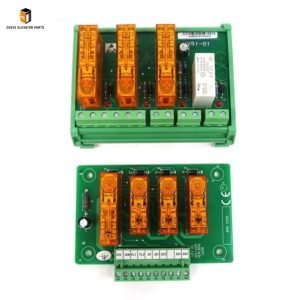
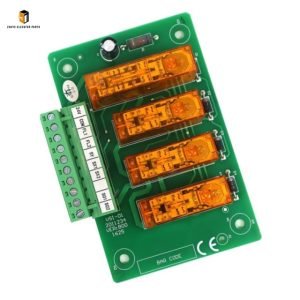
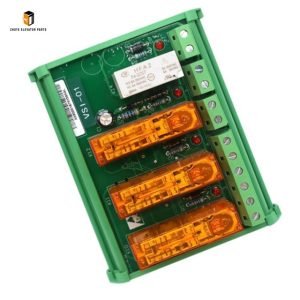
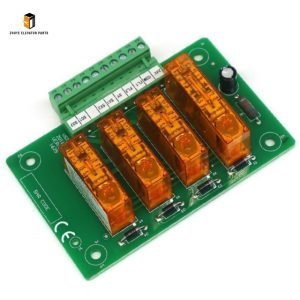
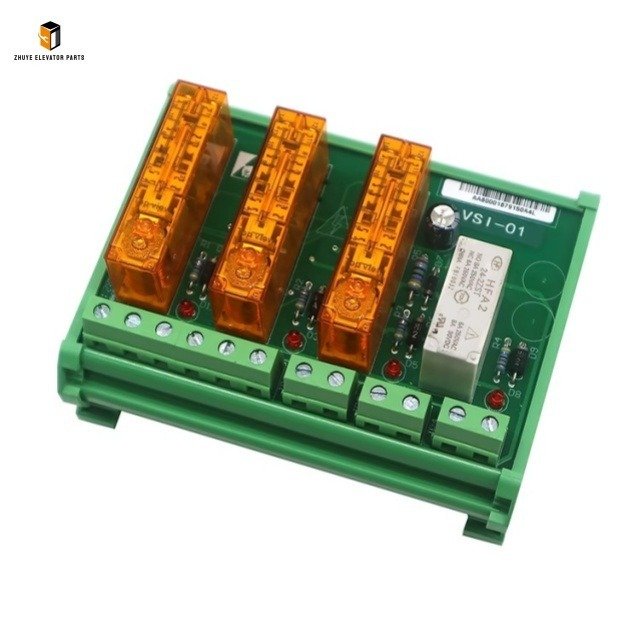
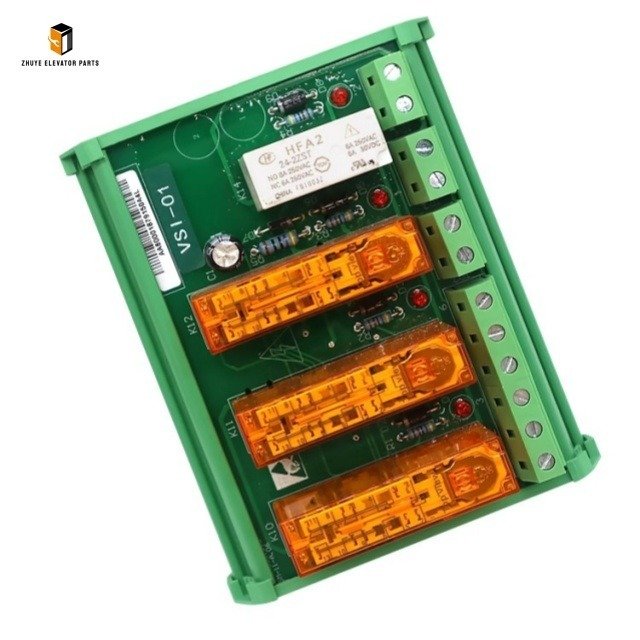
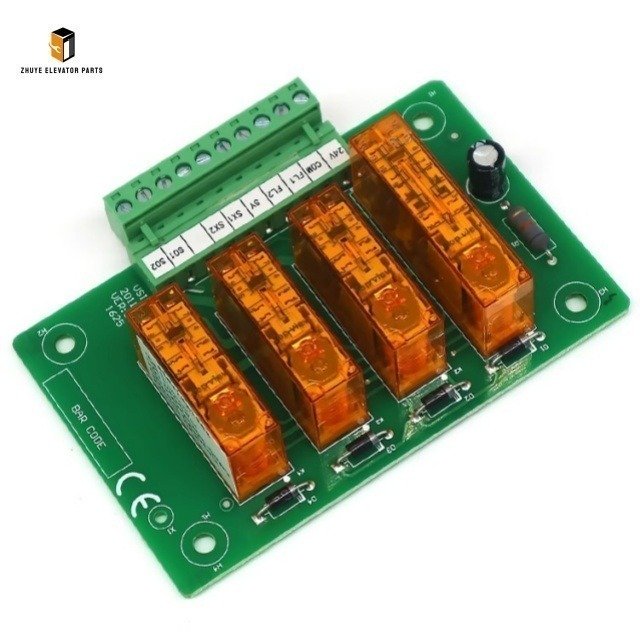
Elevator car accidental movement prevention board VSI-01 Brief Introduction
|
Product Name |
Elevator car accidental movement prevention board |
| Model Number | VSI-01 |
|
Quality
|
Original.Brand New
|
|
Payment
|
T/T. Paypal. Western Union
|
|
Delivery
|
3-5 Working Days
|
|
Packaging
|
Packed by carton
|
VSI-01 Elevator Car Accidental Movement Prevention Board: Usage Guide & Replacement Cycle
Elevator car accidental movement (CAM) is a critical safety hazard that may cause serious injuries to passengers entering or exiting the car. The VSI-01 Elevator Car Accidental Movement Prevention Board, a high-performance safety component from Nanjing Zhuye Elevator Parts, serves as the “core defender” against such risks by monitoring elevator status in real time and triggering protective measures instantly. Nanjing Zhuye Elevator Parts, a professional manufacturer and supplier of elevator components, has won global trust by providing rigorously tested, industry-standard parts like the VSI-01 board, which complies with strict elevator safety regulations. This article details the correct usage methods, daily maintenance essentials, and scientific replacement cycle of the VSI-01 board to help maintenance professionals enhance elevator safety.
Standardized installation and debugging are fundamental to the reliable operation of the VSI-01 board. Before installation, strictly follow elevator safety protocols: cut off the main power supply and place a prominent “No Operation” warning sign to avoid accidents. First, confirm the installation position—typically in the elevator control cabinet or on the car top, ensuring the area is clean, dry, and free of strong vibration and electromagnetic interference. Align the board with pre-drilled mounting holes and secure it with anti-loose screws to ensure stability during long-term operation. Next, refer to the official wiring diagram provided by Nanjing Zhuye Elevator Parts to connect the board to the elevator main controller, door machine system, position sensors, and brake device. It is crucial to ensure accurate connection of position sensor signals, as they directly affect the board’s ability to detect car movement.
After wiring, conduct a comprehensive inspection to eliminate wrong connections, loose contacts, or short circuits. Proceed to power-on debugging: use the board’s built-in debugging interface to set key parameters such as car position detection sensitivity and brake response delay, ensuring consistency with the elevator’s model and operating requirements. Conduct simulated tests for high-risk scenarios: 1) Simulate car movement when the door is open to verify that the board immediately triggers the brake to stop the car; 2) Test the board’s compatibility with the door interlock system to ensure it only allows car movement when the door is fully closed. During daily use, prohibit unauthorized modification of parameters, and keep the installation environment clean to prevent dust and moisture from damaging the board’s components.
Understanding the replacement cycle of the VSI-01 board is key to avoiding safety hazards. As a core electronic component integrating real-time monitoring and emergency control, its service life is affected by factors such as long-term electrical load, signal transmission frequency, and environmental corrosion. Based on national elevator safety standards and technical recommendations from Nanjing Zhuye Elevator Parts, the VSI-01 board has a general replacement cycle of 4–5 years under normal operating conditions (8–12 hours of daily operation in residential or office buildings). For elevators in high-traffic public areas (e.g., malls, stations, hospitals) where the frequency of door opening/closing and passenger flow is higher, the replacement cycle should be shortened to 3–4 years. For elevators older than 15 years, in line with enhanced inspection requirements for aging equipment, replace the board every 3 years to ensure compatibility and safety.
Immediate replacement is required if the following abnormal signs appear, even within the recommended cycle: 1) Failure to trigger the brake during simulated accidental movement tests; 2) Persistent fault alarms indicating internal circuit damage or sensor signal abnormalities; 3) Visible physical damage such as burnt resistors, swollen capacitors, or circuit board corrosion; 4) Delayed response when detecting car movement, which may increase accident risks. When replacing, always choose genuine VSI-01 boards from Nanjing Zhuye Elevator Parts to ensure perfect compatibility with the elevator system and avoid safety hazards from counterfeit products.
Scientific daily maintenance can extend the board’s service life significantly. Conduct regular inspections in accordance with elevator maintenance specifications: every 3 months, check the tightness of wire connections and the status of the board’s indicator lights; every 6 months, use a dry brush to remove dust from the board’s surface and connectors, and test sensor signal stability with professional equipment. Ensure the operating environment temperature is between -10℃ and 45℃ with relative humidity below 85%. Nanjing Zhuye Elevator Parts recommends conducting a full-function test of the accidental movement prevention system annually and keeping detailed maintenance records to comply with regulatory requirements for elevator safety file retention.
The VSI-01 Elevator Car Accidental Movement Prevention Board is a critical component safeguarding passenger safety during elevator entry and exit. By following correct installation and usage guidelines and replacing aging or faulty boards with genuine Nanjing Zhuye Elevator Parts products promptly, you can effectively eliminate CAM risks and enhance overall elevator safety. For more technical details, genuine part purchases, or professional support for the VSI-01 board, contact Nanjing Zhuye Elevator Parts’ professional team.