

Description
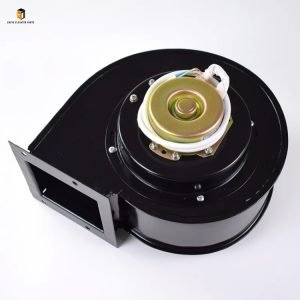
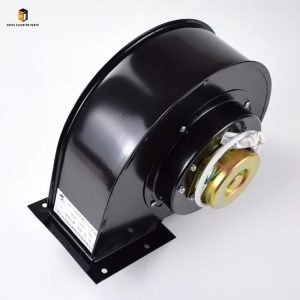
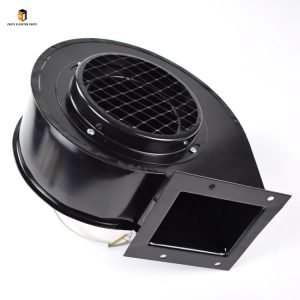
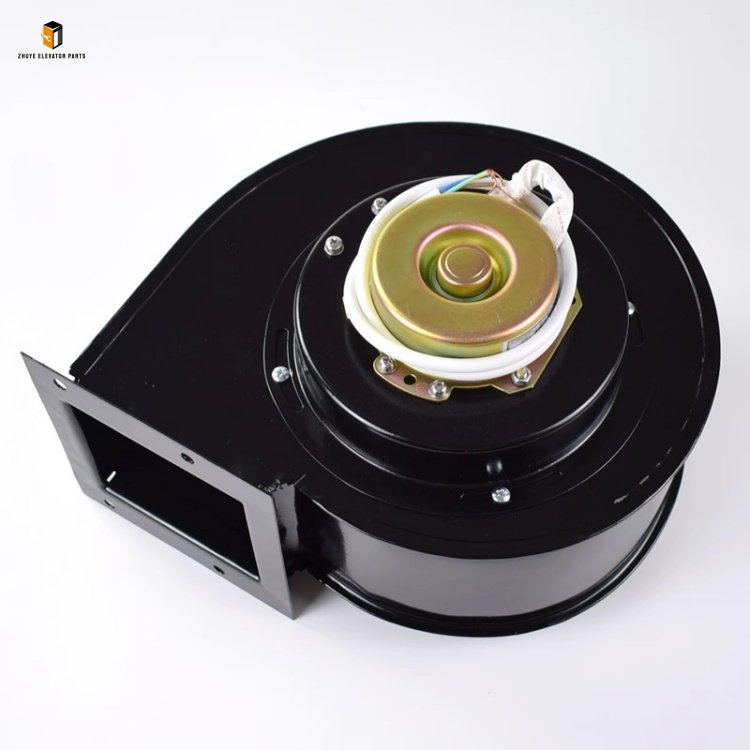
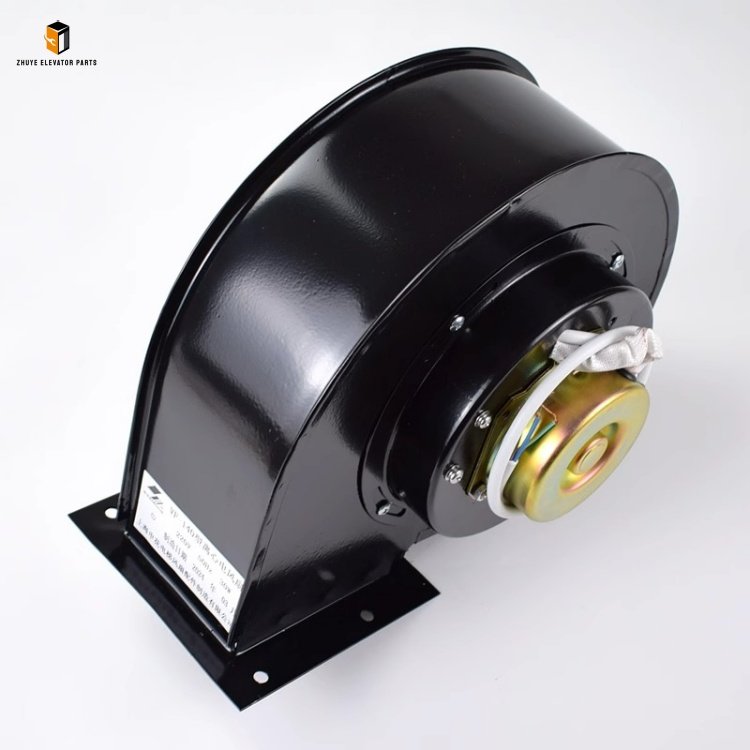
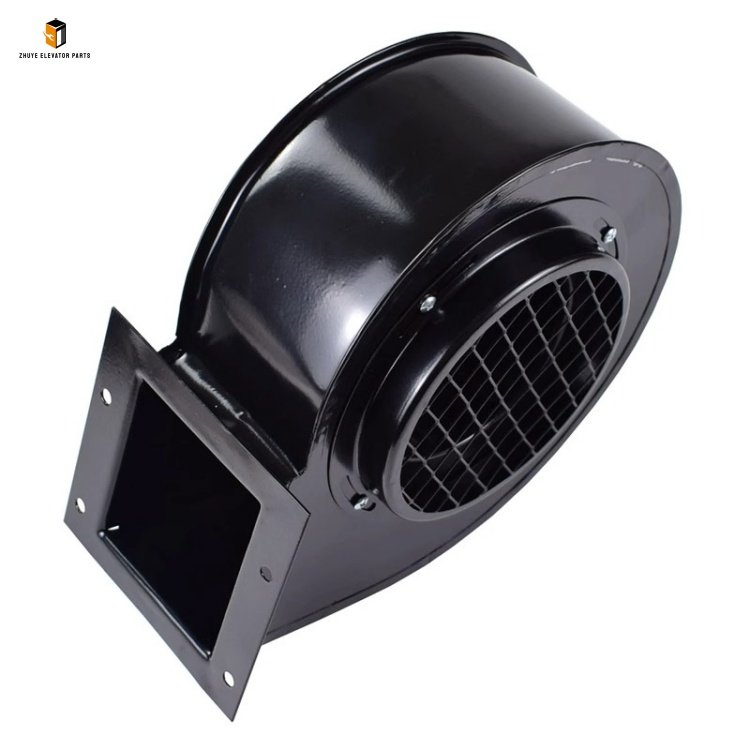
Toshiba Elevator Centrifugal Cross Flow Fan VF-140 Brief Introduction
|
Product Name |
Toshiba Elevator Centrifugal Cross Flow Fan |
| Model Number | VF-140 |
|
Quality
|
Original.Brand New
|
|
Payment
|
T/T. Paypal. Western Union
|
|
Delivery
|
3-5 Working Days
|
|
Packaging
|
Packed by carton
|
Toshiba Elevator Centrifugal Cross Flow Fan VF-140: Reliable Cooling Core for Elevator Systems
The centrifugal cross flow fan is a key component for elevator heat dissipation, primarily responsible for cooling the elevator’s traction machine, inverter, and control cabinet. Stable and efficient heat dissipation ensures the elevator’s electrical components operate within the safe temperature range, avoiding malfunctions caused by overheating and extending the service life of the entire elevator system. The Toshiba Elevator Centrifugal Cross Flow Fan VF-140, exclusively supplied by Nanjing Zhuye Elevatorparts (a professional and trusted distributor of authentic elevator components), is meticulously engineered to comply with Toshiba’s original technical specifications and international quality standards. With high air volume, low noise operation, and perfect compatibility with Toshiba elevator models, this fan provides reliable cooling support for elevators in residential buildings, commercial complexes, office towers, hospitals, and public facilities worldwide.
Nanjing Zhuye Elevatorparts has established long-term strategic cooperation with Toshiba, adhering to the core philosophy of “quality first, authenticity guaranteed”. Each unit of the VF-140 undergoes rigorous pre-delivery inspections, including air volume testing, noise level measurement, speed stability verification, and long-term operation durability trials. The fan adopts a high-performance copper motor, precision-impeller design, and corrosion-resistant plastic shell: the copper motor ensures strong power output and low energy consumption, with a service life far exceeding that of ordinary aluminum motors; the precision impeller is optimized for air flow, maximizing heat dissipation efficiency while minimizing noise (operating noise ≤ 45dB); the corrosion-resistant shell can adapt to the harsh environment of elevator machine rooms, resisting dust, moisture, and minor chemical corrosion. Its standardized installation interface and dimensions are perfectly tailored to Toshiba elevator systems, enabling seamless replacement without modifying the original mounting structure.
Proper Usage Methods of Toshiba Elevator Centrifugal Cross Flow Fan VF-140
Correct installation, standardized operation, and regular maintenance are crucial to maximizing the heat dissipation efficiency and service life of the VF-140. Follow these key guidelines for optimal integration with Toshiba elevator systems:
1. Installation & Commissioning
Before installation, technicians must confirm the compatibility of the VF-140 with the target Toshiba elevator model using the detailed compatibility manual provided by Nanjing Zhuye Elevatorparts. Professional installation is mandatory to ensure performance, following these steps:
-
First, cut off the elevator’s main power supply and hang a “Maintenance in Progress, No Power On” sign to ensure the work area is safe. Locate the fan’s installation position (typically in the elevator control cabinet, traction machine room, or inverter cooling area) and clean the mounting surface to remove dust, oil stains, and debris.
-
Fix the VF-140 firmly to the mounting bracket using matching screws provided by Nanjing Zhuye Elevatorparts. Ensure the fan’s air inlet and outlet are unobstructed, with no obstacles blocking the air flow—this is critical to ensuring normal heat dissipation. The tightening torque must comply with Toshiba’s technical requirements (typically 2–3 N·m) to avoid loose installation due to long-term vibration.
-
Wiring connection: Strictly follow the wiring diagram provided by Nanjing Zhuye Elevatorparts (tailored for VF-140) and Toshiba’s elevator system guidelines. Connect the fan’s power wires to the corresponding terminals of the elevator’s power supply or control cabinet. Ensure all connections are tight, with intact insulation to prevent short circuits. Pay special attention to the positive and negative poles of the power supply—incorrect wiring may cause the fan to reverse or burn out. Nanjing Zhuye’s technical team provides remote wiring guidance for complex systems.
-
Post-installation commissioning: Restore the elevator power supply and turn on the fan. Verify that the fan operates smoothly without abnormal noise or vibration; use an anemometer to detect the air volume, ensuring it meets the standard requirements (consistent with Toshiba’s original fan parameters). Check the fan’s operating temperature—ensure it remains within the normal range (≤ 60℃) after 1 hour of continuous operation. If abnormalities such as weak air flow, excessive noise, or failure to start occur, recheck the installation and wiring and adjust promptly.
2. Daily Operation & Routine Inspection
Regular daily inspections are essential to early fault detection and ensuring the reliable operation of the VF-140. Maintenance personnel should perform the following checks:
-
During daily machine room patrols, observe the fan’s operating status. Listen for abnormal noises (such as friction, rattling, or buzzing) and check for obvious vibration. If the fan stops running or operates abnormally, shut down the relevant elevator system immediately to avoid overheating of electrical components.
-
Weekly cleaning and inspection: Cut off the fan’s power supply, use a dry, lint-free cloth or a soft brush to gently wipe the fan’s shell, impeller, and air inlet/outlet, removing accumulated dust and debris. Dust buildup will block air flow and reduce heat dissipation efficiency. Check the fan’s fixing screws and wiring terminals for looseness, oxidation, or damage—retighten loose screws and clean oxidized terminals in a timely manner.
-
Periodically monitor key parameters: Use a multimeter to detect the fan’s operating current, ensuring it remains within the range specified in Toshiba’s technical manual. Abnormal current fluctuations may indicate issues such as motor wear or impeller blockage.
3. Regular Maintenance
In addition to daily inspections, systematic regular maintenance is necessary to extend the service life of the VF-140:
-
Every 3 months, conduct a comprehensive inspection of the fan’s motor and bearing. Apply a small amount of professional lubricating oil (recommended by Nanjing Zhuye Elevatorparts) to the motor bearing to reduce friction and wear. Check the fan’s impeller for deformation or damage—replace the impeller with genuine accessories if necessary.
-
Every 6 months, perform a full performance test: Measure the fan’s air volume, wind pressure, and noise level to ensure they meet the original factory standards. Test the fan’s start-up performance, ensuring it starts quickly and stably without delay. Check the insulation performance of the motor windings using an insulation resistance tester to avoid short circuit risks.
-
Annually, arrange professional maintenance with Nanjing Zhuye Elevatorparts’ certified technical team. Disassemble the fan to inspect internal components (including the motor, bearing, and impeller), remove internal dust and debris with specialized tools, and replace aging parts (such as bearings, capacitors) with genuine Toshiba replacements. This ensures the fan maintains factory-level performance and reliability.
Recommended Replacement Cycle of Toshiba Elevator Centrifugal Cross Flow Fan VF-140
As a core heat dissipation component, the VF-140 has a specified service life. Timely replacement is critical to avoiding heat dissipation failure, which could lead to overheating of elevator electrical components, triggering faults such as elevator shutdown or inverter damage.
1. Standard Replacement Cycle
Under normal operating conditions (12–24 hours of daily operation, standard machine room environment: temperature -10–60℃, humidity 20%–85%, no severe dust or corrosion), the recommended replacement cycle for the VF-140 is 5–7 years. This cycle is determined based on Nanjing Zhuye Elevatorparts’ long-term field data, including motor aging tests, bearing wear analysis, and Toshiba’s original component durability standards.
2. Scenario-Based Cycle Adjustment
-
Harsh Operating Environments: For elevators in high-humidity coastal regions, high-dust construction sites, unventilated high-temperature machine rooms, or areas with strong electromagnetic interference, the replacement cycle should be shortened to 4–5 years. Harsh conditions accelerate motor insulation aging, bearing corrosion, and impeller dust accumulation, significantly reducing the fan’s reliability and heat dissipation efficiency.
-
Low-Frequency Use Scenarios: For elevators with low usage frequency (e.g., villa elevators, small office buildings with less than 3,000 monthly rides) and well-ventilated, clean machine rooms, the replacement cycle can be appropriately extended to 7–8 years—provided a professional inspection by Nanjing Zhuye Elevatorparts confirms that the fan’s air volume, noise level, and motor performance are all intact.
3. Immediate Replacement Conditions
Regardless of the service life, the VF-140 must be replaced immediately if any of the following issues are detected during inspection:
-
The fan fails to start or stops running unexpectedly, and the fault cannot be resolved after checking the power supply, wiring, and motor.
-
The fan’s air volume decreases significantly (below 70% of the standard value), leading to overheating of the elevator’s electrical components (e.g., inverter temperature exceeds 80℃).
-
The fan emits excessive noise (exceeding 60dB) or severe vibration during operation, indicating serious wear of internal bearings or impeller deformation.
-
The fan’s motor winding insulation resistance is lower than 1MΩ, or the operating current is persistently higher than 120% of the rated current, posing burnout risks.
In summary, the Toshiba Elevator Centrifugal Cross Flow Fan VF-140 supplied by Nanjing Zhuye Elevatorparts is a high-quality, perfectly compatible cooling component tailored for Toshiba elevator systems. By following the correct usage methods, conducting regular maintenance, and adhering to the recommended replacement cycle, elevator maintenance teams can effectively ensure the stable operation of the elevator’s heat dissipation system, extend the service life of electrical components, and minimize failure risks. Choosing Nanjing Zhuye Elevatorparts means you get not only authentic VF-140 fans but also professional technical support, including installation guidance, maintenance advice, and prompt after-sales service.