

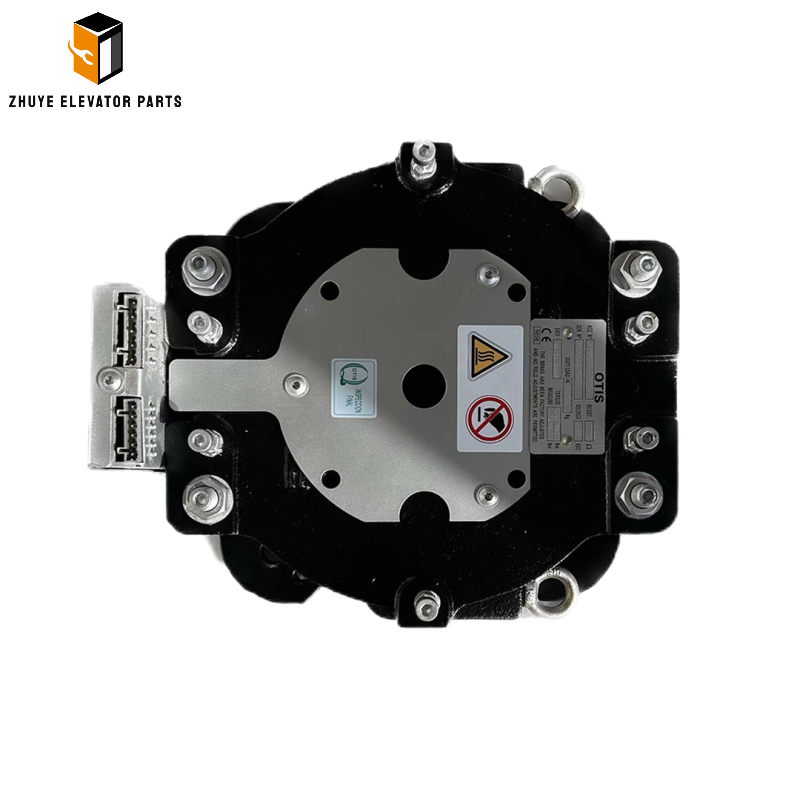

Description
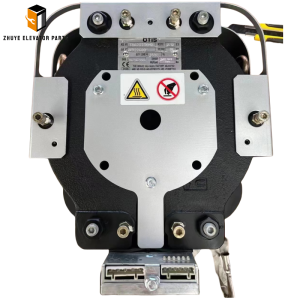
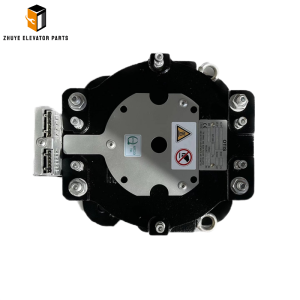
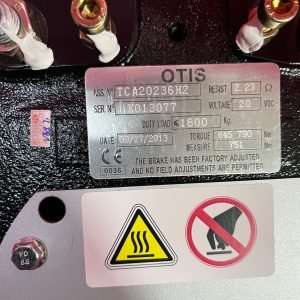
Otis GEN2 Elevator Brake TBA20236H2 TCA20236H2 Brief Introduction
|
Product Name |
Otis Elevator Brake |
| Model Number | TBA20236H2 TCA20236H2 |
|
Quality
|
Original.Brand New
|
|
Payment
|
T/T. Paypal. Western Union
|
|
Delivery
|
3-5 Working Days
|
|
Packaging
|
Packed by carton
|
Otis GEN2 Elevator Brake TBA20236H2/TCA20236H2: Usage Guide, Replacement Cycle & Trusted Supply from Nanjing Zhuye
The Otis GEN2 Elevator Brakes TBA20236H2 and TCA20236H2 are mission-critical safety components exclusively engineered for Otis GEN2 elevator systems—indispensable for commercial high-rises, residential complexes, office buildings, and public transit facilities worldwide. As the “primary stopping mechanism” for Otis’ iconic GEN2 series (including GEN2, GEN2-MRL, and GEN2 Compact models), these dual-variant brakes deliver precise, fail-safe stopping power to the traction sheave, ensuring the elevator halts securely during normal operation, emergencies, or power outages. Both variants share Otis’ proprietary design: spring-applied, electrically released actuation, high-friction brake linings, and corrosion-resistant steel components—upholding the brand’s strict standards for safety, durability, and operational reliability.
Compliant with global safety and mechanical standards (EN 81, ASME A17.1, ISO 9001), the TBA20236H2/TCA20236H2 feature a rugged, wear-resistant construction: heat-treated steel brake calipers for structural integrity, asbestos-free friction linings (minimum 12mm initial thickness) for consistent braking force, and sealed bearings to prevent dust and moisture intrusion. This design withstands 24/7 operation in machine rooms or hoistways, enduring temperature fluctuations (-10°C to +45°C), constant mechanical stress from stopping cycles, and exposure to environmental contaminants—critical for protecting passengers from falls or uncontrolled movement. For maintenance teams, facility managers, and elevator service providers, mastering the correct installation, adjustment, and replacement timelines of these brakes is non-negotiable to ensure regulatory compliance, passenger safety, and liability mitigation. Nanjing Zhuye Elevator Parts, a trusted supplier of authentic Otis components, delivers TBA20236H2/TCA20236H2 brakes that meet Otis’ original manufacturing specifications—guaranteeing seamless compatibility, reliable braking performance, and long-term durability.
Proper Usage Methods of Otis GEN2 Elevator Brake TBA20236H2/TCA20236H2
1. Pre-Installation Preparation & Variant Selection
Before installation, prioritize safety by shutting off the elevator’s main power supply, discharging the brake’s electrical circuit, engaging the emergency stop button, and securing the work area (machine room or hoistway) with warning signs and lockout-tagout (LOTO) devices. Variant Selection is critical: consult Otis’ technical manual or Nanjing Zhuye’s technical support to choose between TBA20236H2 (standard load capacity) and TCA20236H2 (higher load capacity for GEN2-MRL heavy-duty models). Key differences include brake lining area and spring force—select the variant that matches your elevator’s rated load (typically 630–1600 kg). Using the wrong variant can result in insufficient braking force or premature wear.
Inspect the selected brake for physical damage—such as bent calipers, worn linings (thickness <4mm), damaged springs, or corroded actuation coils—defects that can cause brake failure or inconsistent stopping. Nanjing Zhuye’s strict quality control process ensures each unit arrives in optimal condition: intact calipers, full-thickness linings, functional springs, and tested electrical actuation. Prepare the installation area: clean the traction sheave surface to remove oil, debris, or old brake dust, and inspect the sheave for wear or grooves—resurface or replace the sheave if necessary before installing the new brake.
2. Installation & Adjustment Steps
- Brake Installation:
- Align the TBA20236H2/TCA20236H2 with the traction sheave, ensuring the brake linings are parallel to the sheave surface (gap tolerance: 0.3–0.5mm). Secure the brake to the mounting bracket using the provided high-torque bolts (torque to 15–18 Nm) to prevent movement during braking. If replacing an old brake, remove the existing unit by disconnecting the electrical connector and unfastening the mounting bolts—take detailed photos of the old brake’s position and adjustment to replicate during installation.
- Clearance & Force Adjustment:
- Adjust the brake clearance using the built-in adjustment screws: turn clockwise to reduce clearance or counterclockwise to increase, ensuring equal gap (0.3–0.5mm) between both linings and the sheave. Test the actuation by applying power to the brake coil—linings should fully retract (no contact with sheave) when energized and firmly clamp (uniform pressure) when de-energized.
- Verify the spring-applied force by performing a static load test: with the elevator stationary and unloaded, de-energize the brake and confirm it holds the car securely without slippage. Adjust the spring tension (per Otis’ guidelines) if the brake fails to hold or applies excessive force (causing sheave damage).
- Electrical Connection:
- Connect the brake’s electrical connector to the elevator’s control circuit, ensuring correct polarity (typically 110V AC or 220V AC). Use cable ties to secure the wiring and prevent contact with moving parts. Test the electrical actuation with a multimeter—confirm the coil receives rated voltage during operation and no continuity when de-energized.
- Post-Installation Testing:
- Restore power to the elevator (performed by certified Otis technicians only) and conduct three critical tests:
- Normal Stopping Test: Operate the elevator at rated speed and initiate a normal stop—confirm smooth, jolt-free braking without squealing or sheave slippage.
- Emergency Stop Test: Trigger the emergency stop button and verify the brake engages immediately, halting the elevator within Otis’ specified distance (≤0.5m for speeds ≤1.75 m/s).
- Power Outage Test: Simulate a power failure and confirm the spring-applied brake holds the elevator securely at any position—no drift or movement allowed.
- Document installation details, variant selection, clearance measurements, and test results in maintenance records to demonstrate compliance with Otis’ service requirements and safety regulations.
- Restore power to the elevator (performed by certified Otis technicians only) and conduct three critical tests:
3. Routine Usage Maintenance
To preserve the TBA20236H2/TCA20236H2’s performance and extend its lifespan, implement these proactive maintenance practices:
- Daily Visual Inspections: Check the brake for visible damage, loose bolts, or brake dust buildup. Verify the electrical connector is secure and the sheave surface is clean.
- Weekly Brake Lining Check: Measure brake lining thickness with a caliper—schedule replacement if thickness drops below 4mm (minimum safe limit).
- Monthly Clearance Adjustment: Recheck the brake clearance (0.3–0.5mm) and adjust if needed—vibration during operation can alter alignment. Inspect the actuation coil for overheating (temperature ≤60°C).
- Quarterly Comprehensive Inspection: Disassemble the brake (by authorized technicians) to inspect springs for fatigue, bearings for wear, and linings for uneven contact. Clean the sheave surface and brake components with Otis-approved 清洁剂. Replace any damaged parts with genuine Otis components from Nanjing Zhuye.
- Annual Performance Test: Conduct a full load braking test (using rated passenger load) to verify stopping distance and brake force. Compare results to initial installation records—replace the brake if performance degrades by 20% or more.
Recommended Replacement Cycle
The service life of the Otis GEN2 Elevator Brake TBA20236H2/TCA20236H2 depends on variant, usage intensity (daily stopping cycles), load capacity, and maintenance quality. Based on Otis’ engineering standards and Nanjing Zhuye’s technical expertise:
1. Standard Replacement Cycle
Under normal operating conditions (12–18 hours of daily use, regular maintenance, ambient temperature -10°C to +45°C), the TBA20236H2/TCA20236H2 should be replaced every 4–6 years. This timeframe accounts for gradual brake lining wear, spring fatigue, and actuation coil degradation—proactive replacement avoids unexpected brake failure.
2. Signs That Require Immediate Replacement
Replace the brake immediately if you encounter any of the following issues:
- Braking Failures: Extended stopping distance, elevator drift when stopped, or squealing/noisy braking—indicating insufficient friction or worn linings.
- Mechanical Damage: Bent calipers, broken springs, seized actuation mechanisms, or sheave contact marks (from misalignment)—compromising braking force.
- Electrical Issues: Actuation coil overheating, failed electrical connections, or inability to release/engage the brake—resulting in elevator stalling.
- Wear Exceed Limits: Brake lining thickness <4mm, uneven wear (difference >2mm between linings), or sheave groove depth >1mm.
- Safety Compromise: Brake fails to hold the elevator during static load tests, or emergency stop does not engage—violating safety standards (EN 81, ASME A17.1) and risking passenger injury.
3. Maintenance to Extend Service Life
- Environmental Control: Keep the machine room/hoistway clean, dry, and well-ventilated. Protect against moisture and dust intrusion to prevent corrosion.
- Lubrication Best Practices: Apply Otis-approved lubricant to brake pivot points and bearings quarterly—avoid lubricating brake linings or sheave surface.
- Load Management: Avoid overloading the elevator beyond its rated capacity to reduce braking stress and lining wear.
- Genuine Parts Only: For replacements or repairs, use exclusively authentic Otis TBA20236H2/TCA20236H2 brakes and components from Nanjing Zhuye. Counterfeit brakes use inferior linings, weak springs, and untested coils—risking catastrophic failure.
Why Choose Nanjing Zhuye Elevator Parts for Otis TBA20236H2/TCA20236H2?
When sourcing the Otis GEN2 Elevator Brake TBA20236H2/TCA20236H2, Nanjing Zhuye offers unmatched advantages for safety-focused professionals:
- Authenticity & Compatibility: All units are genuine Otis components, ensuring seamless integration with Otis GEN2, GEN2-MRL, and GEN2 Compact elevator models.
- Strict Quality Assurance: Each brake undergoes rigorous testing (braking force, lining wear resistance, spring durability, electrical actuation) to meet Otis’ original manufacturing standards.
- Expert Technical Support: Certified engineers provide 24/7 assistance for installation, adjustment, maintenance, and troubleshooting—even for complex GEN2 brake systems.
- Global Efficient Delivery: Fast shipping to worldwide locations minimizes elevator downtime, ensuring uninterrupted passenger service.
- Competitive Pricing: Direct sourcing from Otis’ authorized channels eliminates middlemen, offering cost-effective solutions without compromising quality or safety.
Conclusion
The Otis GEN2 Elevator Brake TBA20236H2/TCA20236H2 is a foundational safety component that stands as the last line of defense for passengers in Otis GEN2 elevators. By following proper variant selection, installation, adjustment, and maintenance practices—paired with Nanjing Zhuye Elevator Parts’ authentic components—you can ensure Otis GEN2 elevators remain compliant with global safety standards, reliable in operation, and safe for passengers. Whether you need a specific brake variant for a replacement, technical support for maintenance procedures, or bulk orders for a building fleet, Nanjing Zhuye is committed to delivering premium Otis components and tailored professional services. Invest in the safety and reliability of your Otis GEN2 elevators—choose Nanjing Zhuye Elevator Parts for your TBA20236H2/TCA20236H2 brake requirements.