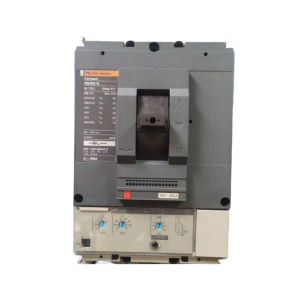


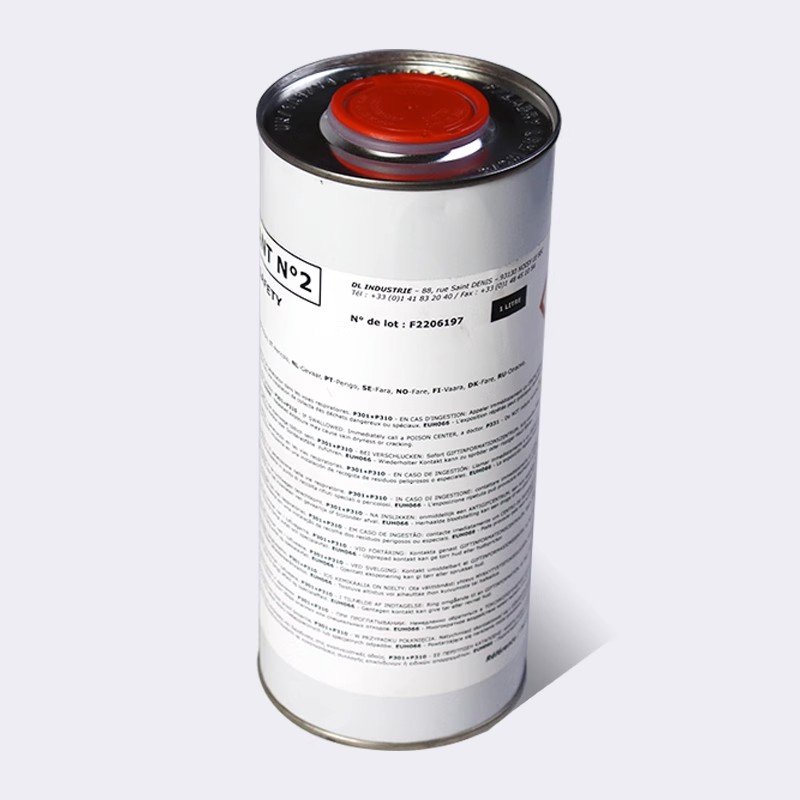
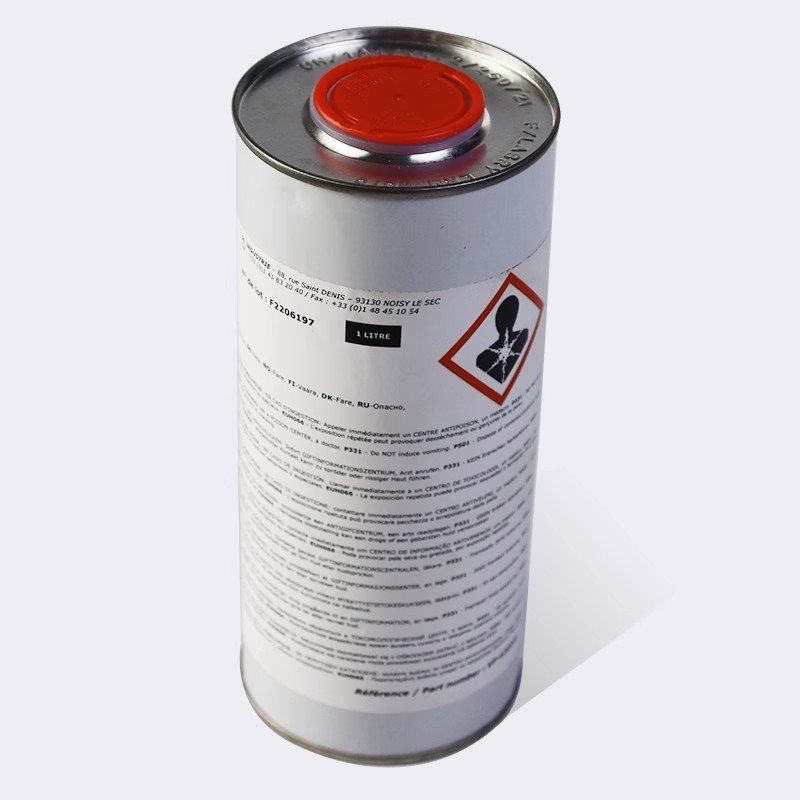

Description
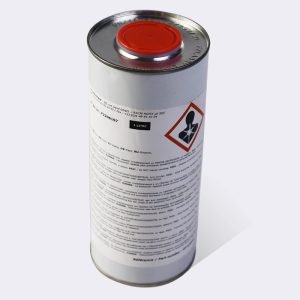
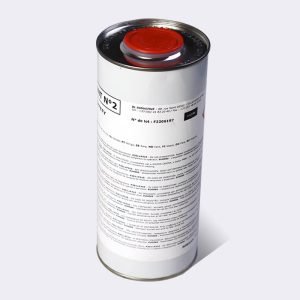
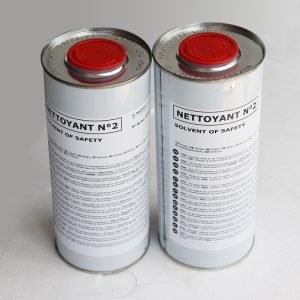
Otis gen 2 traction belt cleaner Brief introduction
|
Product Name |
Otis Gen 2 traction belt cleaner |
| Model Number |
traction belt cleaner |
|
Quality
|
Original.Brand New
|
|
Payment
|
T/T. Paypal. Western Union
|
|
Delivery
|
3-5 Working Days
|
|
Packaging
|
Packed by carton
|
Otis Gen2 Traction Belt Cleaner – Complete Usage & Replacement Guide
Presented by Nanjing Zhuye Elevator Parts
Presented by Nanjing Zhuye Elevator Parts
Elevator safety and ride quality begin with components you rarely see. Among them, the Otis Gen2 traction-belt cleaner is a small investment that prevents large headaches: premature belt wear, traction loss, oily dust build-up, and costly callbacks. In this 800-word guide, Nanjing Zhuye Elevator Parts—your global stocking partner for genuine Gen2 consumables—explains exactly how to fit, use, and time the replacement of the cleaner so that every belt in your fleet reaches its full 15-year design life.
1. What the cleaner does and why it matters
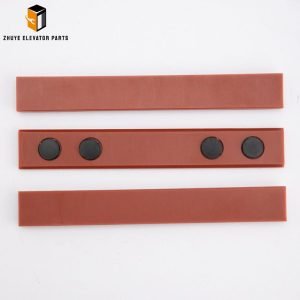
Otis’s flat-coated steel belts are extremely strong, but they flex over sheaves 200 000+ times a year. Microscopic pulley grease, airborne moisture and metal dust migrate into the coating, creating a glazed film that reduces friction and masks internal cracks. The Gen2 cleaner is a spring-loaded, graphite-impregnated felt shoe that kisses the belt edge, wiping contaminants away before they reach the traction surface. A clean belt keeps the machine-room-less (MRL) system at the advertised 0.45 friction coefficient, prevents “black dust” soiling the car top, and allows the automatic belt-monitoring system to see flaws clearly.
2. When to install a new cleaner
-
Every major service (Otis standard is 12 months)
-
After any traction-belt dressing or sheave re-greasing job
-
Immediately if the tell-tale signs appear: shiny belt edges, oily residue on car-top handrails, or a drop in measured traction.
Note: Gen2 cleaners are sold individually; order one per belt. Typical machine sizes use 3–5 cleaners.
3. Tools you need
-
Gen2 cleaner kit (Nanjing Zhuye part #OT-GBC-G2) containing shoe, spring, M6 screws and thread-locker
-
4 mm & 5 mm Allen keys
-
Torque wrench (0–20 N·m range)
-
Lint-free rag and isopropyl alcohol
-
Digital camera or phone for “before & after” shots
-
Lock-out / tag-out kit
4. Step-by-step installation
Safety first: place the car on inspection, open the main line disconnect, and verify zero energy with a CAT-III meter.
-
Access the car top. Remove the cross-beam cover above the counterweight sheave.
-
Locate the cleaner bracket—an L-shaped aluminium plate welded to the chassis rail.
-
Retract the old cleaner: loosen the M6 set-screw; slide the shoe outboard until it clears the belt; discard.
-
Clean the belt path with IPA. Rotate the sheave by hand and wipe a 300 mm strip on both belt edges.
-
Position the new shoe: slide it into the dovetail until the felt just grazes the belt. The factory alignment notch should line up with the bracket edge.
-
Torque the set-screw to 8 N·m. Apply a drop of blue thread-locker.
-
Cycle the car on inspection for 10 up/down runs. The felt will bed in and leave a uniform grey track 3 mm wide—evidence of correct pressure.
-
Re-install covers, restore power, and record the date in your CMMS.
5. Usage in service—what to watch
During monthly rides, glance at the belt edge: a faint graphite stripe is good; a black oily film means the cleaner is saturated or mis-aligned. Every quarter measure belt traction with a portable friction meter; a 10 % drop triggers an investigation. Finally, inspect the felt thickness: replace when it wears below 2 mm (new = 5 mm).
6. Replacement intervals—data-driven, not guess-work
Otis baseline: 12 months. Nanjing Zhuye field data across hotels, offices and residential towers in Asia refine this:
-
Light duty (<150 starts/day, clean environment): 18 months
-
Standard duty (150–300 starts, mixed dust): 12 months
-
Heavy duty (>300 starts, coastal or industrial): 6–9 months
-
Hospital or food plant with frequent disinfectants: 6 months
Add one extra condition: if the elevator runs with open hoist-way doors during construction, cut the interval in half—concrete dust destroys felt in weeks.
7. Dispose responsibly
Used cleaners contain micro-belt particles and graphite. Seal them in the recycling bag supplied by Nanjing Zhuye and return with your next parts order; we incinerate for energy recovery in compliance with EU WEEE guidelines.
8. Why buy from Nanjing Zhuye Elevator Parts
We hold 2 500+ Gen2 cleaners in Rotterdam and Nanjing stock, ready for same-day despatch. Every unit is laser-etched with a unique traceability code—scan it with our app and download the batch COA, Otis origin invoice, and SDS in 12 languages. Tech support is staffed by former Otis field engineers who answer the phone 24/7. Combine the cleaner with belts, sheave liners or door rollers and we will consolidate freight, cutting your landed cost by up to 18 %.
9. Bottom line
A three-minute cleaner swap every year saves a $12 000 belt replacement five years early. Keep the schedule simple: order from Nanjing Zhuye each annual service, fit the cleaner, log the date, and let the graphite keep your Gen2 belts showroom-clean until the next inspection. Your passengers enjoy a smoother, quieter ride; your client avoids unplanned shutdowns; and your maintenance team earns a reputation for proactive, data-driven care.