


Description
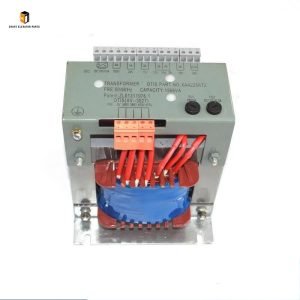
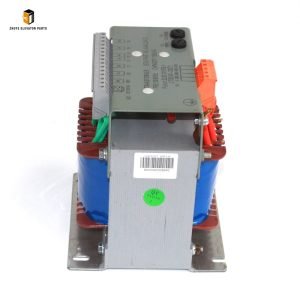
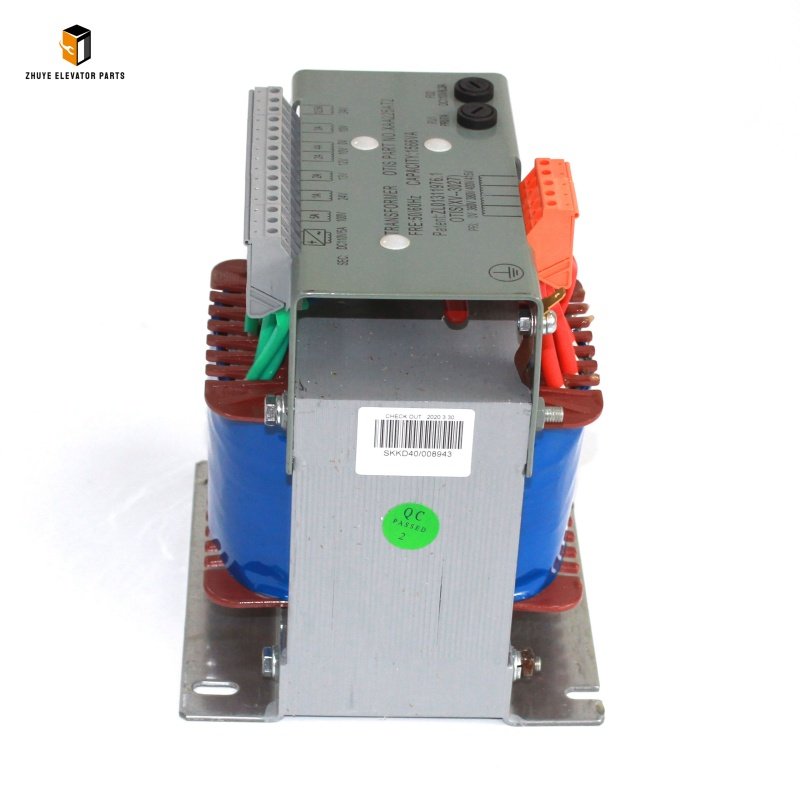
Otis elevator transformer XAA225AT1 Brief Introduction
|
Product Name |
Otis elevator transformer |
| Model Number | XAA225AT1
XAA225AT2 |
|
Quality
|
Original.Brand New
|
|
Payment
|
T/T. Paypal. Western Union
|
|
Delivery
|
3-5 Working Days
|
|
Packaging
|
Packed by carton
|
Otis Elevator Transformer XAA225AT1/2: Usage Guide, Replacement Cycle & Trusted Supply from Nanjing Zhuye
The Otis Elevator Transformer XAA225AT1/2 is a critical power conversion component exclusively engineered for Otis elevator systems—indispensable for commercial high-rises, residential complexes, public transit hubs, and office buildings worldwide. As the “voltage backbone” for Otis Gen2, SkyRise, and NCE series elevators, this dual-variant transformer (XAA225AT1 and XAA225AT2) converts incoming mains power (typically 380V/400V three-phase AC) into stable, subsystem-specific voltages (e.g., 24V DC for control circuits, 110V AC for lighting, 36V AC for safety systems). Each variant is tailored to match varying elevator power demands: XAA225AT1 for standard configurations and XAA225AT2 for higher-load setups (e.g., elevators with larger cabins or additional features). Both share Otis’ proprietary design: high-conductivity copper windings, magnetic shielding to reduce EMI (electromagnetic interference), and built-in overload protection—upholding the brand’s strict standards for reliability, safety, and energy efficiency.
Compliant with global safety and electrical standards (EN 81, IEC 61558, UL 506, ISO 9001), the XAA225AT1/2 features a rugged, industrial-grade construction: corrosion-resistant steel core, flame-retardant insulation materials, sealed terminal boxes to prevent dust and moisture intrusion, and thermal cutoffs for overheating protection. This design withstands 24/7 operation in machine rooms, enduring temperature fluctuations (-10°C to +45°C), mechanical vibration, and electrical stress—critical for uninterrupted power delivery to core subsystems (main controller, door operator, emergency devices, display panels). For maintenance teams, facility managers, and elevator service providers, mastering the correct variant selection, installation, and replacement timelines is vital to avoiding subsystem damage, power-related downtime, or safety hazards. Nanjing Zhuye Elevator Parts, a trusted supplier of authentic Otis components, delivers XAA225AT1/2 transformers that meet Otis’ original manufacturing specifications—guaranteeing seamless compatibility, stable voltage output, and long-term durability.
Proper Usage Methods of Otis XAA225AT1/2 Transformer
1. Pre-Installation Preparation & Variant Selection
Before installation, prioritize safety by shutting off the building’s main power supply to the elevator circuit, applying lockout-tagout (LOTO) procedures, and securing the machine room work area with warning signs. Variant Selection is critical: consult Otis’ technical manual or Nanjing Zhuye’s technical support to choose between XAA225AT1 and XAA225AT2. Key differences include output current ratings (e.g., XAA225AT1: 24V DC 8A; XAA225AT2: 24V DC 12A) and load capacity—select the variant that matches your elevator’s power requirements. Using the wrong variant can cause subsystem burnout or insufficient power supply.
Inspect the selected transformer for physical damage—such as dented housing, cracked insulation, loose terminals, or damaged windings—defects that can lead to short circuits, voltage leakage, or fire risks. Nanjing Zhuye’s strict quality control ensures each unit arrives in optimal condition: intact windings, properly sealed terminals, clear voltage labeling, and pre-tested regulation performance. Prepare the installation area: clean the mounting surface, ensure a minimum 25cm clearance around the transformer for heat dissipation, and confirm access to grounding points and wiring routes.
2. Installation & Wiring Steps
- Mounting the Transformer:
- Secure the XAA225AT1/2 to the designated concrete or metal bracket using high-torque bolts (torque to 4.5–5.5 Nm) to handle the unit’s weight (12–18kg) and prevent vibration-induced movement. Install the transformer upright with terminal boxes facing outward for easy wiring and maintenance.
- Disconnect the old transformer (if replacing) by labeling and removing all input/output cables (mains power, subsystem connections, grounding wires). Take detailed photos of the wiring configuration—note terminal assignments, cable colors, and phase alignment (L1, L2, L3 for input)—to ensure accurate reinstallation.
- Wiring & Connection:
- Connect the building’s three-phase mains power cable to the transformer’s input terminals, following Otis’ wiring schematic. Use cable glands to seal entry points and protect wires from abrasion; torque terminal screws to Otis’ specified 2.5–3.0 Nm to avoid loose connections and arcing.
- Connect subsystem cables to the corresponding output terminals (e.g., 24V DC to control panel, 110V AC to lighting). Verify voltage ratings match subsystem requirements before finalizing connections. Route power and signal cables separately to reduce EMI, and secure wiring with clips to minimize vibration stress.
- Post-Installation Testing:
- Restore power to the elevator (performed by certified Otis technicians only) and conduct three critical tests:
- Voltage Output Test: Use a multimeter to verify output voltages match the transformer’s rated specs (tolerance ±3%)—e.g., 24.0V DC ±0.72V for control systems.
- Load Test: Operate the elevator through full cycles (calling, moving, stopping) to confirm voltage stability under varying loads—no fluctuations exceeding ±5% are acceptable.
- Safety Test: Check for overheating (housing temperature ≤60°C after 1 hour of operation) and verify the thermal cutoff triggers if temperatures exceed safe limits. Test grounding continuity to ensure electrical safety.
- Document installation details, variant selection, test results, and wiring diagrams in maintenance records to demonstrate compliance with Otis’ service requirements and safety regulations.
- Restore power to the elevator (performed by certified Otis technicians only) and conduct three critical tests:
3. Routine Usage Maintenance
To preserve the XAA225AT1/2’s performance and extend its lifespan, implement these proactive maintenance practices:
- Weekly Visual Inspections: Check for physical damage, loose cables, or signs of overheating (discoloration, burning odors). Verify terminal boxes are securely sealed and free from dust or moisture.
- Monthly Voltage Monitoring: Use a power quality analyzer to measure input/output voltages and record data—identify trends in grid fluctuations or internal winding degradation.
- Quarterly Connection Inspections: Tighten all terminal screws and cable glands—vibration during elevator operation can loosen connections over time. Replace frayed or damaged cables with genuine Otis parts from Nanjing Zhuye.
- Semi-Annual Cleaning: Remove dust from the transformer’s exterior, cooling fins, and terminal boxes using compressed air (low pressure to avoid insulation damage). Clean the machine room to maintain airflow.
- Annual Comprehensive Inspection: By authorized technicians, inspect internal windings (via access panels) for corrosion or insulation wear. Test efficiency and voltage regulation against Otis’ standards—replace if performance degrades by 10% or more.
Recommended Replacement Cycle
The service life of the Otis XAA225AT1/2 transformer depends on variant, usage intensity, environmental conditions, and electrical stress. Based on Otis’ engineering standards and Nanjing Zhuye’s expertise:
1. Standard Replacement Cycle
Under normal operating conditions (12–18 hours of daily use, regular maintenance, ambient temperature -10°C to +45°C), the XAA225AT1/2 should be replaced every 8–10 years. This timeframe accounts for gradual winding insulation degradation, core magnetization loss, and thermal cutoff wear—proactive replacement avoids catastrophic power failure.
2. Signs That Require Immediate Replacement
Replace the transformer immediately if:
- Voltage Instability: Persistent output fluctuations exceeding ±5%, or failure to maintain rated voltage under load—causing erratic elevator operation.
- Overheating Risks: Housing temperature >70°C, burning odors, or melted insulation—indicating internal winding damage.
- Physical Damage: Severe dents, water intrusion, or terminal corrosion that cannot be cleaned—compromising safety.
- Performance Degradation: Efficiency drop of >10% (measured via power input/output ratio), or frequent thermal cutoff activation.
- Safety Compromise: Failed grounding continuity test, or thermal cutoff failure to trigger—violating safety regulations.
3. Maintenance to Extend Service Life
- Environmental Control: Keep the machine room clean, dry, and well-ventilated. Install air conditioners/dehumidifiers if temperature exceeds 45°C or humidity 85%.
- Power Stabilization: Add external surge protectors and voltage regulators to shield against grid spikes.
- Load Management: Avoid prolonged full-load idling to reduce thermal stress on windings.
- Genuine Parts Only: Use authentic Otis XAA225AT1/2 transformers and components from Nanjing Zhuye. Counterfeits lack proper insulation and safety features—risking system failure.
Why Choose Nanjing Zhuye Elevator Parts for Otis XAA225AT1/2?
- Authenticity & Compatibility: All units are genuine Otis components, ensuring seamless integration with Gen2, SkyRise, and NCE series elevators.
- Strict Quality Assurance: Each transformer undergoes rigorous testing (voltage regulation, efficiency, thermal resilience) to meet Otis’ original standards.
- Expert Technical Support: Certified engineers provide 24/7 assistance for variant selection, installation, troubleshooting, and maintenance.
- Global Efficient Delivery: Fast shipping minimizes machine room downtime, ensuring uninterrupted elevator operation.
- Competitive Pricing: Direct sourcing from Otis’ authorized channels eliminates middlemen, offering cost-effective solutions without compromising quality.
Conclusion
The Otis Elevator Transformer XAA225AT1/2 is a foundational power conversion component that ensures stable, safe voltage delivery to critical elevator subsystems—directly impacting reliability and passenger safety. By following proper variant selection, installation, and maintenance practices—paired with Nanjing Zhuye’s authentic components—you can keep Otis elevators downtime-free and compliant with safety regulations. Whether you need a specific XAA225AT variant, technical support for power upgrades, or bulk orders, Nanjing Zhuye delivers premium Otis components and tailored services. Invest in your elevator’s power reliability—choose Nanjing Zhuye for your XAA225AT1/2 transformer needs.