
Description
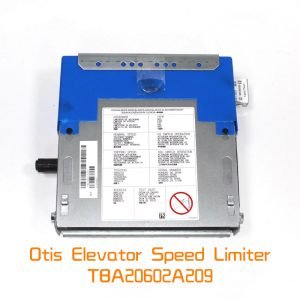
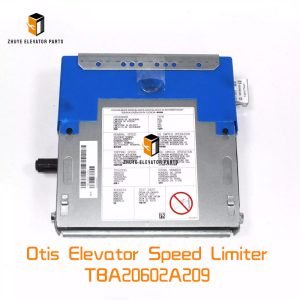
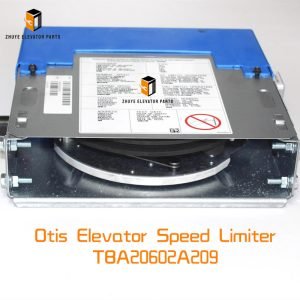
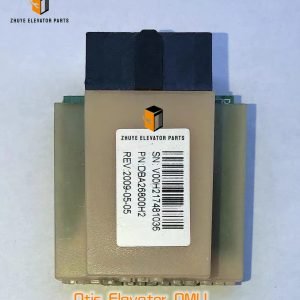
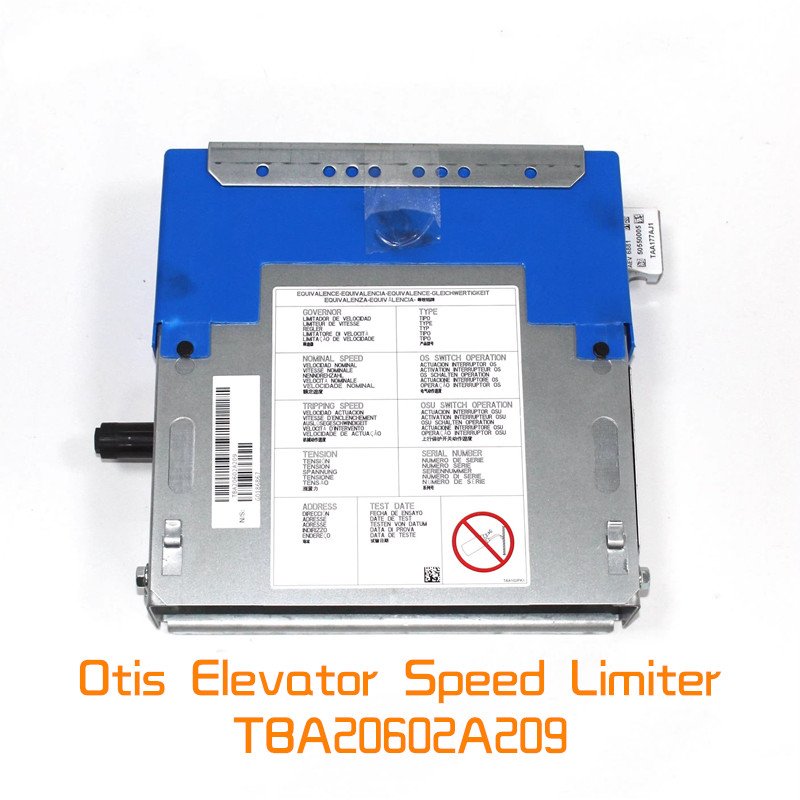
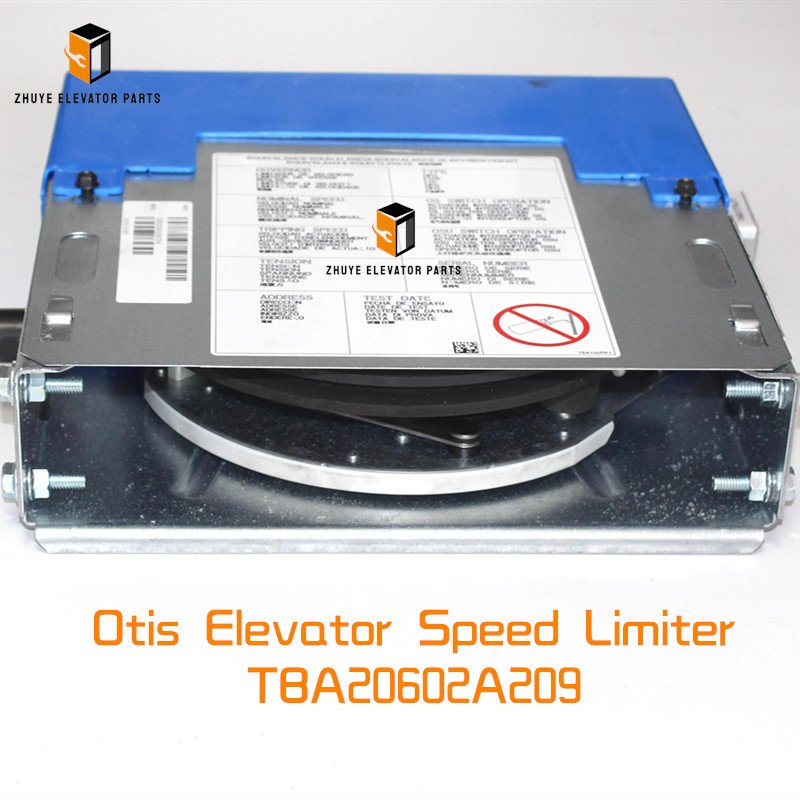
Otis Elevator Speed Limiter TBA20602A209 Brief Introduction
|
Product Name |
Otis Elevator Speed Limiter |
| Model Number | TBA20602A209 |
|
Quality
|
Original.Brand New
|
|
Payment
|
T/T. Paypal. Western Union
|
|
Delivery
|
3-5 Working Days
|
|
Packaging
|
Packed by carton
|
Otis Elevator Speed Limiter TBA20602A209: Usage Guide, Replacement Cycle & Trusted Supply from Nanjing Zhuye
The Otis Elevator Speed Limiter TBA20602A209 is a critical safety component engineered to prevent catastrophic elevator overspeed incidents—one of the most severe risks to passenger safety. As a mandatory device under global safety standards (EN 81, ASME A17.1, ISO 9001), this mechanical-electronic hybrid system monitors the elevator car’s speed in real time. When the speed exceeds 115% of the rated operational limit (typically 1.0–2.5 m/s for passenger elevators), it triggers the emergency braking system, ensuring controlled deceleration and preventing free falls. Indispensable for commercial high-rises, residential complexes, and public transit facilities, the TBA20602A209 acts as the “final safety barrier” for elevator operations. For elevator maintenance teams, property managers, and facility operators, mastering the correct usage, installation, and replacement timelines of this speed limiter is non-negotiable to uphold safety compliance and mitigate liability risks. Nanjing Zhuye Elevator Parts, a trusted supplier of authentic Otis safety components, delivers the TBA20602A209 that meets Otis’s original manufacturing specifications, guaranteeing seamless compatibility, precise speed monitoring, and long-term durability for Otis elevator systems.
Proper Usage Methods of Otis Elevator Speed Limiter TBA20602A209
1. Pre-Installation Preparation
Before installing the TBA20602A209, prioritize safety by shutting off the elevator’s main power supply, locking the hoistway access doors, and securing the control panel with a lockout tag. Inspect the speed limiter for physical damage—such as worn gears, bent shafts, damaged centrifugal clutches, corroded housings, or frayed governor ropes—defects that can impair speed-sensing accuracy or emergency activation. Nanjing Zhuye Elevator Parts conducts rigorous quality control checks, so each TBA20602A209 unit arrives in optimal condition, with calibrated internal mechanisms, intact springs, and pre-tested activation functions. Additionally, verify compatibility with your Otis elevator model by cross-referencing the technical manual or consulting Nanjing Zhuye’s technical support team—ensure the speed limiter’s rated speed range, load capacity (1000–3000 kg), and mounting dimensions match your system’s requirements.
2. Installation & Operation Steps
- Mounting the Speed Limiter:
- Locate the designated installation position in the elevator machine room—typically above the hoistway, aligned with the elevator car’s guide rails. Ensure the mounting surface is flat, level, and structurally sound (capable of withstanding 5x the device’s weight during emergency activation).
- Secure the TBA20602A209 to the mounting bracket using high-strength bolts, torquing them to the manufacturer’s recommended value (8–10 Nm) to prevent vibration-induced loosening. Align the device’s sheave with the governor rope path to ensure smooth rope movement without friction or misalignment.
- Rope Installation & Tensioning:
- Thread the governor rope (provided with the device) through the speed limiter’s sheave, around the tensioning weight (installed in the hoistway pit), and connect it to the elevator car’s safety gear linkage. Ensure the rope is properly lubricated with Otis-approved lubricant to reduce wear on the sheave and rope fibers.
- Adjust the tensioning weight to maintain the correct rope slack (5–10 mm) as specified in the technical manual. Over-tensioning can cause premature gear wear, while under-tensioning may delay speed detection and activation.
- Functional Testing:
- Conduct a static test: Manually rotate the speed limiter’s sheave to verify smooth operation and confirm the centrifugal clutch engages at the preset overspeed threshold. Check that the safety gear linkage activates without binding.
- Perform a dynamic test (by certified technicians only): Use the elevator’s test mode to simulate an overspeed condition. Ensure the speed limiter triggers the safety gear within 0.5 seconds of exceeding the rated speed, and the elevator decelerates to a stop within the maximum allowable g-force (≤1.5g for passenger elevators).
- Verify the reset function: After testing, manually reset the speed limiter and confirm it returns to normal operation. Document all test results in the elevator’s maintenance records to demonstrate compliance with safety regulations.
3. Routine Usage Maintenance
To preserve the TBA20602A209’s safety performance, implement these routine practices:
- Conduct monthly visual inspections: Check for rope wear (fraying, strand breakage), lubrication levels, loose bolts, or corrosion on the device’s housing. Replace the governor rope immediately if it shows signs of damage.
- Lubricate the speed limiter’s gears, bearings, and sheave quarterly using Otis-approved lubricant to reduce friction and prevent seizing. Avoid over-lubrication, as excess grease can attract dust and debris.
- Test the activation function semi-annually by simulating an overspeed scenario (following strict safety protocols) to confirm responsive operation. Calibrate the speed sensing mechanism if deviations from the rated threshold are detected.
- Clean the device and surrounding area annually to remove dust, debris, and oil buildup—contaminants can interfere with mechanical components and reduce performance.
Recommended Replacement Cycle
The service life of the Otis Elevator Speed Limiter TBA20602A209 depends on environmental conditions (humidity, corrosion), usage intensity, and maintenance quality. Based on industry standards and Nanjing Zhuye’s technical expertise, the following replacement guidelines are recommended:
1. Standard Replacement Cycle
Under normal operating conditions (protected machine room, regular maintenance), the TBA20602A209 should be replaced every 8–10 years. This timeframe accounts for mechanical wear (gears, springs, bearings), rope degradation, and electronic component aging—ensuring the device maintains precise speed sensing and reliable activation. Proactive replacement is critical, as a failed speed limiter can render the emergency braking system inoperable during an overspeed incident.
2. Signs That Require Immediate Replacement
Replace the speed limiter immediately if you encounter any of the following issues:
- Failure to trigger the safety gear during overspeed testing, even after adjusting the activation mechanism or replacing the governor rope.
- Excessive rope wear (more than 10% of rope diameter reduction) or frequent rope breakage, indicating structural weakness.
- Physical damage: Cracked housing, bent shafts, seized gears, or corrosion that penetrates the internal components.
- Inability to calibrate the speed sensing mechanism to meet safety standards (e.g., activation threshold exceeds 120% of rated speed).
- Unusual mechanical noises (grinding, squealing) during operation, indicating internal component damage.
3. Maintenance to Extend Service Life
To maximize the TBA20602A209’s lifespan:
- Keep the machine room at a stable temperature (10–35°C) and low humidity (30–60%) to prevent corrosion and lubricant degradation.
- Apply anti-corrosion coating to the device’s external surfaces annually (if installed in harsh environments with high humidity or chemical exposure).
- Replace the governor rope every 3–5 years, regardless of visible wear, to ensure optimal performance and reduce strain on the speed limiter’s sheave.
- Use only genuine replacement parts and lubricants from Nanjing Zhuye—counterfeit products can compromise safety, void certifications, and lead to premature failure.
Why Choose Nanjing Zhuye Elevator Parts?
When sourcing the Otis Elevator Speed Limiter TBA20602A209, Nanjing Zhuye Elevator Parts offers unmatched advantages for safety-focused professionals:
- Authenticity & Compliance: All TBA20602A209 speed limiters are manufactured to Otis’s original specifications, ensuring seamless compatibility with Otis elevator systems and adherence to global safety standards (EN 81, ASME A17.1, ISO 9001).
- Strict Quality Assurance: Each unit undergoes rigorous testing—including speed accuracy calibration, load capacity verification, durability simulations, and corrosion resistance checks—to guarantee reliable performance in critical emergency scenarios.
- Expert Technical Support: Nanjing Zhuye’s certified engineers provide 24/7 assistance, from installation guidance and testing protocols to troubleshooting mechanical/electronic issues, ensuring the device meets safety requirements.
- Global Efficient Delivery: With a robust supply chain and logistics network, Nanjing Zhuye delivers orders promptly worldwide, minimizing downtime during replacement and keeping your elevators compliant.
- Competitive Pricing: By eliminating middlemen, Nanjing Zhuye offers cost-effective solutions without compromising quality, helping you maintain safety standards while controlling maintenance costs.
Conclusion
The Otis Elevator Speed Limiter TBA20602A209 is a non-negotiable safety component that protects passengers from catastrophic overspeed incidents. By following proper installation and maintenance methods, adhering to recommended replacement cycles, and partnering with a trusted supplier like Nanjing Zhuye Elevator Parts, you can ensure your Otis elevators remain compliant, reliable, and safe. Whether you need a replacement speed limiter, technical support, or bulk orders for a building fleet, Nanjing Zhuye is committed to delivering premium safety components and professional services tailored to your needs. Invest in passenger safety—choose Nanjing Zhuye Elevator Parts for your Otis TBA20602A209 speed limiter requirements.