Description
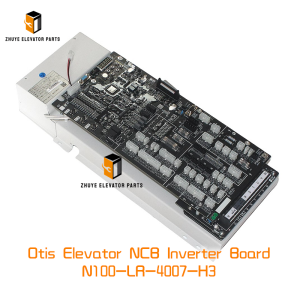
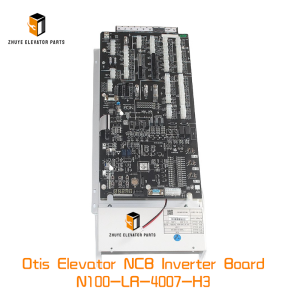
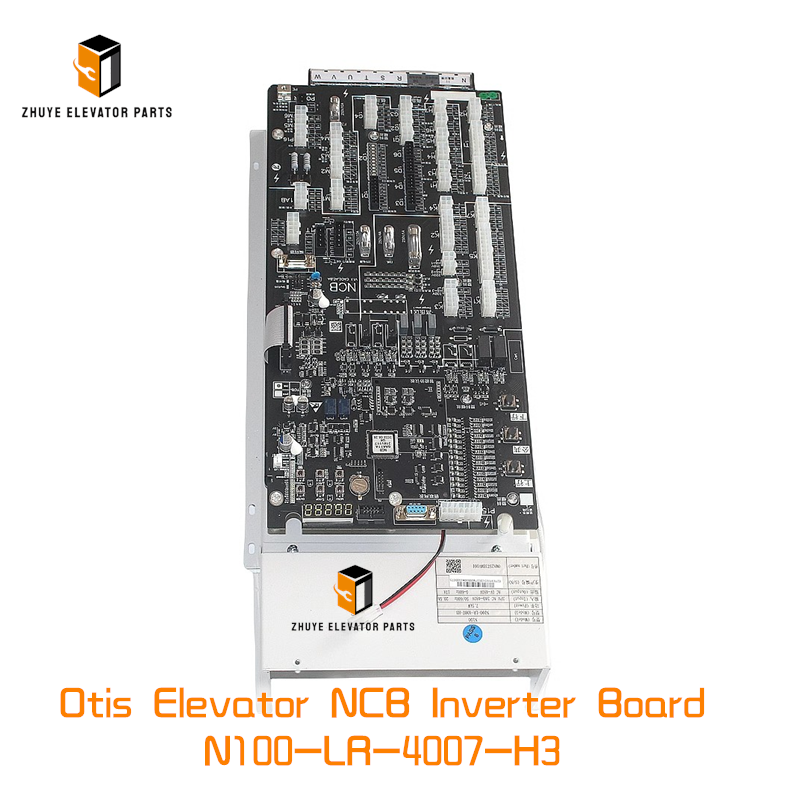
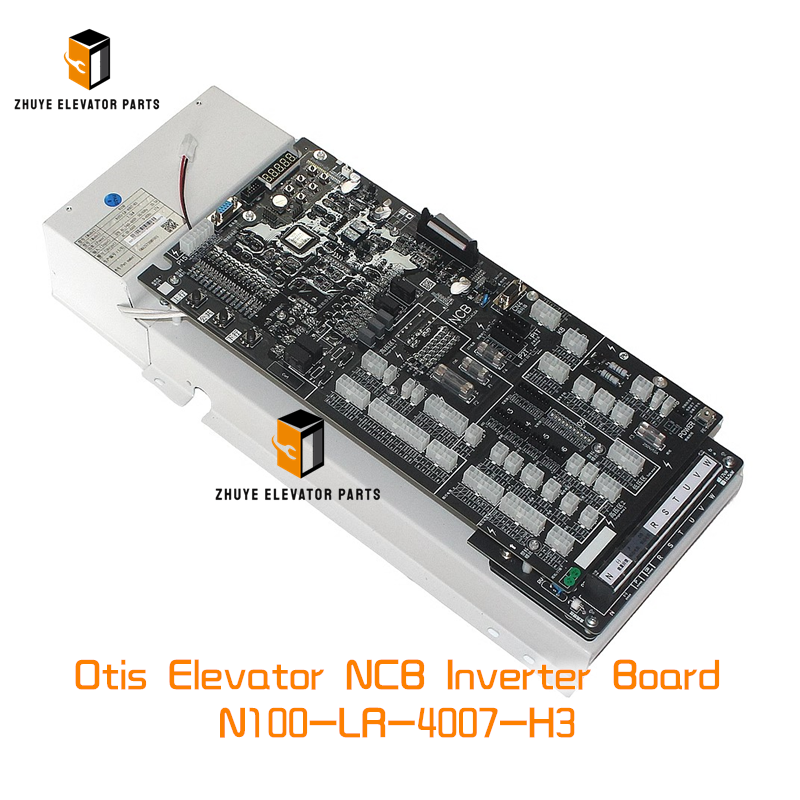
Otis Elevator NCB Inverter Board N100-LR-4007-H3 Brief Introduction
|
Product Name |
Otis Elevator NCB Inverter Board |
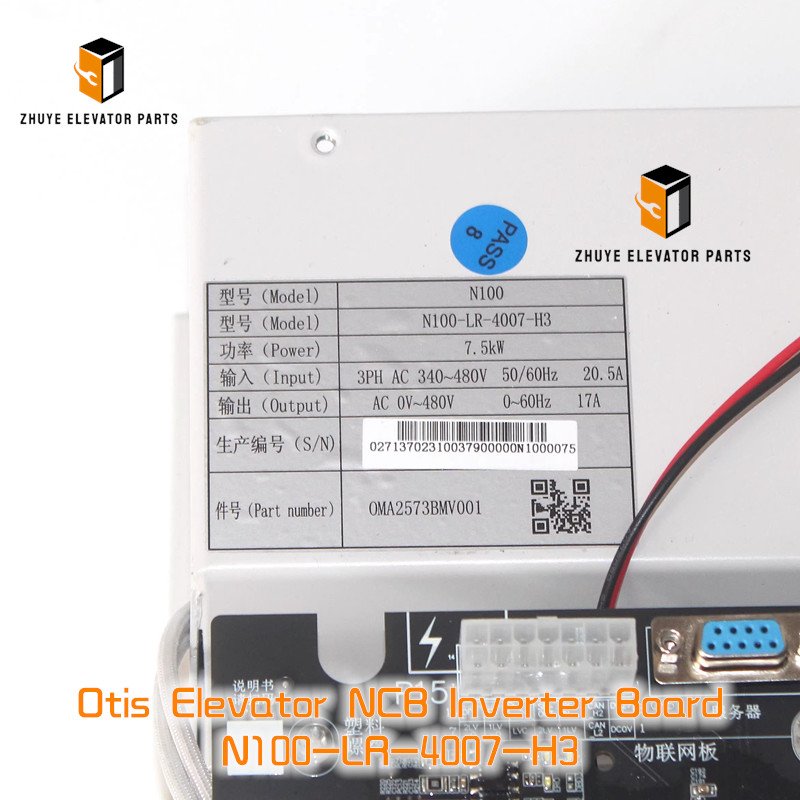
| Model Number | N100-LR-4007-H3
OMA2573BMV001 |
|
Quality
|
Original.Brand New
|
|
Payment
|
T/T. Paypal. Western Union
|
|
Delivery
|
3-5 Working Days
|
|
Packaging
|
Packed by carton
|
Otis Elevator NCB Inverter Board N100-LR-4007-H3: Usage Guide, Replacement Cycle & Trusted Supply from Nanjing Zhuye
The Otis Elevator NCB Inverter Board N100-LR-4007-H3 is a critical electronic component exclusively designed for Otis NCB series inverters—widely used in mid-to-high capacity elevator traction systems. As the “control core” of the NCB inverter, this board regulates voltage and frequency supplied to the elevator’s main traction motor, enabling smooth acceleration, deceleration, and speed adjustment while optimizing energy efficiency. Compliant with global standards (EN 81, ASME A17.1, IEC 61800, ISO 9001), it integrates advanced IGBT modules, protective circuits, and real-time control algorithms to ensure stable performance in commercial buildings, high-rises, and public transit facilities. For elevator maintenance teams, property managers, and facility operators, mastering the correct usage, installation, and replacement timelines of the N100-LR-4007-H3 is vital to minimize system downtime, avoid motor damage, and uphold safety compliance. Nanjing Zhuye Elevator Parts, a trusted supplier of authentic Otis components, delivers the N100-LR-4007-H3 that meets Otis’s original manufacturing specifications, guaranteeing seamless compatibility with NCB inverters, precise power regulation, and long-term durability.
Proper Usage Methods of Otis Elevator NCB Inverter Board N100-LR-4007-H3
1. Pre-Installation Preparation
Before installing the N100-LR-4007-H3, prioritize safety by shutting off the elevator’s main power supply and securing the NCB inverter cabinet with a lockout tag to prevent electrical shock. Inspect the inverter board for physical damage—such as bent pins, cracked circuit traces, loose connectors, or burn marks on IGBT modules—defects that can cause short circuits, overcurrent faults, or motor malfunctions. Nanjing Zhuye Elevator Parts conducts rigorous quality control checks, so each N100-LR-4007-H3 unit arrives in optimal condition, with intact power components, calibrated sensors, and pre-loaded NCB firmware. Additionally, verify compatibility with your Otis NCB inverter model by cross-referencing the technical manual or consulting Nanjing Zhuye’s technical support team—ensure the board’s voltage rating (typically 380V AC input, 0–380V AC output), current capacity, and firmware version match your system’s requirements.
2. Installation & Operation Steps
- Cabinet Preparation:
- Access the NCB inverter cabinet (located in the elevator machine room) and locate the designated slot marked “Inverter Control Board” or “N100-LR-4007-H3.”
- Clean the slot’s backplane connectors with compressed air (low pressure) to remove dust, debris, or oxidation—contaminants that can cause poor contact or signal interference.
- Board Installation:
- Align the N100-LR-4007-H3 with the slot’s guide rails, ensuring the edge connectors align perfectly with the cabinet’s backplane. Insert the board firmly until it clicks into place—do not force the board, as this can bend pins or damage power components.
- Secure the board with the provided locking screws (torque to 0.6–0.9 Nm) to prevent vibration-induced loosening during elevator operation, which can disrupt power regulation.
- Wiring & Parameter Configuration:
- Follow the wiring diagram provided by Otis or Nanjing Zhuye to connect the board to the main power supply, traction motor, and elevator main controller:
- Connect the three-phase input wires (L1, L2, L3) to the board’s power terminals, ensuring proper phase alignment and tight crimp connections to prevent arcing.
- Attach the motor output wires (U, V, W) to the corresponding terminals, matching the motor’s phase configuration (refer to the motor nameplate).
- Connect signal wires for speed sensors, current transducers, and the main controller to enable real-time data exchange.
- Power on the inverter cabinet and access the board’s configuration menu via Otis-approved diagnostic software:
- Load default parameters for your elevator model (provided by Nanjing Zhuye or Otis) or restore parameters from a backup (if replacing an old board).
- Set critical parameters: rated motor speed, acceleration/deceleration time, overcurrent protection threshold, and energy-saving modes.
- Follow the wiring diagram provided by Otis or Nanjing Zhuye to connect the board to the main power supply, traction motor, and elevator main controller:
- Functional Testing:
- Conduct a comprehensive test sequence (by certified technicians only):
- Operate the elevator through ascending/descending cycles to verify smooth speed transitions—no jitter, sudden surges, or unusual motor noise.
- Test load capacity performance by running the elevator with simulated full load to confirm the board maintains stable current output.
- Monitor the board’s temperature and voltage/current readings during a 2-hour continuous operation—ensure no overheating (max operating temp ≤80°C) or parameter drift.
- Verify protective functions by simulating overcurrent or overvoltage scenarios—ensure the board triggers a safe shutdown to prevent motor damage.
- Conduct a comprehensive test sequence (by certified technicians only):
3. Routine Usage Maintenance
To preserve the N100-LR-4007-H3’s performance, implement these routine practices:
- Conduct monthly visual inspections: Check for dust accumulation on the board, loose wiring, or signs of overheating (e.g., discolored components, burning odors). Use compressed air to clean the board and inverter cabinet.
- Test inverter functionality quarterly using diagnostic software—verify parameter stability, motor control accuracy, and protective function responsiveness. Document results in maintenance records.
- Inspect wiring connections semi-annually for corrosion, wear, or looseness; tighten terminals or replace damaged cables with genuine Otis parts from Nanjing Zhuye.
- Update firmware annually (as recommended by Otis or Nanjing Zhuye) to address bugs, enhance compatibility with system upgrades, and improve control algorithm efficiency.
Recommended Replacement Cycle
The service life of the Otis Elevator NCB Inverter Board N100-LR-4007-H3 depends on operating conditions (power stability, temperature, load intensity), and maintenance quality. Based on industry standards and Nanjing Zhuye’s technical expertise, the following replacement guidelines are recommended:
1. Standard Replacement Cycle
Under normal operating conditions (12–18 hours of daily use, regular maintenance, stable power supply), the N100-LR-4007-H3 should be replaced every 6–8 years. This timeframe accounts for gradual degradation of power components (IGBT modules, capacitors), connector wear, and firmware obsolescence—ensuring the board maintains precise power regulation and compatibility with NCB inverter systems. Proactive replacement reduces the risk of sudden inverter failure, which can lead to costly elevator downtime and safety hazards.
2. Signs That Require Immediate Replacement
Replace the inverter board immediately if you encounter any of the following issues:
- Inverter faults: Persistent overcurrent, overvoltage, or communication errors that cannot be resolved by parameter resets or wiring checks.
- Motor control malfunctions: Erratic elevator movement, uneven speed, delayed acceleration, or failure to reach rated speed.
- Physical damage: Cracked circuit board, burnt IGBT modules, water intrusion, or corrosion that affects power components.
- Unusual noises: Buzzing, clicking, or sparking from the inverter cabinet—indicative of internal component failure.
- Firmware incompatibility: Inability to update firmware or integrate with elevator system upgrades—older boards may lack support for new safety features.
3. Maintenance to Extend Service Life
To maximize the N100-LR-4007-H3’s lifespan:
- Maintain the NCB inverter cabinet at a stable temperature (15–30°C) and low humidity (30–60%) to prevent component corrosion and capacitor degradation.
- Protect the board from power surges by installing industrial-grade surge protectors in the main power line.
- Ensure the traction motor and mechanical system are properly maintained (e.g., lubricated bearings, aligned rails) to reduce load on the inverter board.
- Use only genuine replacement parts and accessories from Nanjing Zhuye for repairs, as counterfeit boards may have inferior power components, incorrect wiring, or compatibility issues with NCB systems.
Why Choose Nanjing Zhuye Elevator Parts?
When sourcing the Otis Elevator NCB Inverter Board N100-LR-4007-H3, Nanjing Zhuye Elevator Parts offers unmatched advantages for elevator professionals:
- Authenticity & Compatibility: All N100-LR-4007-H3 boards are manufactured to Otis’s original specifications, ensuring seamless integration with NCB inverter systems and adherence to global safety/electronic standards.
- Strict Quality Assurance: Each unit undergoes rigorous testing—including power regulation accuracy, load capacity verification, temperature resistance, and durability simulations—to guarantee reliable performance in critical traction control scenarios.
- Expert Technical Support: Nanjing Zhuye’s certified engineers provide 24/7 assistance, from parameter configuration and firmware updates to troubleshooting inverter faults, ensuring the board operates optimally with NCB systems.
- Global Efficient Delivery: With a robust supply chain and logistics network, Nanjing Zhuye delivers specialized NCB components promptly worldwide, minimizing elevator downtime during replacement.
- Competitive Pricing: By eliminating middlemen, Nanjing Zhuye offers cost-effective solutions without compromising quality, helping you reduce maintenance costs while maintaining safety and operational efficiency for NCB-equipped elevators.
Conclusion
The Otis Elevator NCB Inverter Board N100-LR-4007-H3 is a foundational component that directly impacts elevator traction performance, energy efficiency, and safety. By following proper usage and installation methods, adhering to recommended replacement cycles, and partnering with a trusted supplier like Nanjing Zhuye Elevator Parts, you can ensure your Otis NCB elevators remain compliant, downtime-free, and reliable. Whether you need a replacement board, technical support, or bulk orders for an NCB fleet, Nanjing Zhuye is committed to delivering premium electronic components and tailored professional services. Invest in NCB system integrity—choose Nanjing Zhuye Elevator Parts for your Otis N100-LR-4007-H3 NCB inverter board requirements.