

Description
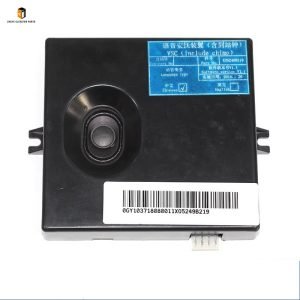
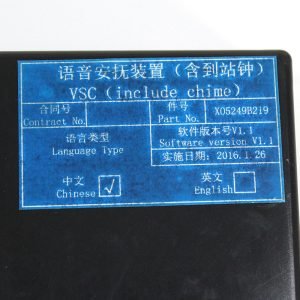
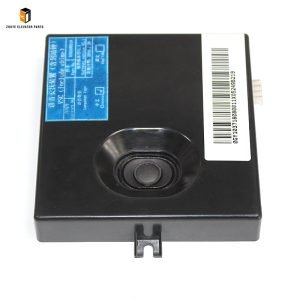
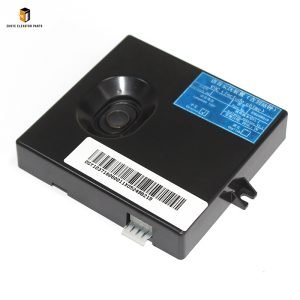
Otis Elevator Lifts VSC Device Voice Announcer XO5249B219 Brief Introduction
|
Product Name |
Otis Elevator Lifts VSC Device Voice Announcer |
| Model Number | XO5249B219 |
|
Quality
|
Original.Brand New
|
|
Payment
|
T/T. Paypal. Western Union
|
|
Delivery
|
3-5 Working Days
|
|
Packaging
|
Packed by carton
|
Otis Elevator Lifts VSC Device Voice Announcer XO5249B219: Usage Guide, Replacement Cycle & Trusted Supply from Nanjing Zhuye
The Otis Elevator Lifts VSC Device Voice Announcer XO5249B219 is a mission-critical accessibility and user-experience component exclusively engineered for Otis elevator systems—including GEN2, SPBC-II, LCB-II, and Sigma platforms—essential for residential complexes, commercial buildings, hospitals, airports, and public facilities worldwide. As the “audio guide” of the elevator, this voice announcer delivers clear, real-time verbal notifications to passengers: announcing floor numbers, door opening/closing status, directional prompts (up/down), and safety alerts (e.g., “Please hold the handrail,” “Overload—please exit”). It integrates Otis’ proprietary high-fidelity audio technology, multi-language support (up to 16 languages), and volume-adjustable output—upholding the brand’s strict standards for clarity, accessibility, and user-centric design.
Compliant with global accessibility and elevator safety standards (EN 81-70, ASME A17.1, ADA, ISO 9001), the XO5249B219 features a rugged, user-friendly design: noise-canceling speakers (ensures clarity in high-traffic environments), dustproof and moisture-resistant housing (IP44 rating), low-power consumption (reduces energy usage), and vibration-resistant mounting—critical for assisting visually impaired passengers, reducing anxiety, and ensuring universal accessibility. This construction withstands 24/7 operation in elevator cars or hallways, enduring temperature fluctuations (-10°C to +55°C), mechanical vibration, and ambient noise—critical for maintaining effective communication and regulatory compliance. For maintenance teams, facility managers, and elevator service providers, mastering proper installation, configuration, and replacement timelines is vital to ensuring accessibility, user satisfaction, and safety. Nanjing Zhuye Elevator Parts, a trusted supplier of authentic Otis components, delivers the XO5249B219 that meets Otis’ original manufacturing specifications—guaranteeing seamless compatibility, clear audio performance, and long-term reliability.
Proper Usage Methods of Otis XO5249B219 VSC Voice Announcer
1. Pre-Installation Preparation
Before installation or replacement, prioritize safety by shutting off the elevator’s main power supply, engaging the emergency stop button, and securing the work area (elevator car interior or hall call panel) with warning signs and lockout-tagout (LOTO) devices. Inspect the new XO5249B219 for physical damage—cracked housing, damaged speakers, loose wiring terminals, or broken mounting clips—defects that can affect audio clarity or cause electrical hazards. Nanjing Zhuye’s strict quality control process ensures each unit arrives in optimal condition: intact speakers, functional audio circuits, secure wiring connections, and pre-loaded language packs.
Verify compatibility with your Otis elevator model by cross-referencing the technical manual or consulting Nanjing Zhuye’s technical support team. Ensure three key details align: (1) the voltage requirement (typically 24V DC, compatible with Otis control system power) matches the elevator’s electrical setup, (2) the communication protocol is compatible with the elevator’s main control board (e.g., SPBC-II GCA26800NB4, LCB-II GFA21240D1), and (3) the mounting dimensions (standard 120x80x30mm) fit the car interior or hall panel cutout. Using an incompatible voice announcer can cause audio distortion, non-synchronized notifications, or communication failures with the main control system. Additionally, prepare the installation area: Clean the mounting location to remove dust and debris, disconnect the old announcer’s wiring (label power and signal cables for easy reinstallation), and gather necessary tools (screwdriver set, wire strippers, electrical tape).
2. Installation & Configuration Steps
- Mounting the Announcer: Align the XO5249B219 with the mounting cutout in the elevator car ceiling/wall or hall call panel, ensuring the speaker faces the passenger area for optimal audio coverage. Secure the unit using the provided screws or clips (torque to 0.5–0.8 Nm) to prevent vibration-induced movement. Avoid mounting near loud components (e.g., fans, motors) or blocking the speaker grille—preserves audio clarity.
- Wiring & Connection: Connect the power cables (24V DC ±10%) to the announcer’s positive (+) and negative (-) terminals, and the signal cable to the elevator’s main control board—following Otis’ wiring schematic exactly. Ensure secure connections to avoid audio dropouts or electrical interference. Label cables during old unit removal to ensure correct polarity and signal alignment.
- Configuration & Testing: Restore power to the elevator (performed exclusively by certified Otis technicians) and configure the announcer via Otis’ diagnostic software (e.g., OTIS Service Tool):
- Language Selection: Choose the required languages (e.g., English, Spanish, Mandarin) based on building usage and accessibility needs.
- Volume Calibration: Adjust the output volume (typically 60–85 dB) to ensure clarity without causing discomfort—test in both quiet and busy environments.
- Function Test: Operate the elevator through multiple floors to verify synchronized notifications: floor number announcements, door opening/closing prompts, and safety alerts. Confirm no audio distortion or delay.
Document configuration settings, installation details, and test results in maintenance records to track performance and compliance.
3. Routine Usage Maintenance
To preserve the XO5249B219’s audio quality and extend its lifespan, implement proactive maintenance practices tailored to audio components:
- Daily Visual Inspections: Check the announcer for loose wiring, physical damage, or blocked speaker grilles (dust/debris buildup). Verify audio output is clear during elevator operation—no static, distortion, or missing notifications.
- Weekly Cleaning: Wipe the speaker grille and housing with a soft, damp cloth to remove dust and fingerprints—maintains audio clarity and prevents debris from entering the unit. Avoid using abrasive cleaners or solvents.
- Monthly Function Test: Trigger all notification types (floor numbers, door status, safety alerts) to confirm full functionality. Test volume levels and language settings to ensure consistency.
- Quarterly Wiring Check: Inspect power and signal cables for fraying, insulation damage, or corrosion—tighten terminals or replace cables with genuine Otis-compatible wires from Nanjing Zhuye if needed.
- Semi-Annual Audio Calibration: Use a sound level meter to verify volume remains within the optimal 60–85 dB range. Reconfigure language settings or volume if adjustments are required due to environmental changes.
Recommended Replacement Cycle
The service life of the Otis XO5249B219 VSC Voice Announcer depends on usage intensity (daily elevator cycles, ambient noise levels), environmental conditions, and maintenance quality. Based on Otis’ engineering standards and Nanjing Zhuye’s technical expertise:
1. Standard Replacement Cycle
Under normal operating conditions (12–18 hours daily use, regular cleaning, ambient temperature -10°C to +55°C), the XO5249B219 should be replaced every 5–7 years. This timeframe aligns with the typical lifespan of high-fidelity speakers and audio circuits in elevator applications, ensuring proactive replacement before audio clarity degrades or components fail.
2. Signs That Require Immediate Replacement
Replace the voice announcer immediately if:
- Audio Issues: Sound is distorted, muffled, or inaudible; notifications are delayed or missing; or static/interference persists—compromises accessibility and user experience.
- Function Failure: Fails to announce floor numbers, door status, or safety alerts; language settings reset unexpectedly; or volume cannot be adjusted.
- Physical Damage: Cracked housing, broken speaker grille, or exposed internal components—poses electrical hazards and reduces audio performance.
- Communication Errors: The main control board displays “Voice Announcer Communication Loss” or similar faults that cannot be resolved by wiring checks or reconfiguration.
- Regulatory Non-Compliance: Fails accessibility inspections due to unclear audio or missing notifications—violates EN 81-70, ADA, or ASME A17.1 standards.
3. Maintenance to Extend Service Life
- Environmental Control: Protect the announcer from extreme temperatures, moisture, or direct sunlight—install protective covers for outdoor-facing hall panels. Avoid exposing the unit to harsh cleaning chemicals.
- Power Stabilization: Ensure the elevator’s electrical system is equipped with surge protectors—prevents voltage spikes from damaging audio circuits.
- Speaker Care: Keep the speaker grille free of debris and avoid physical impact—preserves audio clarity and prevents speaker damage.
- Genuine Parts Only: Use exclusively authentic Otis XO5249B219 voice announcers from Nanjing Zhuye. Counterfeit units use low-quality speakers, lack multi-language support, and fail to meet accessibility standards.
Why Choose Nanjing Zhuye Elevator Parts for Otis XO5249B219?
When sourcing a critical accessibility component like the Otis voice announcer, Nanjing Zhuye offers unmatched advantages for safety and user-centric professionals:
- Authenticity & Compatibility: All units are genuine Otis components, ensuring seamless integration with Otis elevator systems and main control boards—eliminating audio synchronization or communication issues.
- Strict Quality Assurance: Each announcer undergoes rigorous testing (audio clarity, language functionality, durability) to meet Otis’ original manufacturing and accessibility standards.
- Expert Technical Support: Certified engineers provide 24/7 assistance for installation, configuration, troubleshooting, and compatibility verification—even for legacy Otis models.
- Global Efficient Delivery: Fast shipping minimizes downtime, critical for maintaining accessibility and user satisfaction in residential, commercial, and public facilities.
- Competitive Pricing: Direct sourcing from Otis’ authorized channels eliminates middlemen, offering cost-effective solutions without compromising audio quality or accessibility compliance.
Conclusion
The Otis Elevator Lifts VSC Device Voice Announcer XO5249B219 is a foundational accessibility component that enhances user experience, supports visually impaired passengers, and ensures regulatory compliance. By following proper installation, configuration, and maintenance practices—paired with Nanjing Zhuye Elevator Parts’ authentic components—you can maintain clear audio communication, uphold accessibility standards, and optimize passenger satisfaction. Whether you need a single replacement announcer, bulk orders for a building fleet, or technical support for maintenance teams, Nanjing Zhuye delivers premium Otis components and tailored professional services. Invest in elevator accessibility and user experience—choose Nanjing Zhuye Elevator Parts for your XO5249B219 VSC voice announcer requirements.