


Description
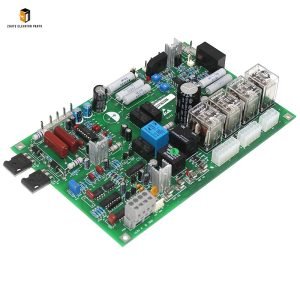
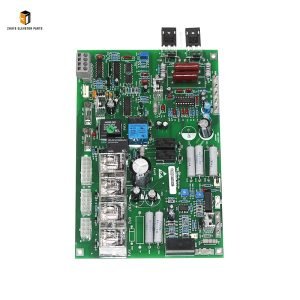
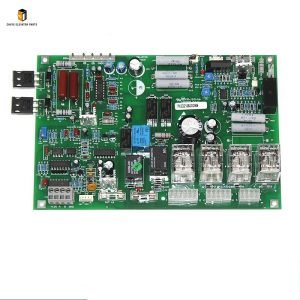
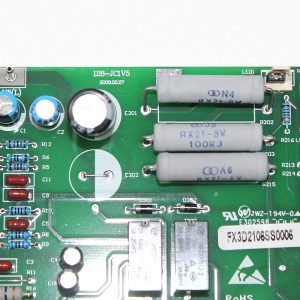
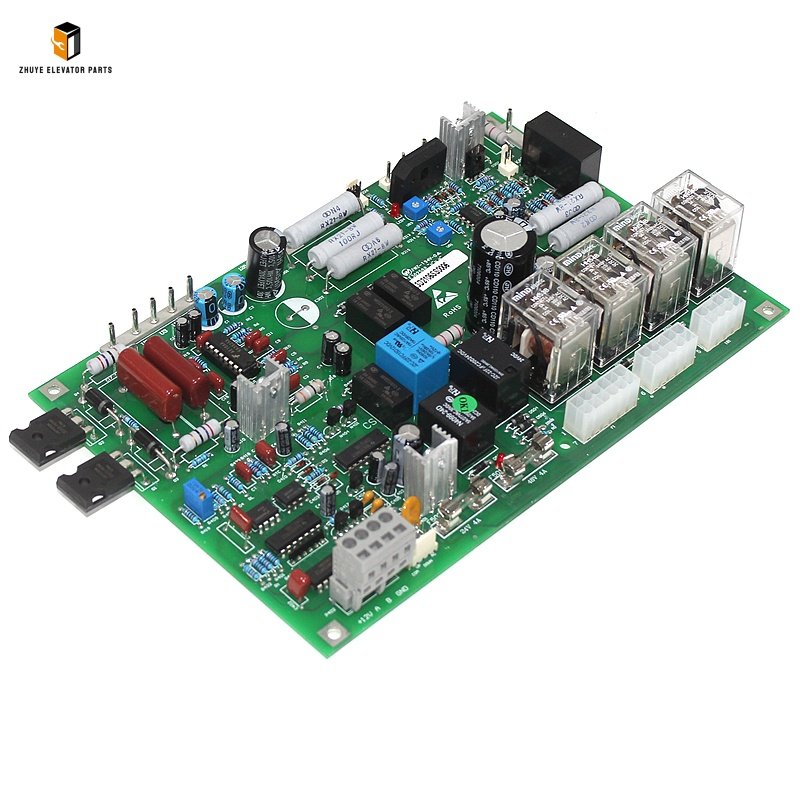
Otis elevator evacuation device flat rescue board 128-JC1V5 Brief Introduction
|
Product Name |
Otis elevator evacuation device flat rescue board 128-JC1V5 |
| Model Number | 128-JC1V5 |
|
Quality
|
Original.Brand New
|
|
Payment
|
T/T. Paypal. Western Union
|
|
Delivery
|
3-5 Working Days
|
|
Packaging
|
Packed by carton
|
Otis Elevator Evacuation Device Flat Rescue Board 128-JC1V5: Usage Guide, Replacement Cycle & Trusted Supply from Nanjing Zhuye
The Otis Elevator Evacuation Device Flat Rescue Board 128-JC1V5 is a life-critical safety component exclusively engineered for Otis elevator systems—essential for commercial high-rises, residential complexes, office buildings, and public transit facilities worldwide. As the core of Otis’ emergency evacuation system (compatible with GEN2, Sigma, and Series 300 elevators), this rescue board enables controlled, safe evacuation when elevators stall due to power outages, system malfunctions, or emergency situations (e.g., fire, earthquake). It integrates Otis’ proprietary emergency power conversion technology, one-touch rescue activation, and real-time status monitoring—ensuring the elevator car moves to the nearest flat floor, unlocks doors automatically, and alerts passengers via audio-visual prompts, all while upholding the brand’s strict safety standards (EN 81-20, ASME A17.1) for emergency evacuation.
Compliant with global elevator safety and emergency standards (EN 81-20/50, ASME A17.1, ISO 9001), the 128-JC1V5 features a rugged, fail-safe design: flame-retardant ABS housing (UL94 V0 rating), waterproof and dustproof terminals (IP54 rating), backup power integration (compatible with 24V DC emergency batteries), and anti-interference circuitry to resist electromagnetic disruptions. This construction withstands harsh emergency conditions, enduring temperature fluctuations (-10°C to +60°C), voltage surges, and physical impact—critical for ensuring functionality when lives depend on it. For maintenance teams, facility managers, and safety officers, mastering proper installation, testing, and replacement timelines is not just regulatory compliance but a moral imperative to protect passenger safety. Nanjing Zhuye Elevator Parts, a trusted supplier of authentic Otis safety components, delivers the 128-JC1V5 that meets Otis’ original manufacturing specifications—guaranteeing seamless compatibility, reliable emergency activation, and long-term fail-safe performance.
Proper Usage Methods of Otis 128-JC1V5 Flat Rescue Board
1. Pre-Installation Preparation
Before installation, prioritize safety by shutting off the elevator’s main power supply, engaging the emergency stop button, and securing the work area (machine room or elevator control cabinet) with warning signs and lockout-tagout (LOTO) devices. Inspect the new 128-JC1V5 for physical damage—cracked housing, bent terminals, loose internal components, or damaged wiring harnesses—defects that could render the device inoperable during an emergency. Nanjing Zhuye’s strict quality control process ensures each unit arrives in optimal condition: intact housing, secure terminals, functional emergency triggers, and pre-tested power conversion performance.
Verify compatibility with your Otis elevator model by cross-referencing the technical manual or consulting Nanjing Zhuye’s technical support team. Ensure three key details align: (1) the board’s emergency power requirements (24V DC) match the elevator’s backup battery system, (2) the mounting dimensions fit the control cabinet’s designated slot, and (3) the communication protocol is compatible with the elevator’s main controller. Using an incompatible rescue board can prevent emergency evacuation, violate safety regulations, and expose facilities to liability. Additionally, prepare the installation area: Clean the control cabinet slot, ensure unobstructed access to the rescue board’s activation button (if external), and verify the emergency battery is fully charged and in good condition.
2. Installation & Configuration Steps
- Board Installation:
- Align the 128-JC1V5 with the guide rails in the control cabinet and slide it into place until fully seated. Secure the board with the provided retaining screws (torque to 0.8–1.2 Nm) to prevent vibration-induced movement—over-tightening can damage the PCB or terminals. Ensure the board’s status LED (power/ready indicator) is visible for quick visual checks.
- If replacing an old rescue board, disconnect the existing unit by labeling and removing all wiring (power input, controller communication, door unlock signal, audio-visual alert connections). Take detailed photos of the wiring configuration to ensure accurate reinstallation—incorrect wiring is the most common cause of emergency system failure.
- Wiring & Connection:
- Connect the 24V DC emergency battery cables to the board’s power input terminals (positive +/negative –), following Otis’ wiring schematic. Connect the communication cable to the elevator’s main controller to enable real-time status updates and flat floor positioning. Wire the door unlock signal cable to the door operator system and the audio-visual alert cable to the elevator car’s emergency announcement speaker and indicator light.
- Post-Installation Testing:
- Restore power to the elevator (performed by certified Otis technicians only) and conduct three critical emergency tests to validate functionality:
- Power Outage Simulation: Cut main power to trigger the rescue board—verify the elevator moves to the nearest flat floor, doors unlock automatically, and audio-visual alerts activate (e.g., “Elevator is evacuating. Please exit carefully.”).
- Manual Activation Test: Press the rescue board’s manual activation button (or remote trigger) to confirm the same sequence: flat floor positioning, door unlocking, and alert activation.
- Battery Backup Test: Disconnect the emergency battery to ensure the board triggers a low-battery alert (visible/audible) and logs a fault in the controller—confirming self-monitoring functionality.
- Document installation details, test results, and battery health status in maintenance records to demonstrate compliance with safety regulations (e.g., annual emergency system inspections).
- Restore power to the elevator (performed by certified Otis technicians only) and conduct three critical emergency tests to validate functionality:
3. Routine Usage Maintenance
To ensure the 128-JC1V5 is always ready for emergency use, implement these proactive maintenance practices—critical for safety components that may sit idle for months but must perform flawlessly when needed:
- Daily Visual Inspections: Check the board’s status LED (green = ready, red = fault) and ensure no physical damage or loose wiring. Verify the emergency battery’s charge indicator (if separate) shows full power.
- Monthly Activation Test: Perform a manual activation test (without passengers) to confirm the rescue sequence functions correctly. This prevents component degradation from prolonged inactivity (e.g., stuck relays, corroded terminals).
- Quarterly Battery Check: Test the emergency battery’s capacity using a load tester—replace the battery if capacity drops below 80% of rated output (per Otis recommendations). Clean battery terminals to prevent corrosion.
- Semi-Annual Wiring Inspection: Tighten all terminal screws and inspect wiring for fraying, corrosion, or damage. Replace compromised wires with genuine Otis-compatible parts from Nanjing Zhuye.
- Annual Comprehensive Test: Conduct a full emergency simulation (power outage + manual activation) in the presence of a safety inspector. Verify compliance with local safety codes and update maintenance records with inspection certifications.
Recommended Replacement Cycle
The service life of the Otis 128-JC1V5 Flat Rescue Board depends on environmental conditions, battery maintenance, and usage frequency of emergency tests. Based on Otis’ safety standards and Nanjing Zhuye’s technical expertise:
1. Standard Replacement Cycle
Under normal operating conditions (regular maintenance, ambient temperature -10°C to +60°C, annual testing), the 128-JC1V5 should be replaced every 5–6 years. This timeframe aligns with the typical lifespan of emergency system components (e.g., internal relays, capacitors) and ensures compliance with safety regulations that mandate periodic replacement of critical evacuation devices.
2. Signs That Require Immediate Replacement
Replace the rescue board immediately if any of the following issues are detected—delays can compromise passenger safety:
- Emergency Failure: The board fails to trigger evacuation during testing (no flat floor movement, door unlocking, or alerts).
- Persistent Faults: The status LED shows a fault code that cannot be resolved by battery replacement or wiring checks.
- Physical Damage: Cracked housing, water intrusion, or burned terminals—indicating internal component failure.
- Battery Compatibility Issues: The board cannot charge the emergency battery or triggers false low-battery alerts.
- Regulatory Non-Compliance: The board fails annual safety inspections due to outdated components or degraded performance.
3. Maintenance to Extend Service Life
- Environmental Control: Keep the control cabinet clean, dry, and well-ventilated. Protect the board from extreme temperatures, humidity (>80%), and dust—install a dehumidifier if needed.
- Battery Maintenance: Replace the emergency battery every 2–3 years (regardless of charge status) to ensure reliable backup power. Use only Otis-approved or Nanjing Zhuye-recommended batteries.
- Minimize Unnecessary Activation: Avoid frequent manual activation (beyond scheduled tests) to reduce wear on relays and door unlock mechanisms.
- Genuine Parts Only: For replacements, use exclusively authentic Otis 128-JC1V5 rescue boards from Nanjing Zhuye. Counterfeit units lack Otis’ fail-safe design, may not comply with safety standards, and risk fatal consequences during emergencies.
Why Choose Nanjing Zhuye Elevator Parts for Otis 128-JC1V5?
When sourcing a life-critical component like the Otis 128-JC1V5 evacuation rescue board, Nanjing Zhuye offers unmatched advantages for safety-focused facility managers and maintenance teams:
- Authenticity & Safety Compliance: All units are genuine Otis components, fully compliant with EN 81-20/50 and ASME A17.1 standards—eliminating regulatory risks.
- Strict Quality Assurance: Each board undergoes rigorous emergency function testing, battery compatibility checks, and durability assessments to meet Otis’ safety specifications.
- Expert Technical Support: Certified engineers provide 24/7 assistance for installation, testing, and troubleshooting—ensuring the rescue system is always emergency-ready.
- Global Efficient Delivery: Fast shipping minimizes downtime for safety-critical replacements, critical for maintaining compliance and passenger trust.
- Liability Mitigation: Sourcing genuine parts reduces the risk of emergency system failure, protecting facilities from legal liability and reputational damage.
Conclusion
The Otis Elevator Evacuation Device Flat Rescue Board 128-JC1V5 is more than a component—it is a lifeline for passengers during elevator emergencies. Its reliable performance depends on proper installation, rigorous maintenance, and timely replacement with authentic parts. By partnering with Nanjing Zhuye Elevator Parts for genuine Otis 128-JC1V5 boards, facility managers and maintenance teams can ensure their elevators meet the highest safety standards, comply with regulations, and protect lives when emergencies strike. Whether you need a single replacement board, technical support for emergency system upgrades, or bulk orders for a building fleet, Nanjing Zhuye delivers premium Otis safety components and tailored professional services. Invest in passenger safety—choose Nanjing Zhuye Elevator Parts for your 128-JC1V5 evacuation rescue board requirements.