
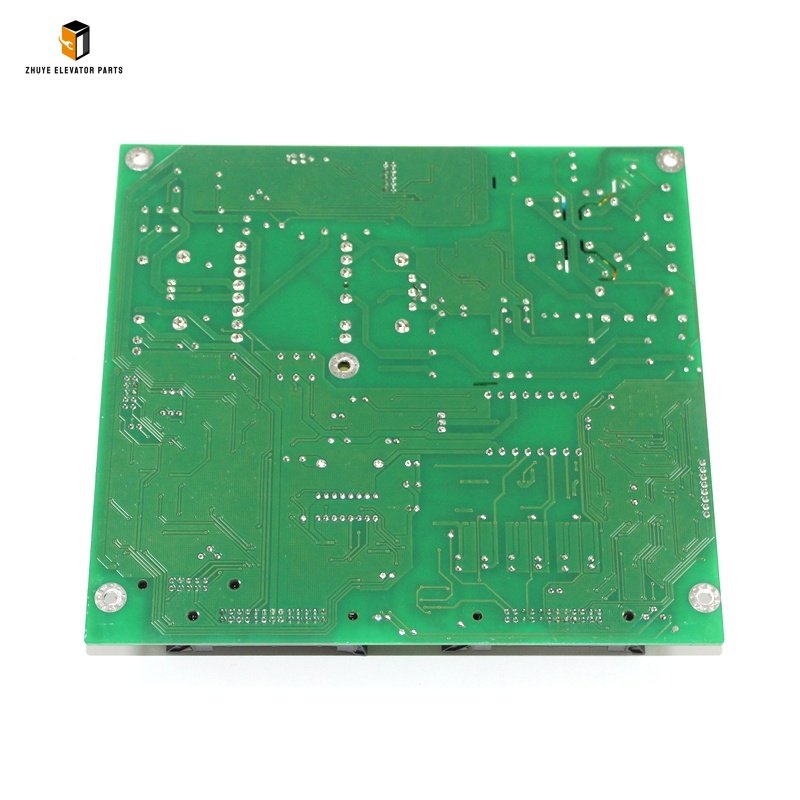
Description
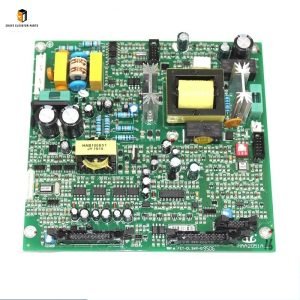
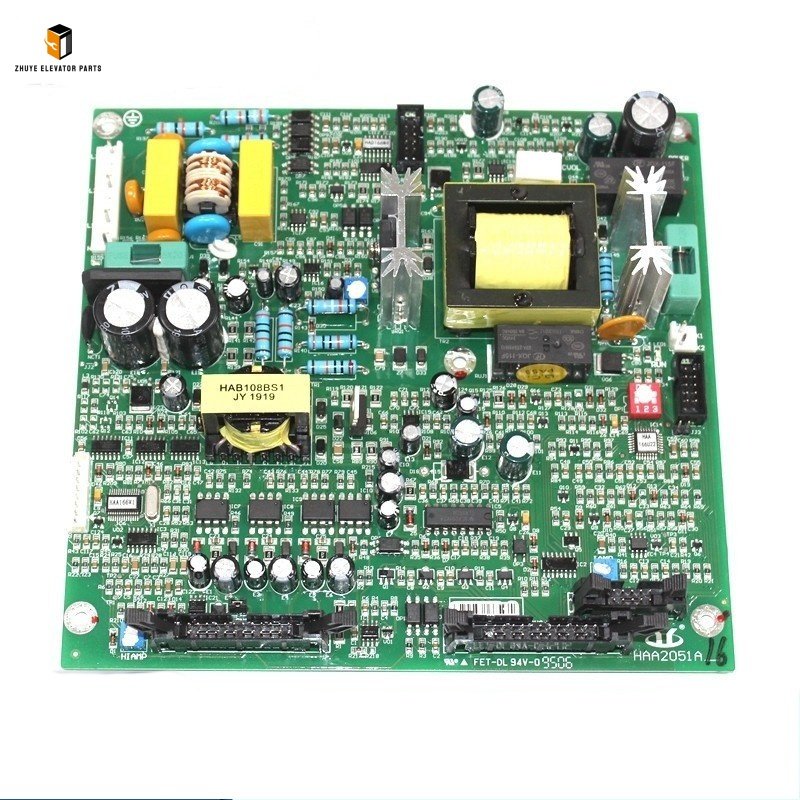
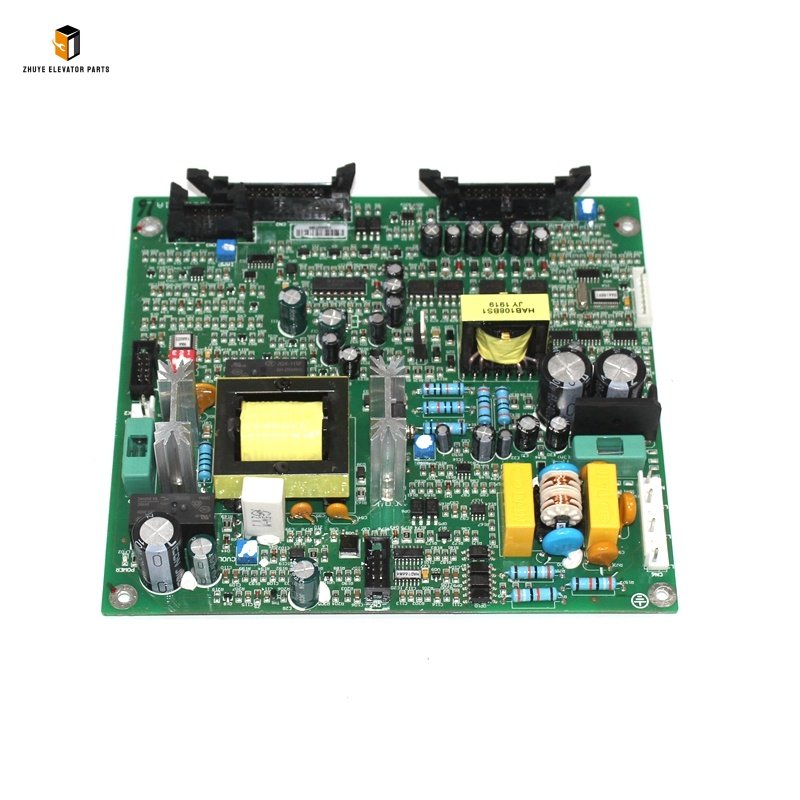
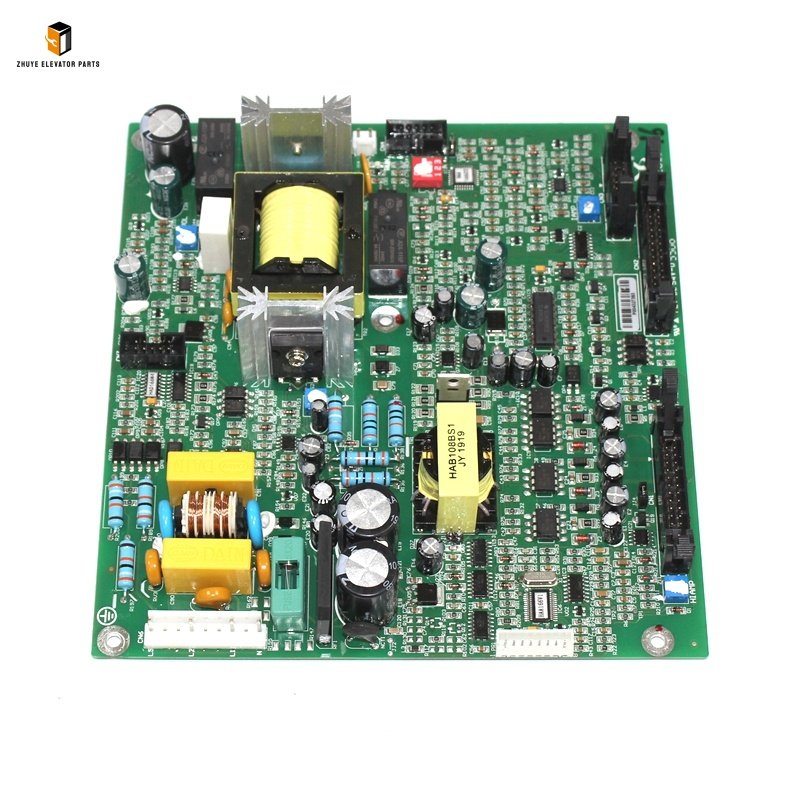
Otis elevator emergency rescue board HAA2051A14 Brief Introduction
|
Product Name |
Otis elevator emergency rescue board |
| Model Number | HAA2051A14
HAA2051A16 HAA2051A17 |
|
Quality
|
Original.Brand New
|
|
Payment
|
T/T. Paypal. Western Union
|
|
Delivery
|
3-5 Working Days
|
|
Packaging
|
Packed by carton
|
Otis Elevator Emergency Rescue Board HAA2051A14: Usage Guide, Replacement Cycle & Trusted Supply from Nanjing Zhuye
The Otis Elevator Emergency Rescue Board HAA2051A14 is a mission-critical safety component exclusively engineered for Otis elevator systems—essential for commercial high-rises, residential complexes, public transit facilities, and office buildings worldwide. As the “emergency response core” for Otis Gen2, SkyRise, and NCE series elevators, this board automatically activates during critical failures (power outages, main controller malfunctions, or traction system errors) to execute controlled rescue operations: powering emergency lighting, activating the intercom for passenger communication, and guiding the elevator car to the nearest safe floor for door release. It integrates Otis’ proprietary rescue logic, real-time status monitoring, and fail-safe mechanisms—ensuring compliance with global safety regulations (EN 81-20, ASME A17.1) and upholding Otis’ reputation for passenger protection.
Compliant with international safety and electrical standards (IEC 61508, UL 1778, ISO 9001), the HAA2051A14 features a rugged, fault-tolerant design: impact-resistant metal housing, sealed electrical connections to prevent dust and moisture intrusion, redundant circuit paths for critical functions, and surge protection for voltage stability. This construction withstands harsh operating conditions (temperature range: -10°C to +50°C), vibration during elevator movement, and electrical noise—critical for reliable performance when lives are at stake. For maintenance teams, facility managers, and elevator service providers, mastering the correct installation, testing, and replacement timelines of this rescue board is non-negotiable to ensure regulatory compliance, passenger safety, and liability mitigation. Nanjing Zhuye Elevator Parts, a trusted supplier of authentic Otis components, delivers the HAA2051A14 that meets Otis’ original manufacturing specifications—guaranteeing seamless compatibility, fail-safe rescue operations, and long-term durability.
Proper Usage Methods of Otis HAA2051A14 Emergency Rescue Board
1. Pre-Installation Preparation
Before installation, prioritize safety by shutting off the elevator’s main power supply, isolating the emergency control circuit, and securing the work area (machine room or car top) with lockout tags. Inspect the new HAA2051A14 for physical damage—such as dented housing, damaged connectors, loose components, or corrosion on terminals—defects that can compromise rescue functionality. Nanjing Zhuye’s strict quality control process ensures each unit arrives in optimal condition: fully functional control modules, intact wiring harnesses, pre-loaded Otis-compatible firmware, and clear labeling for error-free installation.
Verify compatibility with your Otis elevator model by cross-referencing the technical manual or consulting Nanjing Zhuye’s technical support team. Ensure three key details align: (1) the board’s output voltage (typically 24V DC) matches the elevator’s emergency system requirements, (2) the communication protocol integrates with the main controller and door operator, and (3) the mounting dimensions fit the designated space in the control cabinet. Using an incompatible rescue board can result in failed rescue attempts, incomplete car descent, or inability to communicate with stranded passengers.
2. Installation & Configuration Steps
- Mounting the Board:
- Locate the designated mounting bracket in the elevator’s control cabinet (or car top control panel) and secure the HAA2051A14 with the provided high-torque screws (torque to 2.5–3.5 Nm). Ensure the unit is positioned upright for proper heat dissipation and wiring access—maintain a minimum 10cm clearance around the housing to avoid overheating.
- Disconnect the old rescue board (if replacing) by labeling and removing power cables (backup battery connection, mains input), communication wires (to main controller, intercom, door operator), and status feedback cables. Take detailed photos of the wiring configuration to ensure accurate reinstallation.
- Wiring & Connection:
- Connect the backup battery cable to the board’s dedicated terminal (ensure correct polarity: +V to positive, -V to negative) and the mains input cable to the building’s emergency power circuit (if applicable). Use 4mm² copper wire for power connections to handle the board’s output current (typically 10–15A).
- Connect communication wires to the main controller (for fault detection), intercom system (for passenger communication), and door operator (for safe floor release). Use shielded cables to reduce EMI interference and tighten terminal screws to Otis’ specified torque (1.5–2.0 Nm) to avoid loose connections.
- Post-Installation Testing:
- Restore power to the elevator (performed by certified Otis technicians only) and conduct two critical tests to validate functionality:
- Self-Check Test: Activate the board’s self-diagnostic mode via Otis’ diagnostic software (e.g., Otis Service Tool) to verify all modules (power supply, communication, rescue logic) are operational—confirm the “Normal” indicator light illuminates (green).
- Rescue Simulation Test: Simulate a power outage by disconnecting the elevator’s main power. Confirm the HAA2051A14 automatically activates (red “Rescue Mode” indicator lights up), powers the emergency lighting and intercom, and guides the car to the nearest safe floor for door release.
- Document installation details, test results, and battery status in maintenance records to demonstrate compliance with safety audits and Otis’ service requirements.
- Restore power to the elevator (performed by certified Otis technicians only) and conduct two critical tests to validate functionality:
3. Routine Usage & Maintenance
To preserve the HAA2051A14’s reliability and ensure it performs when needed, implement these proactive maintenance practices:
- Monthly Visual Inspections: Check the board for physical damage, loose connections, or corrosion. Verify the “Normal” indicator light is illuminated and the backup battery is properly connected.
- Quarterly Battery Testing: Use a multimeter to measure the backup battery’s voltage (should be ≥26.4V DC for 24V systems) and capacity. Replace the battery if it fails to hold a charge—follow Otis’ guidelines for battery replacement (typically every 3–5 years).
- Semi-Annual Functional Test: Repeat the rescue simulation test to confirm the board initiates controlled descent, activates emergency systems, and releases the doors at the safe floor. Clean the board’s housing and vents with compressed air to remove dust.
- Annual Comprehensive Inspection: Remove the board’s cover (by authorized technicians) to inspect internal components: circuit traces for damage, connectors for corrosion, and wiring for fraying. Retighten terminals or replace damaged parts with genuine Otis components from Nanjing Zhuye.
- Firmware Update: Annually check for firmware updates via Otis’ official channels (or Nanjing Zhuye’s technical support) to enhance rescue logic, fix bugs, and ensure compliance with updated safety standards.
Recommended Replacement Cycle
The service life of the Otis HAA2051A14 Emergency Rescue Board depends on component degradation, battery life, and environmental conditions. Based on Otis’ engineering standards and Nanjing Zhuye’s technical expertise:
1. Standard Replacement Cycle
Under normal operating conditions (quarterly maintenance tests, stable temperature, and battery replacement every 3–5 years), the HAA2051A14 should be replaced every 6–8 years. This timeframe accounts for gradual degradation of control modules, communication chips, and internal wiring—proactive replacement ensures fail-safe performance during emergencies.
2. Signs That Require Immediate Replacement
Replace the rescue board immediately if you encounter any of the following issues:
- Rescue Failure: The board does not activate during power outages or main controller malfunctions, fails to power emergency systems, or cannot guide the car to a safe floor.
- Communication Errors: Inability to communicate with the main controller (no fault detection) or intercom system (cannot speak to stranded passengers)—violating passenger safety requirements.
- Physical Damage: Dented housing, water intrusion, burned components, or battery leakage—compromising electrical safety and functionality.
- Persistent Faults: Repeated error codes (e.g., “Rescue Logic Fault,” “Battery Low,” “Communication Timeout”) that cannot be resolved with troubleshooting or battery replacement.
- Self-Check Failure: The board fails its self-diagnostic test, indicating a critical internal malfunction that could prevent rescue operations.
3. Maintenance to Extend Service Life
- Environmental Control: Keep the control cabinet clean, dry, and well-ventilated. Install air conditioners or dehumidifiers if ambient temperature exceeds 50°C or humidity exceeds 85%—extremes can damage internal components.
- Power Stabilization: Install surge protectors in the emergency power circuit to shield the board from voltage spikes—prevents damage to the power supply module.
- Battery Maintenance: Replace the backup battery every 3–5 years (or as recommended by Otis) to ensure sufficient power for rescue operations. Use only genuine Otis batteries supplied by Nanjing Zhuye.
- Gentle Handling: Train maintenance teams to handle the board carefully during inspections—avoid pulling on wires or applying pressure to the PCB, which can cause internal damage.
Why Choose Nanjing Zhuye Elevator Parts for Otis HAA2051A14?
When sourcing the Otis HAA2051A14 emergency rescue board, Nanjing Zhuye offers unmatched advantages for safety-focused professionals:
- Authenticity & Compatibility: All units meet Otis’ original manufacturing specifications, ensuring seamless integration with Gen2, SkyRise, and NCE series elevators.
- Strict Quality Assurance: Each board undergoes rigorous testing (rescue functionality, communication reliability, battery performance) to guarantee fail-safe operation in critical scenarios.
- Expert Technical Support: Certified engineers provide 24/7 assistance for installation, testing, and troubleshooting—even for complex emergency system setups.
- Global Efficient Delivery: Fast shipping to worldwide locations minimizes downtime for safety-critical components, ensuring elevators remain compliant with rescue regulations.
- Competitive Pricing: Direct sourcing from Otis’ authorized channels eliminates middlemen, offering cost-effective solutions without compromising safety or reliability.
Conclusion
The Otis Elevator Emergency Rescue Board HAA2051A14 is a life-saving component that stands as the last line of defense for passengers during elevator emergencies. By following proper installation, testing, and maintenance practices—paired with Nanjing Zhuye Elevator Parts’ authentic components—you can ensure Otis elevators are equipped to protect passengers, comply with global safety standards, and minimize liability. Whether you need a single replacement board, technical support for rescue system testing, or bulk orders for a building fleet, Nanjing Zhuye is committed to delivering premium Otis components and tailored professional services. Invest in passenger safety and regulatory compliance—choose Nanjing Zhuye Elevator Parts for your HAA2051A14 emergency rescue board requirements.