

Description
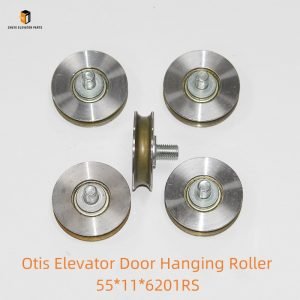
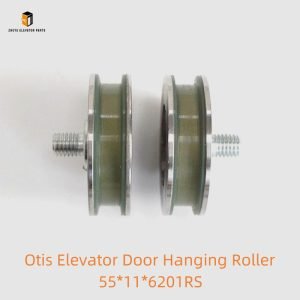
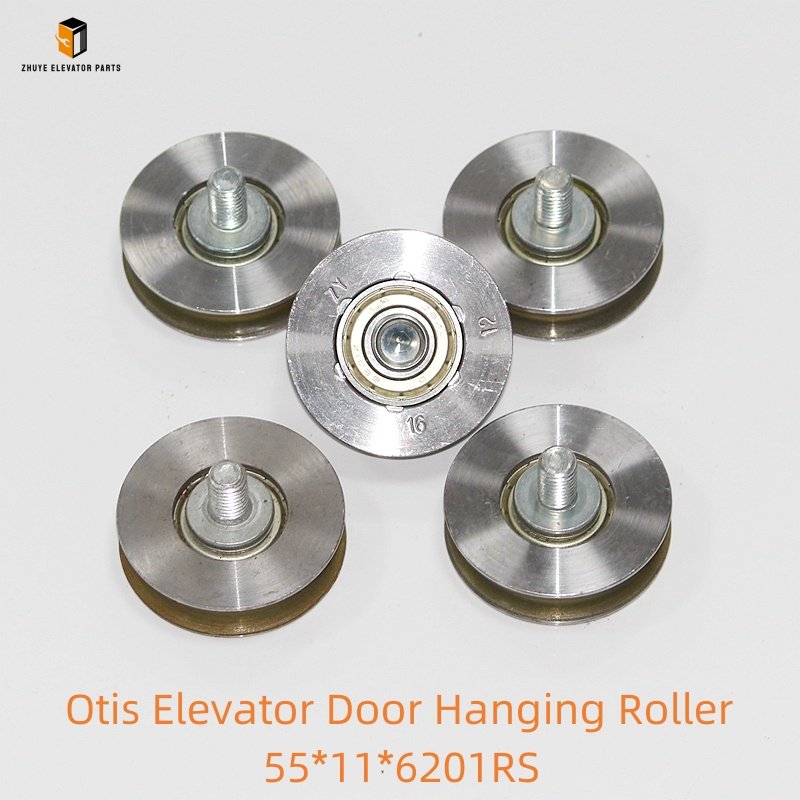
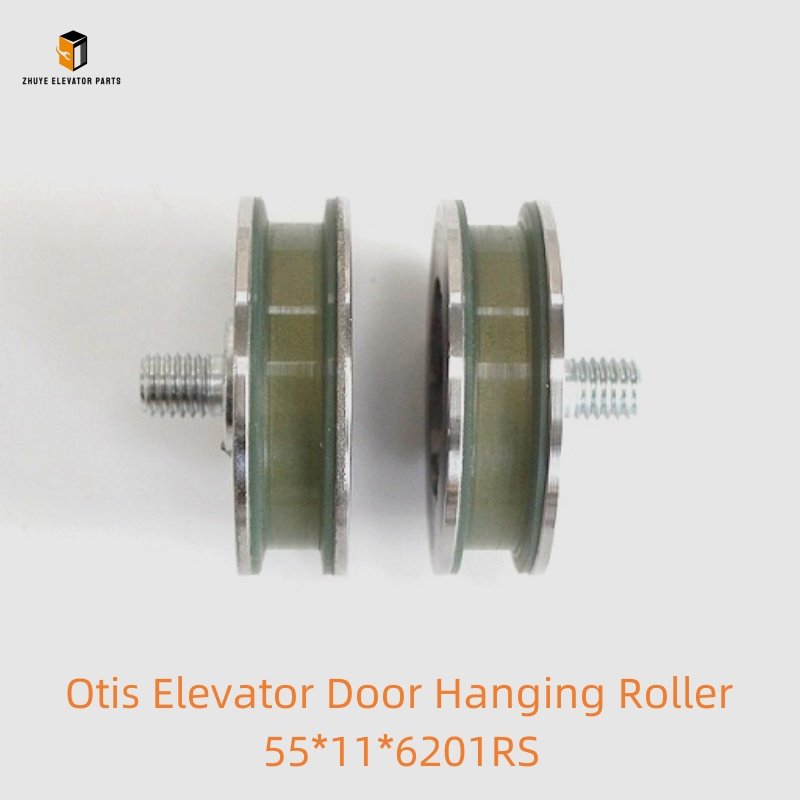
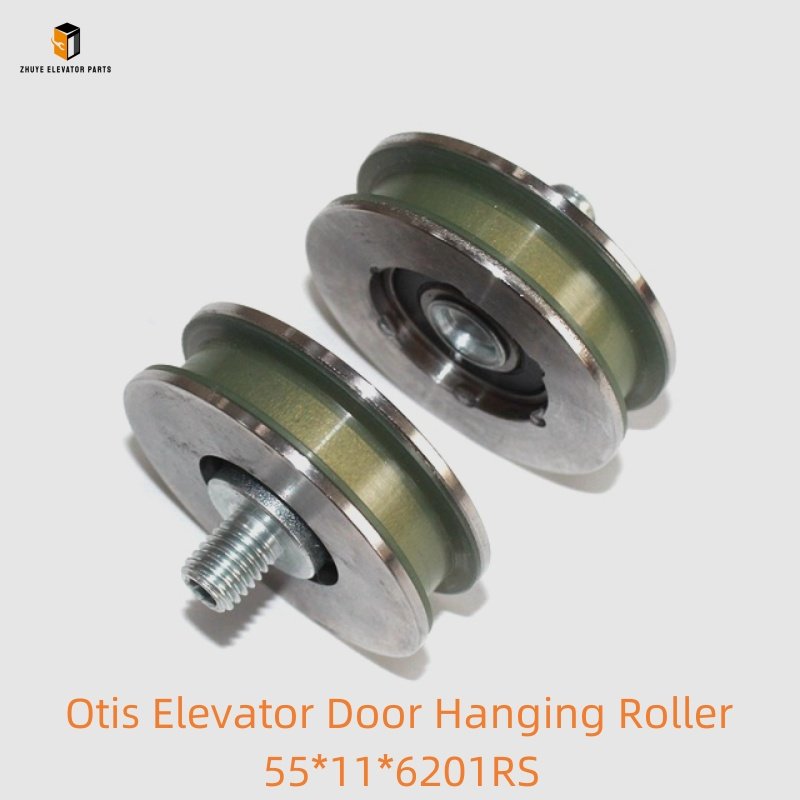
Otis Elevator Door Hanging Roller 55*11*6201RS Brief Introduction
|
Product Name |
Otis Elevator Door Hanging Roller |
| Model Number | 55*11*6201RS
56MM*6201Z |
|
Quality
|
Original.Brand New
|
|
Payment
|
T/T. Paypal. Western Union
|
|
Delivery
|
3-5 Working Days
|
|
Packaging
|
Packed by carton
|
Otis Elevator Door Hanging Roller 55116201RS: Usage Guide, Replacement Cycle & Trusted Supply from Nanjing Zhuye
The Otis Elevator Door Hanging Roller 55116201RS is a precision mechanical component exclusively engineered for Otis elevator door systems—widely deployed in commercial buildings, residential complexes, and public transit facilities. As a core load-bearing part of the door suspension mechanism, this roller enables smooth, quiet movement of elevator car and landing doors along the guide rail. With standardized dimensions (55mm outer diameter, 11mm width, 6201RS deep groove ball bearing), it features a robust design: high-strength polyurethane (PU) or nylon outer layer, chrome-plated steel inner race, sealed bearing (IP54 protection against dust and moisture), and corrosion-resistant hardware to withstand frequent door cycles (up to 200,000 annually) and harsh elevator environments (vibration, temperature fluctuations, dust). For maintenance teams, facility managers, and property operators, mastering the correct installation, inspection, and replacement timelines of the 55116201RS is vital to prevent door jams, uneven movement, or safety hazards—ensuring reliable and user-friendly door operation. Nanjing Zhuye Elevator Parts, a trusted supplier of authentic Otis components, delivers the 55116201RS that meets Otis’s original manufacturing specifications, guaranteeing seamless compatibility, smooth rotation, and long-term durability.
Proper Usage Methods of Otis Elevator Door Hanging Roller 55116201RS
1. Pre-Installation Preparation
Before installing the 55116201RS, prioritize safety by shutting off the elevator’s main power supply, locking the door in the open position, and securing the work area with a lockout tag. Inspect the new roller for physical damage—such as cracks in the outer layer, damaged bearings, bent shafts, or rust on metal components—defects that can cause noisy operation or premature failure. Nanjing Zhuye Elevator Parts conducts rigorous quality control checks, so each roller arrives in optimal condition: smooth-rotating bearings (no resistance or noise), intact PU/nylon coating, precise dimensional tolerance (±0.1mm), and pre-lubricated internal mechanisms. Additionally, verify compatibility with your Otis door system by cross-referencing the technical manual or consulting Nanjing Zhuye’s technical support team—ensure the roller’s dimensions (55116201RS) and mounting interface match your door’s suspension bracket requirements.
2. Installation & Inspection Steps
- Removal of Old Roller:
- Access the door hanging mechanism (located at the top of the elevator car or landing door). Use a wrench to loosen the locking nut or bolt securing the old roller to the suspension bracket. Carefully remove the old roller and inspect the bracket, guide rail, and surrounding components for wear, corrosion, or misalignment—address any issues (e.g., bent brackets, worn rails) before installing the new roller.
- Installation of New Roller:
- Apply a thin layer of Otis-approved lithium-based grease to the roller’s mounting shaft and the suspension bracket’s contact surface to reduce friction. Align the 55116201RS with the bracket’s mounting hole, ensuring the roller’s outer layer is centered on the guide rail. Tighten the locking nut or bolt to the specified torque (8–10 Nm) to secure the roller—avoid over-tightening, which can damage the bearing or restrict rotation.
- Alignment & Functionality Check:
- Manually push the door back and forth to verify smooth, uniform movement. Ensure the roller rotates freely without binding, wobbling, or contact with non-guide components. Check the door’s alignment: it should move parallel to the guide rail, with no gaps or uneven spacing between the car and landing doors.
- Test automatic door operation (after restoring power) to confirm quiet performance (≤50dB) and proper door closing/opening speed—no hesitation, jitter, or sudden stops should occur.
3. Routine Usage Maintenance
To preserve the 55116201RS’s performance and extend its lifespan, implement these proactive maintenance practices:
- Weekly Visual Inspections: Check for loose mounting bolts, cracks or wear on the roller’s outer layer, and accumulation of dust/debris around the guide rail and roller. Remove debris with a brush or compressed air—avoid using harsh chemicals that can degrade the PU/nylon coating.
- Monthly Rotation & Lubrication Checks: Manually rotate the roller to ensure smooth operation. Apply a small amount of Otis-approved lubricant to the bearing seal (if accessible) every 3 months to reduce friction and prevent corrosion. Avoid over-lubrication, as excess grease attracts dust and debris.
- Quarterly Wear Measurement: Use a caliper to measure the roller’s outer diameter and width. Document any wear (≥1mm reduction in diameter or visible thinning of the outer layer) for scheduling replacement. Check the bearing for noise or resistance—signs of internal damage.
- Semi-Annual Guide Rail Inspection: Inspect the door guide rail for wear, scratches, or misalignment. A damaged rail can accelerate roller wear, so repair or replace the rail if necessary. Ensure the rail is clean and free of rust or debris.
Recommended Replacement Cycle
The service life of the Otis Elevator Door Hanging Roller 55116201RS depends on usage intensity (daily door cycles), environmental conditions (humidity, dust, temperature), and maintenance quality. Based on industry standards and Nanjing Zhuye’s technical expertise:
1. Standard Replacement Cycle
Under normal operating conditions (12–18 hours of daily use, regular maintenance, clean environment), the 55116201RS should be replaced every 3–5 years. This timeframe accounts for gradual wear of the PU/nylon outer layer, bearing fatigue, and corrosion—ensuring the roller maintains smooth rotation, quiet operation, and compatibility with the door system. Proactive replacement reduces the risk of unexpected door failures, which can lead to passenger entrapment or costly downtime.
2. Signs That Require Immediate Replacement
Replace the roller immediately if you encounter any of the following issues:
- Operational Anomalies: Noisy door movement (squeaking, grinding, or clicking), uneven door operation, or resistance when pushing the door manually—indicative of worn bearings or damaged outer layers.
- Visible Wear: Cracks, chunks missing from the PU/nylon outer layer, or significant wear (≥1mm reduction in outer diameter) that causes the door to wobble or misalign with the guide rail.
- Bearing Failure: The roller does not rotate freely, or the bearing feels rough/resistant when turned by hand—signs of internal rust, debris buildup, or seal damage.
- Corrosion: Rust on the roller’s metal components (shaft, inner race) or mounting hardware—compromising structural integrity and load-bearing capacity.
- Door Malfunctions: The door fails to open/close fully, gets stuck, or triggers safety interlock errors—directly related to roller performance.
3. Maintenance to Extend Service Life
To maximize the 55116201RS’s lifespan and minimize replacement costs:
- Keep the Environment Clean: Regularly clean the door guide rail and surrounding area to remove dust, debris, and moisture—contaminants are the primary cause of bearing damage and outer layer wear.
- Lubricate Regularly: Apply Otis-approved lubricant to the roller’s bearing and mounting interface every 3 months to reduce friction and prevent corrosion. Use only compatible lubricants (avoid petroleum-based products that can degrade PU/nylon).
- Prevent Overloading: Avoid slamming or forcing the elevator door, as excessive impact can damage the roller’s outer layer and bearing. Educate building occupants on proper door usage.
- Align Guide Rails: Ensure door guide rails are properly aligned and free of bends or scratches—misaligned rails cause uneven wear on the roller, reducing its lifespan.
- Use Genuine Parts Only: For replacements, rely exclusively on authentic Otis rollers from Nanjing Zhuye. Counterfeit rollers may use inferior materials (low-quality PU/nylon, untested bearings) or incorrect dimensions—compromising door performance and safety.
Why Choose Nanjing Zhuye Elevator Parts?
When sourcing the Otis Elevator Door Hanging Roller 55116201RS, Nanjing Zhuye Elevator Parts offers unmatched advantages for safety-focused professionals:
- Authenticity & Compatibility: All 55116201RS rollers are manufactured to Otis’s original specifications, ensuring seamless integration with Otis door systems and compliance with global safety/mechanical standards (EN 81, ASME A17.1).
- Strict Quality Assurance: Each roller undergoes rigorous testing—including dimensional accuracy, rotation smoothness, bearing durability, and outer layer wear resistance—to guarantee reliable performance in critical door operation scenarios.
- Expert Technical Support: Nanjing Zhuye’s certified engineers provide 24/7 assistance, from installation guidance and alignment checks to troubleshooting roller-related issues (e.g., noisy operation, misalignment) in Otis elevators.
- Global Efficient Delivery: With a robust supply chain and logistics network, Nanjing Zhuye delivers mechanical components promptly worldwide, minimizing elevator downtime during replacement—critical for high-traffic buildings.
- Competitive Pricing: By eliminating middlemen, Nanjing Zhuye offers cost-effective solutions without compromising quality—ideal for bulk orders or fleet maintenance of Otis elevators.
Conclusion
The Otis Elevator Door Hanging Roller 55116201RS is a foundational component that directly impacts elevator door reliability, passenger experience, and safety. By following proper installation, inspection, and maintenance practices, adhering to recommended replacement cycles, and partnering with a trusted supplier like Nanjing Zhuye Elevator Parts, you can ensure your Otis elevators remain compliant, downtime-free, and efficient. Whether you need a single replacement roller or bulk orders for a building fleet, Nanjing Zhuye is committed to delivering premium Otis components and tailored professional services. Invest in door system smoothness—choose Nanjing Zhuye Elevator Parts for your Otis 55116201RS door hanging roller requirements.