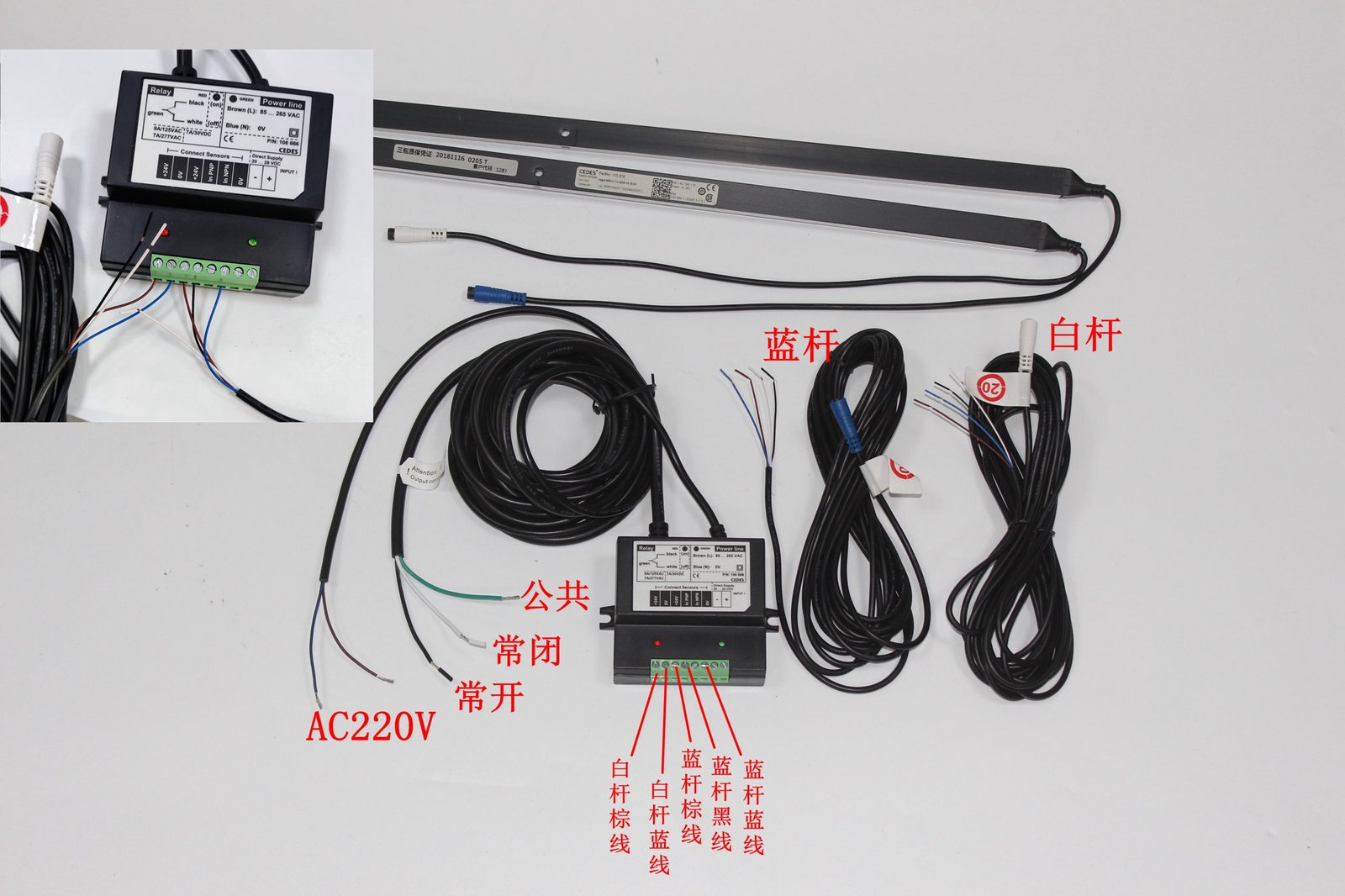
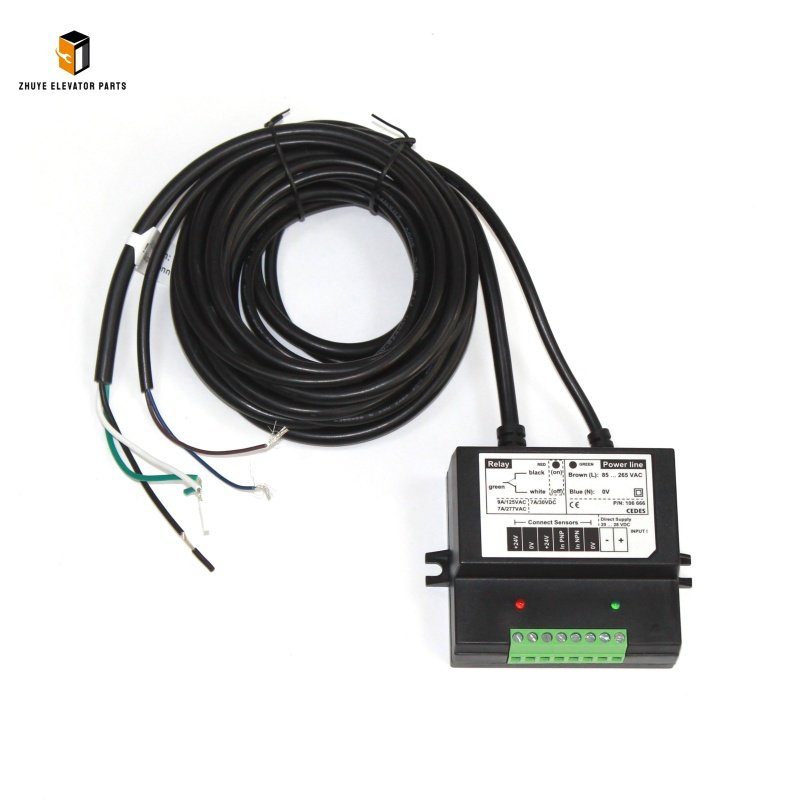
Description
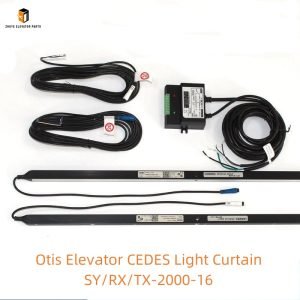
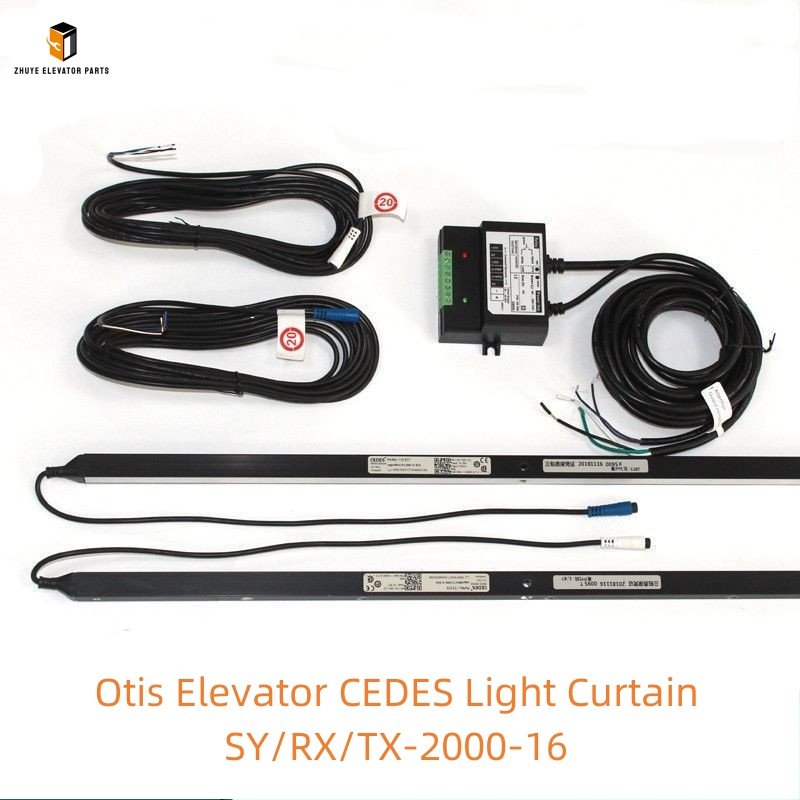
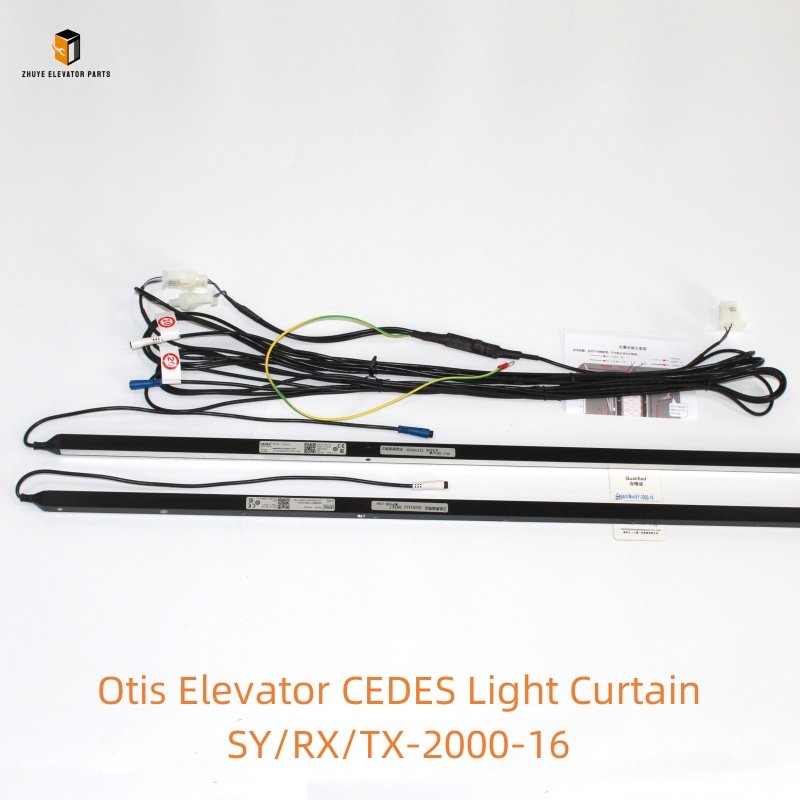
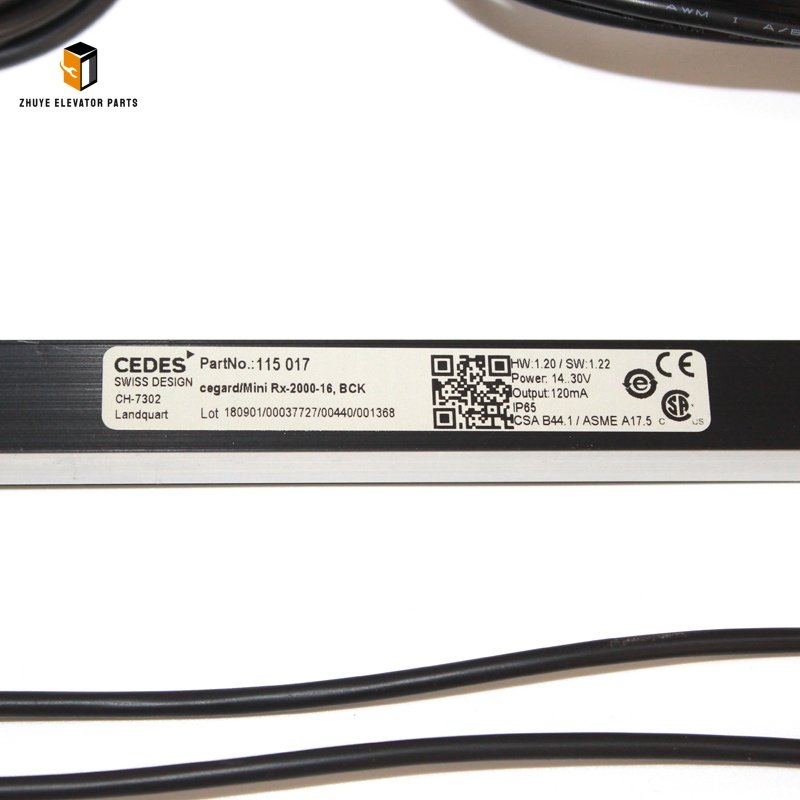
Otis Elevator CEDES TVS Light Curtain SY/RX/TX-2000-16 Brief Introduction
|
Product Name |
Otis Elevator CEDES TVS Light Curtain |
| Model Number | SY/RX/TX-2000-16 |
|
Quality
|
Original.Brand New
|
|
Payment
|
T/T. Paypal. Western Union
|
|
Delivery
|
3-5 Working Days
|
|
Packaging
|
Packed by carton
|
Otis Elevator CEDES TVS Light Curtain SY/RX/TX-2000-16: Usage Guide, Replacement Cycle & Trusted Supply from Nanjing Zhuye
The Otis Elevator CEDES TVS Light Curtain SY/RX/TX-2000-16 is a high-performance safety component co-engineered by CEDES (a global leader in elevator safety sensors) and Otis—exclusively designed for Otis elevator door systems in commercial high-rises, residential complexes, and public transit facilities. As a critical anti-entrapment and anti-pinching solution, this light curtain system (comprising SY controller, RX receiver, and TX transmitter) creates a dense 16-beam infrared grid across door openings (standard height: 2.0m) to detect obstacles as small as 5mm, triggering immediate door reversal or halting. Compliant with stringent global safety standards (EN 81-20/50, ASME A17.1, IEC 61496-1/2), it features a rugged, reliable design: high-intensity infrared LEDs with anti-glare filters, IP54-rated dust/waterproof housings, EMC-shielded cables, and redundant detection circuits to withstand harsh elevator environments (vibration, temperature fluctuations, ambient light interference). For maintenance teams, facility managers, and property operators, mastering the correct installation, calibration, and replacement timelines of the SY/RX/TX-2000-16 is vital to prevent passenger injuries, safety violations, or elevator downtime—upholding Otis’s and CEDES’s shared commitment to safety excellence. Nanjing Zhuye Elevator Parts, a trusted supplier of authentic Otis-CEDES components, delivers the CEDES TVS Light Curtain that meets original manufacturing specifications, guaranteeing seamless compatibility with Otis door systems, precise obstacle detection, and long-term durability.
Proper Usage Methods of Otis CEDES TVS Light Curtain SY/RX/TX-2000-16
1. Pre-Installation Preparation
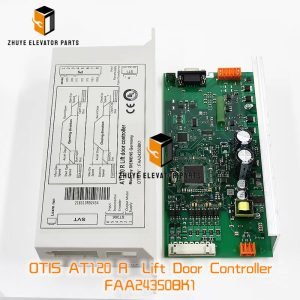
Before installing the SY/RX/TX-2000-16 system, prioritize safety by shutting off the elevator’s main power supply and securing the door area with a lockout tag. Inspect all components (SY controller, RX receiver, TX transmitter, and cables) for physical damage—such as cracked housings, damaged LED arrays, frayed cables, or loose connectors—defects that can compromise detection accuracy or safety functionality. Nanjing Zhuye Elevator Parts conducts rigorous CEDES-specific quality control checks, so each unit arrives in optimal condition: functional LED emitters/receivers, intact optical lenses, pre-tested detection sensitivity (5mm resolution), and properly shielded cables. Additionally, verify compatibility with your Otis elevator model by cross-referencing the technical manual or consulting Nanjing Zhuye’s technical support team—ensure the light curtain’s beam count (16), operating voltage (24V DC), and communication protocol (dry contact or Otis CAN bus) match your door system’s requirements.
2. Installation & Calibration Steps
- Component Mounting:
- Locate the designated installation positions: mount the TX transmitter and RX receiver vertically on the opposing elevator car door frames (inner edges), ensuring the 16-beam grid covers the entire door opening (2.0m height) with no gaps. Use the provided CEDES mounting brackets and screws (torque to 3–4 Nm) to secure the units—alignment must be precise (±1mm) to ensure unobstructed beam transmission. Mount the SY controller in a dry, protected area within the door operator control box or machine room, ensuring easy access for calibration.
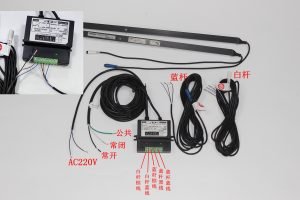
- Route the connecting cables (power, signal, and interconnection between TX/RX) through the door frame’s cable channels, avoiding sharp edges or moving parts that can damage insulation. Connect the SY controller to the door operator control board or elevator main controller, following the CEDES-Otis wiring diagram (provided by Nanjing Zhuye)—ensure correct polarity and protocol matching to enable safety interlock integration.
- Calibration & Functional Testing:
- Power on the elevator and initiate the CEDES TVS system’s automatic self-calibration process (activated via the SY controller’s reset button or Otis diagnostic software). The status LEDs on the TX/RX units will illuminate green once calibration is successful—red or flashing lights indicate misalignment, wiring errors, or component faults.
- Perform manual alignment adjustments (if needed) using the built-in leveling screws on the TX/RX brackets: fine-tune positions until the beam grid is continuous, and the SY controller confirms “full beam detection” via its status display.
- Conduct comprehensive safety tests (by certified technicians only):
- Obstacle Detection Test: Pass objects of varying sizes (≥5mm, e.g., a finger, pen, or test rod) through different beam positions (top, middle, bottom) of the door opening—confirm the doors reverse immediately (response time ≤0.15s) with no delays or missed detections.
- Blind Spot Test: Verify detection reliability at the corners and edges of the door opening (common high-risk areas for entrapment) to ensure full 16-beam coverage.
- Environmental Interference Test: Test performance under extreme conditions—bright sunlight, dark environments, or electromagnetic interference (near motors)—CEDES’s anti-glare filters and EMC shielding should maintain accuracy without false triggers.
- Document test results in maintenance records, including calibration data and functional verification notes.
3. Routine Usage Maintenance
To preserve the SY/RX/TX-2000-16’s performance and extend its lifespan, implement these proactive maintenance practices:
- Weekly Visual Inspections: Check for loose mounting brackets, damaged housings, or debris accumulation on TX/RX optical lenses. Clean lenses with a soft, lint-free cloth (slightly dampened with water if necessary)—avoid harsh chemicals, abrasives, or solvents that can scratch or degrade the lens surface.
- Monthly Functionality Checks: Test obstacle detection with standard test objects to confirm immediate door reversal. Verify status LEDs on all components (green = normal, red = fault) and check for error codes on the SY controller or elevator main panel.
- Quarterly Cable Inspections: Inspect power, signal, and interconnection cables for fraying, corrosion, or loose connections. Tighten terminals as needed or replace damaged cables with genuine Otis-CEDES parts from Nanjing Zhuye—damaged cables are the primary cause of false triggers or detection failures.
- Semi-Annual Alignment Verification: Use a laser level to confirm TX/RX alignment—vibrations from elevator operation can cause gradual misalignment, creating detection gaps. Re-calibrate the system if alignment deviates beyond ±1mm.
- Annual Component Health Check: Test LED intensity and detection sensitivity using CEDES-approved diagnostic tools. Replace the SY controller’s backup battery (if applicable) to ensure uninterrupted safety functionality during power fluctuations.
Recommended Replacement Cycle
The service life of the Otis CEDES TVS Light Curtain SY/RX/TX-2000-16 depends on usage intensity (daily door cycles), environmental conditions (dust, humidity, ambient light), and maintenance quality. Based on CEDES’s safety standards and Nanjing Zhuye’s technical expertise:
1. Standard Replacement Cycle
Under normal operating conditions (12–18 hours of daily use, regular maintenance, clean environment), the entire SY/RX/TX-2000-16 system should be replaced every 6–8 years. This timeframe accounts for gradual LED degradation, optical lens wear, cable aging, and reduced detection sensitivity—ensuring the system maintains compliance with global safety standards, reliable obstacle detection, and compatibility with Otis elevator upgrades. Proactive replacement is critical for avoiding safety liabilities and regulatory non-compliance.
2. Signs That Require Immediate Replacement
Replace the SY/RX/TX-2000-16 system immediately if you encounter any of the following issues:
- Detection Failures: The light curtain fails to detect obstacles (≥5mm) or triggers delayed door reversal (>0.2s)—posing a severe entrapment or pinching hazard to passengers.
- Persistent False Triggers: Doors reverse unexpectedly without obstacles, or the system logs frequent error codes (e.g., “Beam Break,” “Controller Mismatch”) that cannot be resolved by cleaning, re-calibration, or cable replacement.
- Physical Damage: Cracked housings (compromising IP54 protection), broken LED arrays, or irreparable component damage—rendering the system unsafe or non-functional.
- Performance Degradation: Reduced detection range, inconsistent beam coverage, or failure to pass safety tests (e.g., blind spot detection)—indicative of internal component failure.
- Safety Compliance Issues: The system no longer meets local safety regulations (e.g., EN 81-20) due to outdated technology, worn parts, or CEDES’s end-of-life notifications for critical components.
3. Maintenance to Extend Service Life
To maximize the SY/RX/TX-2000-16’s lifespan and minimize replacement costs:
- Protect Optical Components: Keep TX/RX lenses clean and free from scratches—dirty or damaged lenses reduce LED intensity and detection accuracy. Avoid direct contact with lens surfaces during maintenance.
- Control Environmental Exposure: Ensure the door frame area and SY controller mounting location are free from water leaks, excessive dust, or extreme temperatures (operating range: -25°C to +65°C). Shield components from direct sunlight to prevent lens glare.
- Prevent Physical Impact: Avoid hitting, scraping, or mishandling the TX/RX units during elevator maintenance—impact can misalign internal components or damage LEDs.
- Use Genuine Parts Only: For repairs or replacements, rely exclusively on authentic Otis-CEDES components from Nanjing Zhuye. Counterfeit light curtains lack CEDES’s safety certification, detection precision, and anti-interference design—compromising passenger safety and violating regulatory requirements.
Why Choose Nanjing Zhuye Elevator Parts?
When sourcing the Otis CEDES TVS Light Curtain SY/RX/TX-2000-16, Nanjing Zhuye Elevator Parts offers unmatched advantages for safety-focused professionals:
- Authenticity & Otis-CEDES Compatibility: All components are genuine Otis-CEDES collaborations, meeting original safety standards and ensuring seamless integration with Otis door systems—no compatibility issues or safety compromises.
- Strict CEDES-Specific Quality Assurance: Each system undergoes rigorous testing—including 16-beam detection accuracy, LED intensity, anti-interference performance, and environmental resistance—to guarantee compliance with global safety standards (EN 81-20/50, ASME A17.1).
- Expert Safety Support: Nanjing Zhuye’s certified engineers specialize in Otis-CEDES safety systems, providing 24/7 assistance for installation, calibration, and troubleshooting (e.g., false triggers, alignment issues) specific to the SY/RX/TX-2000-16.
- Global Efficient Delivery: Prompt delivery minimizes elevator downtime during replacement—critical for maintaining safety compliance and avoiding operational disruptions in high-traffic buildings.
- Competitive Pricing: Eliminating middlemen ensures cost-effective solutions without compromising CEDES’s premium safety quality—ideal for bulk orders or fleet maintenance of Otis elevators.
Conclusion
The Otis Elevator CEDES TVS Light Curtain SY/RX/TX-2000-16 represents the gold standard in elevator door safety, combining CEDES’s cutting-edge detection technology with Otis’s rigorous quality requirements. By following proper installation, calibration, and maintenance practices—paired with Nanjing Zhuye’s authentic components—you ensure your Otis elevators remain safe, compliant, and trustworthy for passengers. Whether you need a full system replacement or individual components (SY/RX/TX), Nanjing Zhuye delivers premium Otis-CEDES light curtains and tailored technical support. Invest in uncompromised passenger safety—choose Nanjing Zhuye Elevator Parts for your Otis CEDES TVS Light Curtain SY/RX/TX-2000-16 requirements.