

Description
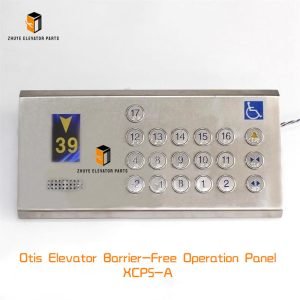
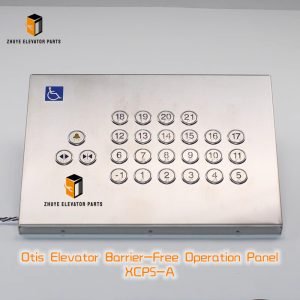
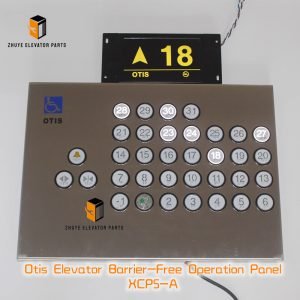
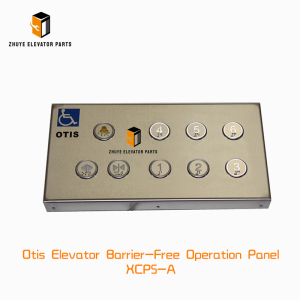
Otis Elevator Barrier-Free Operation Panel XCP5-A Brief Introduction
|
Product Name |
Otis Elevator Barrier-Free Operation Panel |
| Model Number | XCP5-A |
|
Quality
|
Original.Brand New
|
|
Payment
|
T/T. Paypal. Western Union
|
|
Delivery
|
3-5 Working Days
|
|
Packaging
|
Packed by carton
|
Otis Elevator Barrier-Free Operation Panel XCP5-A: Usage Guide, Replacement Cycle & Trusted Supply from Nanjing Zhuye
The Otis Elevator Barrier-Free Operation Panel XCP5-A is a specialized accessibility-focused component designed to ensure inclusive elevator access for passengers with disabilities, seniors, and those with mobility or sensory impairments. Exclusively engineered for Otis elevator systems, this operation panel integrates universal design features—large, backlit buttons with raised tactile markers, Braille labels, slow-response touch functionality, and audible feedback—complying with global accessibility standards (ADA, EN 81-70, ISO 9001). Ideal for commercial buildings, public facilities, healthcare centers, and residential complexes, the XCP5-A eliminates barriers to elevator use, enabling independent and safe operation for all passengers. For property managers, accessibility compliance officers, and elevator maintenance teams, mastering the correct installation, usage, and replacement timelines of the XCP5-A is vital to meet regulatory requirements, enhance user experience, and uphold social responsibility. Nanjing Zhuye Elevator Parts, a trusted supplier of authentic Otis components, delivers the XCP5-A that meets Otis’s original manufacturing specifications, guaranteeing seamless compatibility, reliable accessibility features, and long-term durability.
Proper Usage Methods of Otis Elevator Barrier-Free Operation Panel XCP5-A
1. Pre-Installation Preparation
Before installing the XCP5-A, prioritize safety by shutting off the elevator’s main power supply and securing the control panel with a lockout tag. Inspect the barrier-free panel for physical damage—such as cracked housing, non-functional buttons, damaged Braille labels, loose connectors, or faulty audio modules—defects that can compromise accessibility or functionality. Nanjing Zhuye Elevator Parts conducts rigorous quality control checks, so each XCP5-A unit arrives in flawless condition, with intact tactile markers, responsive buttons, pre-tested audio feedback, and fully functional backlighting. Additionally, verify compatibility with your Otis elevator model by cross-referencing the technical manual or consulting Nanjing Zhuye’s technical support team—ensure the panel’s voltage rating (typically 24V DC), communication protocol (e.g., CAN bus, RS485), and mounting dimensions match your system’s requirements.
2. Installation & Configuration Steps
- Mounting the Panel:
- Locate the designated installation position in the elevator cab—per accessibility standards, the panel must be mounted at a height of 90–120cm above the floor (reachable by wheelchair users) and positioned to avoid obstructions. Ensure the surface is flat and stable to prevent wobbling.
- Remove the existing operation panel (if replacing) by unscrewing the retaining brackets. Align the XCP5-A with the mounting holes, ensuring the buttons and Braille labels are clearly visible and easily reachable. Secure the panel with anti-vibration screws (torque to 0.5–0.8 Nm) to protect internal components from elevator movement.
- Wiring Connection:
- Follow the wiring diagram provided by Otis or Nanjing Zhuye to connect the panel to the elevator’s main control system and power supply:
- Connect the power wires (positive/negative) to the designated terminals—incorrect polarity can damage the backlighting or audio module.
- Attach the communication wires to enable signal transmission for floor selection, door control, and accessibility features (e.g., extended door hold time).
- Connect the audio feedback module wires to ensure audible button presses and status announcements (volume adjustable via the control system).
- Secure all connections with terminal blocks and route wiring neatly to avoid interference with moving parts.
- Follow the wiring diagram provided by Otis or Nanjing Zhuye to connect the panel to the elevator’s main control system and power supply:
- Functionality Configuration:
- Restore power to the elevator and configure accessibility settings via Otis-approved diagnostic software or the main control panel:
- Set button response time (extended to 3–5 seconds for users with motor impairments).
- Adjust backlight brightness (ensuring visibility for low-vision users) and audio volume (compliant with noise-level regulations).
- Enable extended door hold time (5–10 seconds) to accommodate wheelchair users or those with mobility delays.
- Restore power to the elevator and configure accessibility settings via Otis-approved diagnostic software or the main control panel:
- Functional Testing:
- Verify all accessibility features:
- Test button responsiveness (including tactile feedback and slow-response mode).
- Confirm Braille labels align correctly with corresponding buttons and are legible by touch.
- Check audio feedback (button presses, floor announcements) for clarity and appropriate volume.
- Simulate extended door hold time to ensure doors remain open long enough for accessible entry/exit.
- Document test results to demonstrate compliance with accessibility standards.
- Verify all accessibility features:
3. Routine Usage Maintenance
To preserve the XCP5-A’s accessibility and functionality, implement these routine practices:
- Conduct weekly visual inspections: Check for loose mounting, damaged Braille labels, non-illuminated buttons, or debris on the panel surface. Clean the panel with a soft, lint-free cloth—avoid harsh chemicals that can damage tactile markers or housing.
- Test functionality monthly: Verify button responsiveness, audio feedback, backlighting, and extended door hold time. Ensure Braille labels remain intact and legible.
- Inspect wiring connections quarterly for corrosion, wear, or looseness; tighten terminals or replace damaged cables with genuine Otis parts from Nanjing Zhuye.
- Calibrate audio and backlight settings semi-annually to maintain compliance with accessibility standards—adjust based on user feedback or environmental changes (e.g., increased cab brightness).
Recommended Replacement Cycle
The service life of the Otis Elevator Barrier-Free Operation Panel XCP5-A depends on usage intensity, environmental conditions (humidity, temperature, physical contact), and maintenance quality. Based on industry standards and Nanjing Zhuye’s technical expertise, the following replacement guidelines are recommended:
1. Standard Replacement Cycle
Under normal operating conditions (12–18 hours of daily use, regular maintenance, and careful handling), the XCP5-A should be replaced every 6–8 years. This timeframe accounts for gradual wear of buttons (tactile markers fading), backlight degradation, audio module aging, and firmware obsolescence—ensuring the panel maintains accessibility compliance and reliable functionality. Proactive replacement is critical to avoid non-compliance with accessibility regulations and ensure inclusive use for all passengers.
2. Signs That Require Immediate Replacement
Replace the barrier-free panel immediately if you encounter any of the following issues:
- Accessibility feature failures: Non-functional buttons, faded Braille labels, inoperative backlighting, or distorted audio feedback—rendering the panel unusable for impaired users.
- Physical damage: Cracked housing, broken buttons, or damaged tactile markers that cannot be repaired.
- Functional malfunctions: Failure to transmit floor selection signals, unresponsive extended door hold time, or loss of communication with the main controller.
- Non-compliance: Inability to adjust settings (e.g., audio volume, backlight brightness) to meet updated accessibility standards.
- Corrosion or water intrusion: Rust on terminals or internal component damage from moisture—common in high-humidity environments.
3. Maintenance to Extend Service Life
To maximize the XCP5-A’s lifespan and maintain accessibility:
- Protect the panel from physical damage: Install a protective cover (if not factory-equipped) to shield buttons and Braille labels from impacts or excessive pressure.
- Maintain the elevator cab at a stable temperature (10–35°C) and low humidity (30–60%) to prevent button degradation and audio/backlight failure.
- Avoid using abrasive cleaners or sharp objects on the panel—clean only with soft, damp cloths.
- Use only genuine replacement parts and accessories from Nanjing Zhuye for repairs, as counterfeit panels may lack proper accessibility features, incorrect Braille labeling, or compatibility issues with Otis systems.
Why Choose Nanjing Zhuye Elevator Parts?
When sourcing the Otis Elevator Barrier-Free Operation Panel XCP5-A, Nanjing Zhuye Elevator Parts offers unmatched advantages for compliance-focused professionals:
- Authenticity & Compliance: All XCP5-A panels are manufactured to Otis’s original specifications, ensuring seamless integration with Otis elevators and adherence to global accessibility standards (ADA, EN 81-70).
- Strict Quality Assurance: Each unit undergoes comprehensive testing—including button responsiveness, Braille accuracy, audio clarity, backlight durability, and environmental resistance—to guarantee accessibility and reliability.
- Expert Technical Support: Nanjing Zhuye’s certified engineers provide 24/7 assistance, from installation alignment and accessibility configuration to troubleshooting feature failures, ensuring compliance with regulatory requirements.
- Global Efficient Delivery: With a robust supply chain and logistics network, Nanjing Zhuye delivers accessibility-critical components promptly worldwide, minimizing downtime during replacement while maintaining compliance.
- Competitive Pricing: By eliminating middlemen, Nanjing Zhuye offers cost-effective solutions without compromising quality, helping you meet accessibility obligations while managing maintenance budgets.
Conclusion
The Otis Elevator Barrier-Free Operation Panel XCP5-A is a cornerstone of inclusive elevator design, ensuring that passengers with disabilities, seniors, and mobility impairments can use elevators independently and safely. By following proper installation, configuration, and maintenance methods, adhering to recommended replacement cycles, and partnering with a trusted supplier like Nanjing Zhuye Elevator Parts, you can ensure your Otis elevators remain accessible, compliant, and user-friendly for all. Whether you need a replacement panel, technical support for accessibility configuration, or bulk orders for a building fleet, Nanjing Zhuye is committed to delivering premium accessibility components and tailored professional services. Invest in inclusivity and compliance—choose Nanjing Zhuye Elevator Parts for your Otis XCP5-A barrier-free operation panel requirements.