


Description
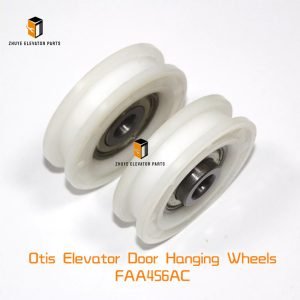
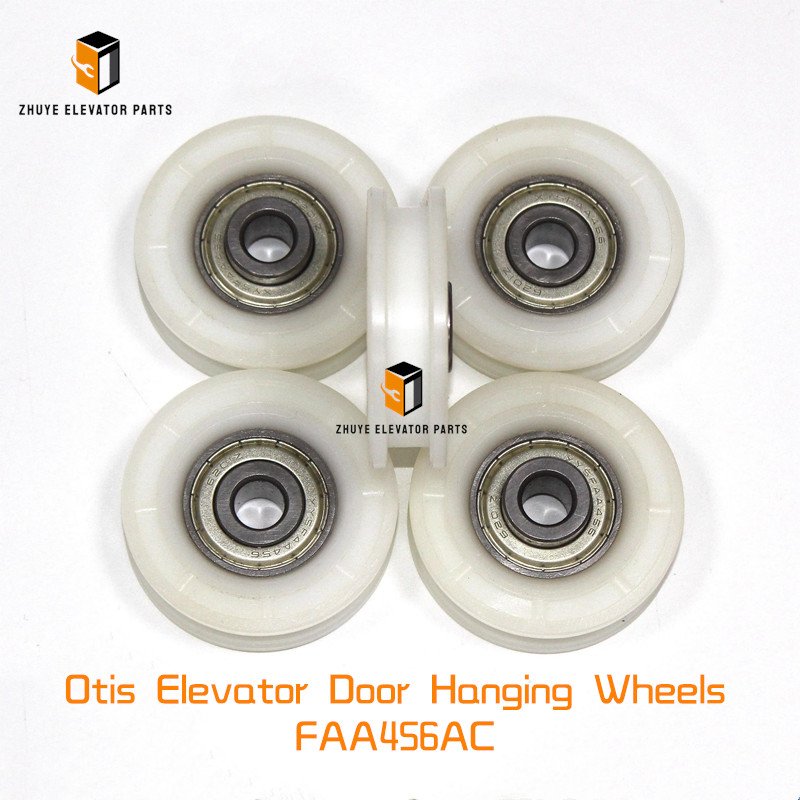
Otis Elevator AT120 Door Hanging Wheels FAA456AC Brief Introduction
|
Product Name |
Otis Elevator AT120 Door Hanging Wheels |
| Model Number | FAA456AC |
|
Quality
|
Original.Brand New
|
|
Payment
|
T/T. Paypal. Western Union
|
|
Delivery
|
3-5 Working Days
|
|
Packaging
|
Packed by carton
|
Otis Elevator AT120 Door Hanging Wheels FAA456AC: Usage Guide, Replacement Cycle & Trusted Supply from Nanjing Zhuye
The Otis Elevator AT120 Door Hanging Wheels FAA456AC are precision mechanical components exclusively engineered for Otis AT120 series elevator door systems—widely used in commercial buildings, residential complexes, and public transit facilities. As the core moving parts of the door suspension system, these hanging wheels support the elevator car and hoistway doors, enabling smooth, quiet sliding along the door rails while bearing the door’s weight (typically 30–50kg per door). Compliant with global safety and mechanical standards (EN 81, ASME A17.1, ISO 9001), they feature a robust construction: high-strength steel hubs, wear-resistant polyurethane (PU) tires, and sealed ball bearings to minimize friction, reduce noise, and withstand the repetitive stress of daily door operations. For elevator maintenance teams, property managers, and facility operators, mastering the correct installation, inspection, and replacement timelines of the FAA456AC is vital to prevent door jams, reduce operational noise, and uphold safety compliance. Nanjing Zhuye Elevator Parts, a trusted supplier of authentic Otis components, delivers the FAA456AC that meets Otis’s original manufacturing specifications, guaranteeing seamless compatibility with AT120 door systems, smooth operation, and long-term durability.
Proper Usage Methods of Otis Elevator AT120 Door Hanging Wheels FAA456AC
1. Pre-Installation Preparation
Before installing the FAA456AC, prioritize safety by shutting off the elevator’s main power supply, locking the car top/hoistway access doors, and securing the control panel with a lockout tag. Inspect the door hanging wheels for physical damage—such as cracked PU tires, worn bearings, bent axles, or rusted hubs—defects that can cause door jams, uneven movement, or increased noise. Nanjing Zhuye Elevator Parts conducts rigorous quality control checks, so each FAA456AC unit arrives in optimal condition, with intact tires, smooth-rotating bearings, and pre-greased axles. Additionally, verify compatibility with your Otis AT120 elevator model by cross-referencing the technical manual or consulting Nanjing Zhuye’s technical support team—ensure the wheel’s diameter (typically 80–100mm), tire thickness, and mounting hole dimensions match your door system’s requirements.
2. Installation & Adjustment Steps
- Removal of Old Wheels:
- Access the elevator car top or hoistway door header (depending on door type) and locate the door hanging bracket assembly. Use a wrench to remove the locking nuts/bolts securing the old wheels to the bracket—support the door weight with a jack or strap to prevent sudden movement.
- Remove the old wheels and clean the bracket’s mounting surface, axle holes, and door rails with a wire brush to remove dust, debris, or rust—contaminants that can affect wheel rotation and rail wear.
- Installation of New Wheels:
- Align the FAA456AC with the door hanging bracket’s axle holes, ensuring the PU tire faces the door rail. Insert the axle bolt through the wheel and bracket, then secure with the provided locking nut—torque to 6–8 Nm (per Otis’s specification) to prevent loosening under vibration.
- Install the required number of wheels (typically 2–4 per door) symmetrically to ensure balanced weight distribution. Ensure the wheels are parallel to the door rail and make uniform contact with the rail surface—no tilting or gap between the tire and rail.
- Adjustment & Functional Testing:
- Adjust the door hanging bracket’s height to set the correct clearance between the door and floor (typically 5–8mm) and ensure the wheels roll smoothly along the rail without binding.
- Manually slide the door back and forth to verify:
- Smooth, quiet operation with no squeaking, grinding, or uneven movement.
- Proper door alignment (no rubbing against the door frame or floor).
- Full door opening/closing travel without jams or hesitation.
- Restore power to the elevator and test automatic door operation—confirm the wheels maintain smooth rotation during motor-driven movement. Document installation and test results in maintenance records.
3. Routine Usage Maintenance
To preserve the FAA456AC’s performance and extend their lifespan, implement these routine practices:
- Conduct weekly visual inspections: Check for wheel wear (tire thinning, cracks), loose mounting nuts, or debris on the door rail that may cause abnormal friction.
- Clean the door rails and wheel surfaces monthly: Remove dust, oil, or foreign objects with a dry cloth—avoid using lubricants on the PU tire (they can cause swelling or reduced grip).
- Inspect wheel rotation quarterly: Manually spin the wheels to ensure smooth, noiseless operation—replace wheels if bearing resistance or grinding sounds are detected.
- Check door alignment semi-annually: Verify the wheels maintain uniform contact with the rail and adjust the hanging bracket if misalignment occurs.
Recommended Replacement Cycle
The service life of the Otis Elevator AT120 Door Hanging Wheels FAA456AC depends on usage intensity (door opening/closing frequency), environmental conditions (humidity, dust, rail cleanliness), and maintenance quality. Based on industry standards and Nanjing Zhuye’s technical expertise, the following replacement guidelines are recommended:
1. Standard Replacement Cycle
Under normal operating conditions (12–18 hours of daily use, regular maintenance, clean door rails), the FAA456AC should be replaced every 3–5 years. This timeframe accounts for gradual PU tire wear, bearing fatigue, and minor hub corrosion—ensuring the wheels maintain smooth operation and prevent excessive door rail wear. Proactive replacement reduces the risk of sudden door failures (e.g., jams, uneven movement) that can trap passengers or cause safety hazards.
2. Signs That Require Immediate Replacement
Replace the door hanging wheels immediately if you encounter any of the following issues:
- Tire wear: PU tire thickness reduced by more than 30% of the original (typically ≤5mm remaining) or visible cracks, chunks missing, or hardening of the tire surface.
- Bearing failure: Wheels spin with resistance, make grinding/noisy sounds, or seize up during rotation.
- Physical damage: Bent axles, cracked hubs, or loose mounting that cannot be repaired.
- Door operation issues: Uneven door movement, squeaking/grinding noises during operation, or door jams traced to wheel misalignment/wear.
- Corrosion: Rust on the wheel hub or axle that impairs rotation or structural integrity.
3. Maintenance to Extend Service Life
To maximize the FAA456AC’s lifespan:
- Maintain clean door rails: Regularly remove dust, debris, or oil to prevent abrasive wear on the PU tire.
- Keep the operating environment dry (humidity ≤60%) and temperature-stable (10–35°C) to prevent tire degradation and bearing corrosion.
- Avoid overloading the door system: Ensure no foreign objects (e.g., luggage, boxes) block door movement, which can strain the wheels and bearings.
- Use only genuine replacement parts from Nanjing Zhuye—counterfeit wheels may have inferior PU tires, low-quality bearings, or incorrect dimensions that accelerate wear or cause compatibility issues.
Why Choose Nanjing Zhuye Elevator Parts?
When sourcing the Otis Elevator AT120 Door Hanging Wheels FAA456AC, Nanjing Zhuye Elevator Parts offers unmatched advantages for elevator professionals:
- Authenticity & Compatibility: All FAA456AC wheels are manufactured to Otis’s original specifications, ensuring seamless integration with AT120 door systems and adherence to global safety standards.
- Strict Quality Assurance: Each unit undergoes rigorous testing—including tire wear resistance, bearing durability, rotation smoothness, and load-bearing capacity—to guarantee reliable performance in high-frequency door operations.
- Expert Technical Support: Nanjing Zhuye’s certified engineers provide 24/7 assistance, from installation alignment and adjustment to troubleshooting door operation issues.
- Global Efficient Delivery: With a robust supply chain and logistics network, Nanjing Zhuye delivers mechanical components promptly worldwide, minimizing elevator downtime during replacement.
- Competitive Pricing: By eliminating middlemen, Nanjing Zhuye offers cost-effective solutions without compromising quality, helping you reduce maintenance costs while maintaining safety and operational efficiency for AT120 elevators.
Conclusion
The Otis Elevator AT120 Door Hanging Wheels FAA456AC are foundational components that directly impact elevator door safety, smooth operation, and passenger experience in AT120 series elevators. By following proper installation, adjustment, and maintenance methods, adhering to recommended replacement cycles, and partnering with a trusted supplier like Nanjing Zhuye Elevator Parts, you can ensure your Otis AT120 elevators remain compliant, downtime-free, and user-friendly. Whether you need replacement hanging wheels, technical support for installation, or bulk orders for an AT120 fleet, Nanjing Zhuye is committed to delivering premium mechanical components and tailored professional services. Invest in door system integrity—choose Nanjing Zhuye Elevator Parts for your Otis FAA456AC AT120 door hanging wheel requirements.