
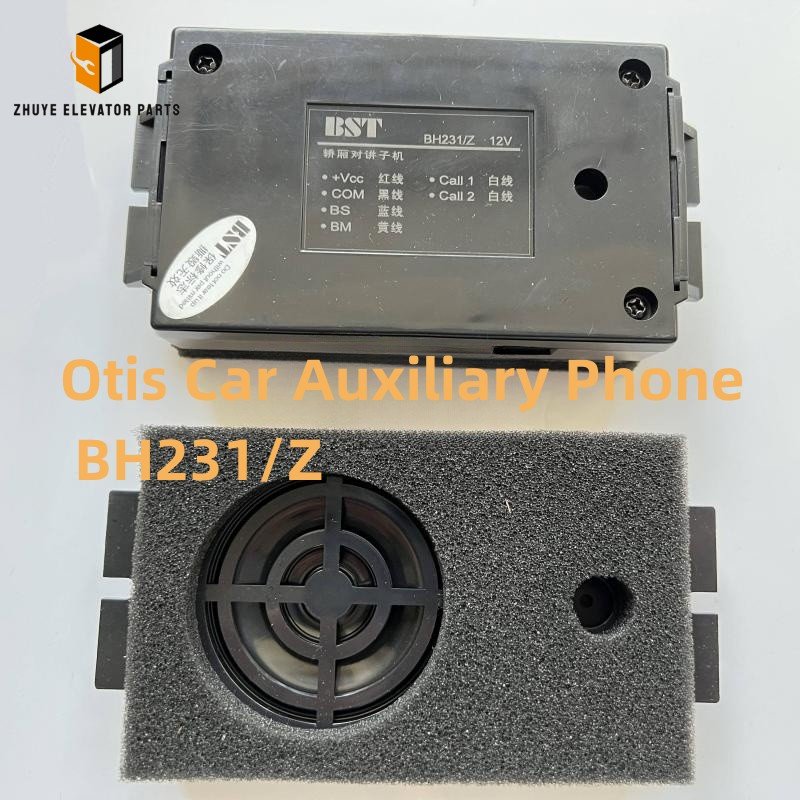
Description
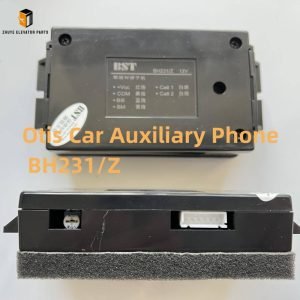
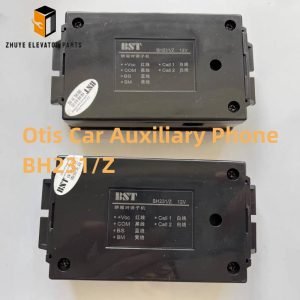
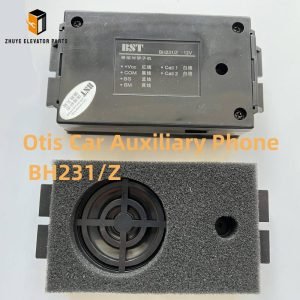
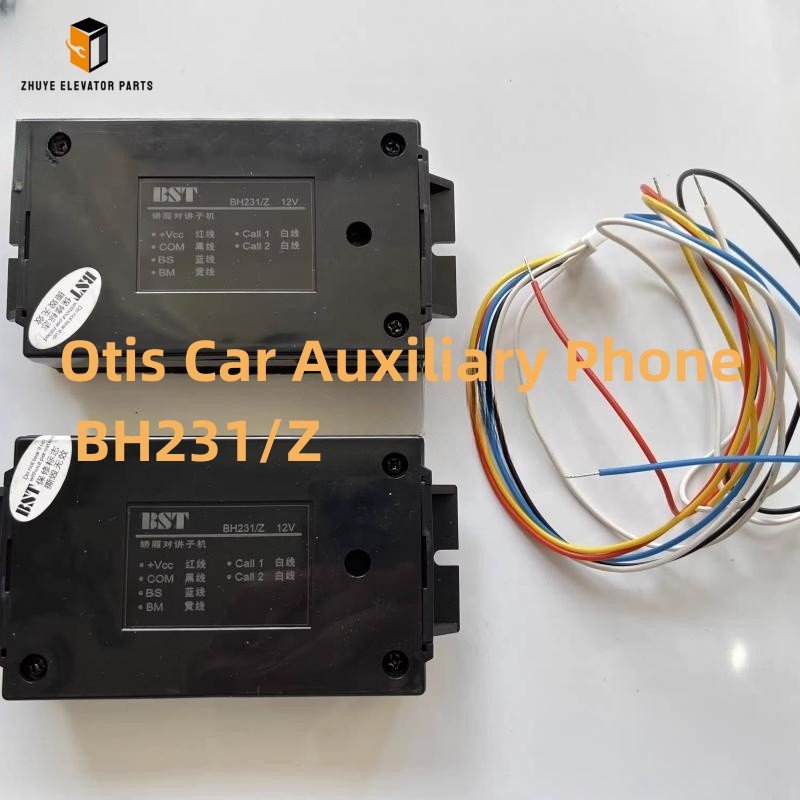
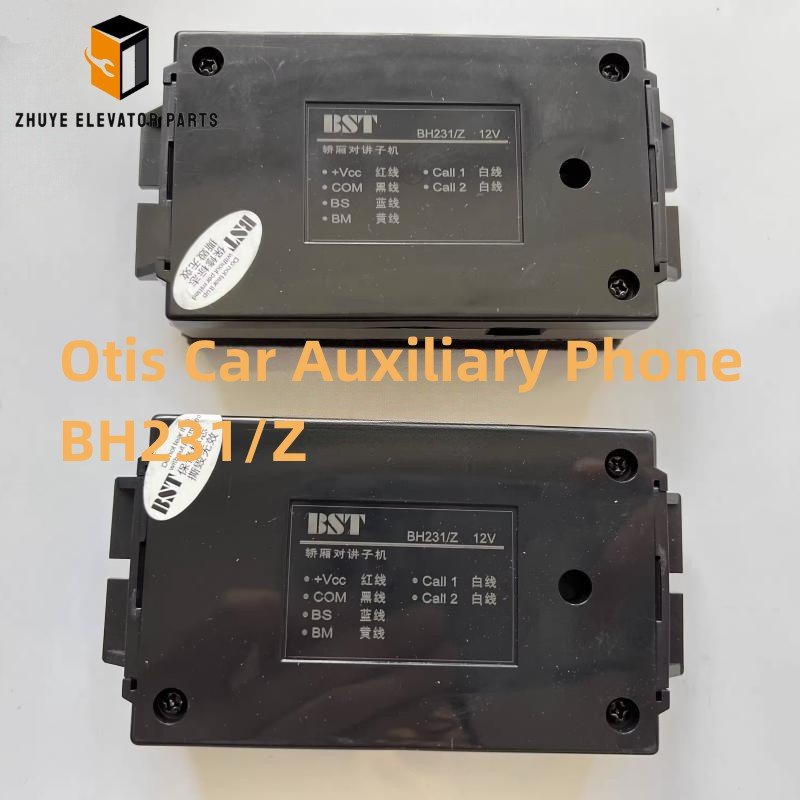
Otis Car Auxiliary Phone BH231/Z Brief introduction
|
Product Name |
Otis Car Auxiliary Phone |
| Model Number |
BH231/Z |
|
Quality
|
Original.Brand New
|
|
Payment
|
T/T. Paypal. Western Union
|
|
Delivery
|
3-5 Working Days
|
|
Packaging
|
Packed by carton
|
Otis Car Auxiliary Telecom Phone BH231/Z – Installation, Operation & Replacement Guide
Nanjing Zhuye Elevator Parts – Global Stock, Local Support
Nanjing Zhuye Elevator Parts – Global Stock, Local Support
In a trapped-passenger situation the elevator tele-com system is the single most regulated device in the car. Otis BH231/Z (often stamped “BH-231/Z-AUX” on the label) is the UL- and CE-listed analog phone that fits every Gen2, SkyRise and HydroFit fixture worldwide. Nanjing Zhuye Elevator Parts keeps thousands of these units on the shelf in Rotterdam and Nanjing so you can restore 24-hour voice communication the same day a handset fails. Below is an 800-word field guide that covers correct usage, periodic testing and the replacement cycle that keeps your elevators code-compliant on five continents.
1. What the BH231/Z does
-
Auto-dials a pre-programmed number when the ALARM button is pressed
-
Provides full-duplex hands-free conversation through the car-top speaker/mic
-
Draws ≤ 0.5 W from the 24 Vdc fixture bus so it will work for 4 h on battery backup
-
Contains a built-line transformer that matches 600 Ω analog PBX loops up to 2 km
-
Meets EN 81-28, ASME A17.1B and CSA B44 voice-communication clauses
2. Tools & parts to carry
-
BH231/Z kit (Nanjing Zhiye part #OT-BH231Z-AUX) which includes phone PCB, plastic front plate, 2 m pre-terminated Cat-3 cable, M4 screws, quick-install card
-
2.5 mm & 3 mm flat screwdrivers
-
RJ-11 crimp tool and spare connectors
-
Multimeter with clip leads
-
Laptop or handset for line-audio test
-
Lock-out / tag-out tags
3. Installation – 15 minutes start to finish
Safety: place the car on inspection, open the main disconnect and verify 0 V on the 24 Vdc rail before opening the COP.
-
Remove the front mask above the alarm button; retain the screws.
-
Unplug the old phone’s RJ-11 and 2-pin power connector. Note the colour code on the terminal strip—red = +24 V, black = 0 V, green = tip, yellow = ring.
-
Slide the old PCB upward; it disengages from the plastic hooks. Discard in your e-waste bin.
-
Fit the new BH231/Z: first hook the top edge, then press the bottom until the latch clicks.
-
Connect the new 2 m cable: RJ-11 to the phone, flying leads to the terminal strip following the colour code you recorded. Tug-test each wire.
-
Restore power. Within 10 s the green STATUS led should blink 3 times and stay on—this means line loop current ≥ 20 mA and the unit is ready.
-
Close the COP, run the car to the lowest landing and perform the five-point functional test described below.
4. Functional test – log it, don’t skip it
a) Press ALARM for 1 s; the unit must seize the line within 3 s and dial the programmed number.
b) Answer the call from the remote phone; confirm two-way audio with no hum or crosstalk.
c) Hang up the remote phone; the BH231/Z must release the line within 5 s.
d) Simulate power failure by switching off the 24 Vdc supply; the elevator battery inverter should take over and the call must still complete.
e) Record date, time, technician name and result in the building logbook. Upload the same data to your cloud CMMS if the site is IoT-enabled.
b) Answer the call from the remote phone; confirm two-way audio with no hum or crosstalk.
c) Hang up the remote phone; the BH231/Z must release the line within 5 s.
d) Simulate power failure by switching off the 24 Vdc supply; the elevator battery inverter should take over and the call must still complete.
e) Record date, time, technician name and result in the building logbook. Upload the same data to your cloud CMMS if the site is IoT-enabled.
5. Periodic inspection schedule
-
Monthly – press ALARM and listen for dial tone; 30-second test is acceptable for high-rise sites.
-
Quarterly – perform full two-way conversation test and measure loop current (target 25–40 mA).
-
Annually – open the COP, check wire insulation for green corrosion, clean the PCB with compressed air, verify the green STATUS led is still visible through the lens.
6. Replacement cycle – calendar or condition, whichever comes first
Otis specification: 5 years. Nanjing Zhuye site data refine this to real-world duty:
-
Light traffic (≤150 starts/day, clean office): 6 years
-
Standard traffic (150–400 starts, residential): 5 years
-
Heavy traffic (≥400 starts, hospital or mall): 4 years
-
Harsh environment (coastal, paper mill, parking garage): 3 years or sooner if the STATUS led turns red during monthly test.
Replace immediately if you see any of the following:
-
Cracked solder joints around the line transformer
-
Audio clipping or total loss of microphone sensitivity
-
RJ-11 jack retention clip broken (vibration will open the circuit)
-
PCB conformal coating turned brown from heat—sign of power-supply over-voltage.
7. Disposal & warranty
Return the old unit to Nanjing Zhuye in the original anti-static bag; we recover gold-plated edge connectors and issue a €5 recycling credit on your next order. Every BH231/Z ships with a 24-month replacement warranty extendable to 60 months when you buy an annual inspection contract from our field team.
8. Why source from Nanjing Zhuye Elevator Parts
-
Same-day shipment from Rotterdam EU or Nanjing CN warehouses
-
Factory-sealed Otis packaging with hologram—no grey-market clones
-
Multilingual install videos accessible by scanning the QR code on the box
-
24/7 technical hotline staffed by ex-Otis service managers
-
Bundle pricing: buy 10 phones and receive a free RJ-11 crimp kit plus freight credit
9. Bottom line
The BH231/Z is inexpensive insurance against a trapped-passenger lawsuit. Keep one in every service vehicle, swap it in 15 minutes, and test it before you leave the site. Code inspectors love to see a fresh logbook entry; building owners love the tiny price tag. Order today from Nanjing Zhuye Elevator Parts and your elevators will stay one phone call away from help—today, next year and for the full five-year replacement cycle.