Description
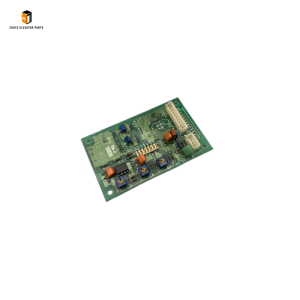
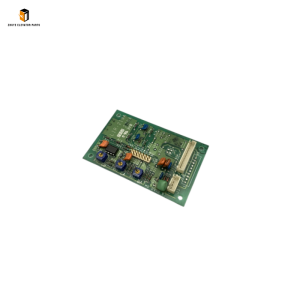
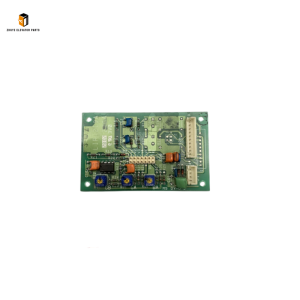
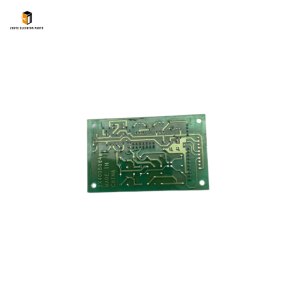
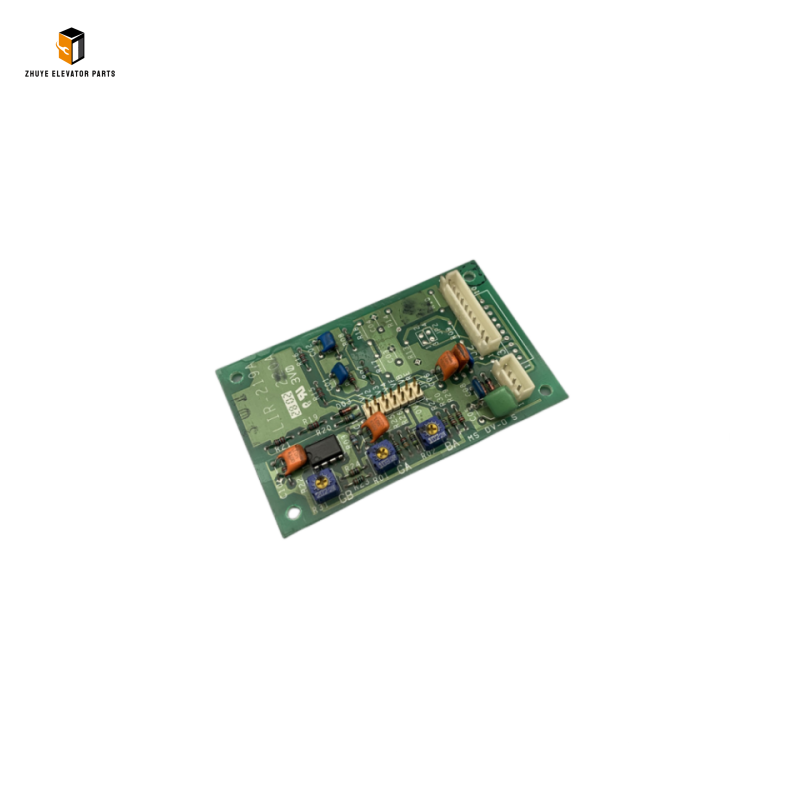
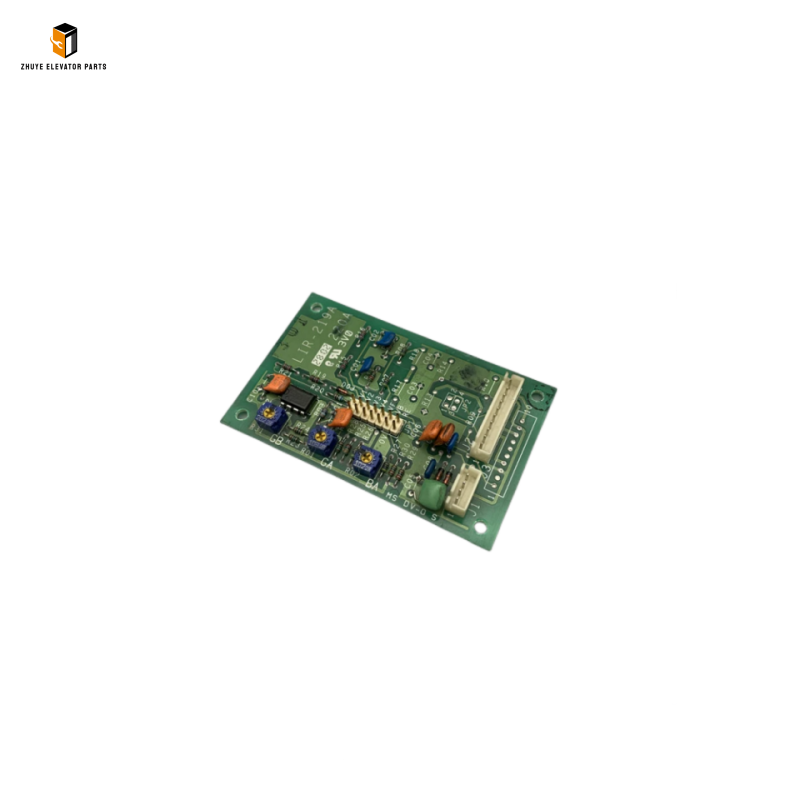
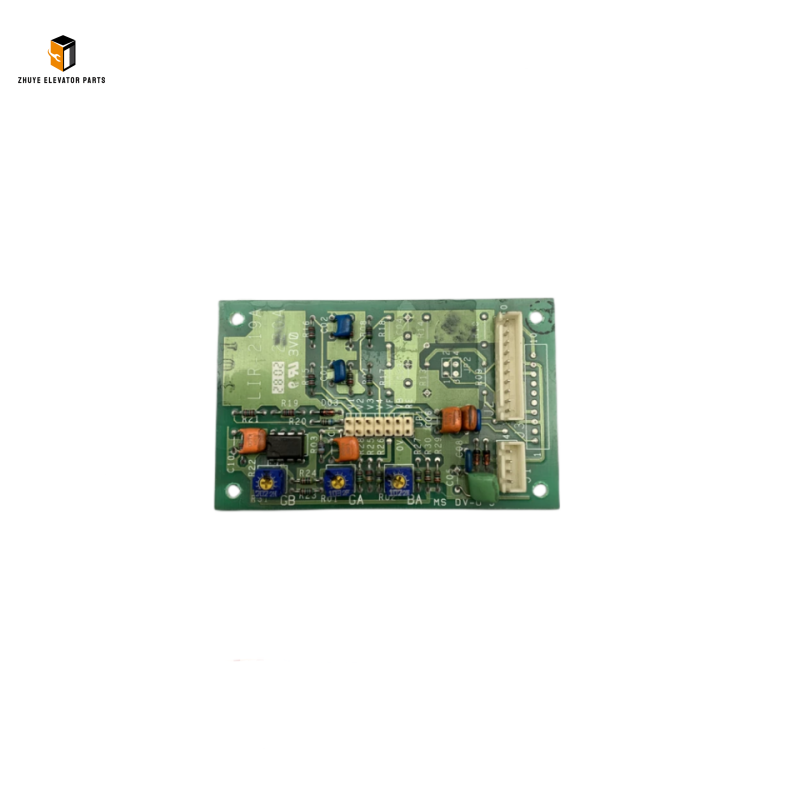
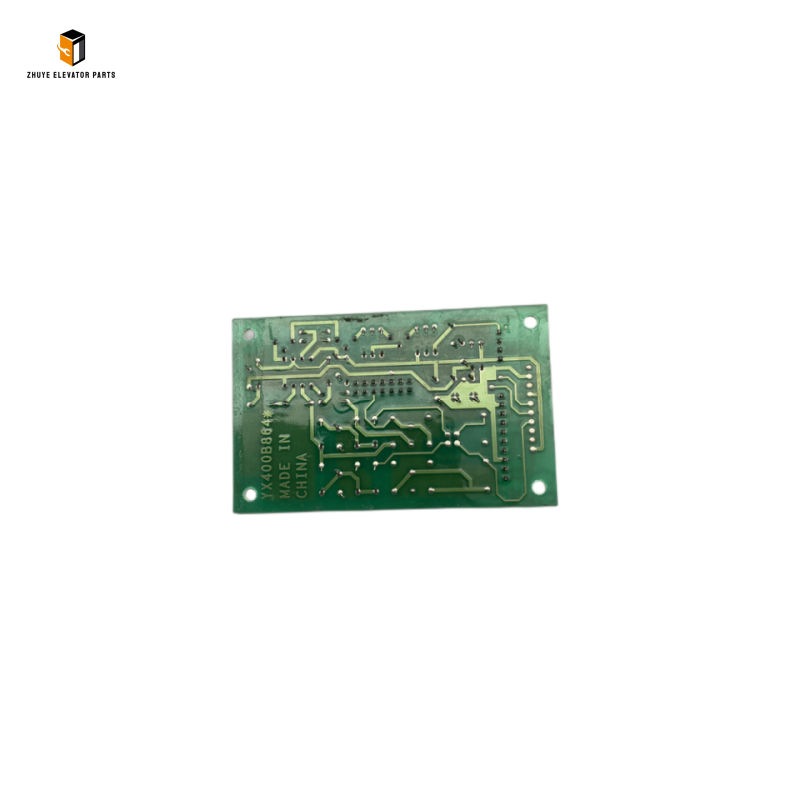
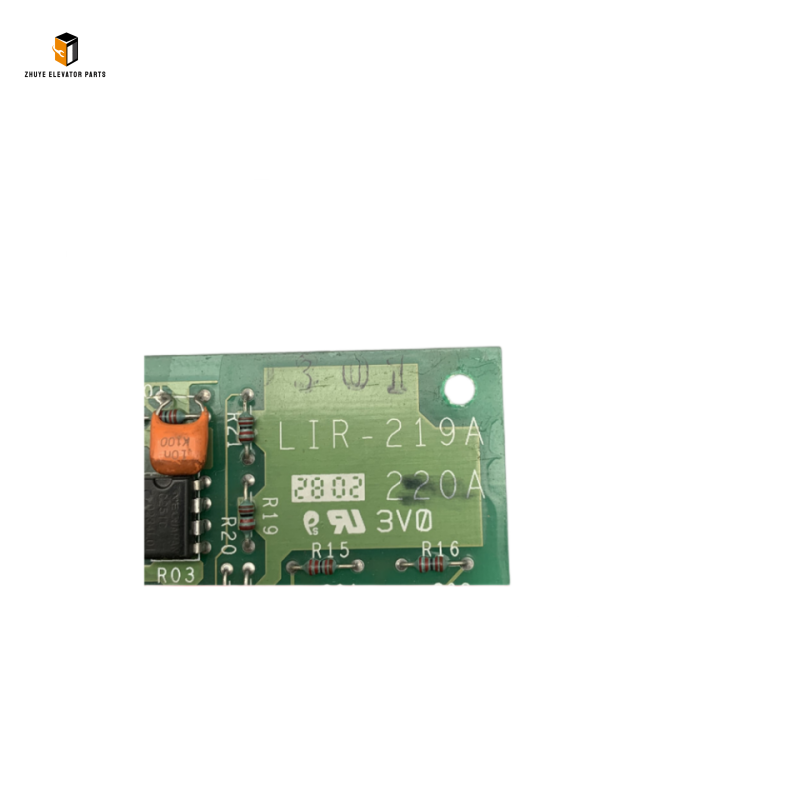
Mitsubishi elevator weight device board LIR-218A Introduction
|
Product Name |
Mitsubishi elevator weight device board |
| Model Number | LIR-218A
LIR-219A LIR-220A LIR-226A |
|
Quality
|
Original.Brand New
|
|
Payment
|
T/T. Paypal. Western Union
|
|
Delivery
|
3-5 Working Days
|
|
Packaging
|
Packed by carton
|
Mitsubishi Elevator Weight Device Board LIR-218A: Usage Guide, Replacement Cycle & Trusted Supply from Nanjing Zhuye
The Mitsubishi Elevator Weight Device Board LIR-218A is a mission-critical safety component exclusively engineered for Mitsubishi elevator systems—including NexWay, ELENESSA, and MAXIEZ series—essential for commercial high-rises, residential complexes, hospitals, and public facilities worldwide. As the “load guardian” of the elevator, this board accurately measures the weight of passengers and cargo in the car, transmits real-time load data to the main control system, and activates critical safety mechanisms (e.g., overload alarms, restricted operation) to prevent overloading. It integrates Mitsubishi’s proprietary strain gauge signal processing, high-precision analog-to-digital conversion (ADC), and redundant safety logic—upholding the brand’s strict standards for load accuracy (±1.5% of rated capacity), reliability, and operational safety.
Compliant with global elevator safety and measurement standards (EN 81-20/50, OIML R61, ISO 9001, UL 1012), the LIR-218A features a rugged, interference-resistant design: multi-layer PCB with conformal coating (resists dust, moisture, and electromagnetic interference), shielded signal terminals (minimizes noise), flame-retardant ABS housing (UL94 V0 rating), and built-in overload protection circuits. This construction withstands 24/7 operation in elevator car bottoms or machine rooms, enduring temperature fluctuations (-10°C to +55°C), mechanical vibration, and electrical grid instability—critical for preventing traction system damage, elevator malfunctions, or catastrophic failures due to overloading. For maintenance teams, facility managers, and elevator service providers, mastering proper installation, calibration, and replacement timelines is vital to ensuring regulatory compliance, passenger safety, and optimal elevator performance. Nanjing Zhuye Elevator Parts, a trusted supplier of authentic Mitsubishi components, delivers the LIR-218A that meets Mitsubishi’s original manufacturing specifications—guaranteeing seamless compatibility, precise load detection, and long-term reliability.
Proper Usage Methods of Mitsubishi LIR-218A Weight Device Board
1. Pre-Installation Preparation
Before installation or replacement, prioritize safety by shutting off the elevator’s main power supply, engaging the emergency stop button, and securing the work area (elevator car bottom or machine room control cabinet) with warning signs and lockout-tagout (LOTO) devices. Inspect the new LIR-218A for physical damage—cracked PCB traces, bent terminals, swollen capacitors, or corrosion on signal ports—defects that can cause inaccurate weight detection or electrical hazards. Nanjing Zhuye’s strict quality control process ensures each unit arrives in optimal condition: intact signal processing circuits, functional ADC modules, secure solder joints, and pre-loaded Mitsubishi-compatible firmware.
Verify compatibility with your Mitsubishi elevator model by cross-referencing the technical manual or consulting Nanjing Zhuye’s technical support team. Ensure three key details align: (1) the board’s signal input type matches the elevator’s load sensors (e.g., strain gauges, load cells), (2) the mounting dimensions (typically 150x100x35mm) fit the car bottom or control cabinet slot, and (3) the power supply requirements (24V DC ±10%) are compatible with the elevator’s electrical system. Using an incompatible weight device board can result in incorrect load readings, disabled safety features, or persistent fault codes. Additionally, prepare the installation area: Clean the mounting location to remove dust and debris, disconnect the old board’s wiring (label signal, power, and communication cables for easy reinstallation), and gather necessary tools (screwdriver set, multimeter, certified calibration weights).
2. Installation & Calibration Steps
- Board Installation: Align the LIR-218A with the mounting brackets in the car bottom or control cabinet, ensuring signal terminals face the load sensor wiring for minimal cable length (reduces interference). Secure the board with the provided screws (torque to 0.7–1.0 Nm) to prevent vibration-induced movement—over-tightening can damage the PCB or housing. Connect the cabinet’s grounding cable to the board’s earth terminal (green/yellow) to reduce electromagnetic interference.
- Wiring & Connection: Connect the load sensor cables (typically 4-wire or 6-wire strain gauge connections) to the board’s signal input terminals, following Mitsubishi’s wiring schematic exactly. Ensure correct polarity and shielding to avoid signal noise that compromises accuracy. Connect the power supply cables (24V DC ±10%) to the positive (+) and negative (-) terminals, and the communication cable to the elevator’s main control board (e.g., DOR-143A, main control unit). Tighten terminal screws to 1.0–1.2 Nm to ensure secure, low-resistance connections.
- Calibration & Testing: Restore power to the elevator (performed exclusively by certified Mitsubishi technicians) and calibrate the weight device board using Mitsubishi’s diagnostic software (e.g., MELDAS):
- Zero Calibration: Ensure the elevator car is empty, then initiate zero calibration to set the board’s baseline weight (eliminates residual load detection errors).
- Load Calibration: Place certified calibration weights (25%, 50%, 75%, 100%, and 110% of the elevator’s rated capacity) in the car, and calibrate the board to match each weight point for precision.
- Safety Function Test: Verify the overload alarm activates when exceeding 110% of rated capacity, and the elevator restricts acceleration or refuses to operate until the load is reduced—confirming compliance with safety standards.
Document calibration data, installation details, and test results in maintenance records to demonstrate compliance with regulatory requirements.
3. Routine Usage Maintenance
To preserve the LIR-218A’s accuracy and extend its lifespan, implement proactive maintenance practices tailored to load monitoring components:
- Daily Visual Inspections: Check the board for loose wiring, physical damage, or signs of overheating (discoloration of PCB, burning odors, or hot components). Verify the status LED (green = normal, red = fault) shows no active errors.
- Weekly Zero Check: Confirm the board’s zero weight reading is accurate when the car is empty—adjust zero calibration if deviations exceed ±1% of rated capacity.
- Monthly Load Test: Test the board with known weights (e.g., standard cargo or a group of passengers) to ensure weight detection accuracy and consistency across floor cycles.
- Quarterly Wiring Check: Inspect load sensor and communication cables for fraying, insulation damage, or corrosion—tighten terminals or replace cables with genuine Mitsubishi-compatible wires from Nanjing Zhuye if needed.
- Semi-Annual Calibration Validation: Re-calibrate the board using certified weights to maintain accuracy and compliance with EN 81 and OIML regulations (required for annual safety inspections).
Recommended Replacement Cycle
The service life of the Mitsubishi LIR-218A Weight Device Board depends on usage intensity (daily load cycles, environmental conditions), and maintenance quality. Based on Mitsubishi’s engineering standards and Nanjing Zhuye’s technical expertise:
1. Standard Replacement Cycle
Under normal operating conditions (12–18 hours daily use, regular calibration, ambient temperature -10°C to +55°C), the LIR-218A should be replaced every 7–9 years. This timeframe aligns with the typical lifespan of high-precision ADC modules and signal processing circuits, ensuring proactive replacement before accuracy degrades below regulatory thresholds.
2. Signs That Require Immediate Replacement
Replace the weight device board immediately if:
- Accuracy Issues: Weight readings are inconsistent, inaccurate (deviations >±3% of rated capacity), or fail to update—compromises overload safety and operational efficiency.
- Safety Function Failure: Overload alarm does not activate when exceeding rated capacity, or the elevator operates normally under overloaded conditions—violates EN 81/50 and local safety regulations.
- Persistent Fault Codes: The main control board displays load-related errors (e.g., “Weight Sensor Communication Loss,” “Calibration Failed”) that cannot be resolved by re-calibration or wiring checks.
- Physical Damage: Cracked PCB, water intrusion, or burned components—signaling irreparable internal damage and safety risks.
- Regulatory Non-Compliance: Fails annual safety inspections due to inaccurate weight detection or non-functional overload protection.
3. Maintenance to Extend Service Life
- Environmental Control: Keep the mounting location (car bottom or control cabinet) clean, dry, and well-ventilated. Maintain temperature between 10°C–45°C and humidity <80%—extreme conditions degrade ADC accuracy and sensor signal quality.
- Power Stabilization: Install external surge protectors to shield the board from voltage spikes, which can damage sensitive signal processing circuits.
- Sensor Care: Regularly inspect and clean load sensors (strain gauges/load cells)—debris, corrosion, or physical damage to sensors directly impacts weight detection accuracy.
- Genuine Parts Only: Use exclusively authentic Mitsubishi LIR-218A weight device boards from Nanjing Zhuye. Counterfeit units lack Mitsubishi’s precision calibration, display inaccurate weights, and risk overloading hazards.
Why Choose Nanjing Zhuye Elevator Parts for Mitsubishi LIR-218A?
When sourcing a critical safety component like the Mitsubishi weight device board, Nanjing Zhuye offers unmatched advantages for safety-focused professionals:
- Authenticity & Compatibility: All units are genuine Mitsubishi components, ensuring seamless integration with NexWay/ELENESSA/MAXIEZ elevator systems—eliminating fit, function, or communication issues.
- Strict Quality Assurance: Each board undergoes rigorous testing (weight detection accuracy, safety logic validation, environmental resistance) to meet Mitsubishi’s original manufacturing and safety standards.
- Expert Technical Support: Certified engineers provide 24/7 assistance for installation, calibration, troubleshooting, and compatibility verification—even for legacy Mitsubishi models.
- Global Efficient Delivery: Fast shipping minimizes elevator downtime, critical for residential and commercial facilities where safety compliance is non-negotiable.
- Competitive Pricing: Direct sourcing from Mitsubishi’s authorized channels eliminates middlemen, offering cost-effective solutions without compromising safety or accuracy.
Conclusion
The Mitsubishi Elevator Weight Device Board LIR-218A is a foundational safety component that ensures elevator load compliance, protects critical machinery, and safeguards passengers from overloading hazards. By following proper installation, calibration, and maintenance practices—paired with Nanjing Zhuye Elevator Parts’ authentic components—you can maintain regulatory compliance, optimize elevator performance, and uphold the highest safety standards. Whether you need a single replacement board, bulk orders for a building fleet, or technical support for calibration teams, Nanjing Zhuye delivers premium Mitsubishi components and tailored professional services. Invest in elevator safety and precision—choose Nanjing Zhuye Elevator Parts for your LIR-218A weight device board requirements.