

Description
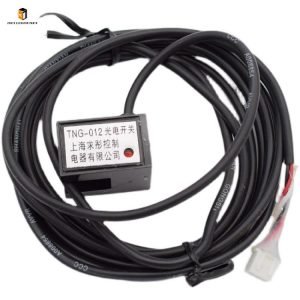
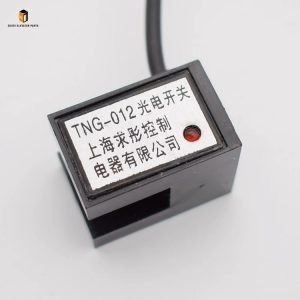
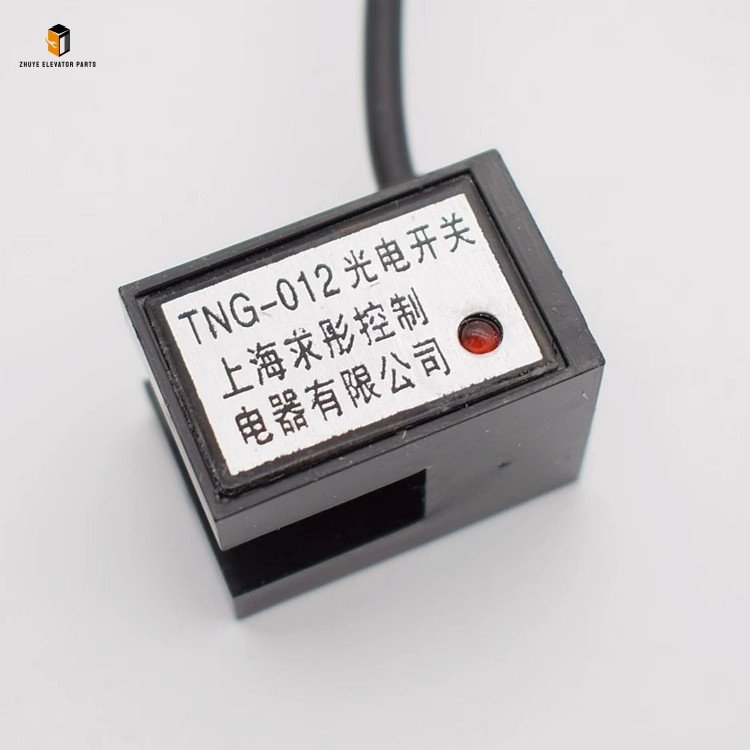
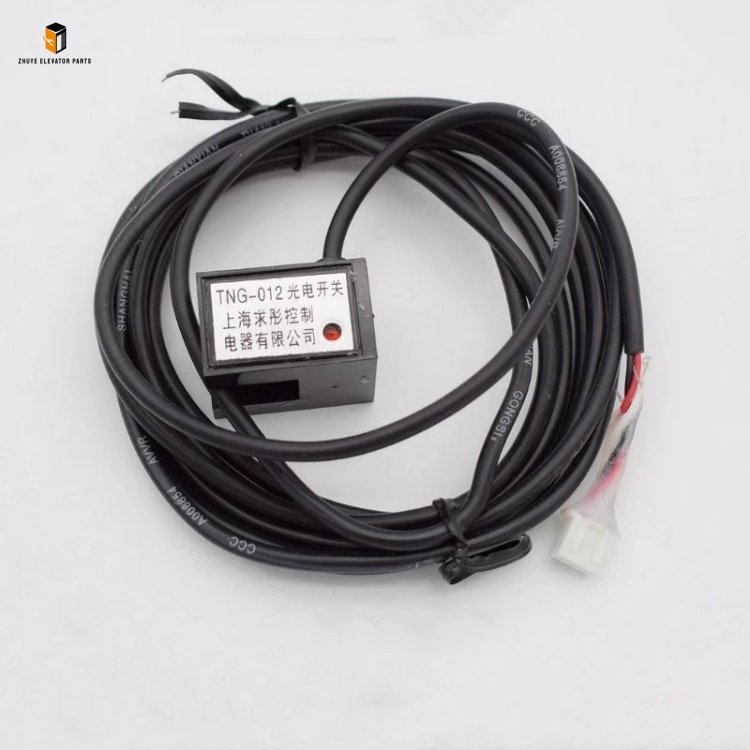
Mitsubishi elevator sensor TNG-012 Brief Introduction
|
Product Name |
Mitsubishi elevator sensor |
| Model Number | TNG-012 |
|
Quality
|
Original.Brand New
|
|
Payment
|
T/T. Paypal. Western Union
|
|
Delivery
|
3-5 Working Days
|
|
Packaging
|
Packed by carton
|
Mitsubishi Elevator Sensor TNG-012: Precision-Driven Safety for Elevator Systems
In the intricate landscape of elevator safety and functionality, sensors serve as the critical “eyes and ears” that enable accurate position detection, motion control, and hazard prevention. Among the most trusted components for Mitsubishi elevator systems is the Mitsubishi Elevator Sensor TNG-012, a high-performance product distributed and supported by Nanjing Zhuye Elevatorparts—a leading supplier renowned for its premium elevator components and reliable after-sales service. Engineered to perfectly match the specifications of Mitsubishi elevators, the TNG-012 sensor plays an indispensable role in ensuring smooth, precise, and secure elevator operations for both residential and commercial buildings.
The core function of the TNG-012 sensor lies in its ability to detect the elevator car’s position, speed, and door status in real time, transmitting accurate data to the elevator’s control system. Specifically designed for Mitsubishi elevator models, this sensor excels in leveling control, door interlock monitoring, and overload detection, effectively preventing misalignment, door malfunctions, and overloading incidents. What sets the TNG-012 apart is its high sensitivity and anti-interference performance, which allows it to maintain stable operation even in harsh elevator shaft environments with dust, humidity, and electromagnetic interference— a testament to its robust design and compatibility with Mitsubishi’s stringent standards.
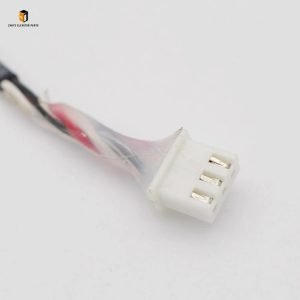
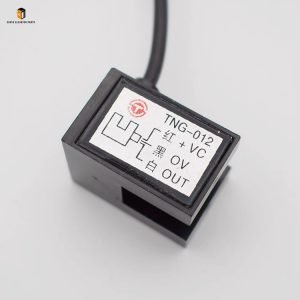
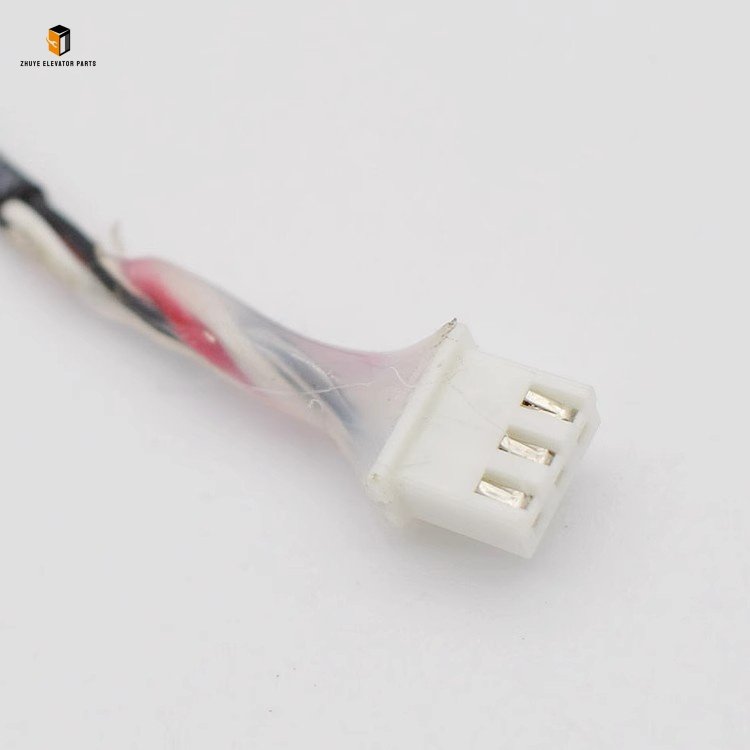
Using the Mitsubishi Elevator Sensor TNG-012 from Nanjing Zhuye Elevatorparts requires strict adherence to professional installation protocols to guarantee optimal functionality and compatibility. First and foremost, ensure the elevator is fully powered off and locked out in compliance with industry safety regulations to prevent accidental startup during installation. Next, locate the designated mounting position—typically on the elevator car frame or guide rail, as specified in Mitsubishi’s elevator maintenance manual. Clean the mounting surface thoroughly to remove dust, rust, or debris, then secure the sensor firmly using the specialized fasteners provided by Nanjing Zhuye Elevatorparts. After physical installation, connect the sensor’s wiring harness to the elevator’s control panel according to the wiring diagram, ensuring correct polarity and tight connections to avoid signal loss or short circuits. Finally, conduct a comprehensive test run: operate the elevator at low speed to verify that the sensor transmits accurate position data, triggers door opening/closing commands precisely, and activates overload alerts when needed. Adjust the sensor’s position if necessary to achieve optimal detection accuracy.
While the TNG-012 sensor is built with durable, corrosion-resistant materials to withstand long-term use, timely replacement is essential to maintain elevator safety and performance. Nanjing Zhuye Elevatorparts recommends a standard replacement cycle of 24–30 months under normal operating conditions. This timeline is based on the gradual wear of internal electronic components and the degradation of sensing sensitivity caused by prolonged exposure to elevator shaft environments. For elevators in high-traffic locations such as shopping malls, hospitals, and high-rise office buildings—where the sensor is triggered hundreds of times daily—the replacement cycle should be shortened to 18–24 months, as frequent operation accelerates component aging. For low-frequency usage scenarios like private villas or small warehouses, the cycle can be extended moderately but should never exceed 36 months, as prolonged use increases the risk of signal delay or failure.
In addition to following the recommended replacement cycle, maintenance teams should conduct routine inspections during regular elevator servicing. Key checkpoints include examining the sensor for physical damage, checking wiring connections for looseness, and testing signal transmission stability. If any abnormalities are detected—such as inaccurate leveling, delayed door responses, or frequent false overload alerts—the sensor must be replaced immediately, regardless of its current service life. Delaying replacement can lead to serious safety hazards, including elevator misalignment, door malfunctions, or even sudden stops, endangering passenger safety and increasing maintenance costs.
Nanjing Zhuye Elevatorparts has long been dedicated to providing elevator operators with genuine, high-quality components that meet strict OEM standards, and the Mitsubishi Elevator Sensor TNG-012 is a prime example of this commitment. By choosing this sensor and adhering to proper installation and replacement guidelines, elevator maintenance teams can ensure the long-term stability and safety of Mitsubishi elevator systems, delivering a smooth and worry-free riding experience for passengers.
In conclusion, the Mitsubishi Elevator Sensor TNG-012 is a small yet critical component that underpins the safety and efficiency of Mitsubishi elevator systems. With Nanjing Zhuye Elevatorparts’ reliable supply and professional support, building managers can safeguard their elevator infrastructure, ensuring optimal performance and passenger satisfaction for years to come.