
Description
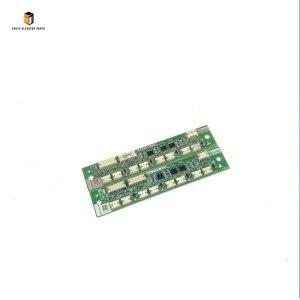
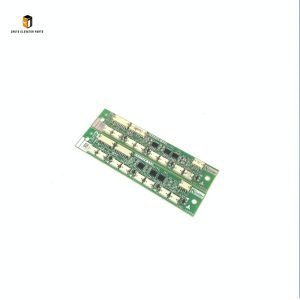
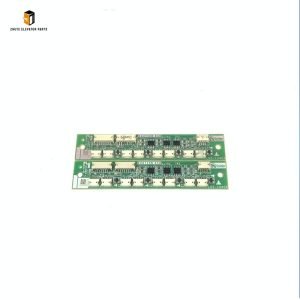
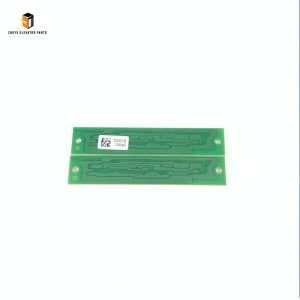
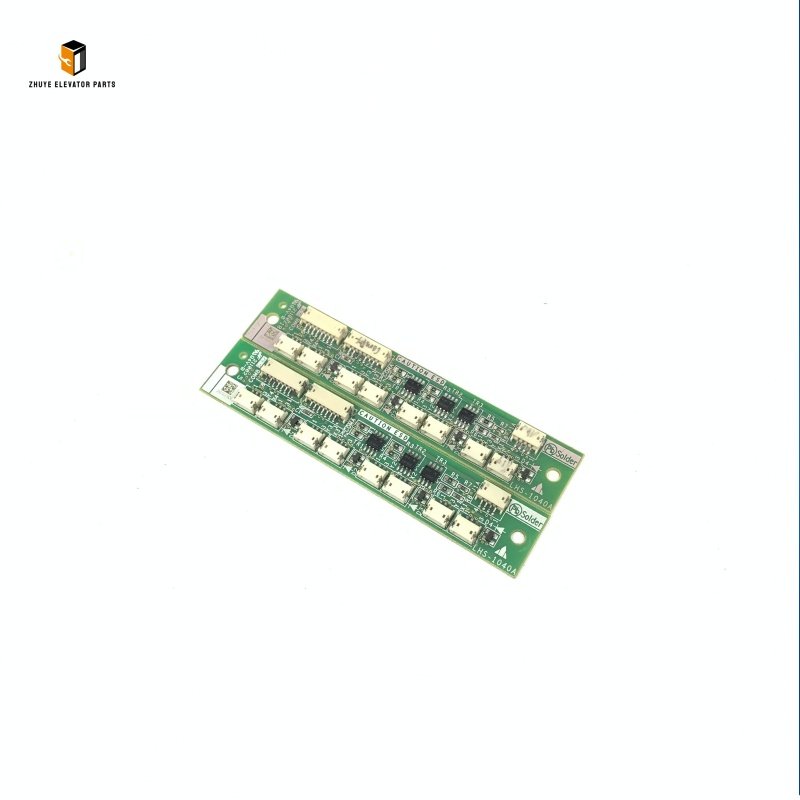
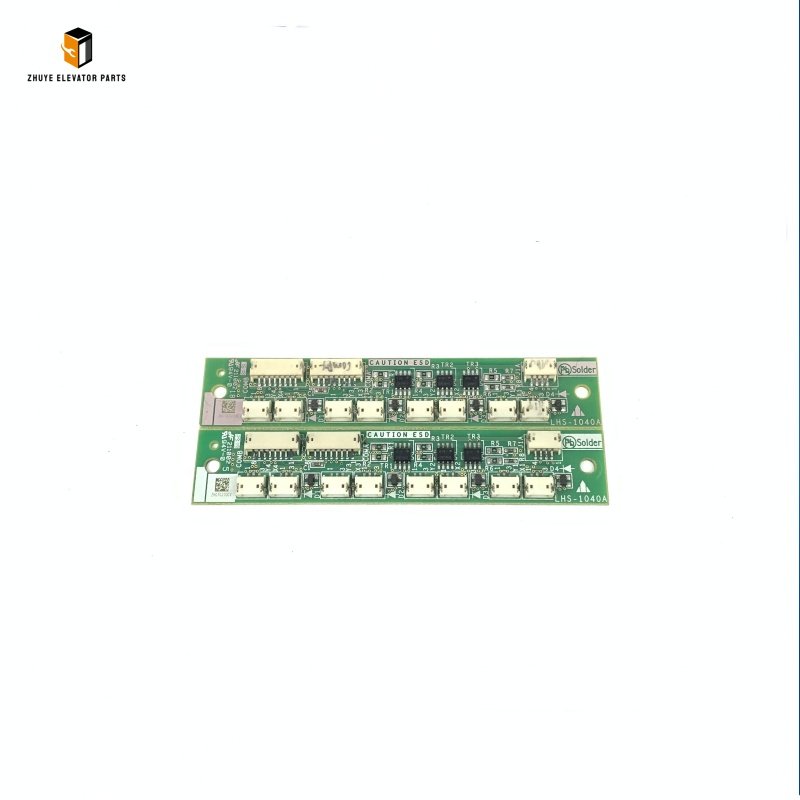
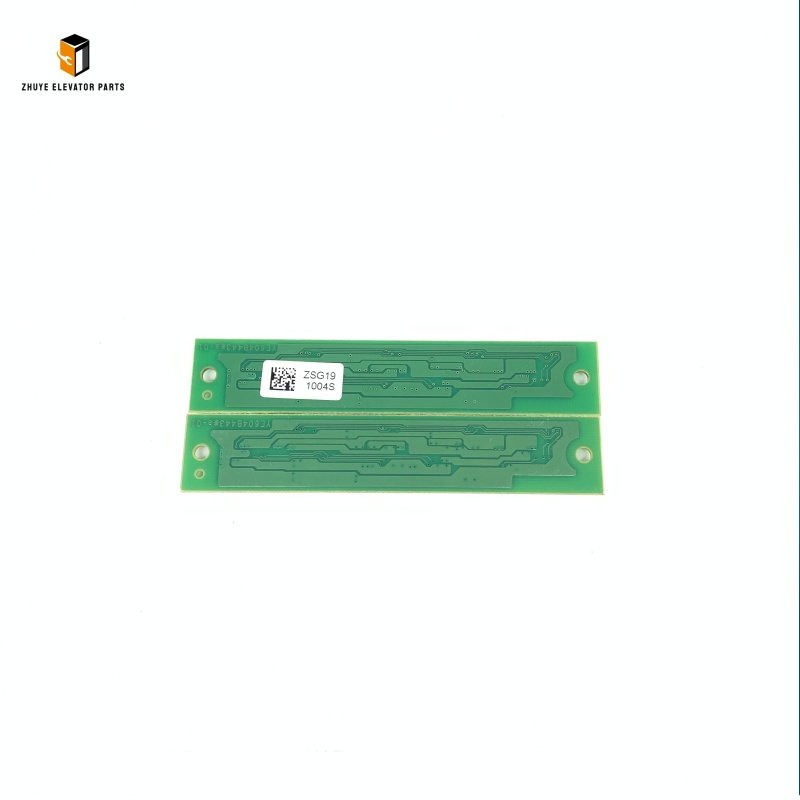
Mitsubishi Elevator Push Button Board LHS-1040A Brief Introduction
|
Product Name |
Mitsubishi Elevator Push Button Board |
| Model Number | LHS-1040A
LHS-1000A P235083B181G02 P235083B181G05 |
|
Quality
|
Original.Brand New
|
|
Payment
|
T/T. Paypal. Western Union
|
|
Delivery
|
3-5 Working Days
|
|
Packaging
|
Packed by carton
|
Mitsubishi Elevator Push Button Board LHS-1040A: Usage Guide, Replacement Cycle & Trusted Supply from Nanjing Zhuye
The Mitsubishi Elevator Push Button Board LHS-1040A is a specialized user input component exclusively engineered for Mitsubishi elevator systems—widely deployed in commercial high-rises, residential towers, public transit facilities, and office buildings. As the primary interface between passengers and the elevator control system, this board houses floor selection buttons, emergency buttons (e.g., stop, alarm), and function keys, enabling intuitive operation and critical safety communications. It directly impacts passenger experience by ensuring responsive button feedback and reliable signal transmission, while upholding Mitsubishi’s strict safety and usability standards.
Compliant with global safety and electronic standards (EN 81, ASME A17.1, IEC 61010, ISO 9001), the LHS-1040A features a robust, user-centric design: tactile, wear-resistant push buttons (with LED backlighting for visibility), scratch-resistant front panel, anti-interference circuitry, and Mitsubishi-specific communication interfaces. This construction withstands heavy daily use (up to 1 million button presses per key) and harsh elevator environments—including temperature fluctuations (-10°C to +50°C), vibration, dust, and occasional moisture exposure. For maintenance teams, facility managers, and property operators, mastering the correct installation, configuration, and replacement timelines of this board is vital to avoid input failures, passenger inconvenience, or safety communication gaps. Nanjing Zhuye Elevator Parts, a trusted supplier of authentic Mitsubishi components, delivers the LHS-1040A that meets Mitsubishi’s original manufacturing specifications—guaranteeing seamless compatibility, responsive performance, and long-term durability.
Proper Usage Methods of Mitsubishi Elevator Push Button Board LHS-1040A
1. Pre-Installation Preparation
Before installing the LHS-1040A, prioritize safety by shutting off the elevator’s main power supply and securing the car operating panel (COP) or landing door panel (LDP) area with a lockout tag. Inspect the push button board for physical damage—such as cracked front panels, non-responsive buttons, loose connectors, or burn marks on the circuit board—defects that can impair user input or cause system communication errors. Nanjing Zhuye Elevator Parts conducts rigorous Mitsubishi-specific quality control checks, so each unit arrives in optimal condition: all buttons responsive with consistent tactile feedback, LED backlights functioning uniformly, intact wiring harnesses, pre-loaded Mitsubishi-compatible firmware, and pre-tested electrical continuity.
Additionally, verify compatibility with your Mitsubishi elevator model (e.g., MAXIEZ, NEXIEZ, ELENESSA) by cross-referencing the technical manual or consulting Nanjing Zhuye’s technical support team. Ensure the board’s button configuration (floor count, function keys), voltage rating (typically 24V DC), communication protocol (Mitsubishi proprietary CAN bus), and mounting dimensions match your elevator’s COP/LDP requirements—incorrect sizing or configuration can render the board inoperable.
2. Installation & Configuration Steps
- Board Installation:
- Access the elevator’s COP (inside the cab) or LDP (outside the hoistway doors) where the push button board is mounted. Remove the panel cover using a screwdriver (taking care not to scratch the surface) and disconnect the old board by detaching the wiring harness—label the connector to ensure correct reconnection. Clean the mounting recess to remove dust, debris, or adhesive residue that could interfere with the board’s fit.
- Align the LHS-1040A with the mounting recess, ensuring the front panel is flush with the COP/LDP surface. Secure the board with provided screws (torque to 0.3–0.5 Nm, following Mitsubishi’s specifications) to prevent vibration-induced loosening. Reconnect the wiring harness to the corresponding connector, ensuring a firm lock to avoid signal loss or intermittent connectivity.
- Configuration Setup:
- Power on the elevator and confirm the LHS-1040A initializes correctly (all button LEDs flash briefly, then illuminate steadily). Access the configuration menu via Mitsubishi-approved diagnostic software (e.g., MELDAS) by certified technicians:
- Button Mapping: Sync the board with the Mitsubishi main controller to ensure each floor button and function key transmits the correct signal (e.g., “3rd Floor” button triggers the elevator to travel to floor 3).
- LED Brightness Adjustment: Set the LED backlight brightness to suit different lighting conditions (e.g., dimmer for nighttime operation) as specified in Mitsubishi’s user experience guidelines.
- Function Key Configuration: Activate or deactivate specialized functions (e.g., fire service mode, VIP access) based on the building’s requirements.
- Power on the elevator and confirm the LHS-1040A initializes correctly (all button LEDs flash briefly, then illuminate steadily). Access the configuration menu via Mitsubishi-approved diagnostic software (e.g., MELDAS) by certified technicians:
- Functional Testing:
- Conduct comprehensive tests (by certified technicians only):
- Button Responsiveness Test: Press each button multiple times to confirm immediate feedback (LED illumination, audible beep if enabled) and accurate signal transmission to the main controller.
- Emergency Function Test: Trigger emergency buttons (stop, alarm) to verify the main controller responds appropriately (e.g., elevator stops, alarm sounds) in compliance with Mitsubishi’s safety protocols.
- Environmental Adaptation Test: Operate the buttons under different temperature and humidity conditions to ensure consistent performance—no sticking or delayed response.
- Document configuration settings and test results in maintenance records to demonstrate compliance with Mitsubishi’s service standards.
- Conduct comprehensive tests (by certified technicians only):
3. Routine Usage Maintenance
To preserve the LHS-1040A’s performance and extend its lifespan, implement these proactive maintenance practices:
- Weekly Visual Inspections: Check for loose mounting screws, cracked front panels, or debris around the buttons. Clean the panel surface with a soft, lint-free cloth—avoid abrasive cleaners or solvents that can scratch the panel or damage button surfaces.
- Monthly Button Function Checks: Test each button for responsiveness and consistent LED illumination. Note any sticky or non-responsive buttons for immediate attention.
- Quarterly Wiring & Connection Inspections: Inspect the wiring harness and connector for fraying, corrosion, or loose contacts. Tighten connections as needed or replace damaged cables with genuine Mitsubishi parts from Nanjing Zhuye—poor connections are a leading cause of input failures.
- Semi-Annual Firmware Updates: Update the board’s firmware (as recommended by Mitsubishi or Nanjing Zhuye) to enhance button response speed, fix software bugs, and improve compatibility with Mitsubishi system upgrades.
- Annual Deep Cleaning: Remove the board from the COP/LDP (following safety protocols) to clean dust from the circuit board and button contacts—accumulated dust can cause electrical interference or button sticking.
Recommended Replacement Cycle
The service life of the Mitsubishi Elevator Push Button Board LHS-1040A depends on usage intensity (daily button presses), environmental conditions (dust, humidity, temperature), and maintenance quality. Based on Mitsubishi’s engineering standards and Nanjing Zhuye’s technical expertise:
1. Standard Replacement Cycle
Under normal operating conditions (12–18 hours of daily use, regular maintenance, clean environment), the LHS-1040A should be replaced every 6–8 years. This timeframe accounts for gradual button wear (loss of tactile feedback), LED degradation, connector fatigue, and firmware obsolescence—ensuring the board maintains responsive operation, clear visibility, and compatibility with Mitsubishi system upgrades. Proactive replacement reduces the risk of passenger frustration or safety communication failures.
2. Signs That Require Immediate Replacement
Replace the push button board immediately if you encounter any of the following issues:
- Input Failures: Buttons are unresponsive, sticky, or require excessive force to operate—impairing passenger ability to select floors or trigger emergency functions.
- LED Malfunctions: LED backlights burn out, flicker, or fail to illuminate—reducing button visibility and violating Mitsubishi’s user experience standards.
- Communication Errors: The board fails to sync with the Mitsubishi main controller, resulting in incorrect floor selections or non-functional emergency buttons—despite wiring checks and firmware updates.
- Physical Damage: Cracked front panel, water intrusion, or irreparable circuit board damage—compromising functionality or posing electrical hazards.
- Performance Degradation: Frequent button sticking, delayed response, or intermittent connectivity that cannot be resolved with cleaning or troubleshooting.
3. Maintenance to Extend Service Life
To maximize the LHS-1040A’s lifespan and minimize replacement costs:
- Protect from Environmental Damage: Ensure the COP/LDP is sealed properly to prevent dust, moisture, or debris from entering the board. Avoid direct sunlight exposure to reduce LED degradation.
- Handle with Care: Avoid hitting or pressing buttons excessively hard—impact can damage internal button mechanisms or the circuit board. Use proper tools when removing or reinstalling the board to prevent connector damage.
- Prevent Overvoltage: Install surge protectors to shield the board from voltage spikes—common causes of circuit board damage in Mitsubishi elevators.
- Use Genuine Parts Only: For repairs or replacements, rely exclusively on authentic Mitsubishi components from Nanjing Zhuye. Counterfeit boards may have inferior buttons, low-quality LEDs, or incompatible firmware—compromising performance, safety, and Mitsubishi’s warranty coverage.
Why Choose Nanjing Zhuye Elevator Parts?
When sourcing the Mitsubishi Elevator Push Button Board LHS-1040A, Nanjing Zhuye Elevator Parts offers unmatched advantages for safety-focused professionals:
- Authenticity & Mitsubishi Compatibility: All LHS-1040A boards are manufactured to Mitsubishi’s original specifications, ensuring seamless integration with Mitsubishi elevator systems and compliance with global safety/electronic standards.
- Strict Mitsubishi-Specific Quality Assurance: Each unit undergoes rigorous testing—including button responsiveness, LED uniformity, communication protocol validation, and environmental resistance—to guarantee reliable operation in critical user input scenarios.
- Expert Technical Support: Nanjing Zhuye’s certified engineers specialize in Mitsubishi elevator systems, providing 24/7 assistance for installation, configuration, and troubleshooting (e.g., unresponsive buttons, communication errors) in Mitsubishi elevators.
- Global Efficient Delivery: With a robust supply chain and logistics network, Nanjing Zhuye delivers push button boards promptly worldwide, minimizing elevator downtime during replacement—critical for high-traffic buildings relying on Mitsubishi’s reliability.
- Competitive Pricing: By eliminating middlemen, Nanjing Zhuye offers cost-effective solutions without compromising quality—helping you balance maintenance budgets with the need for durable, compliant Mitsubishi elevator components.
Conclusion
The Mitsubishi Elevator Push Button Board LHS-1040A is a foundational user interface component that directly impacts passenger experience, operational efficiency, and safety communication in Mitsubishi elevators. By following proper installation, configuration, and maintenance practices—paired with Nanjing Zhuye’s authentic components—you can ensure your Mitsubishi elevators remain user-friendly, reliable, and compliant. Whether you need a single replacement board, technical support for configuration, or bulk orders for a building fleet, Nanjing Zhuye is committed to delivering premium Mitsubishi components and tailored professional services. Invest in intuitive user input for Mitsubishi elevators—choose Nanjing Zhuye Elevator Parts for your Mitsubishi LHS-1040A push button board requirements.