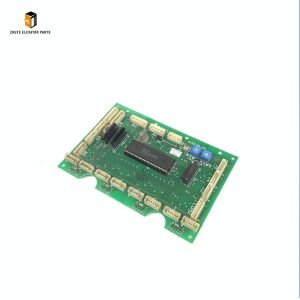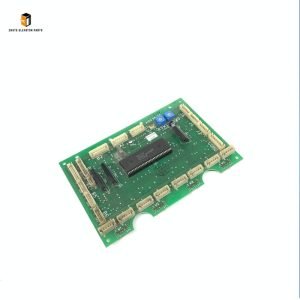


Description
Mitsubishi elevator pcb board LHS-200B/200A/201B/202B Brief Introduction
|
Product Name |
Mitsubishi elevator pcb board |
| Model Number | LHS-200A
LHS-200B LHS-201B LHS-202B |
|
Quality
|
Original.Brand New
|
|
Payment
|
T/T. Paypal. Western Union
|
|
Delivery
|
3-5 Working Days
|
|
Packaging
|
Packed by carton
|
Mitsubishi Elevator PCB Board LHS-200B/200A/201B/202B: Usage Guide, Replacement Cycle & Trusted Supply from Nanjing Zhuye
The Mitsubishi Elevator PCB Board LHS-200B/200A/201B/202B series is a family of precision-engineered control components exclusively designed for Mitsubishi elevator systems—widely deployed in commercial high-rises, residential complexes, public transit facilities, and office buildings worldwide. As specialized control boards, these variants cater to distinct elevator functions: LHS-200A/200B focus on door control and signal processing, while LHS-201B/202B manage auxiliary systems (e.g., floor indication, intercom communication, safety interlock monitoring). Tailored to Mitsubishi’s OEM standards, they seamlessly integrate with Mitsubishi elevator models (including NexWay, ELENESSA, and MAXIEZ series) while upholding the brand’s strict protocols for safety, operational stability, and user experience.
Compliant with global safety and electronic standards (EN 81, IEC 61010, ISO 9001), the LHS series features a robust, interference-resistant design: multi-layer PCB substrates for signal integrity, industrial-grade components for temperature resilience, integrated ESD protection (±8kV contact), and Mitsubishi-specific firmware optimized for targeted control logic. This construction withstands 24/7 operation and harsh environments (mounted in control cabinets or car tops)—including temperature fluctuations (-5°C to +45°C), electromagnetic interference (EMI), dust, and vibration. For maintenance teams, facility managers, and elevator service providers, mastering the correct installation, configuration, and replacement timelines of these PCB boards is critical to avoiding system malfunctions, elevator downtime, or safety hazards. Nanjing Zhuye Elevator Parts, a trusted supplier of authentic Mitsubishi components, delivers the LHS-200B/200A/201B/202B series that meets Mitsubishi’s original manufacturing specifications—guaranteeing seamless compatibility, precise control, and long-term durability.
Proper Usage Methods of Mitsubishi LHS Series PCB Boards
1. Pre-Installation Preparation
Before installation, prioritize safety by shutting off the elevator’s main power supply, discharging residual voltage, and securing the control cabinet (or car top) with a lockout tag. Inspect the new LHS series board (matching the correct variant: 200B/200A/201B/202B) for physical damage—such as cracked PCB substrates, damaged connectors, loose components, or burn marks on IC chips—defects that can cause short circuits, signal loss, or system failure. Nanjing Zhuye Elevator Parts conducts rigorous Mitsubishi-specific quality control checks, so each unit arrives in optimal condition: intact circuit traces, functional components, pre-loaded Mitsubishi-compatible firmware, and clear terminal markings.
Verify compatibility with your Mitsubishi elevator model and control system by cross-referencing the technical manual or consulting Nanjing Zhuye’s technical support team. Ensure the board’s variant, firmware version, pin configuration, and function align with the elevator’s requirements (e.g., LHS-200B for door control, LHS-202B for auxiliary monitoring)—using an incompatible variant can damage adjacent components or disable critical functions.
2. Installation & Configuration Steps
- Board Installation:
- Access the mounting location (control cabinet or car top) and locate the designated slot for the LHS series board. Disconnect the old board (if replacing) by labeling and removing power cables, signal connectors, and communication lines—take photos of the wiring configuration to ensure accurate reinstallation. Clean the mounting interface and connectors with compressed air to remove dust or debris.
- Align the new LHS board with the mounting pins or slots and secure it with the provided screws (torque to 0.5–0.8 Nm) to prevent vibration-induced damage. Reconnect power cables (ensuring correct polarity), signal connectors (matching sensor/actuator interfaces), and communication lines—tighten terminal screws to Mitsubishi’s specified torque (1.0–1.2 Nm) to avoid loose connections and signal interference.
- Configuration Setup:
- Power on the elevator’s control system (performed by certified technicians only) and access the configuration menu via Mitsubishi’s diagnostic software (e.g., MES-100, Elevator Service Tool):
- Function-Specific Parameters: Load the elevator’s variant-specific settings (e.g., door opening/closing speed for LHS-200A/200B, floor indication logic for LHS-201B) into the board—these parameters align with the elevator’s mechanical and electrical characteristics.
- Safety Calibration: Verify or set safety thresholds (e.g., door interlock signal timeout, auxiliary system fault response) to comply with Mitsubishi’s safety protocols.
- System Sync: Sync the LHS board with the main controller and peripheral components (e.g., door sensors, floor indicators) to ensure seamless communication—confirm accurate transmission of control signals and status feedback.
- Power on the elevator’s control system (performed by certified technicians only) and access the configuration menu via Mitsubishi’s diagnostic software (e.g., MES-100, Elevator Service Tool):
- Functional Testing:
- Conduct comprehensive tests to validate performance:
- Variant-Specific Test: For LHS-200A/200B, test door opening/closing cycles and obstacle detection; for LHS-201B/202B, verify floor indication accuracy and intercom functionality.
- Fault Simulation Test: Trigger minor faults (e.g., sensor disconnection) to confirm the board sends correct fault alerts to the main controller.
- Signal Integrity Test: Use a multimeter or oscilloscope to check signal stability and ensure no interference or voltage drops.
- Document installation details, parameter settings, and test results in maintenance records to demonstrate compliance with Mitsubishi’s service requirements.
- Conduct comprehensive tests to validate performance:
3. Routine Usage Maintenance
To preserve the board’s performance and extend its lifespan, implement these proactive maintenance practices:
- Weekly Visual Inspections: Check for loose cables, dust accumulation, or component overheating (discoloration of the PCB or connectors). Remove dust with compressed air—avoid blocking cooling vents or using water/chemical cleaners.
- Monthly Diagnostic Scans: Use Mitsubishi’s diagnostic software to review system logs, error codes, and parameter integrity. Address minor alerts (e.g., “Signal Weak,” “Parameter Drift”) promptly to prevent system degradation.
- Quarterly Connection Inspections: Inspect power cables, signal connectors, and communication lines for fraying, corrosion, or loose contacts. Retighten terminals as needed or replace damaged components with genuine Mitsubishi parts from Nanjing Zhuye.
- Semi-Annual Firmware Updates: Update the board’s firmware (as recommended by Mitsubishi or Nanjing Zhuye) to enhance control logic, fix software bugs, and improve compatibility with system upgrades.
- Annual Performance Testing: Verify variant-specific functions (door control, auxiliary monitoring) against Mitsubishi’s factory specifications. Test safety interlock responses to ensure compliance with global safety standards.
Recommended Replacement Cycle
The service life of the Mitsubishi LHS-200B/200A/201B/202B PCB Boards depends on usage intensity (daily operating hours), environmental conditions (temperature, dust), and maintenance quality. Based on Mitsubishi’s engineering standards and Nanjing Zhuye’s technical expertise:
1. Standard Replacement Cycle
Under normal operating conditions (12–18 hours of daily use, regular maintenance, stable environment), the LHS series boards should be replaced every 7–9 years. This timeframe accounts for gradual component degradation, firmware obsolescence, and reduced signal processing efficiency—ensuring the boards maintain precise control, reliable performance, and compatibility with Mitsubishi elevator systems. Proactive replacement reduces the risk of unexpected system failures and costly elevator downtime.
2. Signs That Require Immediate Replacement
Replace the board immediately if you encounter any of the following issues:
- Function-Specific Failures: Door control malfunctions (LHS-200A/200B) or non-responsive auxiliary systems (LHS-201B/202B)—indicative of faulty control logic or component damage.
- Persistent Critical Errors: Repeated variant-specific error codes (e.g., “Door Signal Fault,” “Floor Indicator Error”) that cannot be resolved with troubleshooting.
- Physical Damage: Cracked PCB substrate, burned IC chips, water damage, or damaged connectors—compromising electrical safety and functionality.
- Performance Degradation: Delayed signal response, erratic function (e.g., inconsistent door movement), or frequent false fault alerts—attributed to aging components or internal circuit damage.
- Safety Compromise: The board fails to trigger safety interlocks (e.g., door interlock shutdown) during fault conditions—violating Mitsubishi’s safety standards.
3. Maintenance to Extend Service Life
To maximize the board’s lifespan and minimize replacement costs:
- Environmental Control: Keep the mounting area clean, dry, and well-ventilated. Ensure temperature remains within the recommended range (-5°C to +45°C) and avoid dust accumulation.
- Power Stabilization: Install surge protectors and voltage regulators to shield the board from input power spikes and transients—common causes of component damage.
- Minimize Overload: Avoid frequent elevator testing or idle operation that increases component wear—optimize usage schedules where possible.
- Use Genuine Parts Only: For replacements, rely exclusively on authentic Mitsubishi LHS series boards from Nanjing Zhuye. Counterfeit boards use inferior components, pirated firmware, or incorrect wiring—compromising performance, safety, and Mitsubishi’s warranty coverage.
Why Choose Nanjing Zhuye Elevator Parts?
When sourcing the Mitsubishi Elevator PCB Board LHS-200B/200A/201B/202B, Nanjing Zhuye Elevator Parts offers unmatched advantages for safety-focused professionals:
- Authenticity & Mitsubishi Compatibility: All boards meet Mitsubishi’s original manufacturing specifications, ensuring seamless integration with Mitsubishi elevator systems and compliance with global safety standards.
- Strict Quality Assurance: Each unit undergoes rigorous testing—including signal processing stability, function-specific performance, protective function functionality, and thermal resilience—to guarantee reliable operation.
- Expert Technical Support: Nanjing Zhuye’s certified engineers specialize in Mitsubishi elevator systems, providing 24/7 assistance for variant selection, installation, configuration, and troubleshooting.
- Global Efficient Delivery: With a robust supply chain and logistics network, Nanjing Zhuye delivers critical electronic components promptly worldwide, minimizing elevator downtime during replacement.
- Competitive Pricing: By eliminating middlemen, Nanjing Zhuye offers cost-effective solutions without compromising quality—helping you balance maintenance budgets with the need for durable, compliant Mitsubishi components.
Conclusion
The Mitsubishi Elevator PCB Board LHS-200B/200A/201B/202B series is a foundational control solution for critical elevator functions, from door operation to auxiliary system monitoring. By following proper installation, configuration, and maintenance practices—paired with Nanjing Zhuye’s authentic components—you can ensure Mitsubishi elevators remain compliant, downtime-free, and safe for passengers. Whether you need a single replacement board, technical support for system calibration, or bulk orders for a building fleet, Nanjing Zhuye is committed to delivering premium Mitsubishi components and tailored professional services. Invest in the control system reliability of your Mitsubishi elevators—choose Nanjing Zhuye Elevator Parts for your LHS series PCB board requirements.