
Description
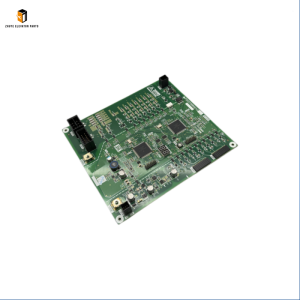
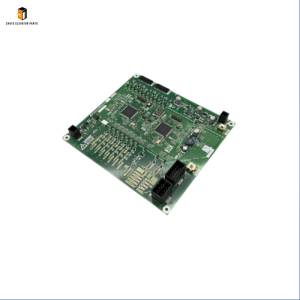
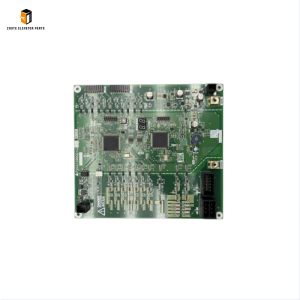
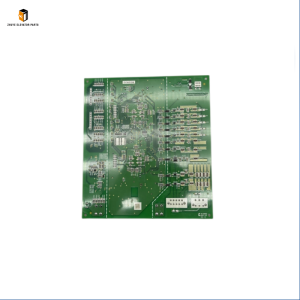
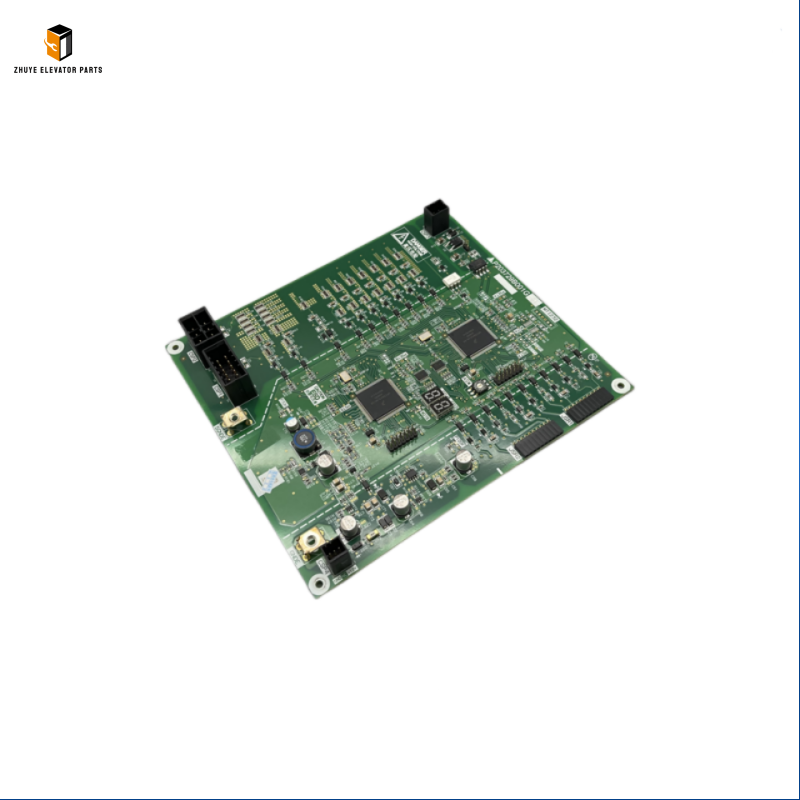
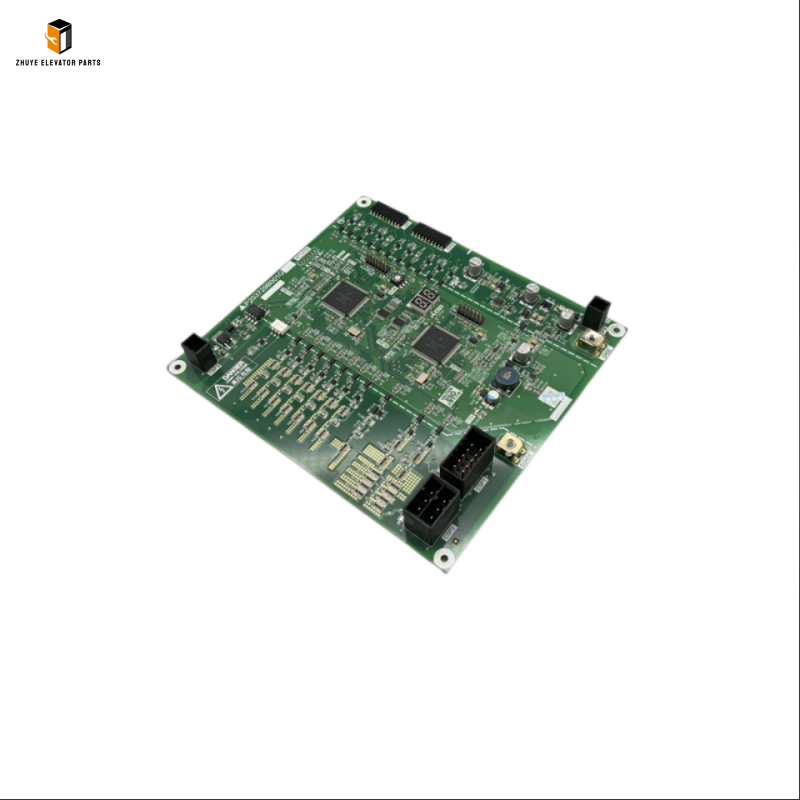
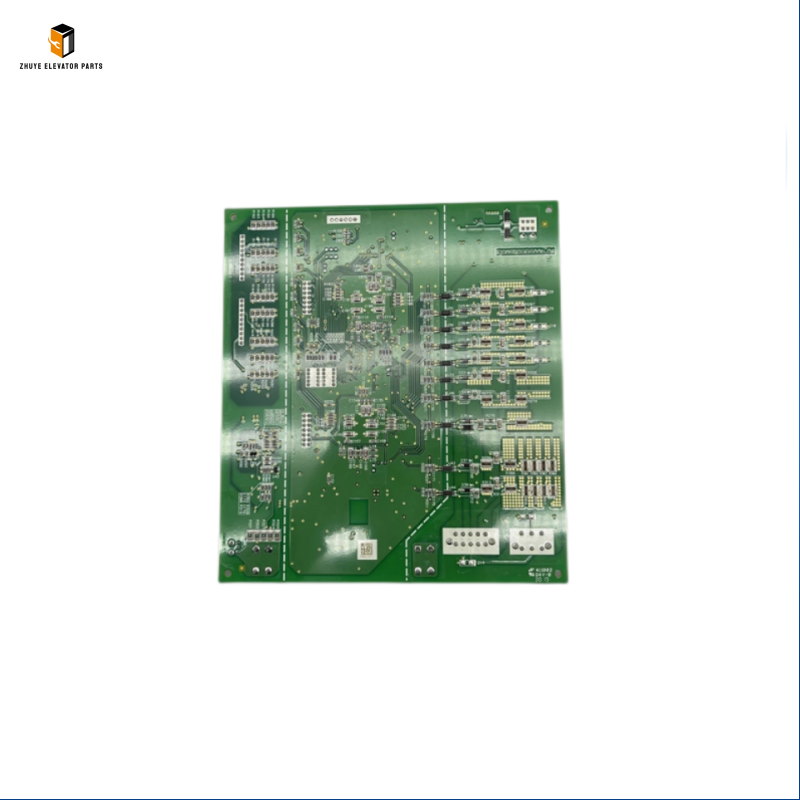
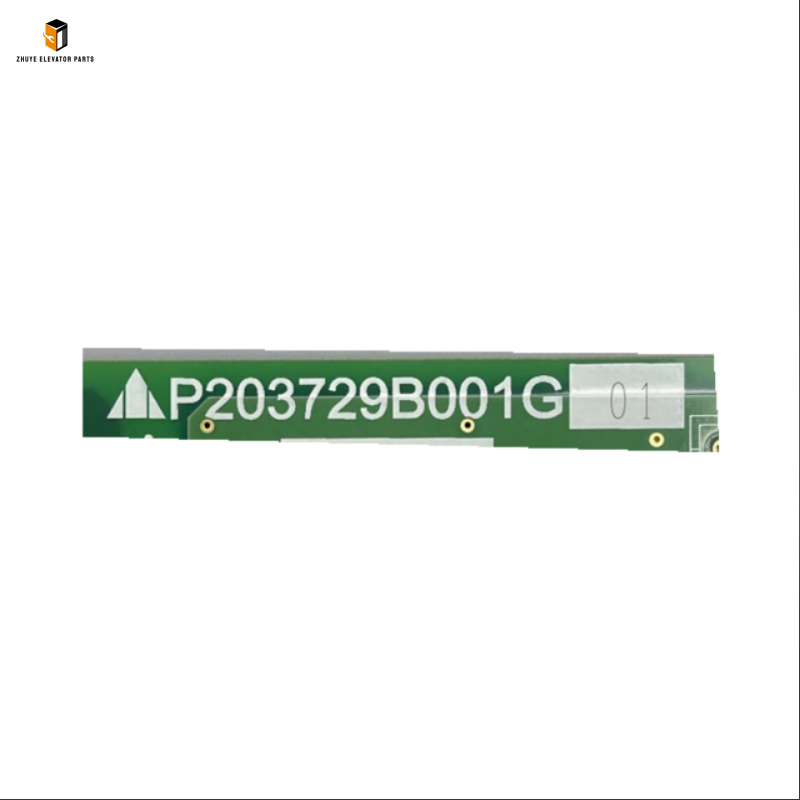
Mitsubishi elevator parts Elevator pcb board P203729B001G01/2 Introduction
|
Product Name |
Mitsubishi elevator parts Elevator pcb board |
| Model Number | P203729B001G01
P203729B001G02 |
|
Quality
|
Original.Brand New
|
|
Payment
|
T/T. Paypal. Western Union
|
|
Delivery
|
3-5 Working Days
|
|
Packaging
|
Packed by carton
|
Mitsubishi Elevator PCB Board P203729B001G01/2: Usage Guide, Replacement Cycle & Trusted Supply from Nanjing Zhuye
The Mitsubishi Elevator PCB Board P203729B001G01/2 is a versatile, high-reliability control component exclusively engineered for Mitsubishi elevator systems—including NexWay, ELENESSA, and MAXIEZ series—essential for residential complexes, commercial buildings, transit hubs, and public facilities worldwide. As a key modular control unit, this dual-variant PCB board (P203729B001G01 for standard subsystem control, P203729B001G02 for enhanced I/O functionality) manages critical elevator operations: door system coordination, floor sensing, safety circuit monitoring, and communication with the main control board. It integrates Mitsubishi’s proprietary surface-mount technology (SMT), redundant circuit design, and anti-interference shielding—upholding the brand’s strict standards for signal stability (noise immunity ≥2kV), response time (≤8ms), and operational durability in continuous-use environments.
Compliant with global elevator safety and electronics standards (EN 81-20/50, IEC 61010, UL 61010, JIS C60950), the P203729B001G01/2 features an industrial-grade robust design: a multi-layer glass-epoxy PCB (high mechanical strength), conformal coating (IP54 protection against dust/moisture), flame-retardant components (UL94 V0 rating), and gold-plated connector pins (corrosion resistance and low contact resistance). This rugged construction withstands the harsh conditions of elevator control cabinets—temperature fluctuations (-10°C to +60°C), mechanical vibration, and electrical interference—critical for preventing subsystem malfunctions, safety circuit failures, or elevator operational disruptions. For maintenance teams, facility managers, and elevator service providers, mastering proper installation, configuration, and replacement timelines is vital to ensuring system reliability, regulatory compliance, and passenger safety. Nanjing Zhuye Elevator Parts, a trusted supplier of authentic Mitsubishi components, delivers the P203729B001G01/2 that meets Mitsubishi’s original manufacturing specifications—guaranteeing seamless compatibility, precise control, and long-term performance.
Proper Usage Methods of Mitsubishi P203729B001G01/2 Elevator PCB Board
1. Pre-Installation Preparation
Before installation or replacement, prioritize safety by shutting off the elevator’s main power supply, discharging residual voltage (wait a minimum of 20 minutes), and securing the control cabinet/work area with warning signs and lockout-tagout (LOTO) devices. Inspect the new P203729B001G01/2 variant for physical damage—cracked PCB substrate, bent connector pins, swollen capacitors, or damaged conformal coating—defects that compromise electrical performance or safety. Nanjing Zhuye’s strict quality control process ensures each unit arrives in optimal condition: intact SMT components, functional circuit traces, secure connector sockets, and pre-loaded Mitsubishi-compatible firmware.
Verify compatibility with your Mitsubishi elevator model by cross-referencing the technical manual or consulting Nanjing Zhuye’s technical support team. Ensure three key details align: (1) the variant (G01: 8-channel digital I/O; G02: 16-channel digital I/O + analog input support) matches the subsystem’s control requirements, (2) the mounting dimensions (180x120x25mm) and connector layout fit the control cabinet’s slot, and (3) the communication protocol (Mitsubishi’s proprietary CC-Link or CANopen) is compatible with the main control board. Using an incompatible PCB board can result in subsystem miscommunication, failed safety checks, or limited functionality. Additionally, prepare the installation area: Clean the control cabinet’s PCB mounting rail to remove dust and debris, disconnect the old board’s wiring harnesses (label each connector by pin number/function for easy reinstallation), and gather necessary tools (insulated screwdriver, anti-static wristband, multimeter, diagnostic laptop).
2. Installation & Configuration Steps
- Board Installation: Align the P203729B001G01/2 with the DIN rail or mounting studs in the control cabinet, ensuring connector ports face outward for accessible wiring. Secure the board with mounting clips or screws (torque to 0.8–1.0 Nm) to prevent vibration-induced movement—over-tightening can crack the PCB substrate. Connect the cabinet’s grounding cable to the board’s earth terminal (green/yellow) to reduce electromagnetic interference and ensure electrical safety.
- Wiring & Connection: Reconnect the labeled wiring harnesses to the corresponding board connectors—refer to Mitsubishi’s wiring schematic to avoid reverse polarity or pin misalignment. Prioritize safety-related connections (door interlock sensors, emergency stop signals, overload detectors) and separate power cables (24V DC) from signal cables to minimize interference. Double-check all connectors for secure seating—loose connections are a primary cause of PCB board faults.
- Configuration & Testing: Restore power to the elevator (performed exclusively by certified Mitsubishi technicians) and conduct functional configuration:
- Parameter Upload: Use Mitsubishi’s diagnostic software (e.g., MELSEC iQ-R Series Software) to upload the subsystem’s saved parameters (sensor thresholds, I/O assignments, safety logic) to the new PCB board. For G02 variants, configure analog input scaling (if applicable) for pressure/temperature sensors.
- Circuit Continuity Test: Use a multimeter to verify continuity across critical circuits (power supply, signal lines, safety interlocks)—ensure no open circuits or short circuits exist.
- Subsystem Validation: Activate the specific subsystem (e.g., door control, floor sensing) and run through operational tests: Verify door opening/closing cycles (for door control applications) or floor position accuracy (for sensing applications) with no fault codes. Confirm the PCB board communicates seamlessly with the main control board (no “Subsystem Communication Error” alerts).
Document installation details, parameter settings, and test results in maintenance records to demonstrate compliance with Mitsubishi’s service requirements.
3. Routine Usage Maintenance
To preserve the P203729B001G01/2’s performance and extend its lifespan, implement proactive maintenance practices tailored to modular PCB boards:
- Daily Visual Inspections: Check the board for loose wiring, physical damage, or signs of overheating (discolored components, melted insulation around connectors). Verify the status LED (green = normal, red = fault, amber = warning) shows no active errors.
- Weekly Diagnostic Check: Use Mitsubishi’s diagnostic software to review subsystem logs and fault codes—address minor issues (e.g., intermittent sensor signals) before they escalate to PCB board failures.
- Monthly Connector Inspection: Inspect all wiring harness connectors for corrosion, bent pins, or oxidation—clean contacts with a contact cleaner and re-seat connectors if needed.
- Quarterly Cabinet Cleaning: Remove dust from the control cabinet and PCB board using low-pressure compressed air (hold the nozzle 15–20cm away to avoid damaging SMT components)—dust accumulation causes overheating and electrical shorts.
- Semi-Annual Firmware Update: Install recommended firmware updates via Mitsubishi’s official portal—updates enhance circuit stability, resolve compatibility issues, and add safety-related features (especially critical for G02 variants with expanded I/O capabilities).
Recommended Replacement Cycle
The service life of the Mitsubishi P203729B001G01/2 Elevator PCB Board depends on usage intensity, environmental conditions, and maintenance quality. Based on Mitsubishi’s engineering standards and Nanjing Zhuye’s technical expertise:
1. Standard Replacement Cycle
Under normal operating conditions (12–18 hours daily use, regular cleaning, ambient temperature -10°C to +60°C), the P203729B001G01/2 should be replaced every 8–10 years. This timeframe aligns with the typical lifespan of industrial-grade SMT components and PCB circuits, ensuring proactive replacement before component degradation impacts subsystem reliability.
2. Signs That Require Immediate Replacement
Replace the PCB board immediately if:
- Subsystem Failures: Recurring subsystem malfunctions (e.g., unresponsive doors, inaccurate floor sensing) or persistent fault codes (e.g., “PCB I/O Error,” “Communication Timeout”)—cannot be resolved by re-wiring or parameter resets.
- Safety Compromises: Safety-related I/O circuits (e.g., door interlock monitoring) fail to trigger alarms or shutdowns—violates EN 81-20/50 safety regulations and endangers passengers.
- Physical Damage: Cracked PCB substrate, water intrusion, or burned components (visible charring)—risks electrical shorts, system misfires, or complete subsystem inoperability.
- Performance Degradation: Slow signal response, erratic I/O behavior, or inconsistent communication with the main control board—indicates failing components or circuit trace damage.
- Firmware Incompatibility: The board cannot support critical firmware updates required for regulatory compliance or integration with newer elevator subsystems.
3. Maintenance to Extend Service Life
- Environmental Control: Keep the control cabinet clean, dry, and well-ventilated. Maintain temperature between 15°C–45°C and humidity <75%—extreme conditions accelerate component aging and conformal coating degradation.
- Power Protection: Install external surge protectors and voltage regulators to shield the board from grid transients and voltage spikes—reduces stress on SMT components and circuits.
- Static Prevention: Always use an anti-static wristband when handling the board—ESD (electrostatic discharge) can damage sensitive microchips and SMT components.
- Genuine Parts Only: Use exclusively authentic Mitsubishi P203729B001G01/2 boards from Nanjing Zhuye. Counterfeit units use low-quality PCB materials, substandard components, and lack Mitsubishi’s anti-interference shielding—risking subsystem failures, costly downtime, or passenger safety hazards.
Why Choose Nanjing Zhuye Elevator Parts for Mitsubishi P203729B001G01/2?
When sourcing a critical modular control component like the Mitsubishi P203729B001G01/2, Nanjing Zhuye offers unmatched advantages for safety and reliability-focused professionals:
- Authenticity & Compatibility: All units are genuine Mitsubishi components, ensuring seamless integration with NexWay/ELENESSA/MAXIEZ systems—eliminating miscommunication between standard (G01) and expanded (G02) variants and the main control board.
- Strict Quality Assurance: Each board undergoes rigorous testing (circuit continuity, signal stability, I/O response time, environmental resistance) to meet Mitsubishi’s original manufacturing and safety standards.
- Expert Technical Support: Certified engineers provide 24/7 assistance for installation, parameter configuration, firmware updates, and troubleshooting—even for legacy Mitsubishi models or G02 variants requiring advanced I/O setup.
- Global Efficient Delivery: Fast shipping minimizes downtime, critical for facilities where PCB board failures disrupt elevator subsystems and passenger flow.
- Competitive Pricing: Direct sourcing from Mitsubishi’s authorized channels eliminates middlemen, offering cost-effective solutions without compromising board quality, safety, or functionality.
Conclusion
The Mitsubishi Elevator PCB Board P203729B001G01/2 is a foundational modular control component that ensures precise, reliable operation of key elevator subsystems across standard and expanded configurations. By following proper installation, testing, and maintenance practices—paired with Nanjing Zhuye’s authentic components—you can extend the board’s lifespan, reduce elevator downtime, and safeguard passenger safety. Whether you need a single replacement board (G01 or G02), bulk orders for a building fleet, or technical support for subsystem integration, Nanjing Zhuye delivers premium Mitsubishi parts and tailored professional services. Invest in elevator subsystem reliability and safety—choose Nanjing Zhuye for your P203729B001G01/2 elevator PCB board needs.