

Description
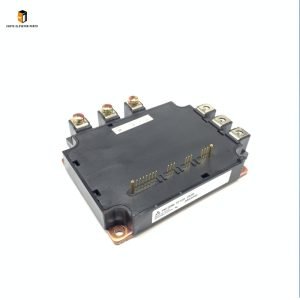
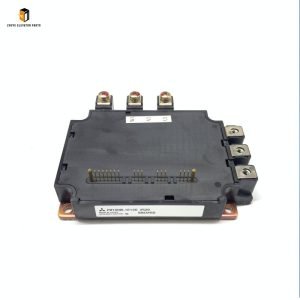
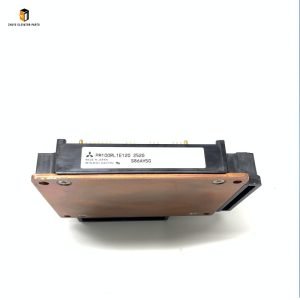
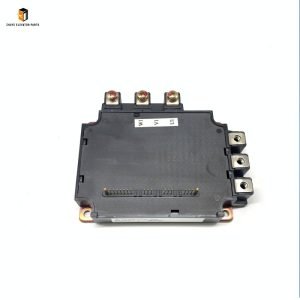
Mitsubishi Elevator Module Components PM100RL1E120 252G Introduction
|
Product Name |
Mitsubishi Elevator Module Components |
| Model Number | PM100RL1E120 252G |
|
Quality
|
Original.Brand New
|
|
Payment
|
T/T. Paypal. Western Union
|
|
Delivery
|
3-5 Working Days
|
|
Packaging
|
Packed by carton
|
Mitsubishi Elevator Module Components PM100RL1E120 252G: Usage Guide, Replacement Cycle & Trusted Supply from Nanjing Zhuye
The Mitsubishi Elevator Module Components PM100RL1E120 252G is a premium power switching component exclusively engineered for Mitsubishi’s high-performance elevator systems—including NexWay Premium, ELENESSA Plus, and MAXIEZ High-Speed series—essential for commercial high-rises, transit hubs, and heavy-traffic public facilities worldwide. As the “power switching core” of elevator inverter and traction control systems, this module integrates a high-current IGBT (Insulated-Gate Bipolar Transistor) with a freewheeling diode, delivering precise, rapid switching of three-phase AC power to the traction motor. It upholds Mitsubishi’s rigorous standards for current handling (100A rms), voltage tolerance (1200V DC), switching speed (≤1µs), and thermal stability—ensuring smooth motor control, energy efficiency (IE4 compliance), and robust safety redundancy in demanding operating environments.
Compliant with global electrical safety and semiconductor standards (EN 60747-9, IEC 60747, UL 1557, JIS C7022), the PM100RL1E120 252G features an industrial-grade rugged design: a ceramic substrate (excellent thermal conductivity), aluminum nitride insulation (heat resistance up to 150°C), hermetically sealed plastic housing (IP20 protection), and integrated thermal monitoring terminals. This robust construction withstands the extreme conditions of elevator power systems—high current loads, rapid temperature fluctuations, and mechanical vibration—critical for preventing switching failures, traction motor damage, or unexpected elevator shutdowns. For maintenance teams, facility managers, and elevator service providers, mastering proper installation, configuration, and replacement timelines is vital to ensuring regulatory compliance, minimal downtime, and passenger safety. Nanjing Zhuye Elevator Parts, a trusted supplier of authentic Mitsubishi components, delivers the PM100RL1E120 252G that meets Mitsubishi’s original manufacturing specifications—guaranteeing seamless compatibility, precise power switching, and long-term reliability.
Proper Usage Methods of Mitsubishi PM100RL1E120 252G Elevator Module
1. Pre-Installation Preparation
Before installation or replacement, prioritize safety by shutting off the elevator’s main power supply, discharging the DC bus capacitors (wait a minimum of 30 minutes after power-off to avoid electric shock), and securing the inverter cabinet/work area with warning signs and lockout-tagout (LOTO) devices. Inspect the new PM100RL1E120 252G for physical damage—cracked housing, bent terminals, damaged ceramic substrate, or signs of thermal stress (discoloration)—defects that compromise electrical performance or safety. Nanjing Zhuye’s strict quality control process ensures each unit arrives in optimal condition: intact IGBT/diode chips, secure terminal connections, uniform thermal grease application, and factory-tested switching performance.
Verify compatibility with your Mitsubishi elevator system by cross-referencing the technical manual or consulting Nanjing Zhuye’s technical support team. Ensure three key details align: (1) the module’s electrical specifications (100A/1200V, 50/60Hz) match the inverter’s power requirements, (2) the mounting dimensions (140x90x25mm) and terminal layout fit the inverter’s module socket, and (3) the thermal resistance (≤0.2°C/W) is compatible with the inverter’s cooling system. Using an incompatible module can result in overcurrent faults, thermal runaway, or irreversible damage to the inverter. Additionally, prepare the installation area: Clean the inverter’s module mounting surface to remove dust and old thermal grease, inspect the socket for bent pins or corrosion, and gather necessary tools (torque wrench, insulated screwdriver, multimeter, anti-static wristband, thermal grease).
2. Installation & Configuration Steps
- Mounting Preparation: Apply a thin, uniform layer (0.5–1mm) of high-temperature thermal grease (Mitsubishi-recommended or equivalent) to the module’s base plate—ensures optimal heat transfer to the inverter’s cooling system. Align the PM100RL1E120 252G with the mounting studs/socket, ensuring terminals engage correctly with the inverter’s connector. Secure the module with mounting screws (typically M4) tightened to 1.2–1.5 Nm—over-tightening can damage the ceramic substrate, while under-tightening causes poor thermal contact.
- Wiring & Connection: Verify that the module’s power terminals (collector, emitter) and control terminals (gate) are connected to the correct inverter circuits—refer to Mitsubishi’s wiring schematic to avoid misalignment. Ensure power cables are properly crimped with compatible lugs, and control wires are secured to prevent short circuits. Double-check for loose connections or crossed wires, as these can cause catastrophic module failure.
- Post-Installation Testing: Restore power to the elevator (performed exclusively by certified Mitsubishi technicians) and conduct functional tests:
- Continuity & Insulation Test: Use a multimeter to verify continuity between terminals (collector-emitter should show high resistance in off-state) and insulation resistance (≥100MΩ between power and control terminals).
- Switching Performance Test: Activate the inverter in test mode to check the module’s switching speed and current handling—ensure no abnormal voltage spikes or current fluctuations (monitored via oscilloscope).
- Thermal Test: Run the elevator with 50% rated load for 30 minutes, then measure the module’s surface temperature (should remain ≤85°C) using an infrared thermometer—confirms effective heat dissipation.
Document installation details, test results, and torque values in maintenance records to demonstrate compliance with Mitsubishi’s service requirements.
3. Routine Usage Maintenance
To preserve the PM100RL1E120 252G’s performance and extend its lifespan, implement proactive maintenance practices tailored to high-power semiconductor modules:
- Daily Visual Inspections: Check the module for physical damage, loose mounting screws, or signs of overheating (discolored housing, melted insulation around terminals).
- Weekly Thermal Monitoring: Monitor the inverter’s cooling system (fans, heat sinks) to ensure proper operation—clogged heat sinks or faulty fans accelerate module degradation.
- Monthly Electrical Check: Use the elevator’s diagnostic system to review module-related fault codes (e.g., “IGBT Overheat,” “Switching Fault”) and verify current/voltage readings are within normal ranges.
- Quarterly Connection Inspection: Re-tighten mounting screws and terminal connections to specified torque—vibration can loosen hardware over time, reducing thermal efficiency.
- Semi-Annual Thermal Grease Replacement: Remove the module, clean old thermal grease, and reapply a fresh layer—prevents dry-out and maintains optimal heat transfer.
Recommended Replacement Cycle
The service life of the Mitsubishi PM100RL1E120 252G Elevator Module depends on usage intensity (daily switching cycles, load magnitude), thermal management, and maintenance quality. Based on Mitsubishi’s engineering standards and Nanjing Zhuye’s technical expertise:
1. Standard Replacement Cycle
Under normal operating conditions (proper cooling, moderate load, 12–18 hours daily use), the PM100RL1E120 252G should be replaced every 7–9 years. This timeframe aligns with the typical lifespan of high-power IGBT modules in elevator applications, ensuring proactive replacement before switching performance degrades or thermal fatigue occurs.
2. Signs That Require Immediate Replacement
Replace the module immediately if:
- Electrical Faults: Recurring overcurrent/overvoltage faults, switching delays, or abnormal voltage spikes—indicated by inverter fault codes or oscilloscope readings.
- Thermal Degradation: Module surface temperature exceeds 100°C during operation, or the inverter’s thermal protection triggers frequently—signals failing heat dissipation or internal component damage.
- Physical Damage: Cracked housing, bent terminals, or leaking thermal grease—risks short circuits, arcing, or complete module failure.
- Performance Loss: Measured switching speed decreases by >20% or current handling capacity drops below 80A rms—compromises traction motor control and energy efficiency.
- Insulation Failure: Insulation resistance falls below 50MΩ—creates electrical leakage hazards and potential inverter damage.
3. Maintenance to Extend Service Life
- Thermal Management: Ensure the inverter’s cooling system (fans, heat sinks) is cleaned monthly—remove dust and debris to maintain airflow and heat dissipation efficiency.
- Voltage Stabilization: Install external surge protectors to shield the module from grid transients and voltage spikes—reduces stress on IGBT chips.
- Static Protection: Always use an anti-static wristband when handling the module—ESD (electrostatic discharge) can damage sensitive semiconductor components.
- Genuine Parts Only: Use exclusively authentic Mitsubishi PM100RL1E120 252G modules from Nanjing Zhuye. Counterfeit units use low-quality IGBT chips, inadequate insulation, and lack thermal stability—risking catastrophic inverter failure, elevator downtime, or safety hazards.
Why Choose Nanjing Zhuye Elevator Parts for Mitsubishi PM100RL1E120 252G?
When sourcing a critical power switching component like the Mitsubishi PM100RL1E120 252G, Nanjing Zhuye offers unmatched advantages for safety and performance-focused professionals:
- Authenticity & Compatibility: All units are genuine Mitsubishi components, ensuring seamless integration with NexWay/ELENESSA/MAXIEZ inverter systems—eliminating fault codes, compatibility issues, or performance gaps.
- Strict Quality Assurance: Each module undergoes rigorous testing (switching speed, current/voltage tolerance, thermal resistance, insulation) to meet Mitsubishi’s original manufacturing and safety standards.
- Expert Technical Support: Certified engineers provide 24/7 assistance for installation, thermal management, troubleshooting, and compatibility verification—even for legacy Mitsubishi elevator models.
- Global Efficient Delivery: Fast shipping minimizes downtime, critical for facilities where module failures disrupt elevator operation and passenger safety.
- Competitive Pricing: Direct sourcing from Mitsubishi’s authorized channels eliminates middlemen, offering cost-effective solutions without compromising module quality or performance.
Conclusion
The Mitsubishi Elevator Module Components PM100RL1E120 252G is a foundational power switching component that ensures precise, reliable control of Mitsubishi elevator traction systems—safeguarding operational efficiency, passenger comfort, and regulatory compliance. By following proper installation, testing, and maintenance practices—paired with Nanjing Zhuye’s authentic components—you can extend the module’s lifespan, reduce downtime, and maintain peak elevator performance. Whether you need a single replacement module, bulk orders for a building fleet, or technical support for inverter system maintenance, Nanjing Zhuye delivers premium Mitsubishi parts and tailored professional services. Invest in elevator power control reliability and safety—choose Nanjing Zhuye for your PM100RL1E120 252G elevator module needs.