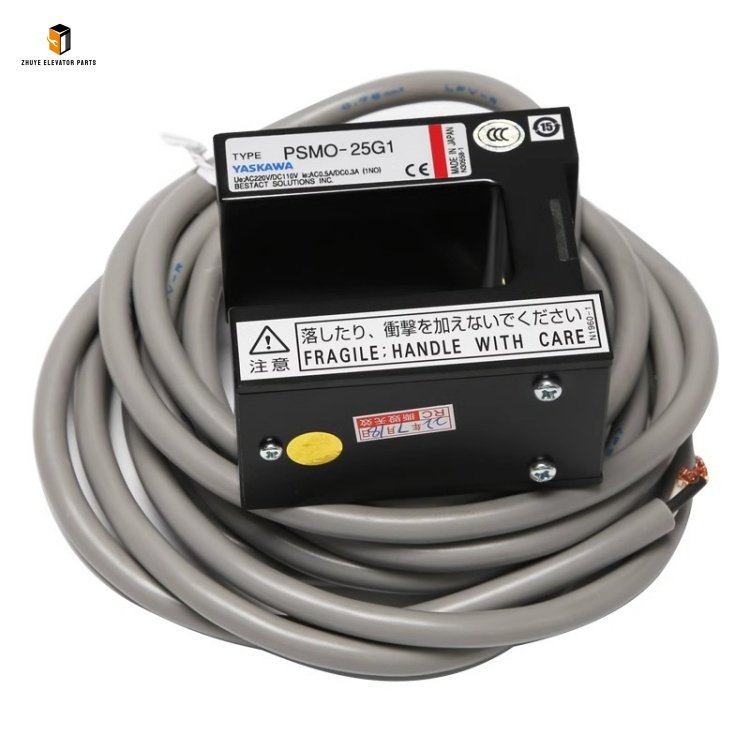
Description
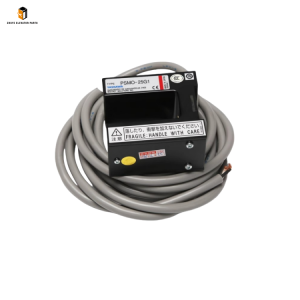
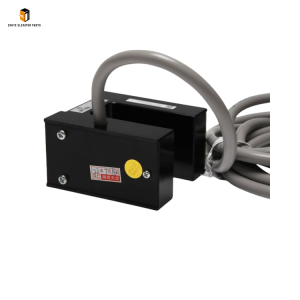
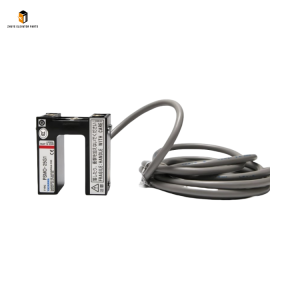
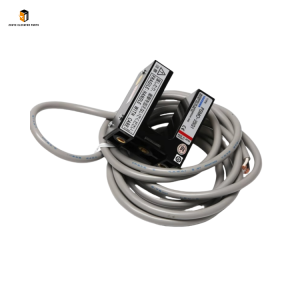
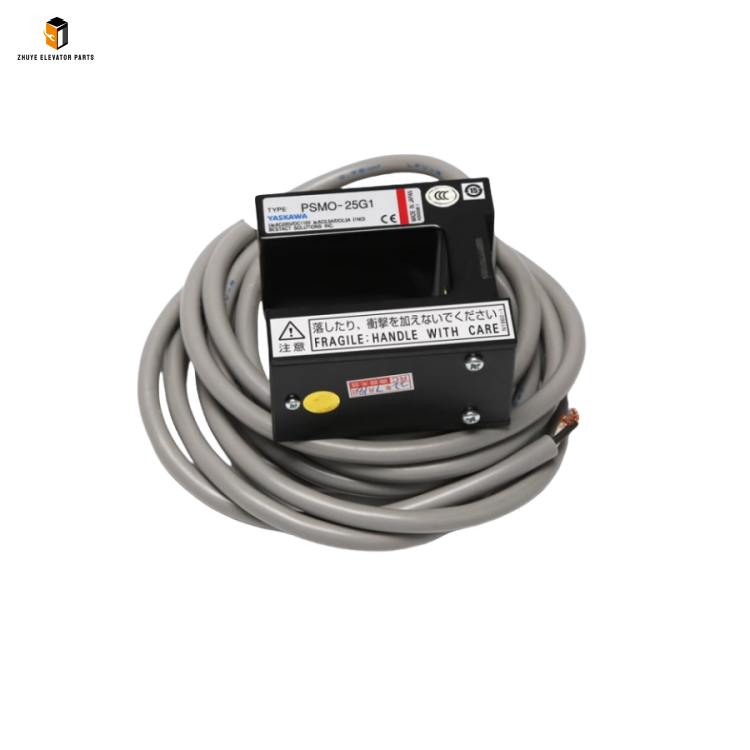
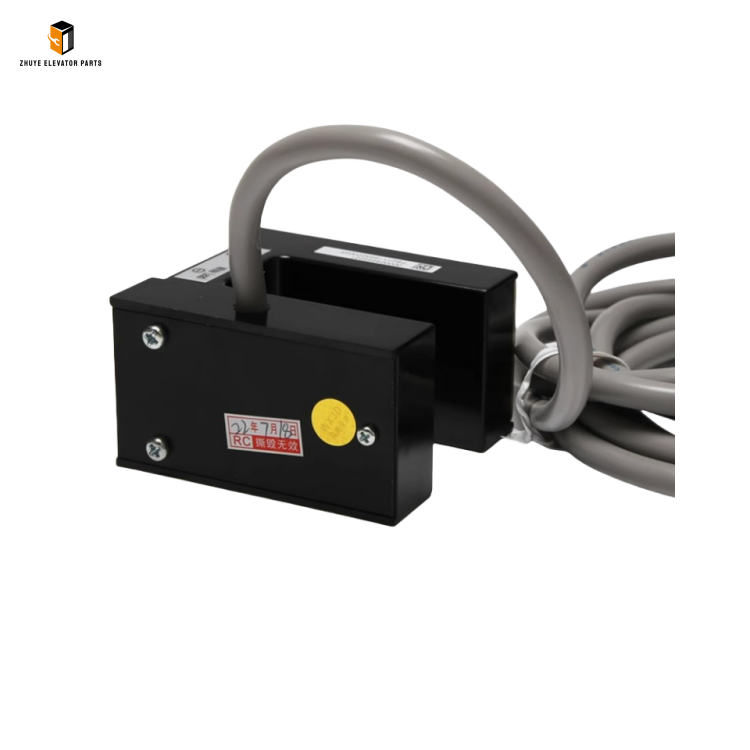
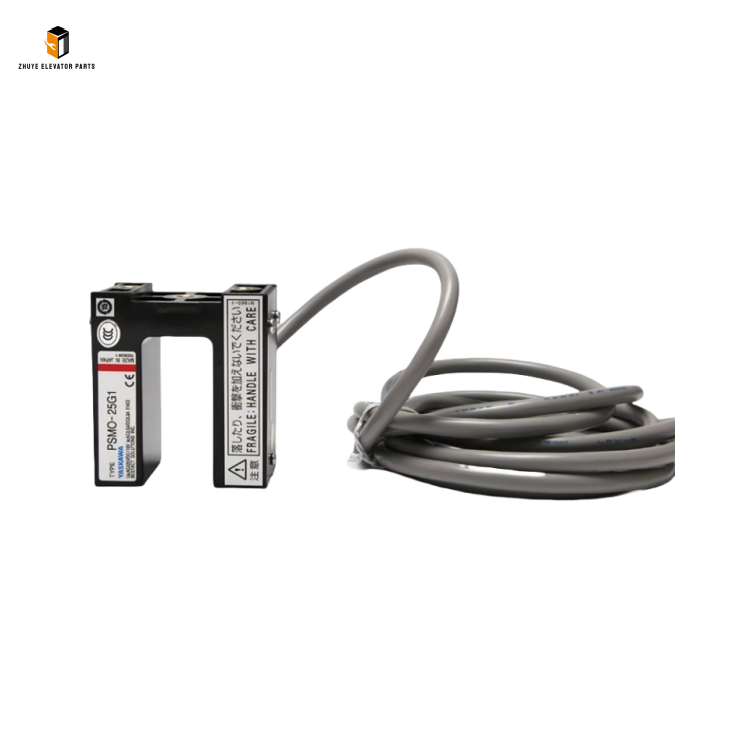
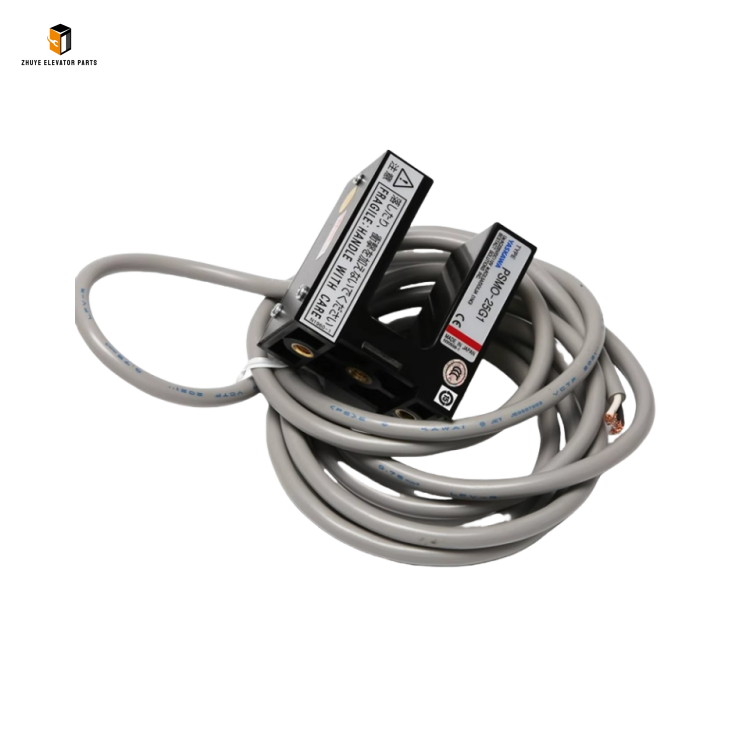
Mitsubishi elevator leveling sensor PSMO-25G1 Brief Introduction
|
Product Name |
Mitsubishi elevator leveling sensor |
| Model Number | PSMO-25G1
YX401C097-01A |
|
Quality
|
Original.Brand New
|
|
Payment
|
T/T. Paypal. Western Union
|
|
Delivery
|
3-5 Working Days
|
|
Packaging
|
Packed by carton
|
Mitsubishi Elevator Leveling Sensor PSMO-25G1: The Precision Eye for Accurate Elevator Positioning
In the intricate control system of Mitsubishi elevators, the leveling sensor acts as a critical positioning device, ensuring the elevator car aligns perfectly with each floor landing to guarantee safe and convenient passenger entry and exit. The Mitsubishi Elevator Leveling Sensor PSMO-25G1, a high-precision component supplied by Nanjing Zhuye Elevatorparts—a leading provider of reliable elevator spare parts—boasts exceptional signal accuracy, anti-interference capability, and seamless compatibility with Mitsubishi elevator models, making it an indispensable part for maintaining optimal elevator operation.
Engineered with advanced photoelectric sensing technology, the PSMO-25G1 leveling sensor detects the position of the elevator car by identifying the magnetic or optical markers installed on guide rails. It transmits real-time positioning signals to the elevator’s main controller, which then adjusts the car’s speed and braking to achieve millimeter-level leveling accuracy. Unlike traditional contact sensors, this non-contact sensing design eliminates mechanical wear, significantly extending the component’s service life. Nanjing Zhuye Elevatorparts subjects every PSMO-25G1 sensor to rigorous calibration and environmental testing, verifying its stable performance in temperature fluctuations, electromagnetic interference, and dusty elevator shaft environments.
Installing the Mitsubishi Elevator Leveling Sensor PSMO-25G1 from Nanjing Zhuye Elevatorparts requires strict adherence to professional safety and operational protocols to ensure precise positioning functionality. First and foremost, cut off the elevator’s main power supply and lock the control cabinet, posting a clear safety warning to prevent accidental car movement during installation. Next, locate the designated mounting position on the elevator car frame or guide rail bracket—this position is typically calibrated to match the sensor’s detection range for floor markers. Remove the old sensor by disconnecting the signal wiring harness and loosening the fixing screws. Clean the mounting surface thoroughly to remove dust, rust, or debris that may affect detection accuracy. Then, align the new PSMO-25G1 sensor with the mounting holes, ensuring its detection window faces the guide rail markers directly. Fasten the screws to the torque specifications recommended by Nanjing Zhuye Elevatorparts—over-tightening may damage the sensor’s internal components, while under-tightening can cause displacement during car operation. Reconnect the signal wiring harness to the elevator’s control system, double-checking the terminal connections to avoid signal loss. Finally, power on the elevator in test mode, run the car up and down through multiple floors to verify leveling accuracy, and adjust the sensor’s position slightly if there is any deviation between the car floor and landing.
While the PSMO-25G1 leveling sensor is built with durable industrial-grade components, timely replacement is critical to prevent elevator leveling failures and passenger inconvenience. Nanjing Zhuye Elevatorparts recommends a standard replacement cycle of 36–48 months under normal operating conditions. This timeline is based on the gradual degradation of the sensor’s photoelectric components and signal transmission modules caused by long-term exposure to vibration and environmental factors. For elevators in high-traffic locations such as shopping malls, airports, and central business districts—where the sensor operates hundreds of times daily—the replacement cycle should be shortened to 30–36 months, as frequent signal transmission accelerates component aging. For low-frequency usage scenarios like private villas or small office buildings, the cycle can be moderately extended but should never exceed 60 months, as degraded sensors may lead to inaccurate leveling, door opening failures, or even emergency stops.
In addition to following the recommended replacement cycle, maintenance teams must conduct routine inspections during regular elevator servicing. Key inspection points include checking the sensor’s detection window for dust or dirt accumulation, testing the stability of signal transmission, and verifying the consistency of leveling accuracy across all floors. If any abnormalities are detected—such as inconsistent leveling, delayed door opening, or sensor error codes in the control system—the PSMO-25G1 sensor must be replaced immediately, regardless of its current service life.
Nanjing Zhuye Elevatorparts has long been dedicated to providing the elevator industry with high-compatibility, reliable components and professional technical support. The Mitsubishi Elevator Leveling Sensor PSMO-25G1 exemplifies this commitment, offering Mitsubishi elevator operators a cost-effective solution to maintain precise positioning and safe operation. By choosing this product and adhering to proper installation and maintenance guidelines, building managers can minimize elevator downtime, reduce long-term maintenance costs, and ensure a consistently smooth riding experience for passengers.
In conclusion, the PSMO-25G1 leveling sensor is a core component that underpins the safe and efficient operation of Mitsubishi elevators. With Nanjing Zhuye Elevatorparts’ strict quality control and comprehensive support, maintenance teams can safeguard elevator performance and compliance, ultimately benefiting both building management and end users.