Description
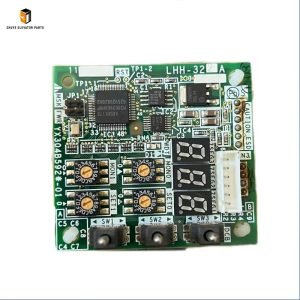
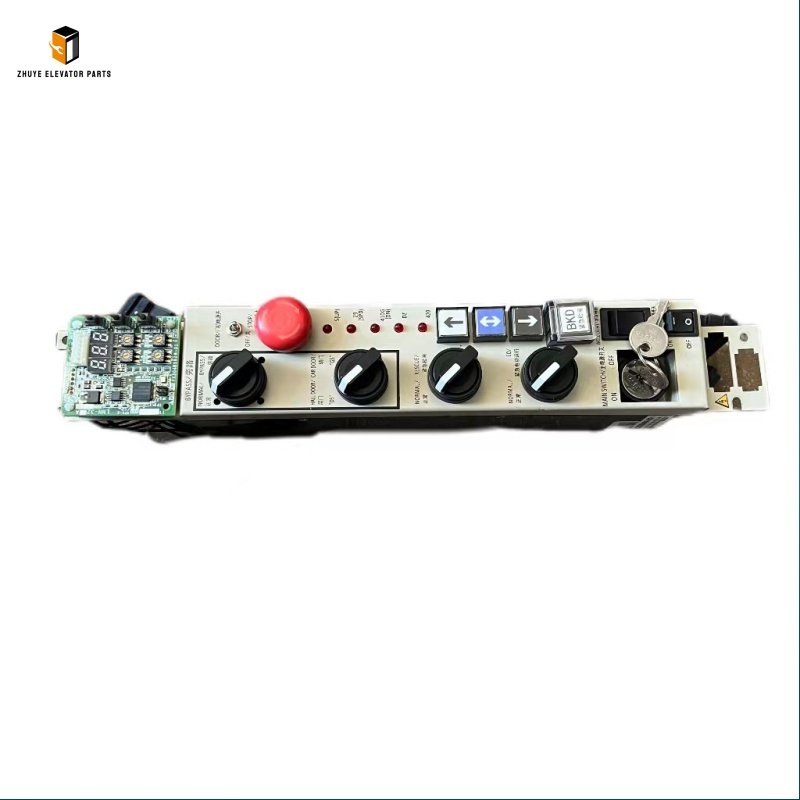
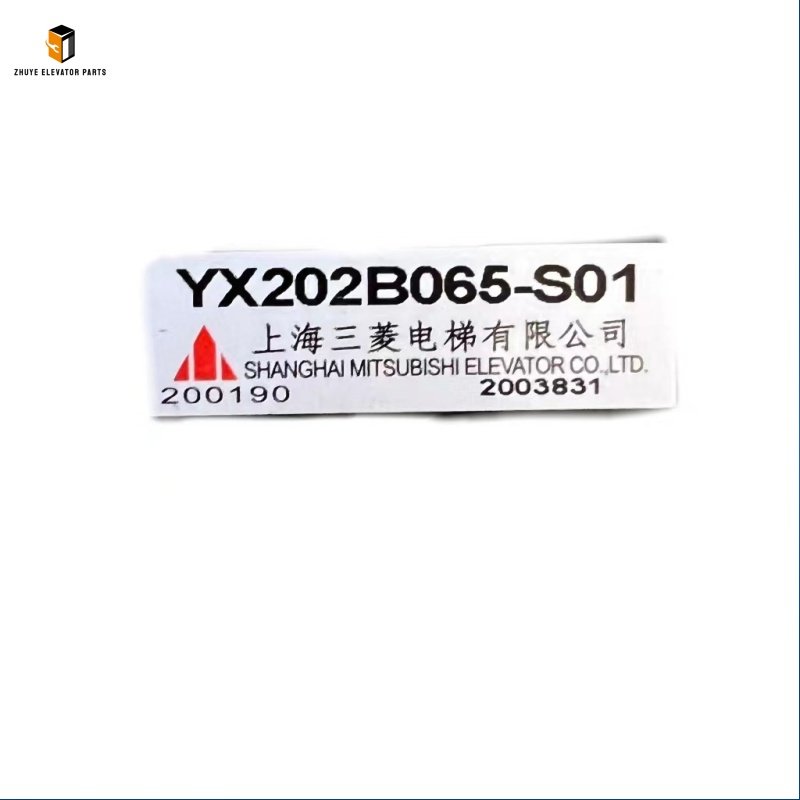
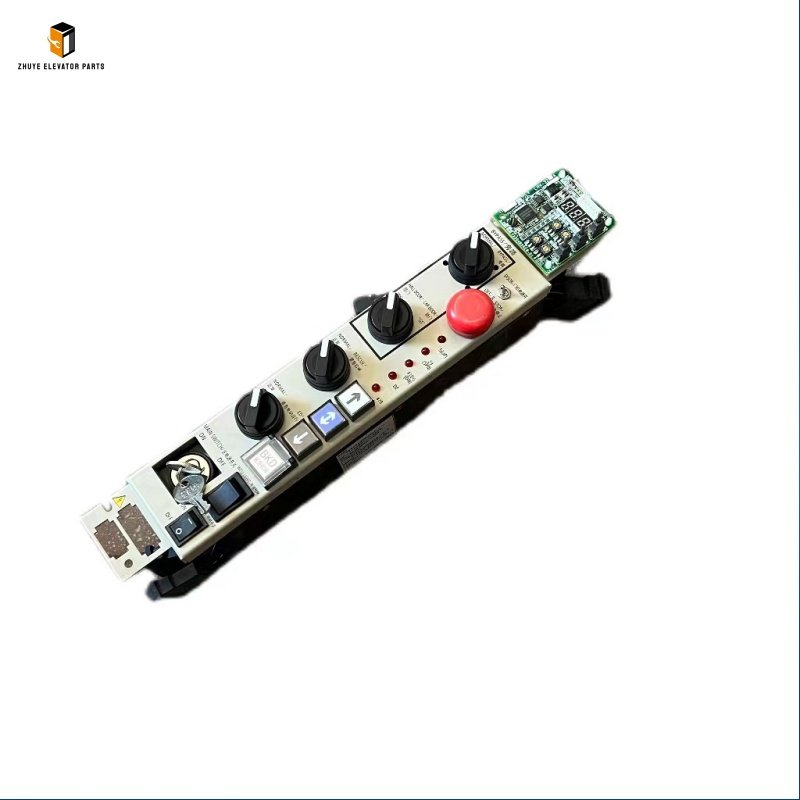
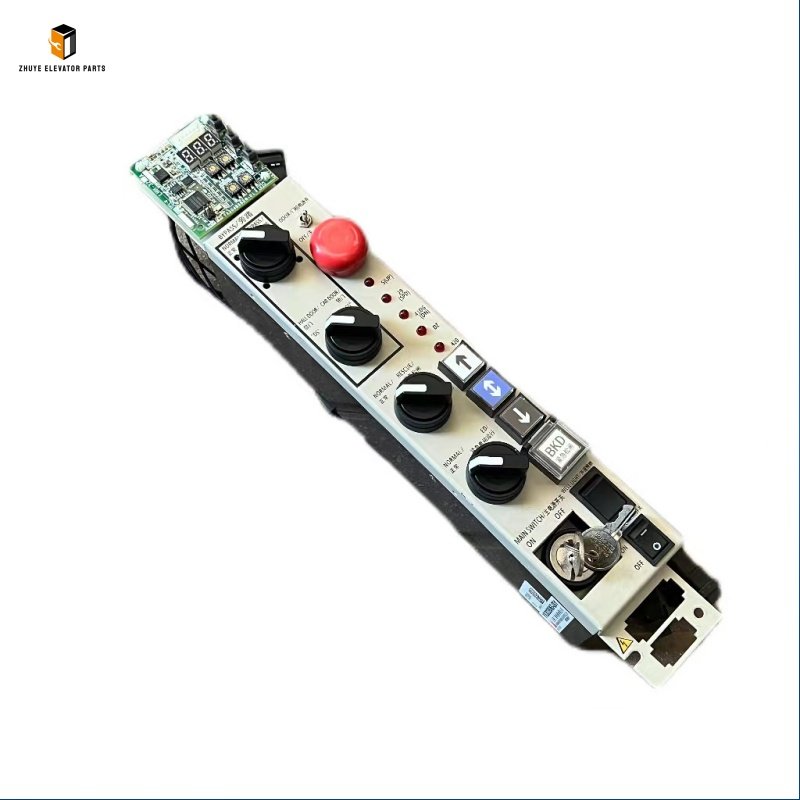
Mitsubishi elevator inspection box YX202B065-S01 Brief Introduction
|
Product Name |
Mitsubishi elevator inspection box |
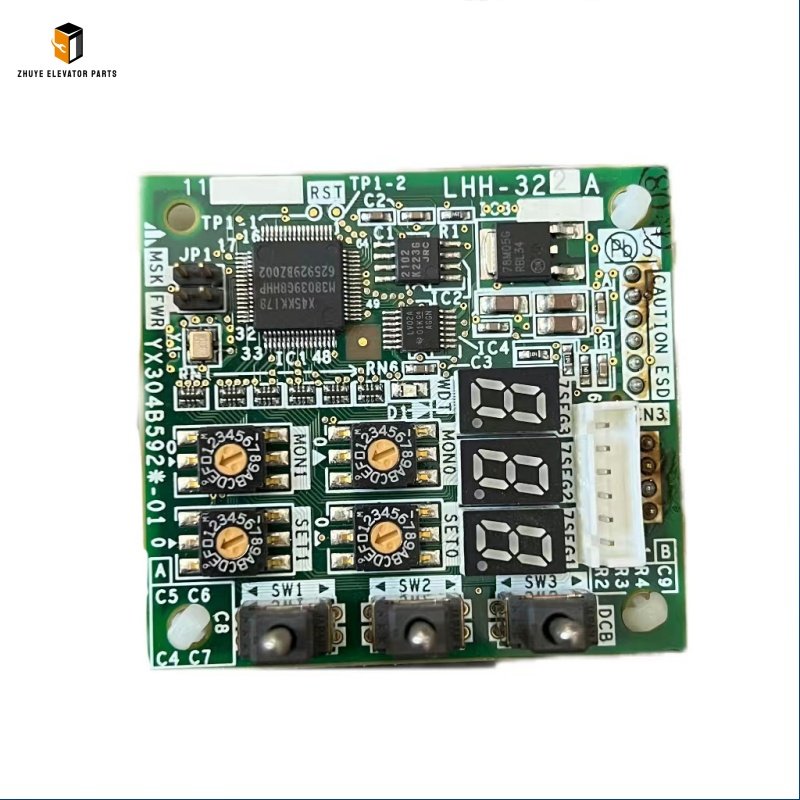
| Model Number | YX202B065-S01
LHH-322A LHH-321A |
|
Quality
|
Original.Brand New
|
|
Payment
|
T/T. Paypal. Western Union
|
|
Delivery
|
3-5 Working Days
|
|
Packaging
|
Packed by carton
|
Mitsubishi Elevator Inspection Box YX202B065-S01: Usage Guide, Replacement Cycle & Trusted Supply from Nanjing Zhuye
The Mitsubishi Elevator Inspection Box YX202B065-S01 is a specialized maintenance and safety component exclusively engineered for Mitsubishi elevator systems—essential for commercial high-rises, residential complexes, public transit facilities, and office buildings worldwide. As the primary “inspection control interface” for Mitsubishi NexWay, ELENESSA, and MAXIEZ series elevators, this box provides certified technicians with direct access to elevator diagnostic functions, manual operation controls, and safety interlock overrides during maintenance, troubleshooting, or emergency scenarios. It features a rugged, user-friendly design with dedicated buttons for elevator movement (up/down), speed adjustment, inspection mode activation, and fault code retrieval—all aligned with Mitsubishi’s strict safety protocols to ensure maintenance work is performed without compromising passenger or technician safety.
Compliant with global safety and industrial standards (EN 81, ISO 9001, IEC 61010), the YX202B065-S01 boasts a durable, environment-resistant construction: impact-resistant ABS housing for physical protection, sealed electrical connections to prevent dust and moisture intrusion, corrosion-resistant metal terminals, and clear, backlit control buttons for visibility in low-light machine rooms. This design withstands frequent use during maintenance cycles and operates reliably in temperature ranges of -5°C to +40°C—critical for consistent performance in varying machine room conditions. For maintenance teams, facility managers, and elevator service providers, mastering the correct usage, installation, and replacement timelines of this inspection box is vital to ensuring efficient maintenance workflows, compliance with safety regulations, and minimal elevator downtime. Nanjing Zhuye Elevator Parts, a trusted supplier of authentic Mitsubishi components, delivers the YX202B065-S01 inspection box that meets Mitsubishi’s original manufacturing specifications—guaranteeing seamless compatibility, intuitive operation, and long-term durability.
Proper Usage Methods of Mitsubishi YX202B065-S01 Inspection Box
1. Pre-Usage Preparation
Before using the YX202B065-S01, prioritize safety by confirming the elevator is unoccupied (verify via car camera or intercom) and activating the “Maintenance Mode” on the main controller to disable normal passenger operation. Inspect the inspection box for physical damage—such as cracked housing, unresponsive buttons, loose wiring, or damaged connectors—defects that can cause misoperation or safety risks during maintenance. Nanjing Zhuye’s quality control process ensures each box arrives in optimal condition: fully functional buttons, intact wiring harnesses, clear labeling, and pre-tested compatibility with Mitsubishi’s diagnostic systems.
Verify compatibility with your Mitsubishi elevator model by cross-referencing the technical manual or consulting Nanjing Zhuye’s technical support team. Ensure the inspection box’s communication protocol matches the elevator’s main controller—using an incompatible unit can prevent access to diagnostic functions or trigger false safety alarms. Additionally, familiarize yourself with the box’s control layout: main power switch, inspection mode activation button, up/down direction controls, speed selection (typically 0.25m/s–0.5m/s for inspection), fault code display (if integrated), and emergency stop button.
2. Operational Steps for Maintenance & Inspection
- Activating Inspection Mode:
- Locate the inspection box (typically mounted in the machine room, car top, or landing door area) and open the secure cover (using a Mitsubishi-approved key provided by Nanjing Zhuye). Flip the main power switch to “ON” to energize the box’s control circuit.
- Press and hold the “Inspection Mode” button for 3 seconds until the indicator light illuminates (red or green, depending on model)—this confirms the elevator has switched from normal operation to inspection mode, disabling passenger call functions and limiting speed to safe maintenance levels.
- Manual Operation & Diagnostics:
- Use the “Up”/“Down” direction buttons to move the elevator car to the desired floor for maintenance (e.g., accessing the traction system or door mechanisms). Release the button to stop the car—note that the elevator will not automatically level with floors in inspection mode, requiring manual positioning.
- Select the appropriate inspection speed (low speed for precise positioning, medium speed for longer travel) using the speed control switch. Avoid high-speed operation during inspection to minimize safety risks.
- Retrieve fault codes via the integrated display (or connect a diagnostic tool to the box’s auxiliary port) to identify issues such as sensor malfunctions, communication errors, or mechanical wear. Document all fault codes for reference during repairs.
- Safety & Shutdown Procedures:
- In case of emergency (e.g., unexpected movement, technician hazard), press the red “Emergency Stop” button to immediately cut power to the elevator’s drive system. Reset the button only after resolving the hazard.
- After completing maintenance, press the “Inspection Mode” button again to deactivate (indicator light turns off) and flip the main power switch to “OFF.” Secure the inspection box cover with the key to prevent unauthorized access.
- Conduct a functional test by restoring normal operation and verifying the elevator responds to passenger calls, levels correctly, and displays no active fault codes.
3. Routine Usage Maintenance
To preserve the YX202B065-S01’s performance and reliability, implement these proactive maintenance practices:
- Weekly Visual Inspections: Check for physical damage, loose cover fasteners, or unresponsive buttons. Ensure the indicator lights illuminate correctly when the box is powered on.
- Monthly Functional Checks: Test all buttons (direction, speed, emergency stop) and verify the inspection mode activates/deactivates as intended. Clean the button surfaces and display (if applicable) with a soft, dry cloth to remove dust and debris.
- Quarterly Connection Inspections: Open the box (by authorized technicians only) to inspect internal wiring and connectors for fraying, corrosion, or loose contacts. Retighten terminals as needed or replace damaged wiring with genuine Mitsubishi parts from Nanjing Zhuye.
- Semi-Annual Calibration: Verify the inspection box’s communication with the main controller using Mitsubishi’s diagnostic software to ensure fault codes are transmitted accurately and inspection mode functions as specified.
- Annual Safety Verification: Confirm the emergency stop button triggers an immediate shutdown and the inspection speed limits are enforced—this ensures compliance with Mitsubishi’s safety standards and regulatory requirements.
Recommended Replacement Cycle
The service life of the Mitsubishi YX202B065-S01 Inspection Box depends on usage frequency (maintenance cycles per month), environmental conditions (temperature, humidity), and physical wear. Based on Mitsubishi’s engineering standards and Nanjing Zhuye’s technical expertise:
1. Standard Replacement Cycle
Under normal operating conditions (monthly maintenance use, regular upkeep, ambient temperature -5°C to +40°C), the inspection box should be replaced every 8–10 years. This timeframe accounts for gradual wear of buttons, degradation of electrical connections, and potential firmware obsolescence—proactive replacement ensures reliable access to inspection functions and compliance with safety regulations.
2. Signs That Require Immediate Replacement
Replace the inspection box immediately if you encounter any of the following issues:
- Functional Failures: Unresponsive buttons, failure to activate inspection mode, incorrect speed control, or inability to retrieve fault codes—hindering maintenance work and extending downtime.
- Safety Compromises: Emergency stop button not triggering a shutdown, inspection mode not disabling passenger calls, or speed limits not being enforced—posing severe risks to technicians and passengers.
- Physical Damage: Cracked housing, water intrusion, corroded terminals, or broken cover latches—compromising electrical safety and allowing dust/debris to enter internal components.
- Communication Errors: Persistent failure to sync with the main controller (e.g., fault codes not displaying, elevator not responding to direction commands) that cannot be resolved with troubleshooting.
- Visual Deterioration: Faded button labels, non-functional indicator lights, or damaged wiring harnesses—reducing usability and increasing the risk of operator error.
3. Maintenance to Extend Service Life
- Environmental Protection: Ensure the inspection box is mounted in a dry, dust-free location away from heat sources (e.g., traction motors) and moisture. Replace the cover gasket if it becomes worn to maintain a sealed environment.
- Gentle Usage Practices: Train technicians to press buttons firmly but gently and avoid using tools to operate controls—reducing wear on button mechanisms.
- Secure Storage: Keep the inspection box key in a designated, secure location to prevent unauthorized access and potential damage from tampering.
- Genuine Replacements: When replacement is needed, choose authentic Mitsubishi YX202B065-S01 inspection boxes from Nanjing Zhuye. Counterfeit units use inferior components, lack safety certifications, and may not integrate with Mitsubishi’s diagnostic systems—compromising maintenance efficiency and safety.
Why Choose Nanjing Zhuye Elevator Parts for Mitsubishi YX202B065-S01?
When sourcing the Mitsubishi YX202B065-S01 inspection box, Nanjing Zhuye offers unmatched advantages for maintenance-focused professionals:
- Authenticity & Compatibility: All units meet Mitsubishi’s original manufacturing specifications, ensuring seamless integration with NexWay, ELENESSA, and MAXIEZ series elevators.
- Strict Quality Assurance: Each inspection box undergoes rigorous testing (button functionality, communication reliability, safety interlock validation) to guarantee performance in critical maintenance scenarios.
- Expert Technical Support: Certified engineers provide 24/7 assistance for installation, troubleshooting, and usage guidance—helping technicians maximize efficiency during maintenance.
- Global Efficient Delivery: Fast shipping to worldwide locations minimizes downtime for maintenance operations, ensuring elevators return to service quickly.
- Competitive Pricing: Direct sourcing from Mitsubishi’s authorized channels eliminates middlemen, offering cost-effective solutions without compromising quality or safety.
Conclusion
The Mitsubishi Elevator Inspection Box YX202B065-S01 is an indispensable tool for safe, efficient elevator maintenance—serving as the bridge between technicians and Mitsubishi’s complex elevator systems. By following proper usage, maintenance, and replacement practices—paired with Nanjing Zhuye Elevator Parts’ authentic components—you can ensure maintenance workflows are streamlined, safety standards are upheld, and elevator downtime is minimized. Whether you need a single replacement box, technical support for usage training, or bulk orders for a building fleet, Nanjing Zhuye is committed to delivering premium Mitsubishi components and tailored professional services. Invest in the maintenance efficiency and safety of your Mitsubishi elevators—choose Nanjing Zhuye Elevator Parts for your YX202B065-S01 inspection box requirements.