

Description
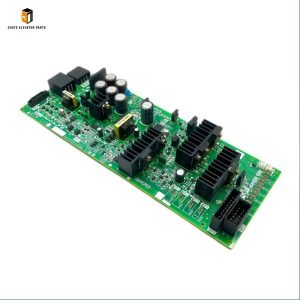
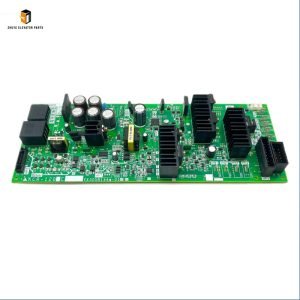
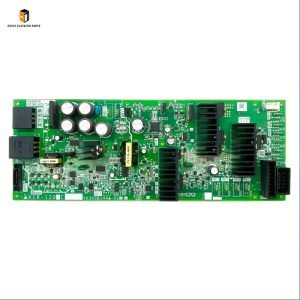
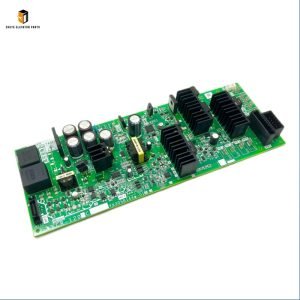
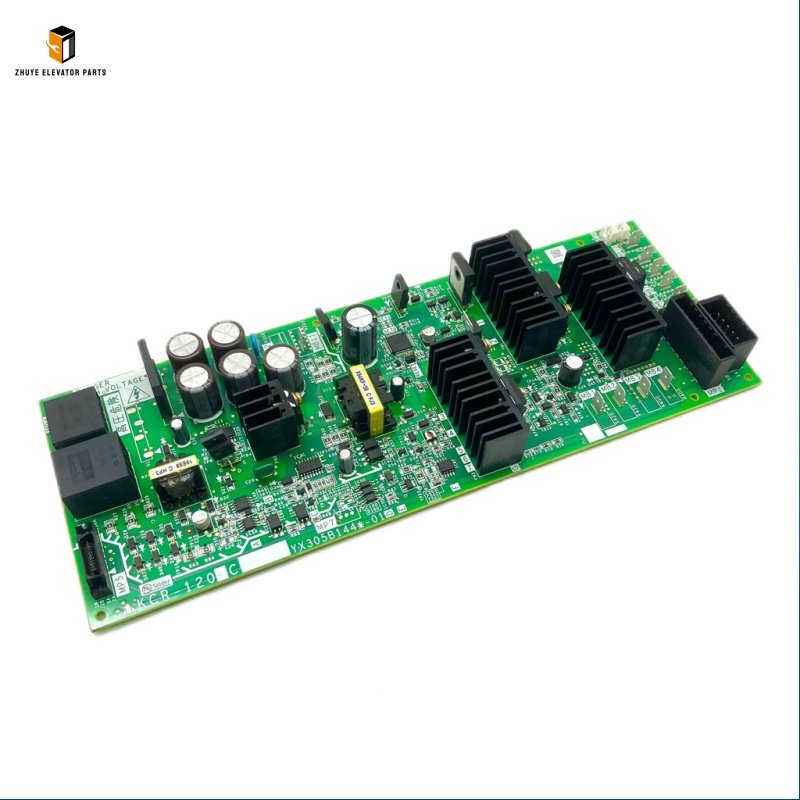
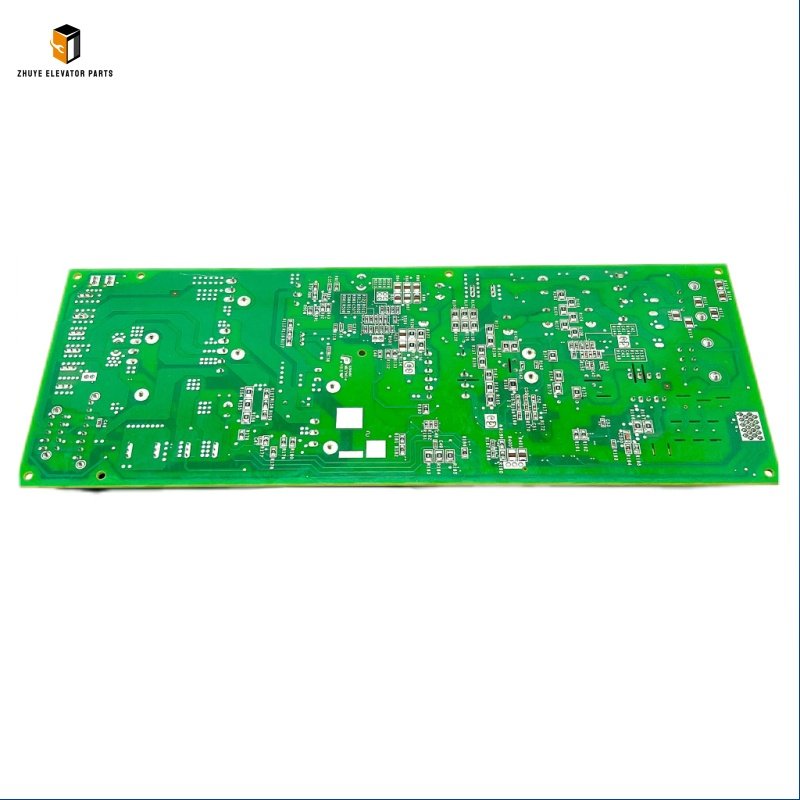
Mitsubishi elevator drive board KCR-1200C/1201C Introduction
|
Product Name |
Mitsubishi elevator drive board |
| Model Number | KCR-1200C
KCR-1201C |
|
Quality
|
Original.Brand New
|
|
Payment
|
T/T. Paypal. Western Union
|
|
Delivery
|
3-5 Working Days
|
|
Packaging
|
Packed by carton
|
Mitsubishi Elevator Drive Board KCR-1200C/1201C: Usage Guide, Replacement Cycle & Trusted Supply from Nanjing Zhuye
The Mitsubishi Elevator Drive Board KCR-1200C/1201C is an advanced power control component exclusively engineered for Mitsubishi’s modern elevator systems—including NexWay Supreme, ELENESSA Eco, and MAXIEZ High-Speed series—essential for high-rise commercial buildings, luxury residential complexes, transit hubs, and heavy-traffic public facilities worldwide. As the “precision control core” of the elevator’s traction system, this dual-variant drive board (KCR-1200C for standard-speed models, KCR-1201C for high-speed applications) leverages Mitsubishi’s proprietary vector control technology and IGBT power modules to convert three-phase AC input into smooth variable-frequency drive (VFD) output. It regulates traction motor speed, torque, and acceleration/deceleration with exceptional accuracy, ensuring energy efficiency (IE4 compliance) and passenger comfort while maintaining robust safety redundancy.
Compliant with global elevator safety and electrical standards (EN 81-20/50, IEC 61800-5-1, UL 1012, ISO 9001), the KCR-1200C/1201C series features an industrial-grade, rugged design: multi-layer PCB with conformal coating (resists dust, moisture, and electromagnetic interference), heavy-duty extruded aluminum heat sink (optimized for high-power dissipation), flame-retardant epoxy housing (UL94 V0 rating), and built-in protection against overvoltage, overcurrent, short circuits, overheating, motor stall, and encoder faults. This construction withstands 24/7 operation in demanding machine room environments, enduring temperature fluctuations (-10°C to +60°C), mechanical vibration, and electrical grid instability—critical for preventing traction motor damage, elevator jitter, or unexpected shutdowns in high-speed/high-load scenarios. For maintenance teams, facility managers, and elevator service providers, mastering proper installation, configuration, and replacement timelines is vital to ensuring regulatory compliance, passenger safety, and optimal elevator performance. Nanjing Zhuye Elevator Parts, a trusted supplier of authentic Mitsubishi components, delivers the KCR-1200C/1201C series that meets Mitsubishi’s original manufacturing specifications—guaranteeing seamless compatibility, precise motor control, and long-term reliability.
Proper Usage Methods of Mitsubishi KCR-1200C/1201C Drive Board
1. Pre-Installation Preparation
Before installation or replacement, prioritize safety by shutting off the elevator’s main power supply, discharging the DC bus capacitors (wait a minimum of 30 minutes after power-off to avoid electric shock), and securing the work area (machine room control cabinet) with warning signs and lockout-tagout (LOTO) devices. Inspect the new KCR-1200C/1201C for physical damage—cracked PCB traces, bent power terminals, swollen capacitors, damaged heat sink fins, or loose solder joints—defects that can cause electrical faults, motor burnout, or safety hazards. Nanjing Zhuye’s strict quality control process ensures each unit arrives in optimal condition: intact IGBT power modules, functional vector control circuits, secure wiring connections, and pre-loaded Mitsubishi-compatible firmware.
Verify compatibility with your Mitsubishi elevator model by cross-referencing the technical manual or consulting Nanjing Zhuye’s technical support team. Ensure three key details align: (1) the board variant (KCR-1200C: 25kW rated power for standard-speed elevators; KCR-1201C: 40kW rated power for high-speed models) matches the traction motor’s specifications and elevator speed rating, (2) the mounting dimensions (260x220x95mm) fit the control cabinet’s dedicated slot, and (3) the input voltage (380V AC three-phase) and communication protocol (Mitsubishi’s CANopen-based elevator control bus) are compatible with the elevator’s main control system. Using an incompatible drive board variant can result in motor overheating, insufficient torque, or communication failures. Additionally, prepare the installation area: Clean the control cabinet to remove dust and debris, ensure a minimum 25cm clearance around the board for heat dissipation (critical for high-speed operation), and back up the old board’s parameters (via Mitsubishi’s diagnostic software, e.g., MELDAS) to preserve motor control settings (acceleration rate, speed limits, torque compensation, energy-saving modes).
2. Installation & Configuration Steps
- Board Installation: Align the KCR-1200C/1201C with the mounting brackets in the control cabinet, ensuring the heat sink faces the cabinet’s ventilation fans or air vents (maximizes heat dissipation). Secure the board with stainless steel hex screws (torque to 2.0–2.5 Nm) to prevent vibration-induced movement—over-tightening can damage the PCB or power module solder joints. Connect the cabinet’s grounding cable to the board’s earth terminal (green/yellow) to reduce electromagnetic interference and ensure electrical safety.
- Wiring & Connection: Follow Mitsubishi’s wiring schematic to connect power and control cables. Connect three-phase AC input cables (L1/L2/L3) to the board’s main power terminals, and traction motor cables (U/V/W) to the output terminals—ensure correct phase alignment to avoid motor reverse rotation. Tighten power terminals to 4.0–4.5 Nm using a torque wrench (prevents arcing or voltage drop in high-current scenarios). Connect control signal cables (speed reference, motor encoder feedback, emergency stop, brake control) to the auxiliary terminals, and the communication cable to the elevator’s main control board. Use crimped cable lugs for stranded wires to enhance contact reliability and reduce resistance.
- Configuration & Testing: Restore power to the elevator (performed exclusively by certified Mitsubishi technicians) and upload the backed-up parameters to the new KCR-1200C/1201C via diagnostic software. Configure critical settings: motor rated voltage/current, vector control parameters, acceleration/deceleration rates (1.2–2.0 m/s² for high-speed models), maximum speed, brake release timing, and energy-saving modes (e.g., regenerative braking). Conduct three mandatory tests:
- No-Load Test: Operate the elevator without passengers to verify smooth motor startup, stable speed regulation, and no abnormal noise (e.g., IGBT switching hum or motor vibration).
- Load Test: Run the elevator with 50%, 100%, and 110% of rated load to confirm consistent torque output, precise speed control, and no overheating (heat sink temperature <85°C during peak load).
- Safety Function Test: Trigger emergency stop, overcurrent, encoder fault, and motor stall conditions to ensure the drive board shuts down the motor immediately and engages the brake—confirming compliance with EN 81-50 safety standards.
Document installation details, parameter settings, and test results in maintenance records to demonstrate compliance with Mitsubishi’s service requirements.
3. Routine Usage Maintenance
To preserve the KCR-1200C/1201C’s performance and extend its lifespan, implement proactive maintenance practices tailored to high-power VFD components:
- Daily Visual Inspections: Check the board for loose wiring, physical damage, or signs of overheating (discolored heat sink, burning odors, or tripped thermal protectors). Verify the status LED (green = normal, red = fault, amber = warning) shows no active errors.
- Weekly Temperature Monitoring: Use an infrared thermometer to measure the heat sink temperature during peak operation—ensure it remains below 85°C (critical for IGBT module longevity).
- Monthly Cleaning: Remove dust from the heat sink fins and control cabinet using low-pressure compressed air (blow in the direction of fin alignment)—dust buildup blocks heat dissipation and accelerates component aging. Avoid liquid cleaners or abrasive tools.
- Quarterly Wiring Check: Inspect power and signal cables for fraying, insulation damage, or corrosion—tighten terminals or replace cables with genuine Mitsubishi-compatible wires from Nanjing Zhuye if needed.
- Semi-Annual Parameter Verification: Use diagnostic software to confirm parameter settings remain intact and re-calibrate encoder feedback if speed accuracy deviates by >0.3%. Update firmware (if recommended by Mitsubishi) to enhance performance and resolve potential compatibility issues.
Recommended Replacement Cycle
The service life of the Mitsubishi KCR-1200C/1201C Drive Board depends on usage intensity (daily elevator cycles, load magnitude, speed), environmental conditions, and maintenance quality. Based on Mitsubishi’s engineering standards and Nanjing Zhuye’s technical expertise:
1. Standard Replacement Cycle
Under normal operating conditions (12–18 hours daily use, regular cleaning, ambient temperature -10°C to +60°C), the KCR-1200C/1201C should be replaced every 8–10 years. This timeframe aligns with the typical lifespan of high-power IGBT modules (12,000–15,000 operating hours) and vector control circuits, ensuring proactive replacement before power module degradation leads to motor control failures or safety risks.
2. Signs That Require Immediate Replacement
Replace the drive board immediately if:
- Motor Control Failures: Elevator accelerates/decelerates erratically, vibrates during high-speed operation, or fails to reach rated speed—compromises passenger comfort and safety.
- Power Module Damage: Heat sink temperature exceeds 100°C, or the board displays “IGBT Overheat”/“Power Module Fault” codes—risks module burnout, electrical fires, or catastrophic motor failure.
- Persistent Fault Codes: Recurring drive-related errors (e.g., “Overcurrent,” “Encoder Fault,” “Communication Loss,” “Vector Control Error”) cannot be resolved by wiring checks, parameter resets, or firmware updates.
- Physical Damage: Cracked PCB, water intrusion, burned components, or damaged heat sink—signals irreparable internal damage and safety hazards.
- Safety Compromise: Fails to activate protection mechanisms during overcurrent/emergency stop, or brake control malfunctions—violates EN 81-20/50 and local safety regulations.
3. Maintenance to Extend Service Life
- Environmental Control: Keep the machine room clean, dry, and well-ventilated. Maintain temperature between 15°C–45°C and humidity <75%—extreme heat/moisture accelerates IGBT aging and capacitor degradation.
- Power Stabilization: Install external surge protectors and voltage regulators to shield the board from grid transients and voltage fluctuations—reduces stress on power modules and control circuits.
- Heat Dissipation Optimization: Ensure control cabinet fans are functional, air vents are unobstructed, and heat sink fins are clean. Upgrade to forced-air or liquid cooling for high-speed elevators operating in hot environments.
- Genuine Parts Only: Use exclusively authentic Mitsubishi KCR-1200C/1201C boards from Nanjing Zhuye. Counterfeit units use low-grade IGBTs, lack vector control precision, and omit critical safety features—risking elevator failures and passenger harm.
Why Choose Nanjing Zhuye Elevator Parts for Mitsubishi KCR-1200C/1201C?
When sourcing a critical high-power control component like the Mitsubishi KCR-1200C/1201C, Nanjing Zhuye offers unmatched advantages for safety-focused professionals:
- Authenticity & Compatibility: All units are genuine Mitsubishi components, ensuring seamless integration with NexWay/ELENESSA/MAXIEZ systems—eliminating motor control mismatches, communication errors, or safety hazards.
- Strict Quality Assurance: Each board undergoes rigorous testing (power module performance, vector control accuracy, safety redundancy, heat dissipation efficiency) to meet Mitsubishi’s original manufacturing and safety standards.
- Expert Technical Support: Certified engineers provide 24/7 assistance for installation, parameter configuration, firmware updates, and troubleshooting—even for high-speed/high-load elevator models.
- Global Efficient Delivery: Fast shipping minimizes downtime, critical for high-traffic facilities where drive board failures disrupt operations, inconvenience passengers, and incur financial losses.
- Competitive Pricing: Direct sourcing from Mitsubishi’s authorized channels eliminates middlemen, offering cost-effective solutions without compromising quality, performance, or safety.
Conclusion
The Mitsubishi Elevator Drive Board KCR-1200C/1201C is a flagship high-performance component that ensures smooth, efficient, and safe operation of modern Mitsubishi elevators—from standard-speed residential models to high-speed commercial systems. By following proper installation, configuration, and maintenance practices—paired with Nanjing Zhuye’s authentic components—you can maintain regulatory compliance, optimize energy efficiency, reduce downtime, and safeguard passengers. Whether you need a single replacement board, bulk orders for a high-rise fleet, or technical support for complex installations, Nanjing Zhuye delivers premium Mitsubishi parts and tailored professional services. Invest in elevator power control reliability and safety—choose Nanjing Zhuye for your KCR-1200C/1201C drive board needs.