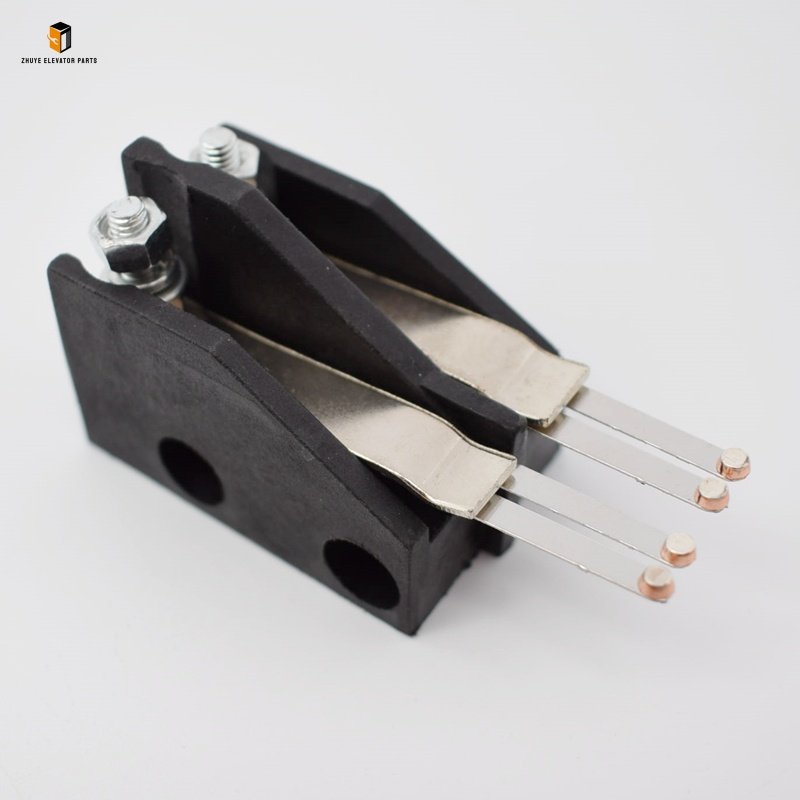
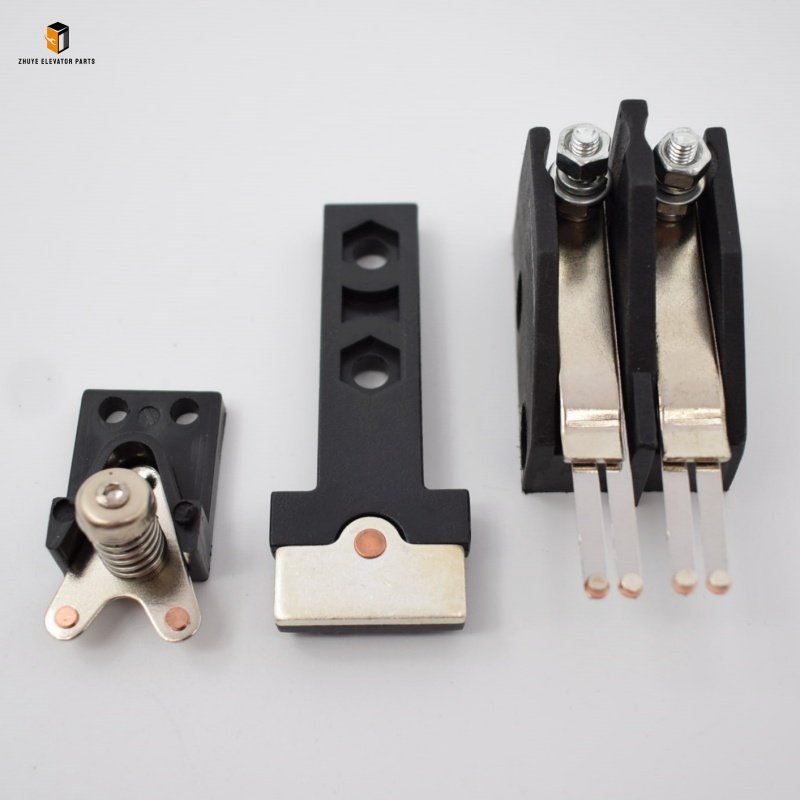
Description
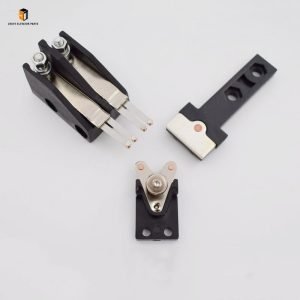
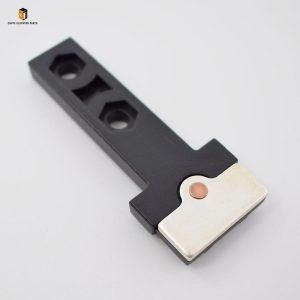
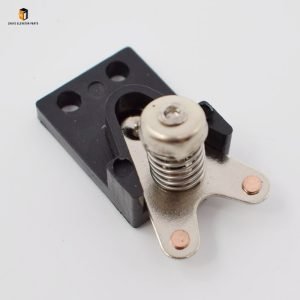
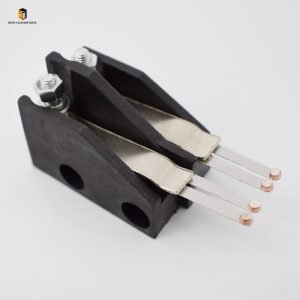
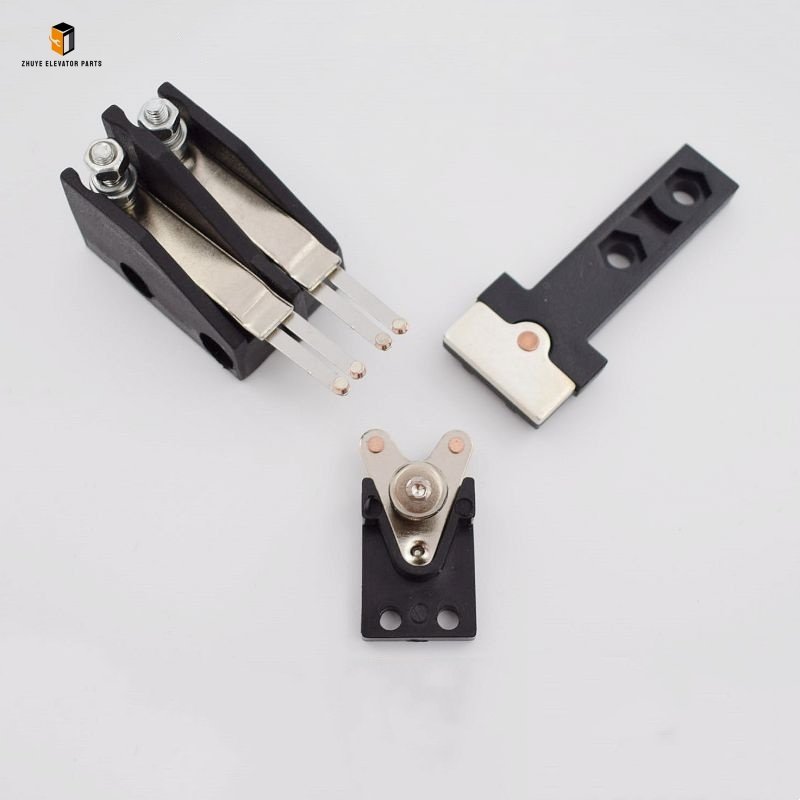
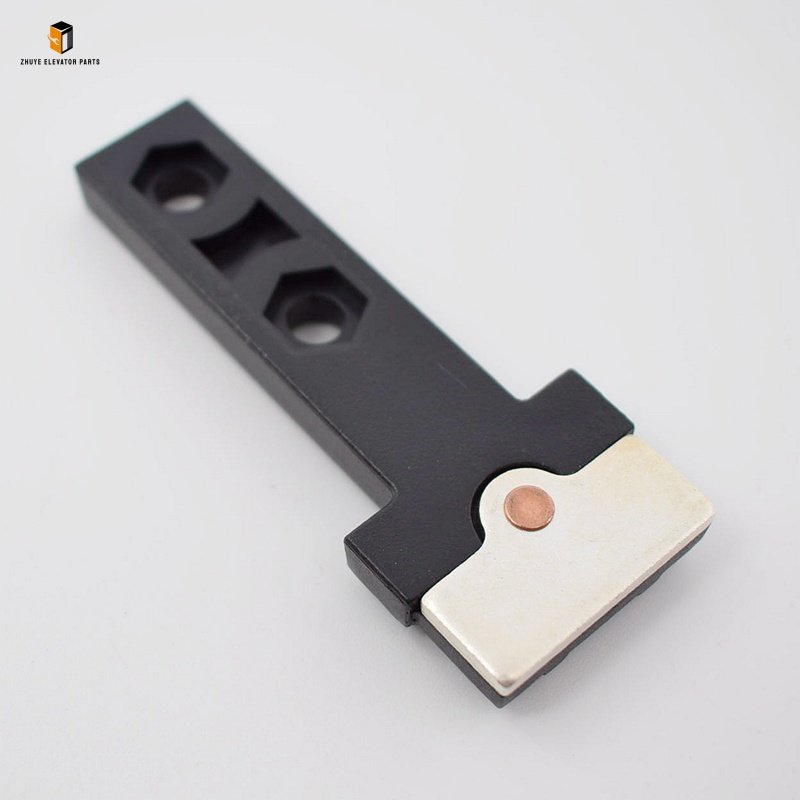
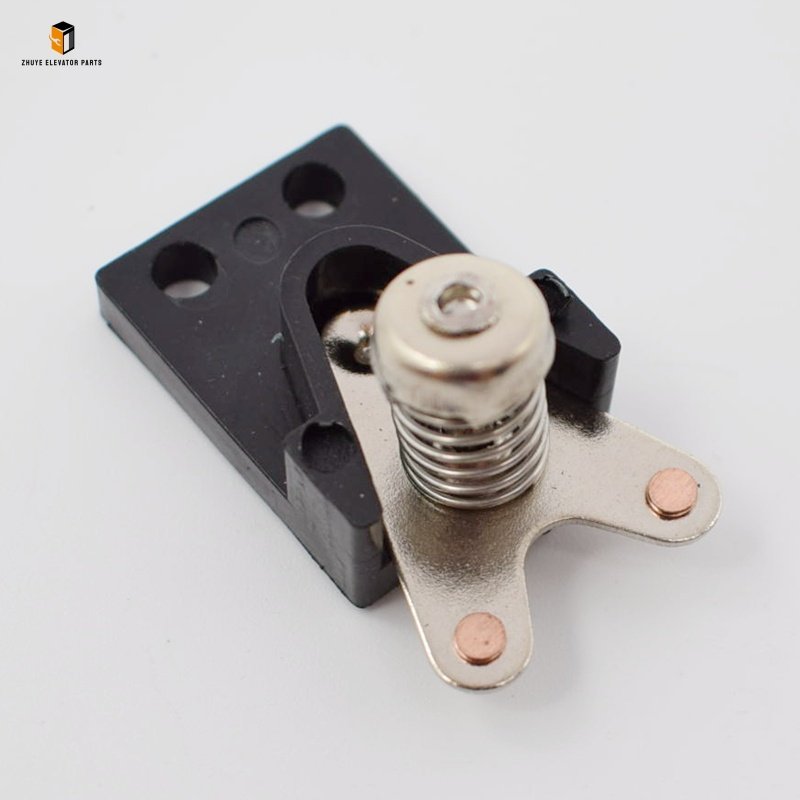
Mitsubishi Elevator door contact point 161 Brief Introduction
|
Product Name |
Mitsubishi Elevator door contact point |
| Model Number | 161 |
|
Quality
|
Original.Brand New
|
|
Payment
|
T/T. Paypal. Western Union
|
|
Delivery
|
3-5 Working Days
|
|
Packaging
|
Packed by carton
|
Nanjing Zhuye Elevator Parts: Mitsubishi Elevator Door Contact Point 161 – Precision Safety Interlock for Door Systems
Elevator door safety in Mitsubishi elevators depends on specialized interlock components, and the Mitsubishi Elevator Door Contact Point 161 stands as a critical safety device engineered to ensure reliable door closure verification. This dedicated contact point acts as the “safety bridge” between Mitsubishi’s door lock assembly and the main controller, transmitting accurate signals to confirm doors are fully latched before allowing elevator movement – preventing hazards like passenger falls or entrapment. Nanjing Zhuye Elevator Parts, a globally trusted supplier of premium elevator components, proudly offers Mitsubishi-compatible Door Contact Point 161, manufactured to match the exacting precision and safety standards of Mitsubishi’s original specifications. This article provides a comprehensive guide to the product’s features, proper usage methods, replacement cycles, and why Nanjing Zhuye Elevator Parts is the preferred choice for Mitsubishi elevator professionals worldwide.
Product Overview: Mitsubishi Elevator Door Contact Point 161 by Nanjing Zhuye Elevator Parts
The Mitsubishi Elevator Door Contact Point 161 is a precision-engineered mechanical contact designed exclusively for Mitsubishi elevator car doors and landing doors, compatible with popular Mitsubishi models (including GPS, NEXIEZ, and HOPE series). It features a normally closed (NC) contact configuration optimized for Mitsubishi’s safety circuit architecture, closing the circuit only when the door is fully locked and interrupting power to the drive system if the door is partially open. The contact point’s compact, drop-in design adheres to Mitsubishi’s original mounting dimensions, ensuring seamless replacement without modifying the door lock assembly or wiring.
At Nanjing Zhuye Elevator Parts, quality and compatibility are non-negotiable. The Door Contact Point 161 features a corrosion-resistant brass housing (electroplated for long-term rust protection), silver-plated copper contacts for low contact resistance (Ω) and anti-arcing performance, and a high-precision stainless steel plunger with a fatigue-resistant spring (operating force: 1.8-3.2N). Each contact point undergoes rigorous quality control, including mechanical endurance trials (2 million+ operations), contact continuity testing, and environmental resistance validation (operating range: -20°C to 75°C), complying with Mitsubishi’s internal standards, ISO 9001, and CE. This commitment to excellence ensures the contact point delivers consistent, reliable performance, even in high-traffic Mitsubishi elevators with frequent door cycles.
How to Use the Mitsubishi Elevator Door Contact Point 161
Proper installation and calibration are critical to ensuring compatibility with Mitsubishi’s safety system and maintaining elevator safety. Follow these professional guidelines for effective use:
Installation Steps
- Safety Preparation: Before installation, shut off the elevator’s main power supply and lock the control panel using LOTO (Lockout/Tagout) procedures. Access the door lock assembly (car door or landing door) using a stable ladder. Wear insulating gloves, safety glasses, and protective footwear to avoid electrical hazards or mechanical injury.
- Remove the Old Contact Point: Locate the existing Door Contact Point 161 on the Mitsubishi door lock bracket (typically secured by two M3 screws). Disconnect the wiring from the terminal block – note the wire colors and terminal labels (Common, NC) as per Mitsubishi’s wiring diagram to ensure correct reconnection. Loosen the fixing screws and carefully remove the old contact point, taking note of its orientation relative to the door latch cam.
- Prepare the Mounting Area: Clean the mounting bracket with a lint-free cloth to remove dust, oil, or debris. Inspect the Mitsubishi door latch cam that activates the contact – ensure it is free of wear or deformation (replace if necessary to guarantee proper contact engagement). Verify the wiring is in good condition (no fraying or insulation damage) to prevent short circuits in Mitsubishi’s safety circuit.
- Install the New Contact Point: Align the Nanjing Zhuye Elevator Parts Door Contact Point 161 with the mounting holes on the Mitsubishi door lock bracket, ensuring the plunger faces the latch cam (activation point). Secure the contact point with the original screws (torque: 0.9-1.3 N·m) – avoid over-tightening, as this can bind the plunger mechanism. Reconnect the wires to the correct terminals (match Mitsubishi’s original wiring configuration) and use crimp connectors to ensure tight, insulated connections.
- Test and Calibrate: Manually operate the door to verify contact activation: the contact should close (complete the safety circuit) when the door is fully latched, and open immediately if the door is opened slightly. Use a multimeter to test continuity – confirm resistance is closed and infinite when open (per Mitsubishi’s specifications). Restore elevator power and run 30+ door cycles to confirm the elevator only operates when doors are fully closed, with no “door interlock failure” error codes on the Mitsubishi controller.
Usage Precautions
- Mitsubishi Circuit Compatibility: Ensure the contact point is connected to Mitsubishi’s safety circuit per the model-specific wiring diagram. Incorrect wiring can disable the interlock function or trigger false fault codes.
- Plunger Alignment: Adjust the mounting position if necessary to ensure the Mitsubishi door latch cam fully depresses the plunger (stroke: 1.2-2.8mm). Incomplete activation can cause intermittent circuit breaks.
- Regular Maintenance: Clean the contact point housing and plunger every 3 months with a dry brush to remove dust or debris. Avoid using water or solvents, as these can damage the contacts or housing.
- Avoid Mechanical Stress: Do not strike the contact point or bend the plunger, as this can disrupt the precision mechanism and compromise compatibility with Mitsubishi’s door lock system.
Replacement Cycle of Mitsubishi Elevator Door Contact Point 161
The replacement cycle depends on usage intensity, environmental conditions, and maintenance practices. Follow these Mitsubishi-specific guidelines:
General Timeline
- High-Traffic Areas: Shopping malls, airports, or high-rise buildings (Mitsubishi elevators operating 12+ hours daily, 600+ door cycles per day) – replace every 2-3 years. Frequent activation accelerates contact wear and spring fatigue.
- Medium-Traffic Areas: Residential buildings, hotels, or offices (8-10 hours daily, 300-600 door cycles per day) – replace every 3-5 years.
- Low-Traffic Areas: Villas, industrial facilities, or low-occupancy buildings (4-6 hours daily, cycles per day) – replace every 5-7 years, with semi-annual inspections.
Signs of Replacement Need
Replace the contact point immediately if:
- Mitsubishi Fault Codes: Recurring “door lock contact error” or “safety circuit open” codes (e.g., E11, E12 on Mitsubishi controllers) that persist after wiring checks.
- Intermittent Operation: The elevator fails to start randomly or stops unexpectedly – indicating false contact opening.
- Physical Damage: Cracked housing, bent plunger, or corroded terminals – common in Mitsubishi elevators exposed to humidity or dust.
- Poor Contact Performance: Multimeter tests show contact resistance >80mΩ when closed, or inconsistent continuity – signs of contact oxidation.
- Stiff Plunger: The plunger fails to retract smoothly – a sign of spring fatigue or debris buildup in Mitsubishi’s door lock assembly.
Importance of Timely Replacement
A faulty Door Contact Point 161 compromises Mitsubishi elevator safety, risking passenger entrapment or unauthorized movement with open doors. Timely replacement ensures compliance with Mitsubishi’s safety standards, avoids costly downtime, and prevents secondary damage to the door lock assembly or main controller.
Why Choose Nanjing Zhuye Elevator Parts’ Door Contact Point 161?
Nanjing Zhuye Elevator Parts stands out as a trusted partner for Mitsubishi elevator maintenance:
- 1:1 Mitsubishi Compatibility: Engineered to match Mitsubishi’s original design, ensuring seamless integration with no modifications to the door lock or wiring.
- Mitsubishi-Grade Quality: Manufactured with materials and precision tolerances that meet Mitsubishi’s strict requirements for safety and durability.
- Rigorous Quality Assurance: 100% pre-delivery testing, including compatibility checks with Mitsubishi safety circuits and endurance trials.
- Expert Mitsubishi Support: Our team of technicians specializes in Mitsubishi elevators, providing professional guidance on installation, troubleshooting, and calibration.
- Fast Delivery: We maintain a large inventory of Mitsubishi-compatible parts to fulfill emergency replacement orders within 24-48 hours, minimizing downtime.
Whether you’re an elevator maintenance firm specializing in Mitsubishi, a building manager with Mitsubishi elevators, or a safety inspector, the Mitsubishi Elevator Door Contact Point 161 from Nanjing Zhuye Elevator Parts delivers the precision, compatibility, and safety you need. Invest in a product that prioritizes Mitsubishi elevator performance and passenger trust – choose Nanjing Zhuye Elevator Parts for your Mitsubishi elevator component needs.