Description
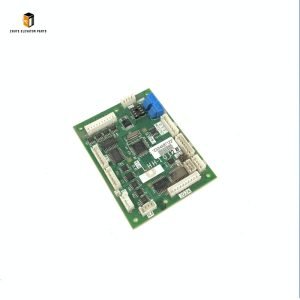
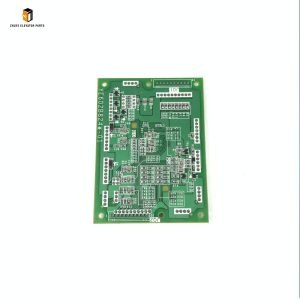
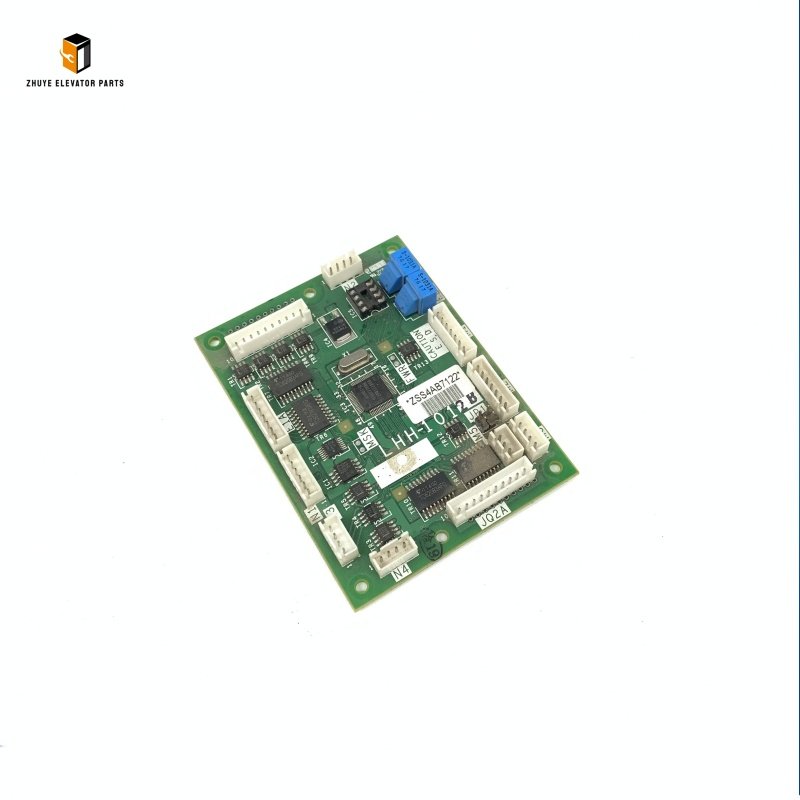
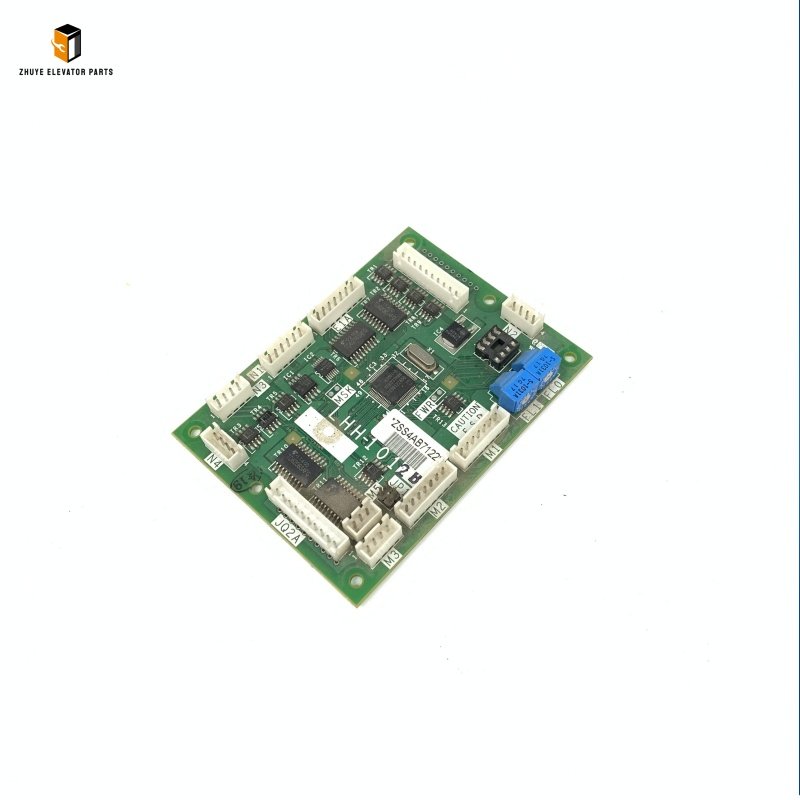
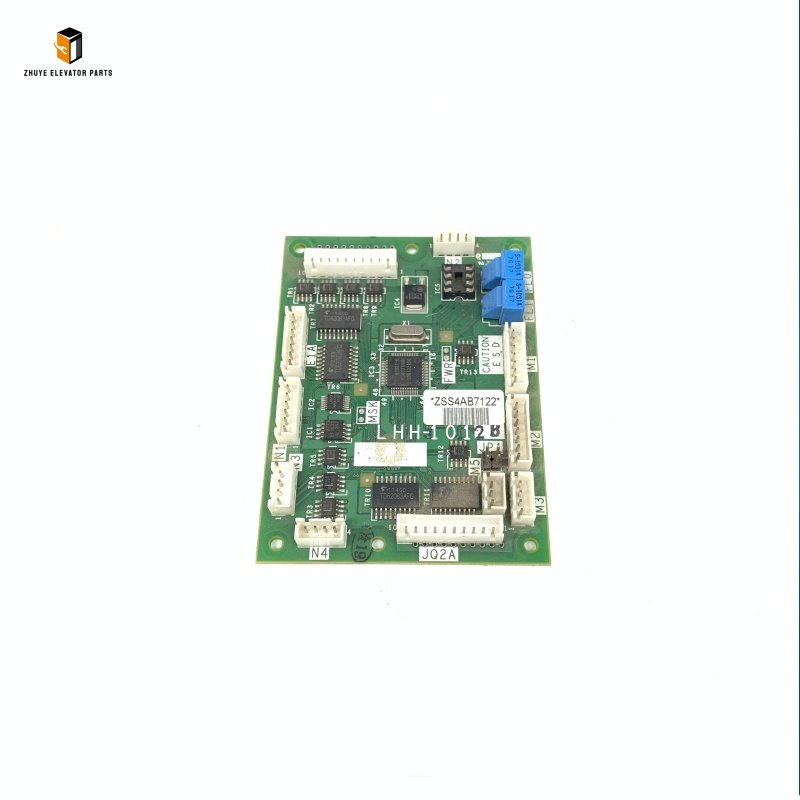
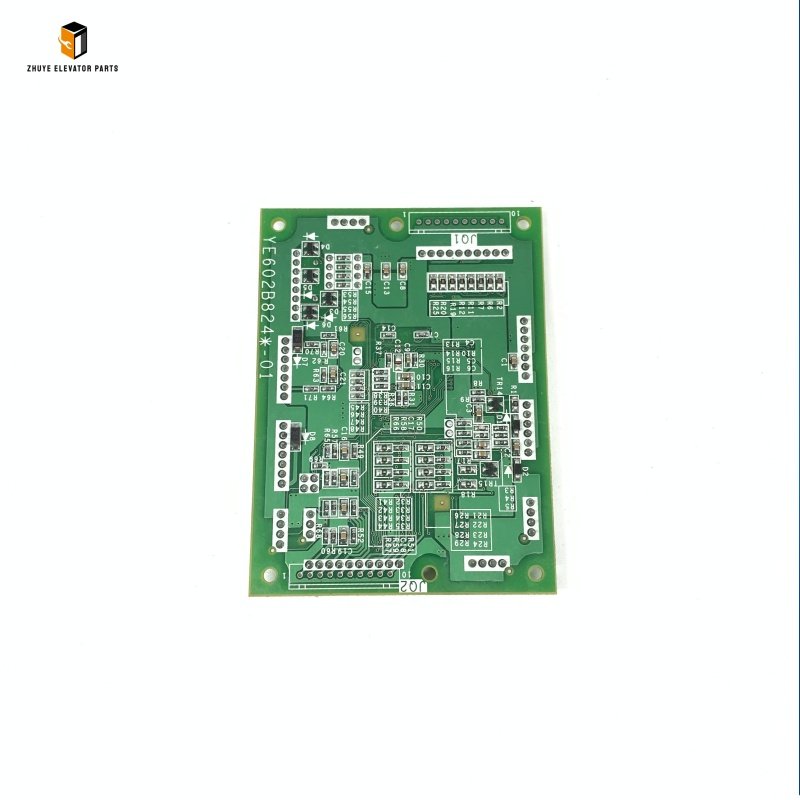
Mitsubishi Elevator Display Board LHH-1012B Brief Introduction
|
Product Name |
Mitsubishi Elevator Display Board |
| Model Number | LHH-1012B
LHH-1010B |
|
Quality
|
Original.Brand New
|
|
Payment
|
T/T. Paypal. Western Union
|
|
Delivery
|
3-5 Working Days
|
|
Packaging
|
Packed by carton
|
Mitsubishi Elevator Display Board LHH-1012B: Usage Guide, Replacement Cycle & Trusted Supply from Nanjing Zhuye
The Mitsubishi Elevator Display Board LHH-1012B is a precision-engineered user interface component exclusively designed for Mitsubishi elevator systems—widely installed in commercial high-rises, residential complexes, public transit hubs, and office buildings worldwide. As a core visual communication hub for Mitsubishi NexWay, ELENESSA, and MAXIEZ series elevators, this display board serves dual critical functions: it provides passengers with real-time status updates (floor position, direction of travel, load capacity, and fault alerts) and offers maintenance teams clear diagnostic information. Featuring high-brightness LED segments, wide viewing angles, and Mitsubishi’s proprietary communication logic, the LHH-1012B ensures exceptional visibility even in bright or low-light environments, upholding the brand’s strict standards for usability, reliability, and passenger experience.
Compliant with global safety and electronic standards (EN 81, IEC 61010, ISO 9001), the LHH-1012B boasts a durable, environment-resistant design: scratch-resistant polycarbonate lens, sealed circuit board for dust and moisture protection, long-life LED modules (50,000+ operating hours), and surge protection for voltage stability. This construction withstands high passenger traffic, temperature fluctuations (-5°C to +40°C), and accidental impacts—critical for elevator car interiors and landing areas. For maintenance teams, facility managers, and elevator service providers, mastering the correct installation, configuration, and replacement timelines of this display board is essential to ensuring passenger convenience, operational transparency, and compliance with safety regulations. Nanjing Zhuye Elevator Parts, a trusted supplier of authentic Mitsubishi components, delivers the LHH-1012B display board that meets Mitsubishi’s original manufacturing specifications—guaranteeing seamless compatibility, clear status visibility, and long-term durability.
Proper Usage Methods of Mitsubishi LHH-1012B Display Board
1. Pre-Installation Preparation
Before installation, prioritize safety by shutting off the elevator’s power supply to the display circuit and securing the work area (car interior or landing) with warning signs. Inspect the new LHH-1012B board for physical damage—such as cracked lenses, non-functional LED segments, loose connectors, or bent circuit traces—defects that can cause display malfunctions or communication failures. Nanjing Zhuye Elevator Parts conducts rigorous Mitsubishi-specific quality control checks, so each unit arrives in optimal condition: fully functional LED arrays, intact wiring harnesses, pre-loaded Mitsubishi-compatible firmware, and clear connector markings.
Verify compatibility with your Mitsubishi elevator model and display configuration by cross-referencing the technical manual or consulting Nanjing Zhuye’s technical support team. Ensure three key details align: (1) the board’s part number (LHH-1012B) matches the elevator’s display design, (2) the LED segment layout (floor digits, direction arrows, status icons) corresponds to the application (car interior or landing), and (3) the communication protocol supports integration with the elevator’s main controller. Using an incompatible display board can result in incorrect status feedback, dim visibility, or complete communication disconnection.
2. Installation & Configuration Steps
- Board Installation:
- Remove the existing display panel cover (using standard screwdrivers) and disconnect the old board by labeling and removing communication cables (to main controller) and power wires—take detailed photos of the wiring configuration to ensure accurate reinstallation. Clean the mounting area with a dry cloth to remove dust or debris that could interfere with connections.
- Align the new LHH-1012B board with the mounting brackets and secure it with the provided screws (torque to 0.5–0.8 Nm) to prevent vibration-induced damage during elevator movement. Reconnect the communication cables and power wires, ensuring each connector is fully seated and locked—loose connections are the primary cause of display flicker or complete failure.
- Configuration Setup:
- Restore power to the display circuit (performed by certified Mitsubishi technicians only) and access the configuration menu via Mitsubishi’s diagnostic software (e.g., MELDAS, GX Works) or the elevator’s main controller. Complete two critical steps:
- Location Calibration: Program the board to recognize its specific location (car interior or designated landing) and configure display language (if applicable) to match building requirements.
- Communication Sync: Initiate synchronization with the main controller, verifying that floor position, direction, and status updates (e.g., “Full,” “Maintenance Mode”) are displayed in real time.
- Restore power to the display circuit (performed by certified Mitsubishi technicians only) and access the configuration menu via Mitsubishi’s diagnostic software (e.g., MELDAS, GX Works) or the elevator’s main controller. Complete two critical steps:
- Functional Testing:
- Conduct comprehensive tests to validate performance:
- Display Test: Verify all LED segments (digits, arrows, icons) illuminate clearly (no dead pixels, uniform brightness) and update accurately as the elevator moves between floors.
- Status Feedback Test: Simulate elevator states (full load, fault condition, emergency mode) to ensure the board displays correct alerts as specified by Mitsubishi’s standards.
- Visibility Test: Check readability from various angles (0–180°) and lighting conditions (direct sunlight, low light) to confirm compliance with visibility requirements.
- Document installation details, configuration settings, and test results in maintenance records to demonstrate compliance with Mitsubishi’s service requirements.
- Conduct comprehensive tests to validate performance:
3. Routine Usage Maintenance
To preserve the LHH-1012B’s performance and extend its lifespan, implement these proactive maintenance practices:
- Weekly Visual Inspections: Check for display flicker, dim LEDs, missing segments, or physical damage (scratches, cracks). Wipe the lens with a soft, dry cloth to remove fingerprints and dust—avoid abrasive cleaners that can scratch the surface.
- Monthly Functional Checks: Verify the display updates accurately with elevator movements and status changes. Adjust brightness (if configurable) to ensure optimal visibility in changing lighting conditions.
- Quarterly Connection Inspections: Remove the display cover to inspect wiring and connectors for fraying, corrosion, or loose contacts. Retighten terminals as needed or replace damaged cables with genuine Mitsubishi parts from Nanjing Zhuye.
- Semi-Annual Firmware Updates: Update the board’s firmware (as recommended by Mitsubishi or Nanjing Zhuye) to enhance display functionality, fix software bugs, and improve compatibility with system upgrades.
- Annual Performance Testing: Verify display accuracy, LED brightness, and communication reliability against Mitsubishi’s factory specifications. Conduct a backup of configuration settings for future maintenance.
Recommended Replacement Cycle
The service life of the Mitsubishi LHH-1012B Display Board depends on usage intensity (daily operational hours, environmental exposure), and maintenance quality. Based on Mitsubishi’s engineering standards and Nanjing Zhuye’s technical expertise:
1. Standard Replacement Cycle
Under normal operating conditions (12–18 hours of daily use, regular maintenance, stable environment), the LHH-1012B should be replaced every 7–9 years. This timeframe accounts for gradual LED degradation (dimming), connector wear, and firmware obsolescence—ensuring consistent visibility and compliance with safety communication requirements.
2. Signs That Require Immediate Replacement
Replace the board immediately if you encounter any of the following issues:
- Display Failures: Dim/unreadable segments, dead pixels, persistent flicker, or failure to update elevator status—impairing passenger information and safety.
- Communication Errors: The board fails to sync with the main controller (no status updates, incorrect floor display) that cannot be resolved with troubleshooting.
- Physical Damage: Cracked lens, water intrusion, or damaged LED modules—compromising electrical safety and functionality.
- Safety Compromise: Inability to display critical alerts (e.g., “Fire Mode,” “Emergency Stop”)—violating Mitsubishi’s safety standards and passenger communication requirements.
- Performance Degradation: Frequent display freezes, delayed updates, or inconsistent brightness—attributed to aging components or internal circuit damage.
3. Maintenance to Extend Service Life
To maximize the LHH-1012B’s lifespan and minimize replacement costs:
- Environmental Protection: Ensure the display panel is sealed properly to prevent dust and moisture intrusion. Avoid direct sunlight exposure to reduce LED degradation.
- Power Stabilization: Install surge protectors in the display circuit to shield the board from voltage spikes (common in high-rise buildings).
- Gentle Handling: Train maintenance teams to handle the display board carefully during inspections, avoiding pressure on the LED lens or connectors.
- Genuine Parts Only: For replacements, rely exclusively on authentic Mitsubishi LHH-1012B display boards from Nanjing Zhuye. Counterfeit boards use inferior LEDs, weak connectors, or pirated firmware—compromising visibility and safety.
Why Choose Nanjing Zhuye Elevator Parts for Mitsubishi LHH-1012B?
When sourcing the Mitsubishi LHH-1012B display board, Nanjing Zhuye offers unmatched advantages for safety-focused professionals:
- Authenticity & Compatibility: All boards meet Mitsubishi’s original manufacturing specifications, ensuring seamless integration with NexWay, ELENESSA, and MAXIEZ series elevators.
- Strict Quality Assurance: Each unit undergoes rigorous testing—including LED brightness uniformity, communication protocol functionality, and durability—to guarantee reliable operation in high-traffic environments.
- Expert Technical Support: Certified engineers provide 24/7 assistance for installation, configuration, firmware updates, and troubleshooting (e.g., display malfunctions, sync errors).
- Global Efficient Delivery: Fast shipping to worldwide locations minimizes downtime for elevator display systems—critical for building accessibility and passenger experience.
- Competitive Pricing: Direct sourcing from Mitsubishi’s authorized channels eliminates middlemen, offering cost-effective solutions without compromising quality or safety.
Conclusion
The Mitsubishi Elevator Display Board LHH-1012B is a foundational user interface component that bridges passengers and elevator systems, ensuring safe, convenient, and transparent operation. By following proper installation, configuration, and maintenance practices—paired with Nanjing Zhuye Elevator Parts’ authentic components—you can ensure Mitsubishi elevators remain accessible, user-friendly, and compliant with safety regulations. Whether you need a single replacement board for a faulty display, technical support for configuration, or bulk orders for a building fleet, Nanjing Zhuye is committed to delivering premium Mitsubishi components and tailored professional services. Invest in the user experience and reliability of your Mitsubishi elevators—choose Nanjing Zhuye Elevator Parts for your LHH-1012B display board requirements.