


Description
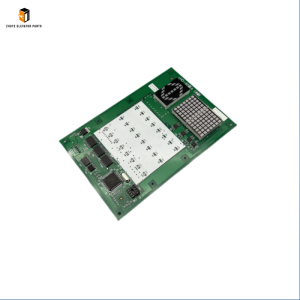
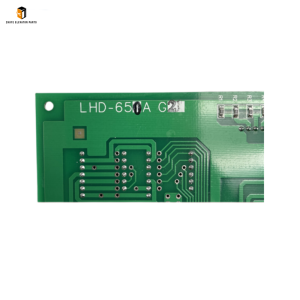
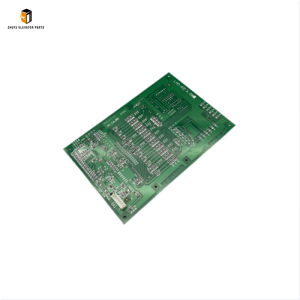
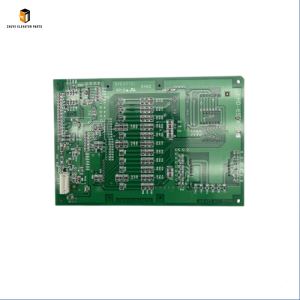
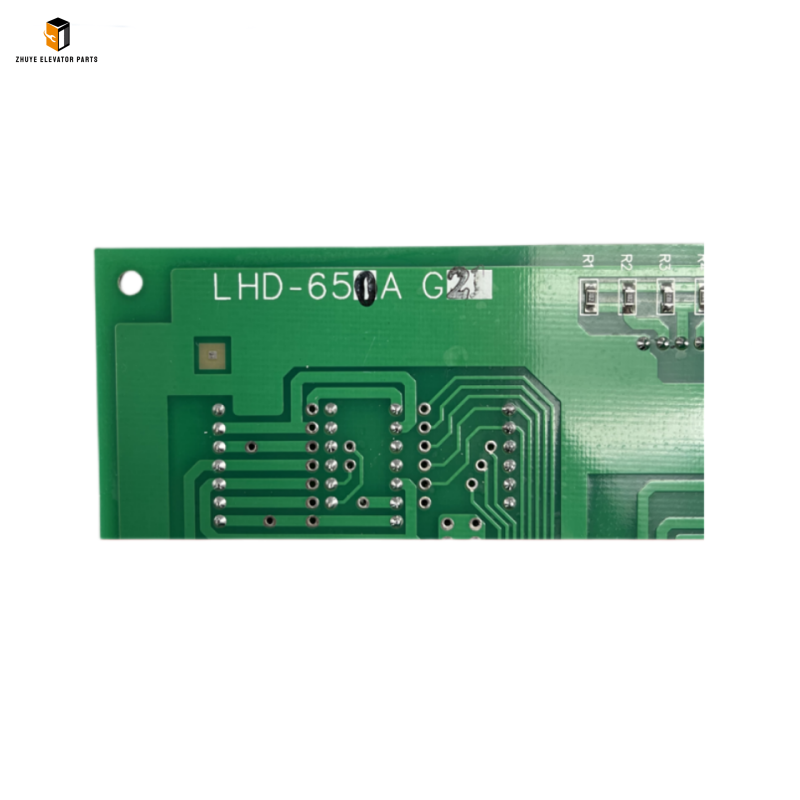
Mitsubishi elevator display board LHD-650AG21/23 Introduction
|
Product Name |
Mitsubishi elevator display board |
| Model Number | LHD-650AG21
LHD-650AG23 |
|
Quality
|
Original.Brand New
|
|
Payment
|
T/T. Paypal. Western Union
|
|
Delivery
|
3-5 Working Days
|
|
Packaging
|
Packed by carton
|
Mitsubishi Elevator Display Board LHD-650AG21/23: Usage Guide, Replacement Cycle & Trusted Supply from Nanjing Zhuye
The Mitsubishi Elevator Display Board LHD-650AG21/23 is a versatile user interface and status communication component exclusively engineered for Mitsubishi elevator systems—including NexWay, ELENESSA, and MAXIEZ series—essential for residential complexes, commercial buildings, transit hubs, and public facilities worldwide. As a dual-variant display solution (LHD-650AG21 for standard landing/car use, LHD-650AG23 for enhanced accessibility and multi-language support), it serves as a critical information hub, delivering clear real-time feedback: precise floor numbers, direction indicators, door status, overload alerts, maintenance prompts, and emergency notifications. It integrates Mitsubishi’s proprietary high-brightness LED technology, anti-glare optics, and ruggedized design—upholding the brand’s strict standards for visibility (viewing angle ≥170°, brightness ≥500 cd/m²), responsiveness (display update latency ≤30ms), and durability in high-traffic environments.
Compliant with global elevator safety and usability standards (EN 81-20/50, ISO 13407, UL 94, JIS A4300), the LHD-650AG21/23 features an industrial-grade robust construction: a scratch-resistant polycarbonate front panel (AG21) or tempered glass (AG23), flame-retardant ABS housing (UL94 V0 rating), energy-efficient LED modules (power consumption ≤4W), and dust/water-resistant connectors (IP54 protection). This rugged design withstands the harsh conditions of elevator interiors and landings—temperature fluctuations (-15°C to +55°C), humidity (up to 90% non-condensing), mechanical vibration, and frequent passenger interaction—critical for preventing display failures, unreadable information, or passenger confusion that could compromise safety. For maintenance teams, facility managers, and elevator service providers, mastering proper installation, configuration, and replacement timelines is vital to ensuring user experience, regulatory compliance, and elevator operational efficiency. Nanjing Zhuye Elevator Parts, a trusted supplier of authentic Mitsubishi components, delivers the LHD-650AG21/23 that meets Mitsubishi’s original manufacturing specifications—guaranteeing seamless compatibility, clear visibility, and long-term reliability.
Proper Usage Methods of Mitsubishi LHD-650AG21/23 Elevator Display Board
1. Pre-Installation Preparation
Before installation or replacement, prioritize safety by shutting off the elevator’s main power supply, engaging the emergency stop button, and securing the work area (car interior, landing panel, or car top) with warning signs and lockout-tagout (LOTO) devices. Position the elevator car at a convenient floor to access the display mounting location (COP panel for in-car use, landing panel for exterior use). Inspect the new LHD-650AG21/23 variant for physical damage—cracked panel, scratched display, loose connectors, bent pins, or damaged circuit board—defects that compromise functionality or user safety. Nanjing Zhuye’s strict quality control process ensures each unit arrives in optimal condition: intact LED modules, functional communication circuits, secure wiring harnesses, and pre-loaded Mitsubishi-compatible firmware.
Verify compatibility with your Mitsubishi elevator model by cross-referencing the technical manual or consulting Nanjing Zhuye’s technical support team. Ensure three key details align: (1) the variant (AG21: basic floor/direction display; AG23: adds multi-language support, braille labels, and enhanced contrast for accessibility) matches the application requirements (in-car or landing), (2) the mounting dimensions (170x110x35mm) fit the panel cutout, and (3) the communication protocol (Mitsubishi’s CANopen) is compatible with the main control board. Using an incompatible display board can result in mismatched floor numbers, unresponsive status updates, or communication errors. Additionally, prepare the installation area: Clean the panel cutout to remove dust and debris, disconnect the old board’s wiring harness (label cables by function/pin for easy reinstallation), and gather necessary tools (Phillips screwdriver, anti-static wristband, wire crimpers, multimeter).
2. Installation & Configuration Steps
- Panel Preparation: Remove the old display board by unscrewing the mounting brackets (2–4 screws) from the panel housing. Disconnect the wiring harness by pressing the locking tab—avoid pulling cables directly to prevent insulation damage. Inspect the internal wiring for fraying, corrosion, or loose connections—repair or replace with genuine Mitsubishi-compatible wires from Nanjing Zhuye if needed.
- Board Installation: Align the LHD-650AG21/23 with the panel cutout, ensuring the display faces outward and mounting holes align with the housing. Secure the board with corrosion-resistant screws (torque to 0.7–0.9 Nm) to prevent vibration-induced loosening—over-tightening can crack the polycarbonate/glass panel. Connect the wiring harness to the board’s connector until it clicks into place, verifying correct pin alignment (refer to Mitsubishi’s wiring schematic to avoid reverse polarity).
- Configuration & Testing: Restore power to the elevator (performed exclusively by certified Mitsubishi technicians) and conduct functional tests:
- Display Calibration: Verify floor numbers, direction arrows, and status LEDs (door open/close, overload, emergency) illuminate clearly—adjust brightness via the main control board (range: 350–600 cd/m²) for optimal visibility in bright or low-light conditions. For AG23 variants, confirm multi-language settings and braille label alignment.
- Communication Validation: Run the elevator through multiple floors to ensure the display accurately tracks car position, direction, and door status—no mismatched information or “Display Communication Error” alerts.
- Function Test: Trigger status updates (e.g., overload simulation, emergency alert) to confirm the display responds immediately and clearly—critical for passenger safety and awareness.
Document installation details, calibration settings, and test results in maintenance records to demonstrate compliance.
3. Routine Usage Maintenance
To preserve the LHD-650AG21/23’s performance and extend its lifespan, implement proactive maintenance practices tailored to display interface components:
- Daily Visual Inspections: Check the display for dimness, dead LEDs, flickering, or unreadable text. Verify the panel surface is free of cracks, scratches, or debris that could obscure visibility.
- Weekly Cleaning: Wipe the front panel with a soft, lint-free cloth and mild detergent (avoid abrasive cleaners, solvents, or ammonia-based products) to remove fingerprints, dust, and smudges—maintain optimal visibility.
- Monthly Wiring Check: Inspect the wiring harness connection for looseness, corrosion, or overheating (discolored wires)—re-seat the connector or clean contacts with a contact cleaner if needed.
- Quarterly Function Test: Use the elevator’s diagnostic system to check for “Display Interface Fault” codes and verify all display functions (floor tracking, status alerts) operate correctly.
- Semi-Annual Firmware Update: Install recommended firmware updates via Mitsubishi’s official portal—updates enhance display stability, resolve compatibility issues, and add safety-related features (especially critical for AG23 variants with accessibility functions).
Recommended Replacement Cycle
The service life of the Mitsubishi LHD-650AG21/23 Elevator Display Board depends on usage intensity (daily passenger interaction, operational cycles), environmental conditions, and maintenance quality. Based on Mitsubishi’s engineering standards and Nanjing Zhuye’s technical expertise:
1. Standard Replacement Cycle
Under normal operating conditions (regular cleaning, moderate to high traffic, ambient temperature -15°C to +55°C), the LHD-650AG21/23 should be replaced every 6–8 years. This timeframe aligns with the typical lifespan of LED modules (60,000–80,000 operating hours) and display panel materials, ensuring proactive replacement before visibility degrades or functionality is compromised.
2. Signs That Require Immediate Replacement
Replace the display board immediately if:
- Display Failures: Dim, flickering, or non-functional LEDs that make floor numbers, directions, or alerts unreadable—compromises passenger safety by creating confusion about car position or emergencies.
- Communication Errors: The main control board displays recurring “Display Communication Loss” codes—cannot be resolved by re-seating the wiring harness or firmware updates.
- Physical Damage: Cracked panel, broken housing, or water intrusion into the circuit board—risks electrical shorts, further component damage, or passenger injury.
- Functionality Loss: Status alerts (overload, emergency, maintenance) fail to display—violates EN 81-20/50 safety communication requirements and endangers passengers.
- Accessibility Compromises: For AG23 variants, braille labels wear off or multi-language functionality fails—violates accessibility standards (e.g., ADA) and excludes users with disabilities.
3. Maintenance to Extend Service Life
- User Care Promotion: Post gentle usage guidelines (e.g., “Avoid pressing the display panel” or “Do not use sharp objects near the screen”) to reduce physical damage from passengers.
- Environmental Control: Maintain the elevator interior/landing area temperature between 15°C–35°C and humidity <70%—extreme conditions accelerate LED degradation and panel yellowing.
- Connector Protection: Apply dielectric grease to the wiring harness connector annually to prevent corrosion and ensure stable signal transmission.
- Genuine Parts Only: Use exclusively authentic Mitsubishi LHD-650AG21/23 boards from Nanjing Zhuye. Counterfeit units use low-quality LEDs, fragile panels, and lack compatibility with Mitsubishi control systems—risking passenger inconvenience, safety hazards, or costly system malfunctions.
Why Choose Nanjing Zhuye Elevator Parts for Mitsubishi LHD-650AG21/23?
When sourcing a critical user interface component like the Mitsubishi LHD-650AG21/23, Nanjing Zhuye offers unmatched advantages for safety and user experience-focused professionals:
- Authenticity & Compatibility: All units are genuine Mitsubishi components, ensuring seamless integration with NexWay/ELENESSA/MAXIEZ systems—eliminating display mismatches, communication errors, or accessibility feature failures.
- Strict Quality Assurance: Each board undergoes rigorous testing (display visibility, communication stability, panel durability, environmental resistance) to meet Mitsubishi’s original manufacturing and safety standards.
- Expert Technical Support: Certified engineers provide 24/7 assistance for installation, configuration, firmware updates, and troubleshooting—even for legacy Mitsubishi models or AG23 variants requiring accessibility setup.
- Global Efficient Delivery: Fast shipping minimizes downtime, critical for facilities where display failures disrupt passenger flow, accessibility, or elevator safety.
- Competitive Pricing: Direct sourcing from Mitsubishi’s authorized channels eliminates middlemen, offering cost-effective solutions without compromising display quality, user experience, or safety.
Conclusion
The Mitsubishi Elevator Display Board LHD-650AG21/23 is a foundational user interface component that bridges communication between passengers and the elevator system—safeguarding usability, accessibility, and regulatory compliance. By following proper installation, testing, and maintenance practices—paired with Nanjing Zhuye’s authentic components—you can extend the board’s lifespan, enhance passenger satisfaction, and reduce operational downtime. Whether you need a single replacement board (AG21 or AG23), bulk orders for a building fleet, or technical support for custom display configurations, Nanjing Zhuye delivers premium Mitsubishi parts and tailored professional services. Invest in elevator user experience and safety—choose Nanjing Zhuye for your LHD-650AG21/23 elevator display board needs.