

Description
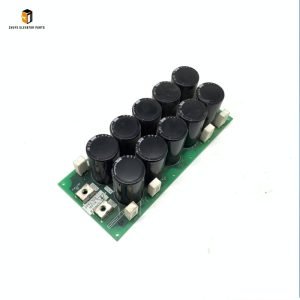
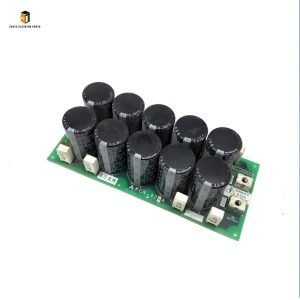
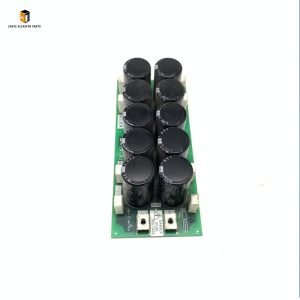
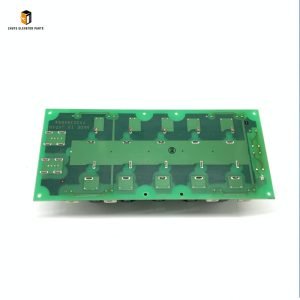
Mitsubishi elevator capacitance board KCN-920A Introduction
|
Product Name |
MiMitsubishi elevator capacitance board |
| Model Number | KCN-920A
KCN-921A |
|
Quality
|
Original.Brand New
|
|
Payment
|
T/T. Paypal. Western Union
|
|
Delivery
|
3-5 Working Days
|
|
Packaging
|
Packed by carton
|
Mitsubishi Elevator Capacitance Board KCN-920A: Usage Guide, Replacement Cycle & Trusted Supply from Nanjing Zhuye
The Mitsubishi Elevator Capacitance Board KCN-920A is a mission-critical power stabilization component exclusively engineered for Mitsubishi elevator systems—including NexWay, ELENESSA, and MAXIEZ series—essential for residential complexes, commercial buildings, transit hubs, and public facilities worldwide. As the “power stabilizer” of the elevator’s electrical system, this board integrates high-performance electrolytic capacitors and precision voltage regulation circuits to filter AC power ripple, stabilize DC bus voltage, and enhance the efficiency of traction motors and control systems. It plays a pivotal role in preventing voltage fluctuations, reducing electrical noise, and protecting sensitive components (e.g., drive boards, main control units) from damage—upholding Mitsubishi’s strict standards for reliability, power stability, and operational safety.
Compliant with global elevator safety and electrical standards (EN 81-20/50, IEC 61000-4, UL 1012, ISO 9001), the KCN-920A features a rugged, high-voltage-resistant design: flame-retardant epoxy resin encapsulation (prevents capacitor leakage), heat-resistant PCB (tolerates high operating temperatures), gold-plated contact terminals (minimizes contact resistance), and built-in overvoltage/overcurrent protection. This construction withstands 24/7 operation in machine rooms or control cabinets, enduring temperature fluctuations (-10°C to +60°C), electrical surges, and mechanical vibration—critical for preventing elevator shutdowns, motor jitter, or control system failures caused by unstable power. For maintenance teams, facility managers, and elevator service providers, mastering proper installation, inspection, and replacement timelines is vital to ensuring regulatory compliance, minimal downtime, and extended service life of Mitsubishi elevators. Nanjing Zhuye Elevator Parts, a trusted supplier of authentic Mitsubishi components, delivers the KCN-920A that meets Mitsubishi’s original manufacturing specifications—guaranteeing seamless compatibility, stable power regulation, and long-term performance.
Proper Usage Methods of Mitsubishi KCN-920A Capacitance Board
1. Pre-Installation Preparation
Before installation or replacement, prioritize safety by shutting off the elevator’s main power supply, discharging the system’s DC bus capacitors (wait a minimum of 30 minutes after power-off to avoid electric shock), and securing the work area (machine room control cabinet) with warning signs and lockout-tagout (LOTO) devices. Inspect the new KCN-920A for physical damage—cracked encapsulation, bulging capacitors, corroded terminals, or loose solder joints—defects that can cause short circuits, voltage leakage, or board failure. Nanjing Zhuye’s strict quality control process ensures each unit arrives in optimal condition: intact capacitors, functional voltage regulation circuits, secure wiring connections, and pre-tested performance.
Verify compatibility with your Mitsubishi elevator model by cross-referencing the technical manual or consulting Nanjing Zhuye’s technical support team. Ensure three key details align: (1) the board’s capacitance rating (typically 470µF–2200µF, 450V DC) matches the elevator’s power system requirements, (2) the mounting dimensions (typically 180x120x50mm) fit the control cabinet’s slot, and (3) the terminal configuration is compatible with the elevator’s drive board (e.g., DOR-160B) and main control unit. Using an incompatible capacitance board can disrupt power stability, damage sensitive components, or trigger persistent fault codes. Additionally, prepare the installation area: Clean the control cabinet to remove dust and debris, ensure a minimum 10cm clearance around the board for heat dissipation, and verify the power input/output cables are intact (no fraying, insulation damage, or corrosion).
2. Installation & Configuration Steps
- Board Installation: Align the KCN-920A with the mounting brackets in the control cabinet, ensuring the terminal side faces outward for easy wiring. Secure the board with stainless steel screws (torque to 1.0–1.3 Nm) to prevent vibration-induced movement—loose mounting can damage capacitors or terminals. Connect the cabinet’s grounding cable to the board’s earth terminal (green/yellow) to ensure electrical safety and reduce interference.
- Wiring & Connection: Connect the AC input cables (or DC bus cables) to the board’s power terminals, following Mitsubishi’s wiring schematic exactly. Ensure correct polarity (positive +/negative –) to avoid capacitor reverse voltage damage—mark cables during old board removal for reference. Tighten terminal screws to 1.5–2.0 Nm to prevent arcing or voltage drop. Connect the signal feedback cable to the main control board to enable real-time voltage monitoring.
- Post-Installation Testing: Restore power to the elevator (performed exclusively by certified Mitsubishi technicians) and conduct three mandatory tests using diagnostic software (e.g., MELDAS):
- Voltage Stability Test: Measure the DC bus voltage with the elevator idle and under load—confirm it remains within ±5% of the rated value (typically 380V–400V DC) without fluctuations.
- Ripple Filter Test: Check AC power ripple on the DC bus—ensure it is below 5V peak-to-peak (the board’s filtering threshold).
- Load Cycle Test: Operate the elevator through 10–15 full load cycles to verify consistent voltage regulation, no abnormal noise, and no fault codes related to power instability.
Document all installation details, test results, and board serial number in maintenance records to track lifespan and compliance.
3. Routine Usage Maintenance
To preserve the KCN-920A’s performance and extend its lifespan, implement proactive maintenance practices tailored to power stabilization components:
- Daily Visual Inspections: Check the board for loose wiring, physical damage, or signs of capacitor failure (bulging, leakage, or discoloration). Verify the status LED (green = normal, red = fault) shows no active errors.
- Weekly Voltage Check: Use a multimeter to measure the DC bus voltage at the board’s terminals—confirm stability and consistency.
- Monthly Cleaning: Remove dust from the board’s surface and control cabinet using low-pressure compressed air—dust buildup traps heat and accelerates capacitor aging. Avoid liquid cleaners or abrasive tools.
- Quarterly Connection Inspection: Tighten power and signal cable terminals (vibration can loosen connections over time). Inspect cables for fraying or insulation damage; replace with genuine Mitsubishi-compatible cables from Nanjing Zhuye if needed.
- Semi-Annual Capacitance Test: Use a capacitance meter to verify the board’s capacitor values—replace the board if capacitance drops below 80% of the rated value (indicates degradation).
Recommended Replacement Cycle
The service life of the Mitsubishi KCN-920A Capacitance Board depends on usage intensity (daily elevator cycles, power load), environmental conditions, and maintenance quality. Based on Mitsubishi’s engineering standards and Nanjing Zhuye’s technical expertise:
1. Standard Replacement Cycle
Under normal operating conditions (12–18 hours daily use, regular maintenance, ambient temperature -10°C to +60°C), the KCN-920A should be replaced every 5–7 years. This timeframe aligns with the typical lifespan of high-voltage electrolytic capacitors (5000–8000 operating hours), ensuring proactive replacement before capacitor degradation leads to power instability.
2. Signs That Require Immediate Replacement
Replace the capacitance board immediately if:
- Power Instability: DC bus voltage fluctuates excessively (>±10% of rated value), causing elevator jitter, slow acceleration, or control system faults.
- Capacitor Failure: Capacitors show bulging, leakage, or burn marks—risks short circuits or board fire.
- Persistent Fault Codes: The main control board displays power-related errors (e.g., “DC Bus Undervoltage,” “Power Ripple Overlimit”) that cannot be resolved by wiring checks or cleaning.
- Component Damage: The board’s PCB is cracked, or terminals are corroded—signaling irreparable damage.
- Safety Compromise: Voltage surges pass through the board, damaging sensitive components (e.g., drive boards, main control units)—violates EN 81/ASME safety standards for electrical system protection.
3. Maintenance to Extend Service Life
- Environmental Control: Keep the control cabinet clean, dry, and well-ventilated. Maintain temperature between 15°C–45°C and humidity <75%—extreme heat or moisture accelerates capacitor aging.
- Power Stabilization: Install external surge protectors and voltage regulators in the main power circuit to reduce stress on the board’s capacitors.
- Avoid Overload: Ensure the elevator operates within rated load limits—excessive load increases power system strain and capacitor wear.
- Genuine Parts Only: Use exclusively authentic Mitsubishi KCN-920A capacitance boards from Nanjing Zhuye. Counterfeit units use low-quality capacitors, lack voltage regulation precision, and risk catastrophic electrical failures.
Why Choose Nanjing Zhuye Elevator Parts for Mitsubishi KCN-920A?
When sourcing a critical power stabilization component like the Mitsubishi KCN-920A, Nanjing Zhuye offers unmatched advantages for safety-focused professionals:
- Authenticity & Compatibility: All units are genuine Mitsubishi components, ensuring seamless integration with NexWay/ELENESSA/MAXIEZ power systems—eliminating compatibility risks.
- Strict Quality Assurance: Each board undergoes rigorous testing (capacitance stability, voltage regulation precision, temperature resistance) to meet Mitsubishi’s original manufacturing standards.
- Expert Technical Support: Certified engineers provide 24/7 assistance for installation, testing, troubleshooting, and compatibility verification—even for legacy Mitsubishi models.
- Global Efficient Delivery: Fast shipping minimizes elevator downtime, critical for residential and commercial facilities where power instability disrupts operation and passenger safety.
- Competitive Pricing: Direct sourcing from Mitsubishi’s authorized channels eliminates middlemen, offering cost-effective solutions without compromising quality or safety.
Conclusion
The Mitsubishi Elevator Capacitance Board KCN-920A is a foundational component that ensures stable, reliable power for Mitsubishi elevators—protecting sensitive electrical systems and optimizing performance. By following proper installation, maintenance, and replacement practices—paired with Nanjing Zhuye Elevator Parts’ authentic components—you can keep Mitsubishi elevators downtime-free, compliant with global safety standards, and optimized for long-term service. Whether you need a single replacement board, bulk orders for a building fleet, or technical support for maintenance teams, Nanjing Zhuye delivers premium Mitsubishi components and tailored professional services. Invest in the power stability and safety of your Mitsubishi elevators—choose Nanjing Zhuye Elevator Parts for your KCN-920A capacitance board requirements.