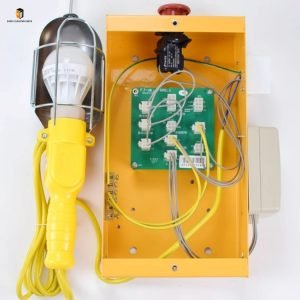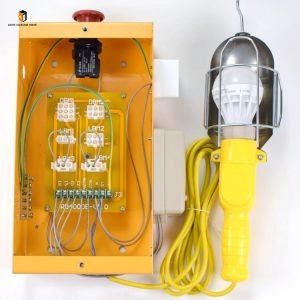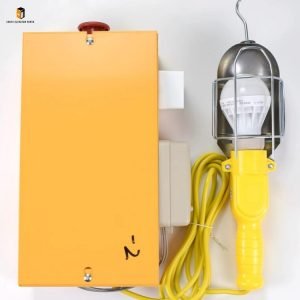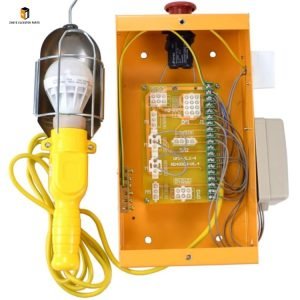

Description
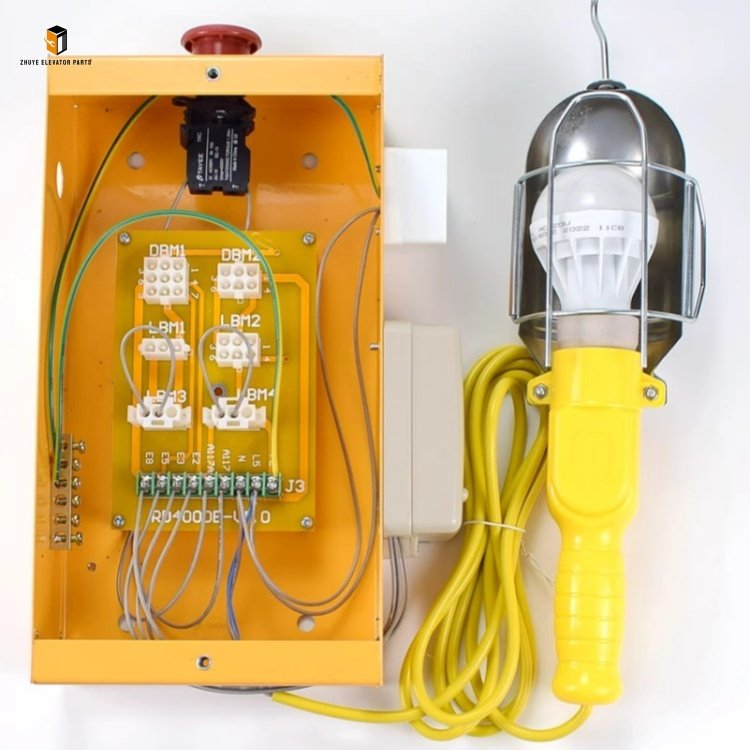
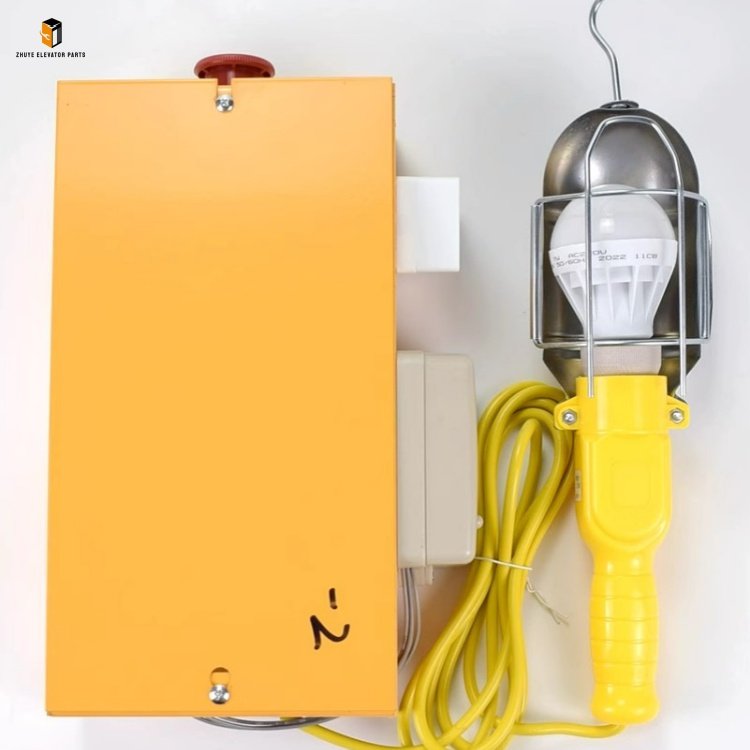
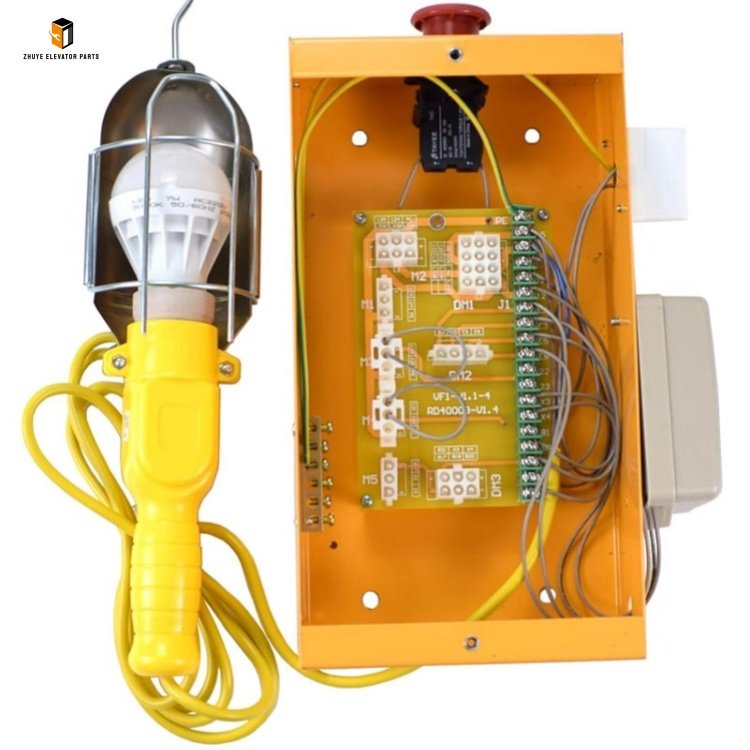
Fuji elevator pit inspection box RD4000B-V1.4/V1.0 Brief Introduction
|
Product Name |
Fuji elevator pit inspection box |
| Model Number | RD4000B-V1.4
RD4000B-V1.0 HL-FJ-DKJX-RA1.1 |
|
Quality
|
Original.Brand New
|
|
Payment
|
T/T. Paypal. Western Union
|
|
Delivery
|
3-5 Working Days
|
|
Packaging
|
Packed by carton
|
Fuji Elevator Pit Inspection Box RD4000B-V1.4/V1.0: The Reliable Control Hub for Elevator Pit Maintenance
In the comprehensive safety and maintenance system of Fuji elevators, the pit inspection box serves as a vital on-site control terminal, enabling maintenance personnel to carry out debugging, troubleshooting, and emergency operations safely and efficiently. The Fuji Elevator Pit Inspection Box RD4000B-V1.4/V1.0, a high-quality component supplied by Nanjing Zhuye Elevatorparts—a trusted manufacturer and supplier of premium elevator spare parts—is engineered to meet strict Fuji OEM standards, ensuring seamless compatibility, stable signal transmission, and durable performance for both commercial and residential elevator installations.
Tailored specifically for Fuji elevator configurations, the RD4000B series inspection boxes (including V1.4 and V1.0 versions) integrate essential control functions and safety interlocks. The V1.0 model is designed for basic pit maintenance operations, such as emergency stop, slow car movement, and status monitoring, while the upgraded V1.4 version adds enhanced fault diagnosis and signal feedback functions to streamline maintenance workflows. Nanjing Zhuye Elevatorparts subjects each inspection box to rigorous waterproof, dustproof, and anti-interference tests, ensuring it can operate reliably in the harsh, humid environment of elevator pits, where it is exposed to dust, moisture, and mechanical vibration for long periods.
Using the Fuji Elevator Pit Inspection Box RD4000B-V1.4/V1.0 from Nanjing Zhuye Elevatorparts requires strict compliance with professional safety and operational protocols to protect maintenance personnel and elevator equipment. First and foremost, cut off the elevator’s main power supply and confirm the activation of the top-level emergency stop before starting installation. Next, locate the designated mounting position on the inner wall of the elevator pit, ensuring it is at a height that is easy to access and away from moving parts such as the counterweight and elevator car. Clean the mounting surface to remove dust, sludge, or rust that may affect installation stability. Then, fix the inspection box bracket to the wall using expansion bolts, align the RD4000B main unit with the bracket mounting holes, and secure it firmly with the stainless-steel fasteners provided by Nanjing Zhuye Elevatorparts. Connect the internal wiring harnesses according to the official Fuji wiring diagram, matching the terminal numbers strictly to avoid short circuits or function failures—pay special attention to the emergency stop circuit and slow car control lines, as these are critical for maintenance safety. Finally, restore the main power supply, test all functions of the inspection box, including emergency stop triggering, up/down slow car operation, and status indicator lighting, to ensure everything works properly.
While the RD4000B-V1.4/V1.0 inspection box is built with durable engineering plastics and corrosion-resistant metal components, timely replacement is essential to prevent maintenance safety risks and operational failures. Nanjing Zhuye Elevatorparts recommends a standard replacement cycle of 36–48 months under normal operating conditions. This timeline is determined by the gradual aging of internal electrical components, such as buttons, contact switches, and indicator lights, as well as the wear of the box’s waterproof seals due to long-term exposure to humid pit environments. For elevators in high-traffic locations such as shopping malls, airports, and metro stations—where the inspection box is frequently used for daily maintenance and troubleshooting—the replacement cycle should be shortened to 30–36 months, as frequent operation accelerates component fatigue. For low-frequency usage scenarios like private villas or small office buildings, the cycle can be moderately extended but should never exceed 60 months, as degraded waterproof seals may lead to internal circuit short circuits and equipment damage.
In addition to following the recommended replacement cycle, maintenance teams must conduct routine inspections during regular elevator servicing. Key inspection points include checking the box’s waterproof seals for cracks or deformation, testing the responsiveness of buttons and emergency stop switches, and verifying the clarity of indicator lights. If any abnormalities are detected—such as unresponsive buttons, dim indicators, or water seepage inside the box—the RD4000B inspection box must be replaced immediately, regardless of its current service life.
Nanjing Zhuye Elevatorparts has long been dedicated to providing the elevator industry with reliable, high-compatibility components and professional technical support. The Fuji Elevator Pit Inspection Box RD4000B-V1.4/V1.0 exemplifies this commitment, offering Fuji elevator operators a safe and efficient solution to streamline pit maintenance work. By choosing this product and adhering to proper installation and maintenance guidelines, building managers can minimize elevator downtime, reduce long-term maintenance costs, and ensure a consistently safe riding experience for passengers.
In conclusion, the RD4000B-V1.4/V1.0 pit inspection box is an indispensable control hub for Fuji elevator maintenance. With Nanjing Zhuye Elevatorparts’ strict quality control and comprehensive support, maintenance teams can safeguard the operational safety and efficiency of Fuji elevators, ultimately benefiting both building management and end users.