

Description
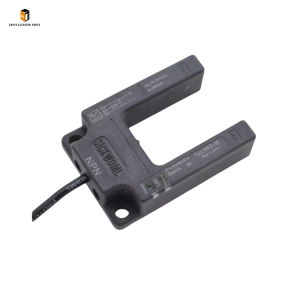
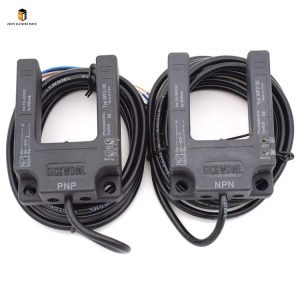
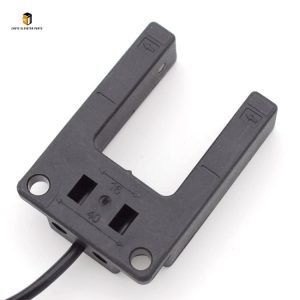
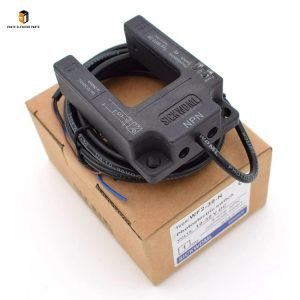
Fuji Elevator level sensor WF2-30-PNP/NPN Brief Introduction
|
Product Name |
Fuji Elevator level sensor |
| Model Number | WF2-30-PNP
WF2-30-NPN |
|
Quality
|
Original.Brand New
|
|
Payment
|
T/T. Paypal. Western Union
|
|
Delivery
|
3-5 Working Days
|
|
Packaging
|
Packed by carton
|
Fuji Elevator Level Sensor WF2-30-PNP & WF2-30-NPN: Precision Positioning for Safe Elevator Operation
In the Fuji elevator system, the level sensor is a core precision component that ensures the elevator car stops accurately at the floor level, directly relating to passenger safety, ride comfort, and the operational reliability of the elevator. The Fuji Elevator Level Sensor WF2-30-PNP and WF2-30-NPN, exclusively supplied by Nanjing Zhuye Elevatorparts—a professional and trusted distributor of high-quality elevator safety components—are engineered in strict accordance with Fuji’s original technical standards and international elevator safety norms (EN 81-20, GB 7588). Featuring dual signal output modes (PNP and NPN), high positioning accuracy, and strong environmental adaptability, these two models are perfectly compatible with various Fuji elevator series, providing reliable leveling positioning support for residential buildings, commercial complexes, office buildings, and public facilities worldwide.
Nanjing Zhuye Elevatorparts has established long-term strategic cooperation with Fuji, adhering to the core principle of “safety first, quality paramount”. Each unit of WF2-30-PNP and WF2-30-NPN undergoes rigorous pre-delivery inspections, including positioning accuracy verification, signal stability testing, and environmental durability assessment. Both models adopt high-quality optical sensing modules and IP65-rated sealed metal shells: the advanced sensing module ensures fast and accurate signal response, with a leveling positioning error of ≤1mm; the sealed shell effectively isolates dust, moisture, vibration, and electromagnetic interference, adapting to the harsh operating environment of elevator shafts and machine rooms. The differentiated PNP/NPN signal output design allows flexible matching with different Fuji elevator control system configurations, enhancing installation compatibility and operational stability.
Proper Usage Methods of Fuji Elevator Level Sensor WF2-30-PNP & WF2-30-NPN
Correct installation, signal matching, calibration, and maintenance are crucial to maximizing the performance and service life of WF2-30-PNP and WF2-30-NPN level sensors. Follow these key guidelines for optimal operation with Fuji elevators:
1. Installation & Calibration with Signal Matching
Prior to installation, confirm the compatibility of WF2-30-PNP/WF2-30-NPN with the specific Fuji elevator model and control system signal requirements by referring to Nanjing Zhuye Elevatorparts’ detailed compatibility manual. Professional technicians are required for the installation process, which includes the following steps:
-
First, cut off the elevator power supply and ensure safety. Thoroughly clean the installation position (on the elevator car frame or guide rail bracket) to remove dust, oil stains, and debris, ensuring a stable and flat mounting base for the sensor.
-
Fix the sensor firmly using matching bolts and nuts. The installation height must be calibrated according to the Fuji elevator’s floor level: the sensor’s induction surface should be aligned with the magnetic strip installed on the guide rail, with a horizontal gap of 2–4mm (standard range). The tightening torque of the bolts should comply with Fuji’s technical requirements (typically 8–12 N·m) to avoid loosening due to elevator vibration during operation.
-
Confirm signal type and connect wiring: According to the wiring diagram provided by Nanjing Zhuye Elevatorparts and Fuji, select the corresponding sensor model (WF2-30-PNP for PNP signal requirements, WF2-30-NPN for NPN signal requirements) and connect the sensor’s signal wires and power wires to the corresponding terminals of the Fuji elevator control system. Use shielded wires for signal transmission to reduce electromagnetic interference. Ensure wiring is tight and the insulation layer is intact; pay special attention to the positive and negative poles of the power supply to avoid short circuits or signal failure.
-
Post-installation calibration and test run: Restore the elevator power supply, operate the elevator in inspection mode, and calibrate the sensor’s positioning accuracy at each floor. Verify that the sensor sends an accurate stop signal to the elevator control system when the car reaches the floor level, and the elevator stops smoothly without overshoot or undershoot (leveling error ≤2mm). If the leveling error exceeds the standard range, adjust the sensor’s installation position in time.
2. Daily Operation & Routine Inspection
Regular daily inspections are essential to detect potential faults early and ensure the sensor’s reliable performance. Maintenance personnel should perform the following checks:
-
During elevator operation, monitor the elevator’s leveling accuracy at each floor. If the elevator stops with obvious deviation (exceeding 3mm), frequent overshoot/undershoot, or door opening delay occurs, it may indicate a sensor failure or signal abnormality.
-
Conduct weekly visual inspections: After cutting off the power supply, check the appearance of WF2-30-PNP and WF2-30-NPN for damage, including cracks or deformation of the metal shell, looseness of bolts and wiring terminals, and damage or aging of wires. Retighten loose fasteners in a timely manner, clean the sensor’s induction surface and the matching magnetic strip with a dry, lint-free cloth, and replace damaged wiring if necessary.
-
Regularly check the sensor’s signal stability through the Fuji elevator control system’s diagnostic function. Use a multimeter to detect the signal output (if necessary) to ensure it is normal when the elevator is leveling. If the signal is unstable, missing, or delayed, check for loose wiring, poor contact, or signal type mismatch, and resolve the issue immediately.
3. Regular Maintenance
In addition to daily inspections, systematic regular maintenance is required to extend the sensor’s service life:
-
Every 3 months, thoroughly inspect the sensor’s installation position and gap with the magnetic strip. Adjust immediately if there is deviation due to elevator vibration or structural deformation.
-
Every 6 months, conduct a comprehensive cleaning of the sensor and the magnetic strip. For sensors installed in harsh environments (high humidity, high dust, strong electromagnetic interference), increase the cleaning frequency. Avoid using water, alcohol, or corrosive cleaners that may damage the sensor’s shell and internal components.
-
Annually, conduct a professional performance test: Use precision instruments to detect the sensor’s positioning accuracy, signal response time, and anti-interference ability. If the performance indicators do not meet Fuji’s technical requirements, contact Nanjing Zhuye Elevatorparts for professional maintenance or replacement with original Fuji sensors to ensure consistent safety performance of the elevator system.
Recommended Replacement Cycle of Fuji Elevator Level Sensor WF2-30-PNP & WF2-30-NPN
As a critical safety and precision component, WF2-30-PNP and WF2-30-NPN level sensors have a specified service life. Timely replacement is crucial to avoid elevator leveling errors and potential safety risks.
1. Standard Replacement Cycle
Under normal operating conditions (10,000–15,000 elevator operations per month, normal environmental conditions), the recommended replacement cycle for both WF2-30-PNP and WF2-30-NPN is 4–6 years. This cycle is determined based on the product’s durability test data, sensing component lifespan, and long-term field operation feedback from Nanjing Zhuye Elevatorparts and Fuji.
2. Scenario-Based Cycle Adjustment
-
Harsh Operating Environments: For elevators operating in high-humidity coastal regions, high-dust construction sites, high-temperature unventilated machine rooms, or areas with strong electromagnetic interference, the replacement cycle should be shortened to 3–4 years. Harsh conditions accelerate the aging of internal electronic components, corrosion of the shell, and degradation of sensing performance, reducing the sensor’s reliability.
-
Low-Frequency Use Scenarios: For elevators with low usage frequency (e.g., villa elevators, small office buildings with less than 3,000 monthly operations) and stable operating environments, the replacement cycle can be appropriately extended to 6–8 years after a professional inspection by Nanjing Zhuye Elevatorparts confirms that the sensor’s positioning accuracy, signal stability, and structural integrity are intact.
3. Immediate Replacement Conditions
Regardless of the service life, WF2-30-PNP and WF2-30-NPN must be replaced immediately if any of the following problems are detected during inspection:
-
The sensor’s metal shell is severely cracked, deformed, or corroded, losing its protective function and affecting normal operation.
-
The elevator has frequent leveling errors (exceeding 5mm) that cannot be eliminated by calibration, and the fault is confirmed to be caused by sensor failure.
-
The sensor’s signal output is unstable, missing, or delayed, leading to elevator door opening failure, delayed door opening, or incorrect stop position that cannot be resolved by maintenance.
-
The sensor fails the annual performance test, and the performance indicators cannot be restored to the standard range even after maintenance.
In conclusion, the Fuji Elevator Level Sensor WF2-30-PNP and WF2-30-NPN supplied by Nanjing Zhuye Elevatorparts are high-quality, perfectly compatible precision components for Fuji elevator systems. By following the correct usage methods, conducting regular maintenance, and adhering to the recommended replacement cycle, elevator maintenance teams can effectively enhance the operational safety and stability of Fuji elevators, improve passenger comfort, and minimize failure risks. Choosing Nanjing Zhuye Elevatorparts and WF2-30-PNP/WF2-30-NPN sensors means selecting authenticity, compatibility, and professional technical support.