

Description
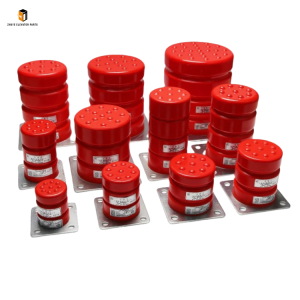
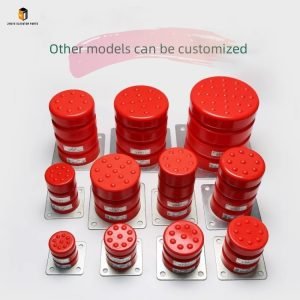
Elevator Polyurethane buffer LD-HC-L1/L2/L3/L4/L6/L7 Brief Introduction
|
Product Name |
Elevator Polyurethane buffer |
| Model Number | LD-HC-L1
LD-HC-L2 LD-HC-L3 LD-HC-L4 LD-HC-L6 LD-HC-L7 |
|
Quality
|
Original.Brand New
|
|
Payment
|
T/T. Paypal. Western Union
|
|
Delivery
|
3-5 Working Days
|
|
Packaging
|
Packed by carton
|
Elevator Polyurethane Buffer LD-HC-L1/L2/L3/L4/L6/L7: Safety Buffer Core from Nanjing Zhuye Elevatorparts
Elevator Polyurethane Buffer LD-HC Series (including models L1, L2, L3, L4, L6, L7) is a critical safety component for elevator systems, specifically engineered to absorb impact energy when the elevator car or counterweight overtravels (hits the top or bottom of the shaft). As the “last line of defense” for elevator safety, it effectively reduces the impact force during abnormal stops, minimizing damage to elevator equipment and protecting the lives of passengers. Exclusively supplied by Nanjing Zhuye Elevatorparts (a professional and trusted distributor of high-quality elevator components), the Elevator Polyurethane Buffer LD-HC Series fully complies with international elevator safety standards (EN 81-20, GB 7588) and is compatible with mainstream elevator models from various brands. Featuring excellent impact absorption performance, high wear resistance, and long service life, this series of buffers covers a wide range of load capacities (100–3000kg) to meet the safety needs of elevators in residential buildings, commercial complexes, office towers, hospitals, and industrial facilities worldwide.
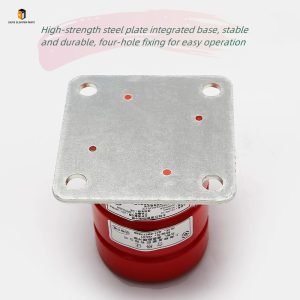
Nanjing Zhuye Elevatorparts adheres to the core philosophy of “safety first, quality-oriented” and implements strict quality control over the LD-HC Series polyurethane buffers. Each buffer undergoes multi-stage pre-delivery inspections, including impact absorption performance testing, compression resilience verification, environmental adaptability detection, and dimensional accuracy validation. The product adopts high-quality industrial-grade polyurethane materials, a high-strength steel base, and an integrated molding process: the polyurethane material has excellent elasticity (rebound rate ≥ 90%) and wear resistance, ensuring stable buffering performance after multiple impacts; the high-strength steel base provides strong load-bearing capacity and ensures the buffer is firmly fixed in the shaft; the integrated molding process eliminates internal defects, enhancing the overall structural stability. The standardized mounting dimensions and hole positions of each model in the series are tailored to different elevator shaft layouts, eliminating the need for complex modifications and enabling quick and accurate installation.
Step-by-Step Usage Guide for Elevator Polyurethane Buffer LD-HC-L1/L2/L3/L4/L6/L7
To ensure the reliable operation of the elevator’s safety protection system and extend the service life of the LD-HC Series buffers, follow the professional guidelines provided by Nanjing Zhuye Elevatorparts for installation, inspection, and maintenance:
1. Professional Installation & Positioning
Installation must be performed by certified elevator technicians familiar with elevator safety systems. Prior to installation, confirm the matching model of the LD-HC buffer (L1/L2/L3/L4/L6/L7) with the target elevator’s rated load and shaft space using the detailed compatibility manual provided by Nanjing Zhuye Elevatorparts. The steps are as follows:
-
Safety Preparation: Cut off the elevator’s main power supply and fix the elevator car and counterweight to safe positions using safety clamps to avoid accidental movement. Clean the buffer mounting area (bottom pit or top beam of the shaft) to remove dust, debris, and oil stains that may affect installation accuracy and buffer performance.
-
Buffer Installation: Fix the LD-HC Series buffer to the dedicated mounting base in the shaft using high-strength bolts provided by Nanjing Zhuye Elevatorparts. Ensure the buffer is installed vertically (verticality error ≤ 2°) and the top surface is level. Confirm that the distance between the buffer top and the elevator car/counterweight buffer plate meets the standard requirement (150–400mm, adjusted according to elevator model and height). Tighten the fixing bolts with a torque wrench to ensure firm installation without looseness.
-
Post-Installation Calibration: After installation, remove the safety clamps and switch the elevator to inspection mode. Operate the car and counterweight to slowly approach the buffer until they lightly touch the buffer top, verifying that the buffer is correctly positioned and there is no deviation. Check the buffer’s compression and rebound performance—ensure it rebounds quickly and smoothly without jamming after being compressed.
-
Safety Test: Conduct a simulated overtravel test (under professional guidance) to verify that the buffer effectively absorbs impact energy when subjected to rated load impact. Confirm that the elevator’s safety protection system (e.g., overspeed governor) coordinates with the buffer to achieve a safe stop. If there is abnormal buffer compression, slow rebound, or incorrect positioning, recheck the installation immediately.
2. Daily Operation & Routine Inspection
Regular inspections are crucial to early detection of buffer faults and ensuring elevator safety. Maintenance personnel should incorporate the following checks into their daily patrols:
-
Daily Visual Inspection: During shaft pit and top beam inspections, check the external condition of the LD-HC Series buffer. Ensure the polyurethane buffer body is free of cracks, deformation, aging (e.g., hardening, brittleness), or oil stains; the steel base is free of corrosion, deformation, or loose fixing bolts; the buffer top surface is clean and free of debris that may affect impact absorption.
-
Weekly Distance Check: Use a tape measure to check the distance between the buffer top and the car/counterweight buffer plate, ensuring it remains within the standard range (150–400mm). If the distance changes due to elevator operation or component wear, adjust it in a timely manner.
-
Monthly Performance Spot-Check: Manually press the buffer top with a tool to check its compression and rebound performance. Ensure there is no abnormal noise during compression, and the rebound is rapid and stable. For elevators in high-traffic areas, increase the spot-check frequency to twice a month.
3. Regular Maintenance Schedule
Systematic maintenance can effectively extend the service life of the LD-HC Series polyurethane buffers. Follow Nanjing Zhuye Elevatorparts’ recommended maintenance plan:
-
Quarterly Maintenance: Clean the buffer body, steel base, and mounting area with a dry, lint-free cloth or a professional cleaner (avoid using corrosive cleaning agents). Inspect the polyurethane material for signs of aging (e.g., color fading, surface cracking) and the steel base for corrosion. Tighten any loose fixing bolts and apply anti-corrosion paint to the steel base if necessary.
-
Semi-Annual Performance Test: Conduct a comprehensive performance test, including compression stroke, rebound time, and impact absorption capacity. Use professional testing equipment to simulate impact under 50% and 100% rated load, verifying that the buffer’s performance meets the original factory standards. For elevators in harsh environments (high humidity, high temperature), increase the test frequency to once every 3 months.
-
Annual Professional Overhaul: Arrange a professional inspection with Nanjing Zhuye Elevatorparts’ certified technical team. Check the buffer’s internal structure (if applicable) and replace aging or damaged components with genuine parts. Recalibrate the distance between the buffer and the car/counterweight to meet the elevator’s actual operating requirements and safety standards.
Recommended Replacement Cycle for Elevator Polyurethane Buffer LD-HC-L1/L2/L3/L4/L6/L7
As a core safety component bearing long-term impact forces, environmental erosion, and material aging, the LD-HC Series polyurethane buffers have a specified service life. Timely replacement is critical to avoiding failures such as reduced impact absorption capacity, slow rebound, or buffer body damage, which may lead to ineffective buffering during elevator overtravel, causing serious equipment damage and passenger safety risks.
1. Standard Replacement Cycle
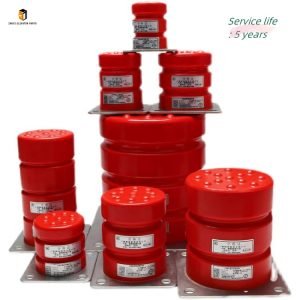
Under normal operating conditions (elevator daily operation time 12–24 hours, annual overtravel impact times ≤ 5, shaft environment temperature -20–60℃, humidity 10%–95%), the recommended replacement cycle for the LD-HC Series polyurethane buffers is 5–7 years. This cycle is determined based on Nanjing Zhuye Elevatorparts’ long-term field data, material aging tests, and global user feedback.
2. Adjustments for Special Scenarios
-
Harsh Environments: For elevators in high-humidity coastal areas (salt spray corrosion), high-dust construction sites, or shafts with large temperature fluctuations (e.g., unheated industrial buildings), the replacement cycle should be shortened to 3–5 years. Harsh conditions accelerate the aging of polyurethane materials and corrosion of steel bases, significantly reducing the buffer’s reliability.
-
Low-Frequency Use Scenarios: For elevators with low usage frequency (e.g., villa elevators, small office buildings with daily operation time < 8 hours) and stable shaft environments, the replacement cycle can be extended to 7–8 years—only if Nanjing Zhuye’s professional inspection confirms the buffer’s impact absorption performance, rebound resilience, and structural integrity are intact.
3. Immediate Replacement Conditions
Replace the LD-HC Series buffer immediately if any of the following issues occur, regardless of service life:
-
The polyurethane buffer body has obvious cracks, deformation, or severe aging (hardening, brittleness, or fragmentation), resulting in reduced compression and rebound performance.
-
The buffer’s compression stroke exceeds the maximum allowable range specified by the standard, or it fails to rebound to the original position after compression, affecting normal buffering function.
-
The steel base is severely corroded or deformed, and the fixing bolts are loose or damaged, posing risks of buffer displacement during impact.
-
The buffer fails to pass the performance test (impact absorption capacity is less than 80% of the original factory standard), and the fault cannot be eliminated through maintenance.
In conclusion, the Elevator Polyurethane Buffer LD-HC-L1/L2/L3/L4/L6/L7 supplied by Nanjing Zhuye Elevatorparts is a high-quality, high-reliability safety component tailored for elevator systems. By following the correct usage methods, maintenance schedules, and replacement cycles, elevator maintenance teams can effectively ensure the stable operation of the elevator’s safety protection system, maximize passenger and equipment safety, and minimize failure risks. Choosing Nanjing Zhuye Elevatorparts means you get not only authentic LD-HC Series buffers (with multiple models to meet different load requirements) but also professional technical support, including model matching guidance, on-site installation advice, and prompt after-sales service.