Description
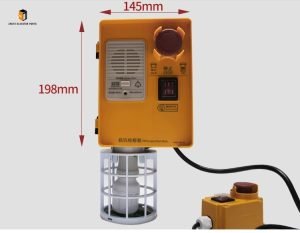
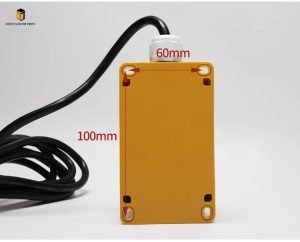
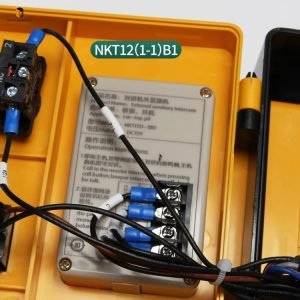
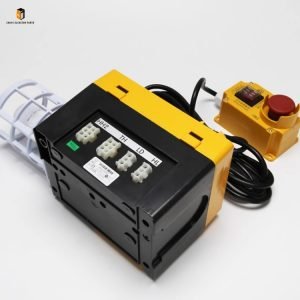
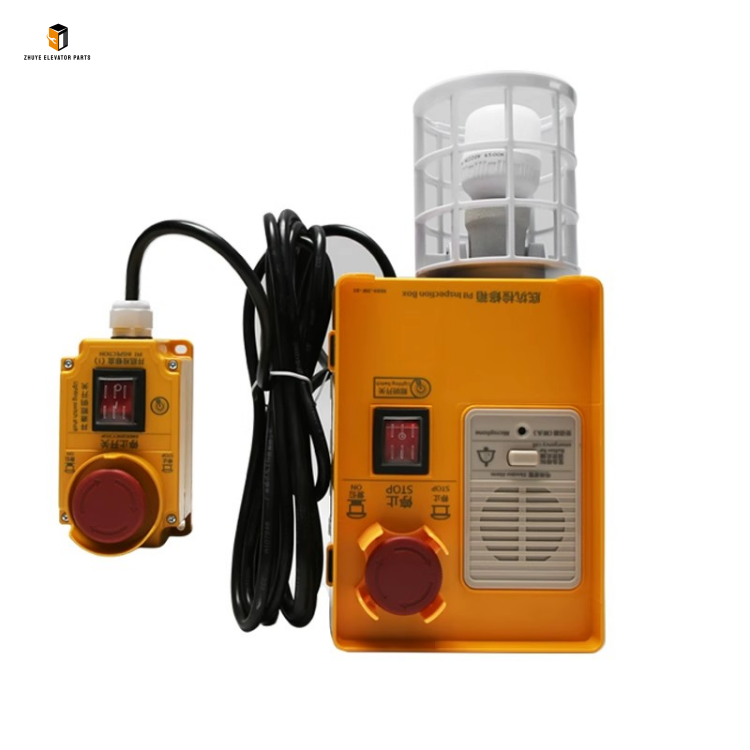
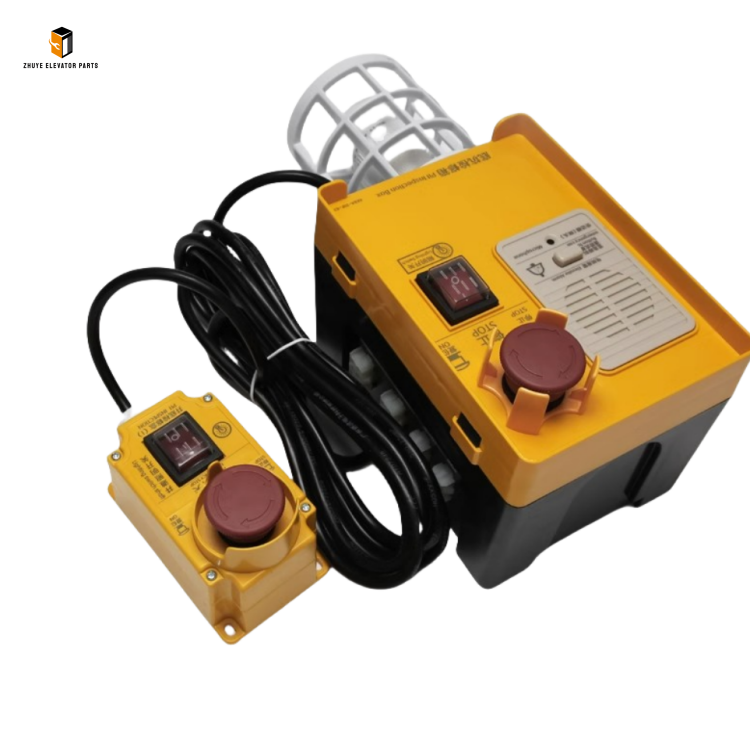
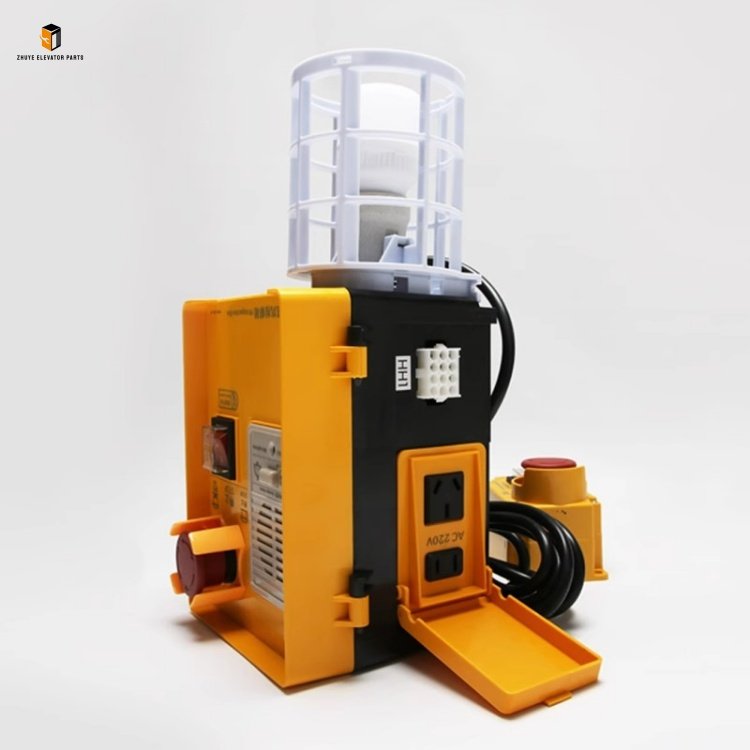
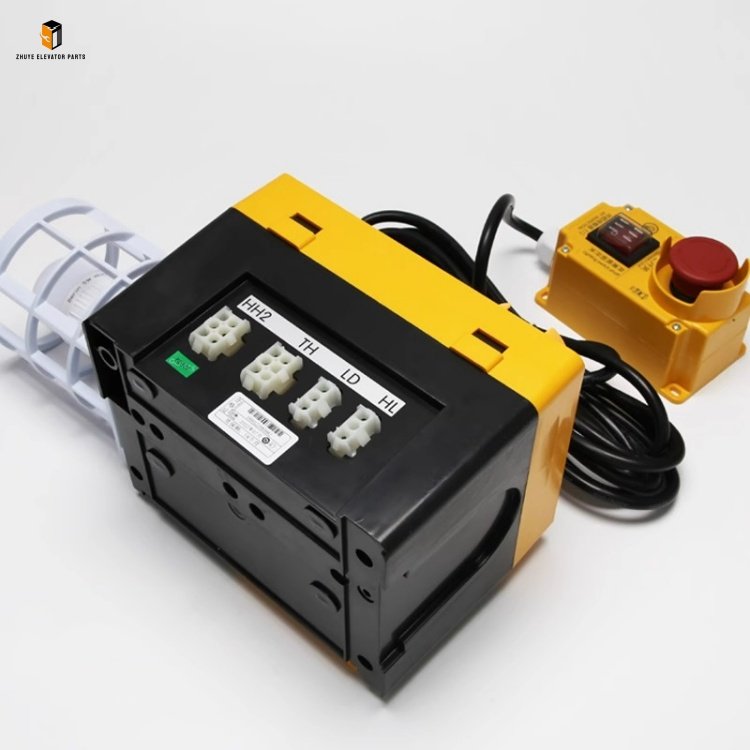
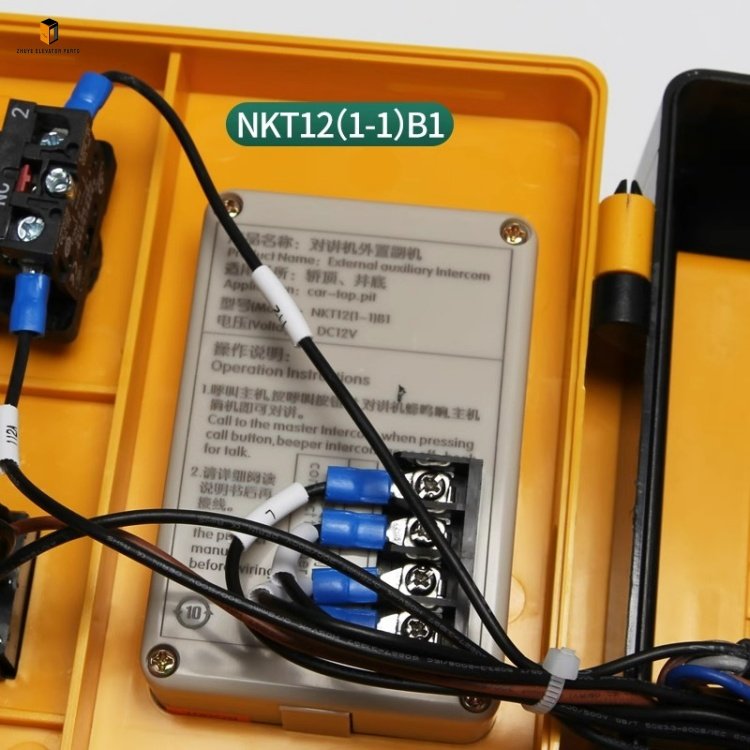
Elevator Pit Inspection Box KKB4-20F-83 NKT12(1-1)B1 Brief Introduction
|
Product Name |
Elevator Pit Inspection Box |
| Model Number | KKB4-20F-83
NKT12(1-1)B1 |
|
Quality
|
Original.Brand New
|
|
Payment
|
T/T. Paypal. Western Union
|
|
Delivery
|
3-5 Working Days
|
|
Packaging
|
Packed by carton
|
Elevator Pit Inspection Box KKB4-20F-83 & NKT12(1-1)B1: Safety Maintenance Core from Nanjing Zhuye Elevatorparts
Elevator Pit Inspection Box KKB4-20F-83 and NKT12(1-1)B1 are critical safety maintenance components designed for elevator systems, serving as the centralized control hub for elevator pit maintenance operations. These boxes integrate key functions such as emergency stop, inspection operation, power supply control, and signal transmission, enabling maintenance personnel to safely perform inspections, repairs, and debugging of pit components (e.g., buffer, limit switch, guide rail) without risking accidental elevator operation. As the “safety command center” of elevator pits, they directly determine the safety and efficiency of maintenance work. Exclusively supplied by Nanjing Zhuye Elevatorparts, a professional and trusted provider of high-quality elevator safety components, the Elevator Pit Inspection Box KKB4-20F-83 & NKT12(1-1)B1 fully comply with international elevator safety standards (EN 81-20, GB 7588) and electrical control regulations (IEC 60947). With reliable structural design, stable electrical performance, and broad compatibility with mainstream elevator control systems, these inspection boxes are widely utilized in residential, commercial, high-speed, and industrial elevators worldwide.
Nanjing Zhuye Elevatorparts adheres to the core philosophy of “Safe Maintenance, Stable Control” and implements rigorous quality control throughout the production and inspection process of KKB4-20F-83 and NKT12(1-1)B1 inspection boxes. Each unit undergoes a multi-stage pre-delivery inspection protocol, including electrical performance testing, structural stability verification, environmental adaptability trials, and emergency function detection. The two models share premium performance advantages while catering to different elevator specifications: both adopt high-strength galvanized steel housings with anti-corrosion treatment to resist humidity, dust, and impact in the pit environment; the internal electrical components (switches, terminals, fuses) use industrial-grade materials to ensure stable contact and long service life; the IP54 protection rating effectively prevents water vapor and debris from entering, avoiding short-circuit faults. KKB4-20F-83 is optimized for medium-to-large load elevators (load ≥ 1000kg) with expanded interface capacity, while NKT12(1-1)B1 is tailored for small-to-medium load elevators (load ≤ 800kg) with a compact design. With standardized mounting dimensions and interface specifications, both models allow for quick and seamless installation, eliminating the need for complex modifications to existing elevator systems.
Step-by-Step Usage Guide for Elevator Pit Inspection Box KKB4-20F-83 & NKT12(1-1)B1
To maximize the safety and service life of KKB4-20F-83 and NKT12(1-1)B1 inspection boxes, and to ensure the safe and efficient execution of elevator pit maintenance work, strictly follow the professional guidelines provided by Nanjing Zhuye Elevatorparts for operation, inspection, and maintenance:
1. Professional Operation During Maintenance
Operation of the pit inspection box involves elevator safety control and must be performed by certified elevator technicians in strict accordance with the following norms:
-
Pre-Operation Safety Preparation: Before entering the elevator pit, cut off the elevator’s main power supply and activate the emergency stop button on the pit inspection box. Place a “Maintenance in Progress” warning sign at the elevator entrance to prevent unauthorized operation. Confirm the elevator car is at a safe position (above the pit) and use a mechanical support to fix it, avoiding accidental descending.
-
Activating Inspection Mode: Open the inspection box door (equipped with a safety lock; use the dedicated key provided by Nanjing Zhuye Elevatorparts to unlock). Toggle the inspection switch to the “Inspection” position to disconnect the normal operation circuit of the elevator and switch to the maintenance mode. At this point, the elevator can only be controlled by the inspection buttons (up/down) on the box to ensure slow and safe movement during maintenance.
-
Maintenance Operation & Monitoring: During maintenance, use the inspection box’s control buttons to adjust the elevator’s position as needed. Monitor the indicator lights on the box to confirm the elevator’s operation status (power supply, inspection mode, emergency stop). If an abnormality is found (e.g., abnormal noise, equipment failure), immediately press the emergency stop button to cut off the power supply and handle the fault.
-
Post-Maintenance Reset: After completing maintenance work, carefully check that all pit components are installed correctly and there are no tools or debris left. Toggle the inspection switch back to the “Normal” position, reset the emergency stop button, and close the inspection box door. Remove the warning sign, restore the main power supply, and conduct a comprehensive functional test of the elevator to ensure it operates normally before resuming use.
2. Daily Inspection & Routine Maintenance
Regular inspections and maintenance are essential to ensuring the pit inspection box is always in a reliable state. Maintenance personnel should integrate the following checks into their daily patrol routines:
-
Daily Visual Inspection: During pit patrols, check the external condition of KKB4-20F-83/NKT12(1-1)B1. Ensure the housing is free of deformation, corrosion, or damage; the door lock functions normally and the door is tightly closed; the signal and power cables are intact without aging, wear, or loose connections; the indicator lights are bright and clear.
-
Weekly Functional Test: Use the dedicated key to open the inspection box door (after cutting off the auxiliary power supply). Check the internal circuit terminals for looseness, oxidation, or burning marks. Test the reliability of the emergency stop switch, inspection button, and other key switches—press them repeatedly to confirm flexible operation and accurate signal transmission. Use a multimeter to detect the output voltage of the dedicated power socket, ensuring it is within the standard range.
-
Monthly Sealing & Insulation Check: Verify the sealing performance of the inspection box door (replace the sealing strip if aging or damage is found) to prevent dust and water vapor from entering the internal circuit. Use a megohmmeter to test the insulation resistance of the internal circuit (insulation resistance ≥ 10MΩ) to avoid short-circuit risks caused by insulation degradation.
Recommended Replacement Cycle for Elevator Pit Inspection Box KKB4-20F-83 & NKT12(1-1)B1
As core maintenance components bearing long-term electrical load, frequent switch operations, and harsh environmental erosion (humidity, dust, vibration in the pit), KKB4-20F-83 and NKT12(1-1)B1 pit inspection boxes have specified service lives. Timely replacement is critical to avoiding faults such as switch failure, circuit short-circuit, indicator light damage, or loss of protection functions—issues that may lead to maintenance safety accidents or affect the normal maintenance of elevators.
1. Standard Replacement Cycle
Under normal operating conditions (elevator daily operation time 12–24 hours, monthly maintenance frequency ≥ 2 times, environment temperature -10–60℃, humidity 10%–95%), the recommended replacement cycle for both KKB4-20F-83 and NKT12(1-1)B1 is 5–6 years. This cycle is determined based on Nanjing Zhuye Elevatorparts’ long-term field data, electrical component aging tests, and global user feedback on elevator maintenance equipment.
2. Adjustments for Special Scenarios
-
Harsh Environments: For elevators in high-humidity coastal areas (salt spray corrosion), shaft pits prone to water accumulation, or high-dust industrial sites, the replacement cycle should be shortened to 3–4 years. Harsh conditions accelerate housing corrosion, internal circuit oxidation, and switch contact wear, significantly reducing the inspection box’s reliability.
-
High-Frequency Maintenance & Low-Frequency Use Scenarios: For elevators with high maintenance frequency (e.g., high-traffic shopping malls, airports) where the inspection box is used more than 5 times a month, the replacement cycle should be shortened by 1 year. For elevators with low usage and maintenance frequency (e.g., villa elevators, small office buildings), the replacement cycle can be extended to 6–7 years—only if Nanjing Zhuye’s professional inspection confirms the inspection box’s electrical performance, switch reliability, and protection functions are intact (consistent with original factory standards).
3. Immediate Replacement Conditions
Replace KKB4-20F-83 or NKT12(1-1)B1 immediately if any of the following issues occur, regardless of service life:
-
The emergency stop switch, inspection button, or other key switches fail (cannot be triggered or reset), and the fault persists after maintenance and part replacement.
-
The internal circuit has obvious burning marks, odor, or short-circuit faults, and the circuit board is severely damaged and cannot be repaired.
-
The housing is severely corroded, deformed, or damaged, and the sealing performance is lost, leading to frequent internal circuit faults due to dust or water intrusion.
-
The inspection box fails the electrical performance test (e.g., insulation resistance < 1MΩ, voltage output deviation > ±10%), failing to meet the safe operation requirements of elevator maintenance.
In conclusion, the Elevator Pit Inspection Box KKB4-20F-83 and NKT12(1-1)B1 supplied by Nanjing Zhuye Elevatorparts are high-quality, reliable maintenance auxiliary components tailored for elevator systems. By following the correct usage methods, maintenance schedules, and replacement cycles, elevator maintenance teams can effectively ensure the safety of maintenance operations, improve maintenance efficiency, and maintain the stable operation of elevators. Choosing Nanjing Zhuye Elevatorparts means you get not only authentic KKB4-20F-83 and NKT12(1-1)B1 inspection boxes but also professional technical support, including model matching guidance, on-site installation and debugging advice, and prompt after-sales service.