

Description
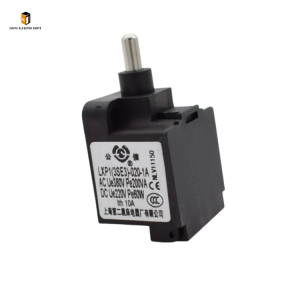
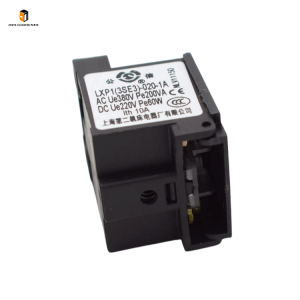
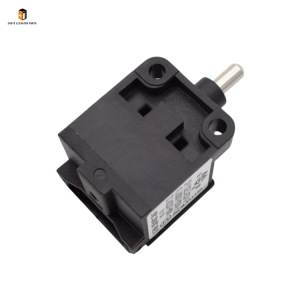
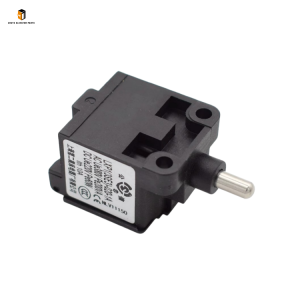
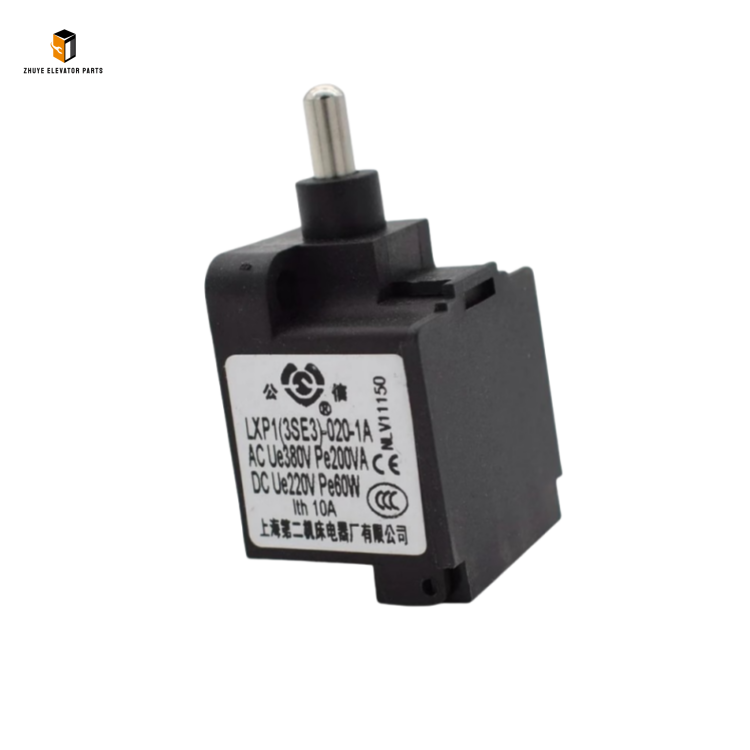
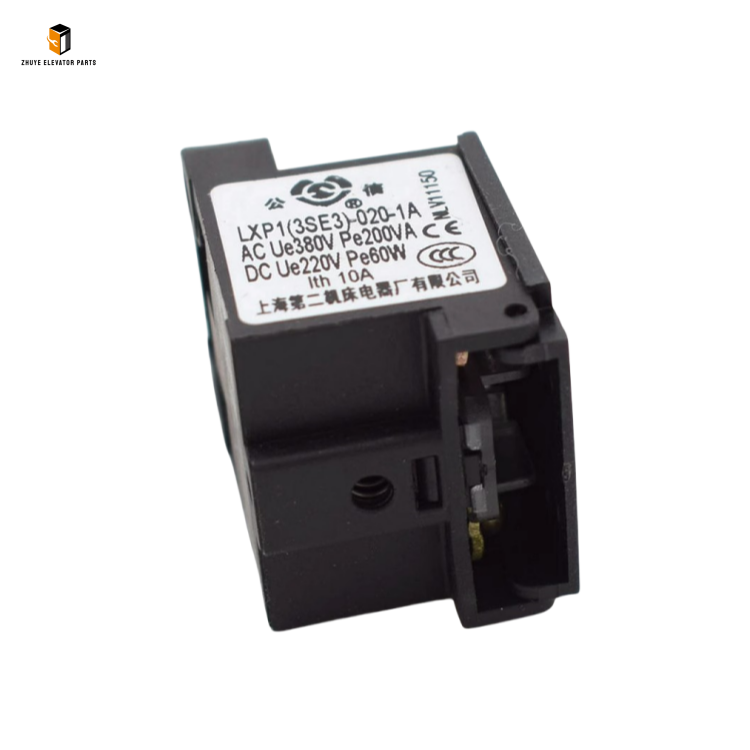
Elevator pit buffer switch LXP1(3SE3)-020-1A Brief Introduction
|
Product Name |
Elevator pit buffer switch |
| Model Number | LXP1(3SE3)-020-1A |
|
Quality
|
Original.Brand New
|
|
Payment
|
T/T. Paypal. Western Union
|
|
Delivery
|
3-5 Working Days
|
|
Packaging
|
Packed by carton
|
Elevator Pit Buffer Switch LXP1(3SE3)-020-1A: Essential Safety Component for Buffer Protection
The elevator pit buffer switch is a critical safety component linked to the elevator’s buffer system, designed to monitor the status of the buffer (a key device that absorbs impact energy when the elevator overtravels). When the buffer is activated due to abnormal elevator movement, the switch immediately sends a signal to the elevator’s main controller to cut off the power supply, preventing further dangerous operation and protecting the safety of passengers and elevator equipment. The Elevator Pit Buffer Switch LXP1(3SE3)-020-1A, exclusively supplied by Nanjing Zhuye Elevatorparts (a professional and trusted distributor of authentic elevator safety components), is meticulously engineered to comply with international elevator safety standards (EN 81-20, GB 7588) and is widely compatible with multiple mainstream elevator brands and models. With high trigger accuracy, strong environmental adaptability, and reliable signal transmission, this buffer switch provides a crucial safety barrier for elevators in residential buildings, commercial complexes, office towers, hospitals, and public facilities worldwide.
Nanjing Zhuye Elevatorparts adheres to the core philosophy of “safety first, quality-oriented” and is committed to providing high-performance safety components for the global elevator industry. Each unit of the LXP1(3SE3)-020-1A undergoes rigorous pre-delivery inspections, including trigger precision testing, contact reliability verification, waterproof and dustproof performance assessment, and long-term durability trials. The switch adopts a rugged metal shell, high-sensitivity trigger mechanism, and IP65-level protection design: the metal shell can resist corrosion, impact, and wear in the harsh pit environment; the high-sensitivity trigger ensures accurate signal transmission the moment the buffer is activated, with no delay or false triggering; the IP65 protection level effectively isolates dust, moisture, and oil stains in the pit, ensuring stable operation in humid and dusty conditions. Its standardized installation interface and dimensions are perfectly adapted to the mounting positions of most elevator buffers, enabling seamless integration with the elevator’s original safety control system.
Proper Usage Methods of Elevator Pit Buffer Switch LXP1(3SE3)-020-1A
Correct installation, standard debugging, and regular maintenance are crucial to ensuring the LXP1(3SE3)-020-1A can reliably monitor the buffer status and trigger safety protection in a timely manner. Follow these key guidelines for safe and effective use:
1. Installation & Commissioning
Before installation, technicians must confirm the compatibility of the LXP1(3SE3)-020-1A with the target elevator model and buffer type using the detailed compatibility manual provided by Nanjing Zhuye Elevatorparts. Professional installation is mandatory to ensure safety compliance, following these steps:
-
First, cut off the elevator’s main power supply and hang a “Maintenance in Progress, No Power On” sign to ensure the work area is safe. Locate the installation position near the elevator pit buffer (typically fixed on the buffer’s bracket or the pit wall, ensuring the switch’s actuator is aligned with the buffer’s collision plate without affecting the buffer’s normal movement) and clean the mounting surface to remove dust, oil stains, and debris.
-
Fix the LXP1(3SE3)-020-1A firmly to the mounting surface using matching stainless steel screws provided by Nanjing Zhuye Elevatorparts. Ensure the switch is installed horizontally or vertically (as per the elevator manufacturer’s requirements) and that the actuator has a reasonable gap with the buffer’s collision plate (standard gap: 5–10mm) to avoid false triggering during normal elevator operation and ensure accurate triggering when the buffer is activated.
-
Wiring connection: Strictly follow the wiring diagram provided by Nanjing Zhuye Elevatorparts (tailored for LXP1(3SE3)-020-1A) and the elevator’s main control system guidelines. Connect the switch’s signal wires to the corresponding terminals of the elevator’s safety control loop. Note that the buffer switch must be connected in series with the elevator’s running control loop to ensure that once triggered, it can immediately cut off the elevator’s running power. Ensure all connections are tight, with intact insulation to prevent short circuits or poor contact. Nanjing Zhuye’s technical team provides remote wiring guidance for complex systems.
-
Post-installation commissioning: Restore the elevator power supply and conduct comprehensive functional tests. Manually press the switch’s actuator to simulate buffer activation—verify that the elevator’s main controller immediately receives the fault signal, cuts off the power supply, and displays a “Buffer Switch Triggered” fault code. Reset the actuator and confirm that the fault code is cleared and the elevator can resume normal operation. Test the gap between the actuator and the buffer’s collision plate repeatedly to ensure it meets the standard requirements.
2. Daily Inspection & Standard Operation
Regular daily inspections and standardized operation are essential to ensuring the LXP1(3SE3)-020-1A is always in a normal working state. Maintenance personnel should abide by the following rules:
-
Daily visual inspection: During each pit patrol, carefully check the external state of the LXP1(3SE3)-020-1A. Ensure the metal shell is free of cracks, corrosion, or deformation; the actuator is intact, flexible in movement, and free of jamming; the wiring terminals are tight, with no loose wires or oxidation. Check the gap between the actuator and the buffer’s collision plate—if the gap is too large or too small, adjust it promptly.
-
Weekly function test: Cut off the elevator’s main power supply, manually press the switch’s actuator to trigger the switch, and check if the internal contact is reliable (use a multimeter to detect the on-off state). Restore the actuator and confirm the switch resets normally. After power restoration, verify that the elevator’s control system can accurately recognize the switch’s status.
-
Operation norms: It is strictly prohibited to manually trigger the buffer switch without reason or adjust the gap between the actuator and the buffer at will. During pit maintenance, avoid collision or damage to the switch. If the switch is accidentally triggered, first check the buffer status and eliminate potential dangers before resetting the switch and restoring the elevator’s operation.
3. Regular Maintenance
In addition to daily inspections, systematic regular maintenance is necessary to extend the service life of the LXP1(3SE3)-020-1A and maintain its safety performance:
-
Every 3 months, conduct a comprehensive cleaning and inspection: Use a dry, lint-free cloth to wipe the switch shell, actuator, and wiring terminals, removing dust and oil stains. Check the waterproof seal ring for aging or damage—replace it with genuine accessories provided by Nanjing Zhuye Elevatorparts if necessary. Retighten loose wiring terminals and apply anti-oxidation grease to the contacts to enhance conductivity and corrosion resistance.
-
Every 6 months, perform a full performance test: Test the switch’s trigger sensitivity (ensure it triggers smoothly when the actuator is pressed to the specified stroke) and reset performance. Use a multimeter to detect the contact resistance (normal value ≤ 0.1Ω) and insulation resistance (normal value ≥ 100MΩ) to ensure electrical performance is up to standard. Recheck and adjust the gap between the actuator and the buffer’s collision plate.
-
Annually, arrange professional maintenance with Nanjing Zhuye Elevatorparts’ certified technical team. Disassemble the switch to inspect internal components (including contacts, springs, and actuators), remove internal dust and debris with specialized tools, and replace aging or worn parts with genuine replacements. This ensures the switch maintains factory-level safety performance and reliability.
Recommended Replacement Cycle of Elevator Pit Buffer Switch LXP1(3SE3)-020-1A
As a core safety component related to elevator overtravel protection, the LXP1(3SE3)-020-1A has a strict service life limit. Timely replacement is critical to avoiding failure to trigger in emergencies, which could lead to serious elevator accidents such as overtravel impact.
1. Standard Replacement Cycle
Under normal operating conditions (12–24 hours of standby operation, standard pit environment: temperature -20–60℃, humidity 20%–95%, no severe corrosion), the recommended replacement cycle for the LXP1(3SE3)-020-1A is 4–6 years. This cycle is determined based on Nanjing Zhuye Elevatorparts’ long-term field data, including contact wear analysis, spring aging tests, and waterproof component service life verification.
2. Scenario-Based Cycle Adjustment
-
Harsh Operating Environments: For elevators in high-humidity coastal regions, high-dust construction sites, pits with oil leakage problems, or areas with strong chemical corrosion, the replacement cycle should be shortened to 3–4 years. Harsh conditions accelerate the corrosion of metal shells, aging of internal springs, and damage to waterproof seals, significantly reducing the switch’s reliability and trigger accuracy.
-
Low-Frequency Use Scenarios: For elevators with low usage frequency and dry, clean pit environments (e.g., villa elevators, small office buildings with less than 2,000 monthly rides), the replacement cycle can be appropriately extended to 6–7 years—provided a professional inspection by Nanjing Zhuye Elevatorparts confirms that the switch’s trigger sensitivity, contact reliability, and waterproof effect are all intact.
3. Immediate Replacement Conditions
Regardless of the service life, the LXP1(3SE3)-020-1A must be replaced immediately if any of the following issues are detected during inspection:
-
The switch fails to trigger when the buffer is activated or cannot reset normally, and the fault cannot be resolved after maintenance.
-
The switch shell is severely corroded, cracked, or deformed, and the internal components are exposed; the waterproof seal is damaged, leading to water or dust intrusion into the internal circuit.
-
The contact resistance exceeds 0.5Ω or the insulation resistance is lower than 10MΩ, indicating serious contact wear or insulation failure, which may cause signal transmission failure.
-
The switch fails the annual safety performance test, and key indicators (trigger sensitivity, contact reliability, waterproof grade) cannot be restored to the standard range even after maintenance.
In summary, the Elevator Pit Buffer Switch LXP1(3SE3)-020-1A supplied by Nanjing Zhuye Elevatorparts is a high-quality, reliable safety component that plays a vital role in the elevator’s overtravel protection system. By following the correct usage methods, conducting regular maintenance, and adhering to the recommended replacement cycle, elevator maintenance teams can effectively ensure the safety of elevator operation, comply with relevant safety regulations, and minimize potential safety risks. Choosing Nanjing Zhuye Elevatorparts means you get not only authentic LXP1(3SE3)-020-1A switches but also professional technical support, including installation guidance, maintenance training, and prompt after-sales service.