Description
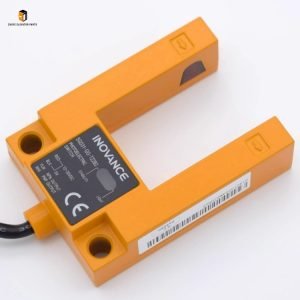
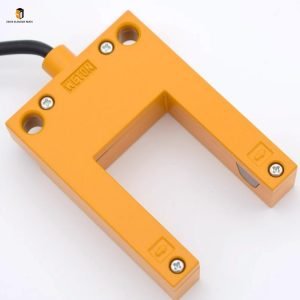
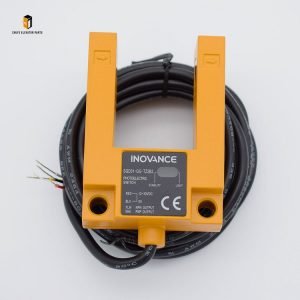
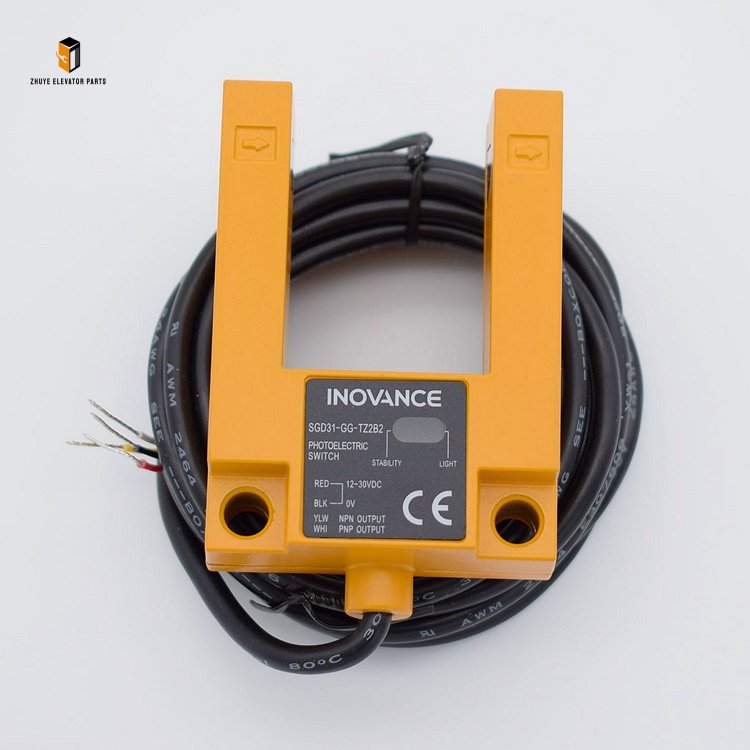
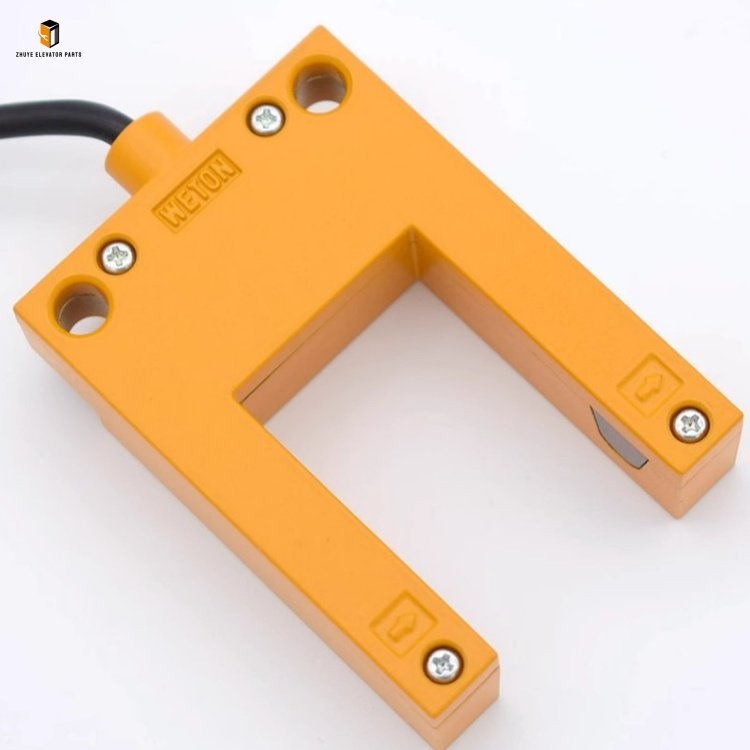
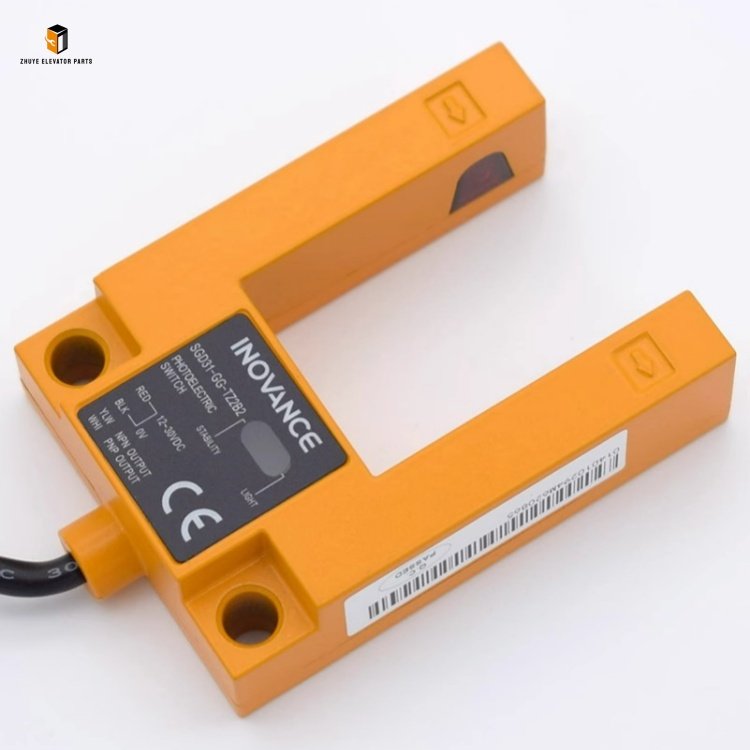
Elevator Photoelectric Switch Sensor SGD31-GG-TZ2B2 Brief Introduction
|
Product Name |
Elevator Photoelectric Switch Sensor |
| Model Number | SGD31-GG-TZ2B2 |
|
Quality
|
Original.Brand New
|
|
Payment
|
T/T. Paypal. Western Union
|
|
Delivery
|
3-5 Working Days
|
|
Packaging
|
Packed by carton
|
Nanjing Zhuye Elevator Parts: Elevator Photoelectric Switch Sensor SGD31-GG-TZ2B2 – Safe Door Protection for Elevators
Elevator door safety and passenger protection depend on reliable sensing technology, and the Elevator Photoelectric Switch Sensor SGD31-GG-TZ2B2 stands as a critical safety component designed for universal compatibility with mainstream elevator brands (Otis, Mitsubishi, KONE, XIZI, Schindler). This advanced photoelectric sensor detects obstacles in the elevator door path, triggering an immediate door reversal to prevent entrapment or injury—essential for compliance with global safety regulations and passenger trust. Nanjing Zhuye Elevator Parts, a globally trusted supplier of premium elevator components, proudly offers SGD31-GG-TZ2B2 photoelectric switches, engineered to meet international safety standards (EN 81-1, IEC 61496) and deliver consistent performance across diverse elevator door systems. This article provides a comprehensive guide to the product’s features, proper usage methods, replacement cycles, and why Nanjing Zhuye Elevator Parts is the preferred choice for elevator professionals worldwide.
Product Overview: Elevator Photoelectric Switch Sensor SGD31-GG-TZ2B2 by Nanjing Zhuye Elevator Parts
The Elevator Photoelectric Switch Sensor SGD31-GG-TZ2B2 is a diffuse-reflective photoelectric sensor tailored for elevator door protection, featuring an infrared emission module (850nm wavelength) and high-sensitivity receiving unit for reliable obstacle detection within a 0-30cm range. It supports both AC and DC power supplies (AC 110-220V / DC 12-24V), adapting to diverse elevator electrical systems, and offers NPN/PNP dual output modes for seamless integration with door control boards. The sensor boasts a fast response time (≤10ms) to ensure immediate door reversal, even for fast-moving doors (up to 0.8m/s), and a rugged IP67-rated housing for protection against dust, moisture, and minor impacts—ideal for harsh elevator shaft environments.
At Nanjing Zhuye Elevator Parts, safety and durability are non-negotiable. The SGD31-GG-TZ2B2 incorporates anti-interference circuitry to resist electromagnetic interference from elevator drive systems, ensuring stable operation in complex electrical environments. It includes a visible red alignment indicator for easy installation and a self-diagnostic LED (green for normal operation, red for fault) for quick troubleshooting. Each unit undergoes rigorous quality control, including obstacle detection accuracy testing, environmental resistance trials (operating range: -20°C to 65°C), and endurance testing (10 million+ switching cycles), complying with ISO 9001, CE, and RoHS standards. This commitment to excellence ensures the sensor delivers consistent protection, reducing safety incidents and maintenance costs associated with door-related hazards.
How to Use the Elevator Photoelectric Switch Sensor SGD31-GG-TZ2B2
Proper installation, alignment, and calibration are critical to maximizing the sensor’s detection reliability and ensuring elevator safety. Follow these professional guidelines:
Installation Steps
- Safety Preparation: Before installation, shut off the elevator’s main power supply and disconnect the door control cabinet power. Implement LOTO (Lockout/Tagout) procedures to prevent electrical hazards. Access the elevator door header or door sash (where sensors are typically mounted) using a stable platform, wearing insulating gloves and safety glasses to protect against falling components.
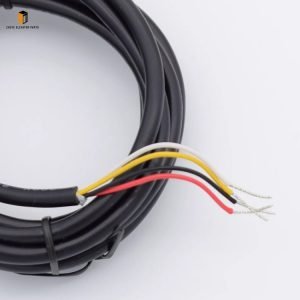
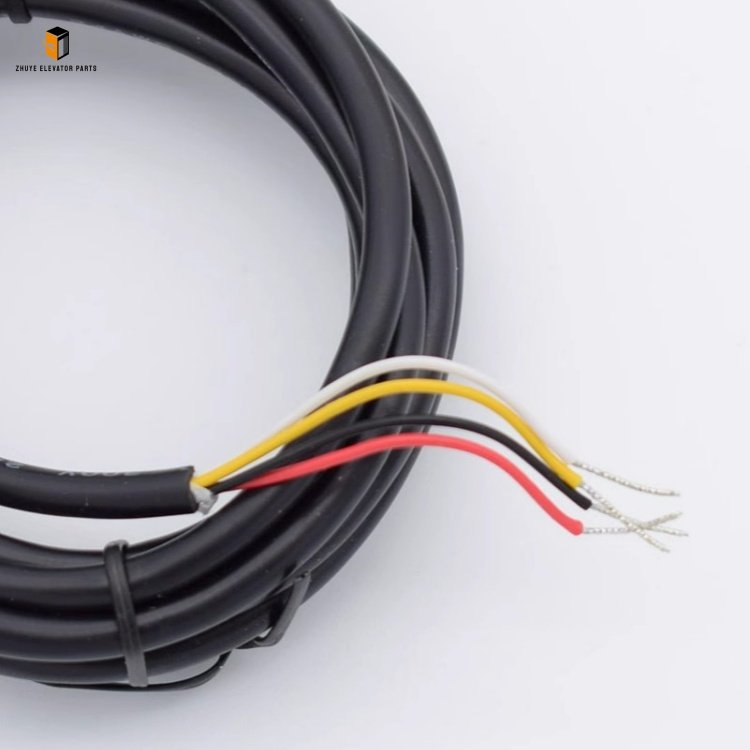
- Remove the Old Sensor: Locate the existing photoelectric switch (mounted with fixing brackets or screws on the door header or sash). Disconnect the power and signal wiring—take detailed photos of terminal connections (note labels like L/N for AC power, V+/V- for DC power, and OUT for signal output) to ensure correct reconnection. Remove the fixing screws or release the bracket clips, then carefully detach the old sensor, avoiding damage to wiring harnesses.
- Prepare the Mounting Area: Clean the mounting surface with a dry, lint-free cloth to remove dust, oil, or debris. Inspect the wiring harnesses for fraying, insulation damage, or corrosion (replace if necessary) to ensure reliable electrical contact. Verify the mounting bracket is sturdy and aligned with the door’s movement path—misalignment causes false triggers or detection failures.
- Install the New Sensor: Align the Nanjing Zhuye Elevator Parts SGD31-GG-TZ2B2 with the mounting bracket, ensuring the sensor’s detection window faces the opposite door sash (for diffuse reflection) or the reflector plate (if using retro-reflective mode). Secure the sensor with stainless steel screws (torque: 0.5-0.8 N·m) to prevent vibration-induced misalignment. Reconnect the wiring harnesses according to the photos: match power supply type (AC/DC) to the elevator’s system, and select NPN/PNP output mode to match the door control board’s requirements.
- Align and Test: Restore power to the door control system. Use the sensor’s red alignment indicator to adjust positioning—ensure the infrared beam covers the entire door opening path (from top to bottom). Conduct a functional test: activate the elevator door system and pass objects (e.g., a wooden board, handbag) through the door path at different positions and speeds. Verify the door reverses immediately each time (response time ≤10ms). Test under varying light conditions (bright sunlight, dim elevator shaft) to confirm anti-glare performance and no false triggers.
Usage Precautions
- Alignment Maintenance: Check sensor alignment monthly. Vibrations or door system adjustments can shift the sensor, leading to blind spots or false detections. Use the red alignment indicator for quick realignment.
- Cleaning Schedule: Wipe the sensor’s detection window with a soft, lint-free cloth weekly. Dust, oil, or dirt accumulation blocks the infrared beam, reducing detection reliability.
- Power Compatibility: Ensure the power supply matches the sensor’s requirements (AC 110-220V or DC 12-24V). Using the wrong voltage can burn out the sensor or cause erratic operation.
- Environmental Protection: Avoid direct exposure to water jets or extreme temperatures. The IP67 rating protects against dust and splashes, but submersion or temperatures beyond -20°C/65°C degrades performance.
- Anti-Interference Measures: Keep the sensor’s wiring away from high-voltage cables (e.g., elevator drive wires) to prevent electromagnetic interference. Use shielded cables for signal wiring if necessary.
Replacement Cycle of Elevator Photoelectric Switch Sensor SGD31-GG-TZ2B2
The replacement cycle depends on usage intensity, environmental conditions, and maintenance practices. Follow these industry-standard guidelines:
General Timeline
- High-Traffic Areas: Shopping malls, airports, or high-rise buildings (elevators operating 12+ hours daily, 2,000+ door cycles per day) – replace every 3-5 years. Frequent switching and exposure to dust/moisture accelerate component wear.
- Medium-Traffic Areas: Residential buildings, hotels, or offices (8-10 hours daily, 1,000-2,000 door cycles per day) – replace every 5-7 years.
- Low-Traffic Areas: Villas, industrial facilities, or low-occupancy buildings (4-6 hours daily, ,000 door cycles per day) – replace every 7-10 years, with quarterly functionality checks.
Signs of Replacement Need
Replace the photoelectric switch immediately if:
- Detection Failures: The sensor fails to detect obstacles (door does not reverse) or triggers false reversals (no obstacle present) – indicating emission/receiving module degradation.
- Faulty LED Indicators: Persistent red fault LED (no power or internal failure) or unlit alignment indicator, even after wiring checks and power resets.
- Physical Damage: Cracked housing, damaged detection window, or corroded terminals – common in harsh elevator shaft environments or accidental impacts.
- Delayed Response: Door reversal takes >10ms, creating safety hazards for fast-moving doors or small obstacles (e.g., children’s hands).
- Power Irregularities: The sensor overheats, or the power supply trips repeatedly when the sensor is connected – indicating internal circuit failure.
Importance of Timely Replacement
A faulty SGD31-GG-TZ2B2 photoelectric switch compromises elevator safety, leading to entrapment, crushing hazards, or non-compliance with safety regulations (EN 81-1, ASME A17.1). Timely replacement ensures consistent door protection, maintains passenger trust, and reduces liability risks for building owners and maintenance firms.
Why Choose Nanjing Zhuye Elevator Parts’ SGD31-GG-TZ2B2?
Nanjing Zhuye Elevator Parts stands out as a trusted partner for elevator maintenance and safety:
- Universal Compatibility: Designed to work with 5+ mainstream elevator brands and diverse door control systems, eliminating the need for brand-specific sensors.
- Safety-Certified Performance: Complies with global safety standards and delivers fast response times, ensuring reliable obstacle detection and immediate door reversal.
- Rigorous Quality Assurance: 100% pre-delivery testing, including detection accuracy, environmental resistance, and endurance trials.
- Expert Technical Support: Our team of certified engineers provides professional guidance on installation, alignment, and troubleshooting via phone or email.
- Fast Emergency Delivery: We maintain a large inventory of SGD31-GG-TZ2B2 sensors to fulfill urgent replacement orders within 24-48 hours, minimizing downtime and safety risks.
Whether you’re an elevator maintenance firm, building manager, or service engineer, the Elevator Photoelectric Switch Sensor SGD31-GG-TZ2B2 from Nanjing Zhuye Elevator Parts delivers the safety, reliability, and compatibility you need. Invest in a product that prioritizes passenger protection and regulatory compliance – choose Nanjing Zhuye Elevator Parts for your elevator door safety components.