Description
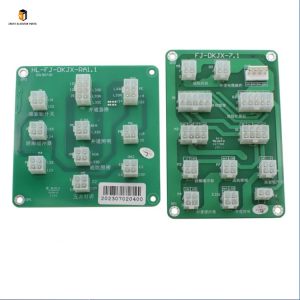
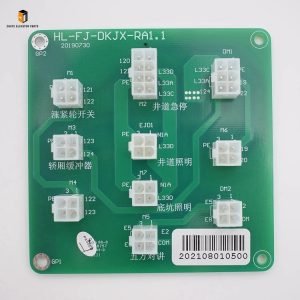
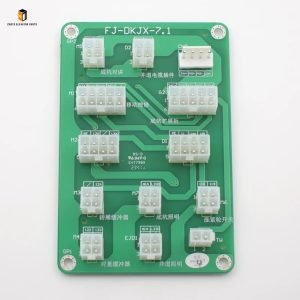
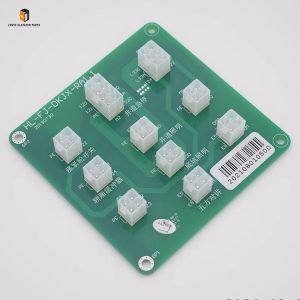
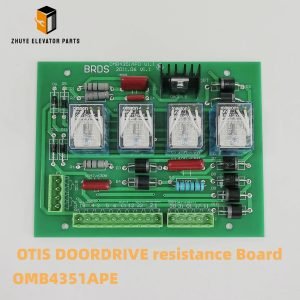
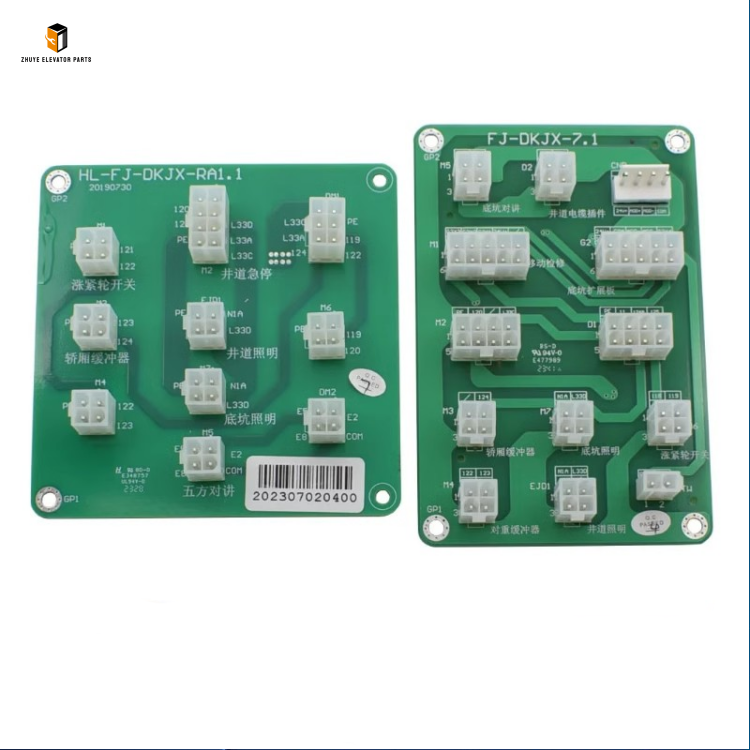
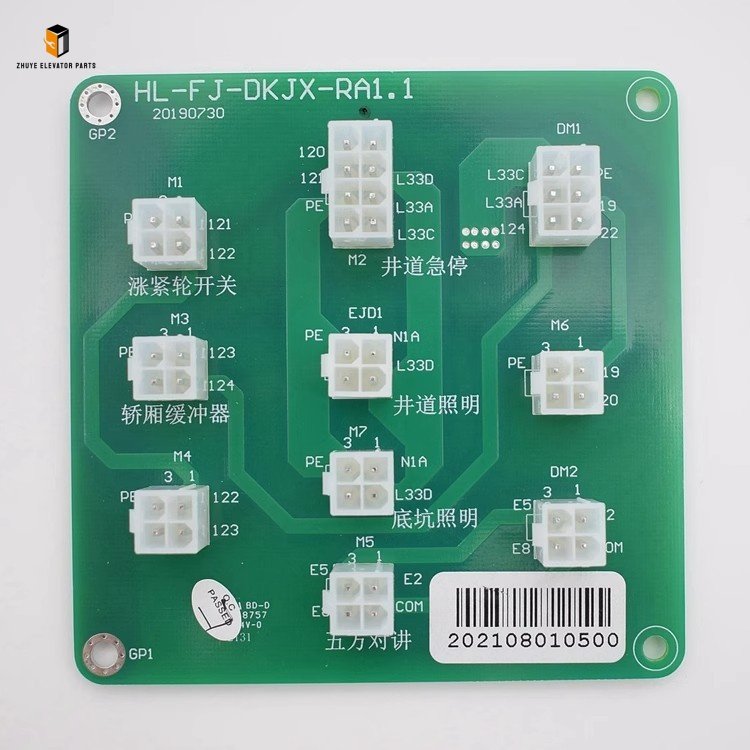
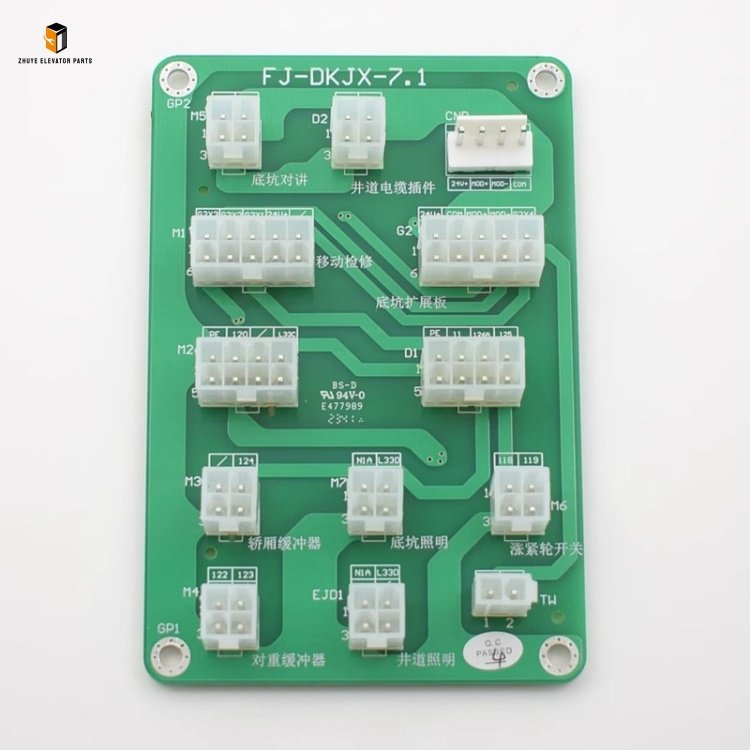
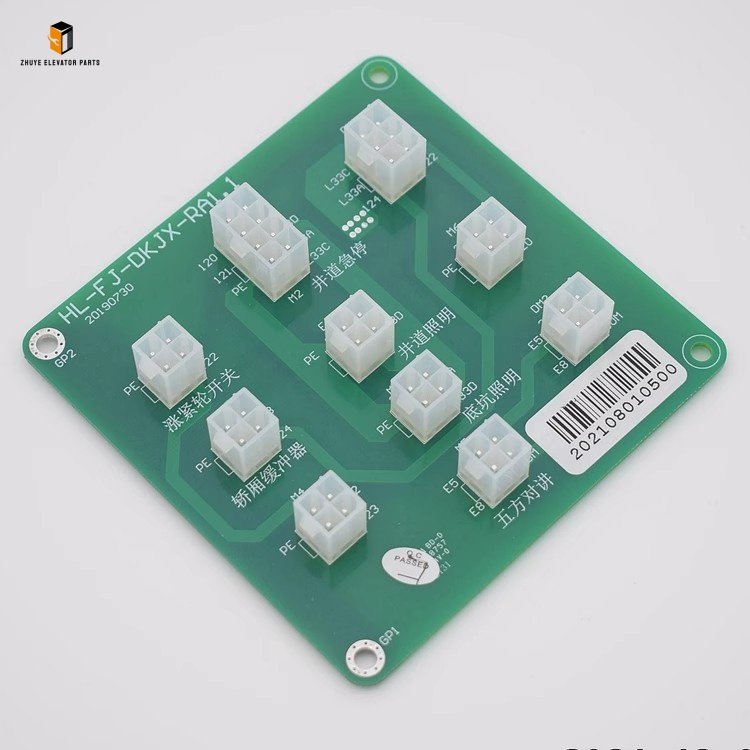
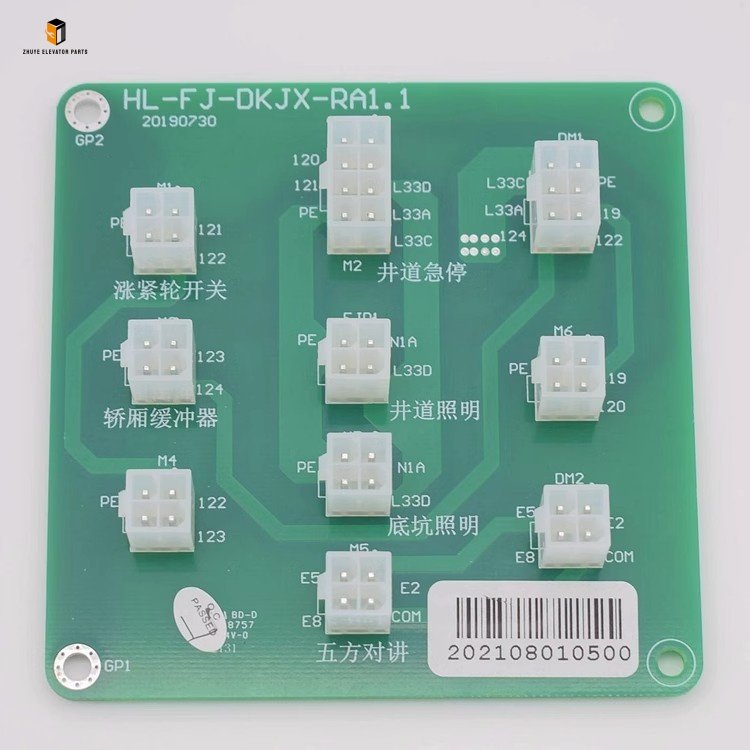
Elevator pcb board HL-FJ-DKJX-RA1.1 DKJX-RA7.1 Brief Introduction
|
Product Name |
Elevator pcb board |
| Model Number | HL-FJ-DKJX-RA1.1
DKJX-RA7.1 |
|
Quality
|
Original.Brand New
|
|
Payment
|
T/T. Paypal. Western Union
|
|
Delivery
|
3-5 Working Days
|
|
Packaging
|
Packed by carton
|
Elevator PCB Board HL-FJ-DKJX-RA1.1 & DKJX-RA7.1: The Brain Behind Elevator Operational Excellence
In the sophisticated framework of modern elevator systems, the printed circuit board (PCB) serves as the central command hub, orchestrating every function from car movement and door control to safety monitoring. Among the industry’s most dependable solutions are the Elevator PCB Board HL-FJ-DKJX-RA1.1 and DKJX-RA7.1, precision-engineered products from Nanjing Zhuye Elevatorparts—a leading manufacturer renowned for its high-quality, durable elevator components. Tailored to meet the stringent performance and safety standards of commercial and residential elevator systems, these PCB boards are pivotal in ensuring smooth, efficient, and secure elevator operations.
The HL-FJ-DKJX-RA1.1 and DKJX-RA7.1 PCB boards are designed to act as the core control unit, processing real-time data from various elevator sensors, switches, and actuators. The RA1.1 model excels in basic elevator control tasks, such as floor leveling and speed regulation, making it ideal for mid-rise residential buildings. The DKJX-RA7.1, on the other hand, boasts advanced processing capabilities, supporting complex functions like intelligent fault diagnosis and energy-saving mode adjustments, which suits high-traffic commercial elevators and high-rise structures. Both models integrate seamlessly with most elevator control systems, thanks to Nanjing Zhuye Elevatorparts’ rigorous compatibility testing during the manufacturing process.
Using these PCB boards requires strict compliance with professional installation procedures to avoid system malfunctions. First, ensure the elevator is completely powered off and locked out, following standard safety protocols to prevent electrical hazards. Next, remove the old PCB board (if applicable) by disconnecting all wiring harnesses—label each connector clearly to avoid confusion during reinstallation. Clean the control cabinet’s mounting slot to eliminate dust, debris, or moisture that could cause short circuits. Then, carefully place the new Nanjing Zhuye Elevatorparts PCB board into the slot, securing it with the provided fastening screws. Reconnect the wiring harnesses according to the label and the product’s wiring diagram, ensuring each connection is tight and accurate. After installation, power on the elevator in test mode, running a full cycle of operations to verify that the PCB board communicates effectively with all components, such as leveling sensors and door motors. Adjust any parameters via the elevator’s control panel if necessary to optimize performance.
While these PCB boards are built with high-grade, heat-resistant materials to extend service life, timely replacement is critical to prevent unexpected elevator downtime. Nanjing Zhuye Elevatorparts recommends a standard replacement cycle of 36–48 months under normal operating conditions. This timeline accounts for the gradual degradation of electronic components caused by continuous current flow and environmental factors like temperature fluctuations in the control cabinet. For elevators in high-traffic environments—such as shopping malls, hospitals, and office towers—that operate 12+ hours daily, the replacement cycle should be shortened to 30–36 months, as frequent data processing accelerates component aging. For low-frequency usage scenarios, such as private villas or small warehouses, the cycle can be extended moderately but should never exceed 60 months, as prolonged use increases the risk of circuit failures and safety system errors.
In addition to following the recommended cycle, maintenance teams should conduct routine inspections during regular elevator servicing. Key checkpoints include examining the PCB board for signs of corrosion, burnt components, or loose solder joints, and testing its data transmission stability. If any abnormalities are detected—such as frequent elevator malfunctions, unresponsive control commands, or error codes displayed on the control panel—the PCB board must be replaced immediately, even if it has not reached the end of the recommended service life. Delaying replacement can lead to complete elevator system breakdowns, posing safety risks to passengers and increasing maintenance costs.
Nanjing Zhuye Elevatorparts has long been dedicated to delivering reliable, high-performance elevator components, and the HL-FJ-DKJX-RA1.1 and DKJX-RA7.1 PCB boards embody this commitment. By choosing these products and adhering to proper installation and replacement guidelines, elevator maintenance teams can ensure long-term operational stability, reduce downtime, and provide passengers with a safe, smooth riding experience.
In conclusion, the HL-FJ-DKJX-RA1.1 and DKJX-RA7.1 PCB boards are more than just components—they are the intelligent core that powers elevator systems. With Nanjing Zhuye Elevatorparts’ quality assurance and proactive maintenance practices, building managers can safeguard their elevator infrastructure,ensuring optimal viewing experience, passenger satisfaction, and long – term service life.