Description
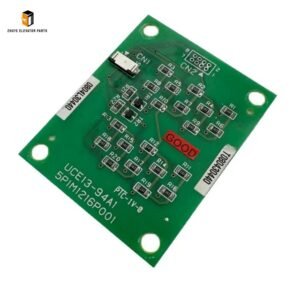
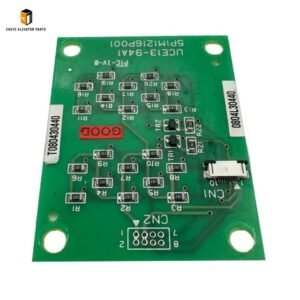
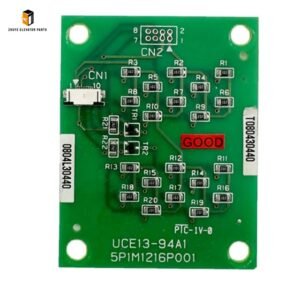
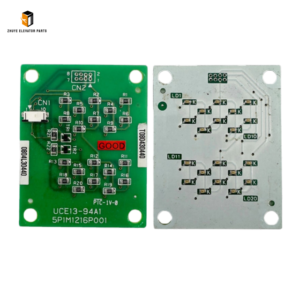
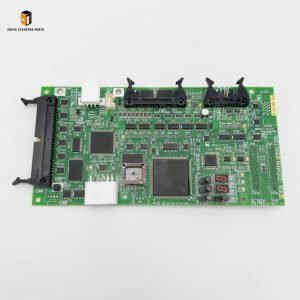
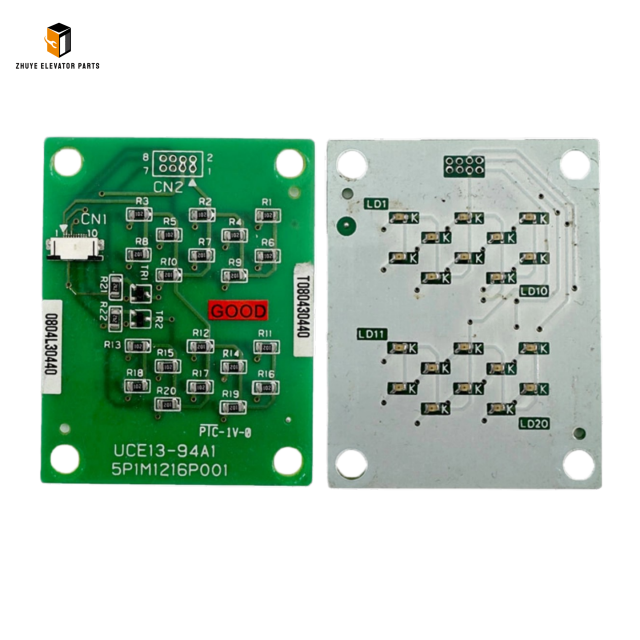
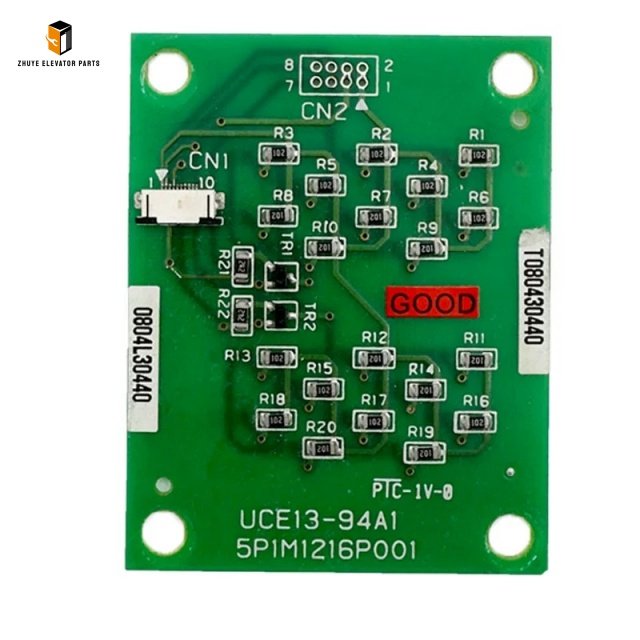
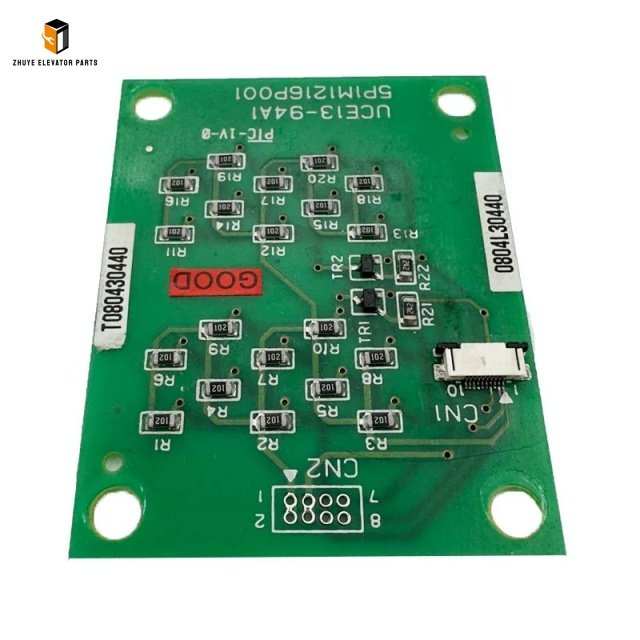
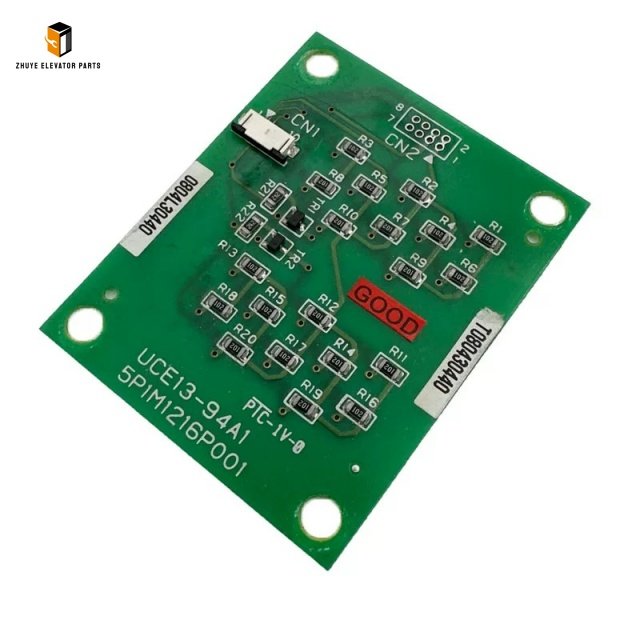
Elevator Overload Display Board UCE13-94A1
|
Product Name |
Elevator Overload Display Board |
| Model Number | UCE13-94A1 |
|
Quality
|
Original.Brand New
|
|
Payment
|
T/T. Paypal. Western Union
|
|
Delivery
|
3-5 Working Days
|
|
Packaging
|
Packed by carton
|
Elevator Overload Display Board UCE13-94A1 | Compatible with Toshiba Elevators
The Elevator Overload Display Board UCE13-94A1 is a dedicated load detection and prompt circuit board professionally engineered for full compatibility with Toshiba elevators. Installed inside the car operating panel or weighing junction box, this industrial functional module collects weight sensor signals and feeds back load status to the main control unit. It visually displays empty load, full load, and overload status while triggering overload alarm prompts to prevent overloaded elevator operation. As a core safety component for Toshiba load monitoring systems, the UCE13-94A1 precisely processes induction signals to ensure compliant passenger carrying capacity. Common malfunctions including false overload alarms, unresponsive load detection, constant warning beeps and abnormal weight calibration are usually caused by circuit aging and long-term vibration fatigue. Manufactured in compliance with Toshiba original electrical parameters and mounting standards, this overload display board is an essential safety spare part for daily maintenance, safety debugging and bulk inventory stocking for global elevator service providers.
Built with flame-retardant insulating PCB and high-sensitivity signal acquisition chips, the Elevator Overload Display Board UCE13-94A1 features excellent anti-interference, dustproof and moisture-proof performance. Optimized for enclosed cabin environments with continuous vibration and static accumulation, it maintains stable signal acquisition in complex indoor conditions. All mounting holes, terminal definitions, working voltage and signal transmission protocols strictly match Toshiba factory specifications, enabling true plug-and-play installation without extra programming or parameter calibration. Integrated voltage stabilization and surge protection structures effectively resist current fluctuation and electromagnetic interference from peripheral electrical components. Suitable for all mainstream Toshiba residential and commercial elevators, this board maintains accurate load identification and reliable alarm feedback during long-term daily operation.
Standard Installation & Professional Operation Guidelines
All disassembly and installation procedures for the UCE13-94A1 overload display board must be performed by certified Toshiba elevator technicians. Before maintenance work, completely cut off the cabin control power and sensor power loop, securely lock the isolation switch, and place a clear “Maintenance In Progress” warning sign inside the car. Live-line operation and hot swapping are strictly forbidden to prevent chip burnout and accidental elevator downtime.
Carefully remove the protective cover of the installation box using insulated professional tools. Confirm that the old circuit board model matches UCE13-94A1 to ensure complete compatibility. Gently detach the board assembly, disconnect sensor lines and power connectors one by one, and clearly mark every wiring position to avoid misconnection. Remove the fixing screws and safely detach the defective original overload board.
Thoroughly clean the internal mounting slot to eliminate dust and conductive particles that may trigger signal deviation. Secure the brand-new UCE13-94A1 overload display board in place with anti-loose screws to prevent vibration displacement. Reconnect all cables following the recorded marks and double-check every terminal for firm connection. Restore the protective cover, reactivate the power supply, and conduct load calibration tests to verify sensitive weight detection, accurate status display and normal overload alarm function.
Scientific Replacement Cycle & Fault Replacement Standards
The service lifespan of UCE13-94A1 depends on cabin humidity and elevator usage intensity. For dry residential buildings and low-frequency office elevators, the recommended standard replacement cycle is 6 to 8 years.
For high-traffic locations such as shopping malls and medical centers, or humid poorly ventilated environments, the board sustains continuous signal load and moisture erosion. It is recommended to shorten the replacement cycle to 4 to 5 years to avoid abnormal load detection failures.
Immediate replacement is required once abnormal symptoms occur, including inaccurate load recognition, persistent false alarms, unresponsive overload prompts, oxidized terminals and abnormal board overheating. Timely replacement of UCE13-94A1 eliminates hidden safety risks and maintains standardized load monitoring for all Toshiba elevators.
Reliable Supply Advantages from Our Factory
We supply brand-new factory-tested Elevator Overload Display Board UCE13-94A1, 100% compatible with the full range of Toshiba elevator models. Each product undergoes 72-hour aging testing and signal matching inspection before shipment. We maintain adequate in-stock goods, support fast global logistics, and provide professional remote installation guidance. Our high-precision replacement parts reduce maintenance difficulty, minimize elevator downtime, and help global elevator contractors improve overall service quality and operational safety.