



Description
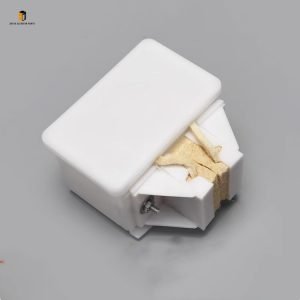
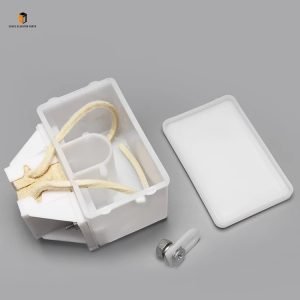
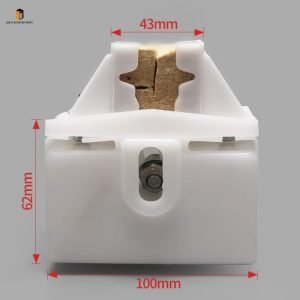
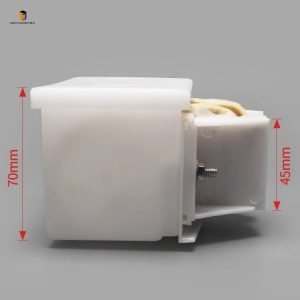
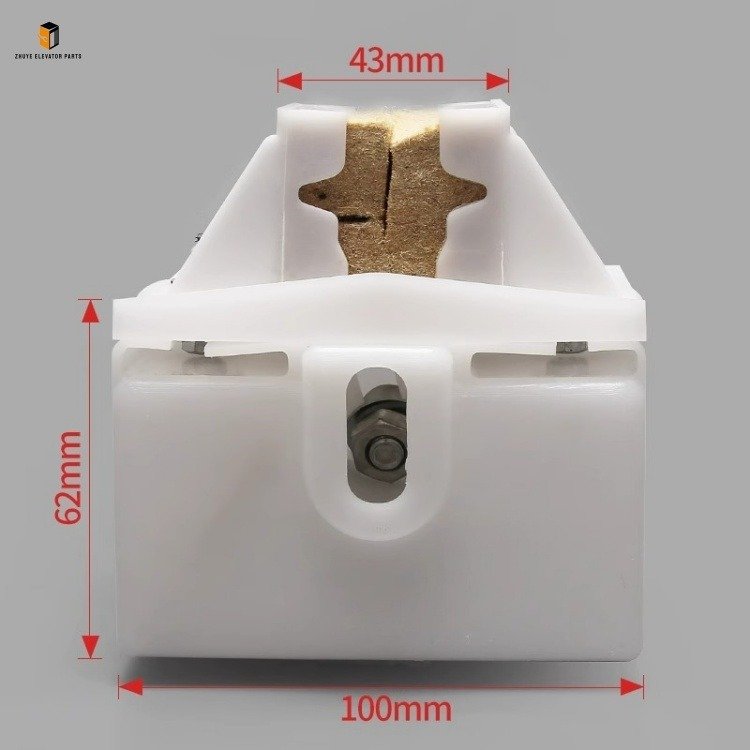
Elevator oil cup elevator oil box Brief Introduction
|
Product Name |
Elevator oil cup elevator oil box |
| Model Number | elevator oil box |
|
Quality
|
Original.Brand New
|
|
Payment
|
T/T. Paypal. Western Union
|
|
Delivery
|
3-5 Working Days
|
|
Packaging
|
Packed by carton
|
Elevator Oil Cup & Oil Box: Stable Lubrication Core from Nanjing Zhuye Elevatorparts
Elevator Oil Cup & Oil Box are critical lubrication supply components for elevator systems, responsible for storing and continuously supplying lubricating oil to key moving parts such as elevator guide rails, sliding shoes, and door machine mechanisms. The oil cup (small-capacity, for local lubrication) and oil box (large-capacity, for centralized lubrication) work together or independently to ensure the elevator’s moving parts operate with minimal friction, reducing wear, lowering noise, and extending the service life of components. Without proper lubrication supply, excessive friction may cause guide rail scratches, sliding shoe damage, or door machine jamming—seriously affecting elevator operation stability and safety. Compatible with mainstream elevator models (including Mitsubishi, KONE, and Schindler), these lubrication components are suitable for residential, commercial, and industrial elevators. Exclusively supplied by Nanjing Zhuye Elevatorparts, a professional provider of high-quality elevator mechanical components, the Elevator Oil Cup & Oil Box fully complies with international elevator safety standards (EN 81-20, GB 7588) and lubrication system component specifications. Manufactured with premium engineering plastic or stainless steel and precision molding technology, they feature excellent oil resistance, corrosion resistance, and sealing performance, ensuring stable lubrication supply in harsh shaft environments, winning trust from global elevator maintenance teams and manufacturers.
Nanjing Zhuye Elevatorparts adheres to the core philosophy of “Stable Lubrication, Durable Operation” and implements strict quality control for elevator oil cups and oil boxes. Each unit undergoes multi-stage pre-delivery inspections, including sealing performance testing, oil resistance verification, structural strength detection, and environmental adaptability evaluation. The oil cup & oil box adopt advanced materials and technologies: The oil cup (commonly used for guide rail lubrication) is made of high-transparency PC plastic, allowing real-time observation of oil level; it is equipped with a precision oil drip valve to adjust the lubrication flow rate (5–20 drops per minute) as needed. The oil box (for centralized lubrication systems) is made of anti-corrosion stainless steel or reinforced PP plastic, with a large capacity (500–2000ml) to reduce frequent refueling; it is equipped with a filter screen at the oil inlet to prevent impurities from entering the lubrication system, and a sealed cover to avoid oil leakage and dust entry. Both products have standardized mounting interfaces, enabling seamless matching with elevator lubrication points and simplifying installation and replacement.
Step-by-Step Usage Guide for Elevator Oil Cup & Oil Box
To maximize the lubrication effect, service life, and operational stability of Elevator Oil Cup & Oil Box, strictly follow the professional guidelines provided by Nanjing Zhuye Elevatorparts for selection, installation, and maintenance:
1. Professional Selection & Pre-Installation Preparation
Installation must be performed by certified elevator technicians. Prior to selection, refer to the elevator’s lubrication system manual, lubrication point type (guide rail, door machine, etc.), and oil consumption to choose the matching oil cup/oil box (e.g., small-capacity oil cup for single guide rail lubrication, large-capacity oil box for centralized door machine lubrication). Consult Nanjing Zhuye Elevatorparts’ technical team if unsure about compatibility. Preparation steps: Cut off the elevator’s main power supply and lock the power switch; place a “Maintenance in Progress” warning sign at the elevator entrance; stabilize the elevator car at a flat floor with mechanical supports; clean the lubrication point and mounting area of the oil cup/oil box to remove dust, old oil stains, and debris; prepare professional tools such as a screwdriver, oil funnel, and cleaning cloth, as well as special elevator lubricating oil recommended by Nanjing Zhuye Elevatorparts.
2. Correct Installation & Lubrication Calibration
-
Component Installation: Take the matching oil cup/oil box from Nanjing Zhuye Elevatorparts, align it with the preset mounting holes at the lubrication point (e.g., guide rail side, door machine top), and fix it with corrosion-resistant bolts (torque: 8–12N·m). Ensure the oil cup/oil box is installed horizontally without tilting, and the oil outlet is aligned with the lubrication point to avoid oil waste. For oil boxes connected to the centralized lubrication system, connect the oil pipe tightly to the oil outlet and secure it with a clamp to prevent oil leakage.
-
Oil Filling & Flow Adjustment: Open the oil cup/oil box cover, filter the special elevator lubricating oil through a funnel (to remove impurities), and fill it to 80% of the maximum capacity (avoid overfilling to prevent oil overflow). For oil cups with a drip valve, adjust the valve according to Nanjing Zhuye’s recommendations: 5–10 drops per minute for guide rails in low-traffic elevators, 15–20 drops per minute for high-traffic elevators. For oil boxes, check the pressure gauge (if equipped) to ensure the oil supply pressure meets the system requirements (0.2–0.4MPa).
-
Leakage Test: After installation and oil filling, wait for 10–15 minutes to observe if there is oil leakage at the oil cup/oil box interface, oil pipe connection, or oil outlet. Wipe off any leaked oil and re-tighten the loose parts if necessary. Manually simulate the elevator’s moving parts (e.g., slide the door machine) to confirm the lubricating oil can cover the lubrication point evenly.
3. Post-Installation Testing & Daily Maintenance
-
Function Testing: Restore the elevator’s power supply and switch to inspection mode. Operate the elevator to run up and down slowly, observing the lubrication state of the guide rails, door machines, and other parts through the inspection window—ensure there is no dry friction (no abnormal squeaking noise) and the lubricating oil is evenly distributed. Check the oil level of the oil cup/oil box in real time to confirm the oil supply is stable.
-
Daily Inspection: Maintenance personnel should check the oil cup/oil box during daily shaft patrols: Observe the oil level through the transparent oil cup or oil box oil level gauge—refuel immediately when the oil level drops to 20% of the maximum capacity. Check for oil leakage at the component interface and oil pipe; clean the oil outlet and lubrication point regularly to remove oil stains and debris. For transparent oil cups, check if there is sludge accumulation inside (which may block the oil drip valve).
-
Regular Maintenance: Every 1 month, clean the oil cup/oil box’s inner wall with a clean cloth to remove sludge and impurities (avoid using corrosive cleaning agents). Every 3 months, replace the filter screen of the oil box to ensure the lubricating oil is clean. For elevators in high-humidity or dusty environments, shorten the maintenance interval to 2 weeks and check the oil quality regularly (replace the oil if it turns black or has impurities).
Recommended Replacement Cycle for Elevator Oil Cup & Oil Box
As core lubrication components enduring long-term contact with lubricating oil, environmental erosion (humidity, dust, temperature changes), and mechanical vibration, elevator oil cups and oil boxes have specified service lives. Timely replacement is crucial to avoiding faults such as oil leakage, oil drip valve blockage, or structural damage—issues that may lead to insufficient lubrication of moving parts, accelerated wear, and even elevator operation failures.
1. Standard Replacement Cycle
Under normal operating conditions (elevator daily operation time 12–24 hours, operating environment temperature -20℃ to 80℃, humidity 10%–95%), the recommended replacement cycle for elevator oil cups is 1–2 years, and for oil boxes is 3–5 years. This cycle is determined based on Nanjing Zhuye Elevatorparts’ long-term field operation data, material aging tests, and global user feedback on elevator lubrication components. Oil cups have a shorter cycle due to their small capacity and frequent contact with air (easier to accumulate sludge), while oil boxes have a longer cycle due to their sealed structure and corrosion-resistant materials.
2. Adjustments for Special Scenarios
-
High-Traffic & Harsh Environments: For elevators in high-traffic locations (e.g., large shopping malls, airports) or harsh environments (e.g., coastal areas with high salt spray, industrial sites with strong dust), the replacement cycle for oil cups is shortened to 6–12 months, and for oil boxes to 2–3 years. High traffic increases oil consumption and sludge accumulation, while harsh environments accelerate component corrosion and seal aging.
-
Low-Frequency Use & Stable Environments: For elevators with low usage frequency (e.g., villa elevators, small office buildings with daily operation time < 8 hours) and stable operating environments (constant temperature and humidity), the replacement cycle for oil cups can be extended to 2–3 years, and for oil boxes to 5–7 years—only after Nanjing Zhuye Elevatorparts’ technicians inspect and confirm that the components have no oil leakage, blockage, or structural damage.
3. Immediate Replacement Conditions
Replace the elevator oil cup or oil box immediately if any of the following issues occur, regardless of its service life:
-
The oil cup/oil box has obvious cracks, deformation, or severe corrosion, leading to oil leakage that cannot be repaired by tightening or replacing seals.
-
The oil drip valve of the oil cup is blocked and cannot be unclogged, or the valve core is worn and cannot adjust the oil flow rate stably.
-
The inner wall of the oil box is severely scaled or corroded, and sludge cannot be completely cleaned, which may contaminate the lubricating oil and damage the lubrication system.
-
The seal of the oil cup/oil box fails (e.g., the cover cannot be sealed tightly), leading to oil oxidation or dust entering the oil, affecting lubrication quality.
In conclusion, the Elevator Oil Cup & Oil Box from Nanjing Zhuye Elevatorparts are high-quality, reliable lubrication supply components tailored for modern elevator systems. By following the correct selection, installation, maintenance, and replacement guidelines, elevator maintenance teams can effectively ensure the stable operation of the elevator’s lubrication system, reduce mechanical wear, and enhance overall operation safety and durability. Choosing Nanjing Zhuye Elevatorparts means you get 100% authentic oil cups and oil boxes, plus professional support—including model matching, lubricating oil selection guidance, and on-site installation advice. Trust Nanjing Zhuye Elevatorparts for the stable lubrication of your elevator system.