Description
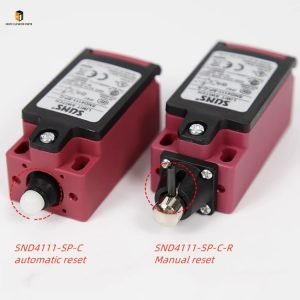
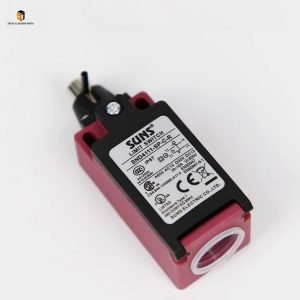
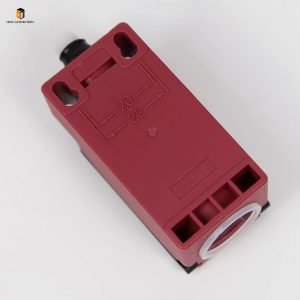
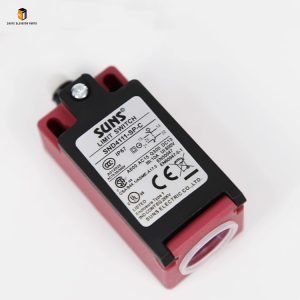
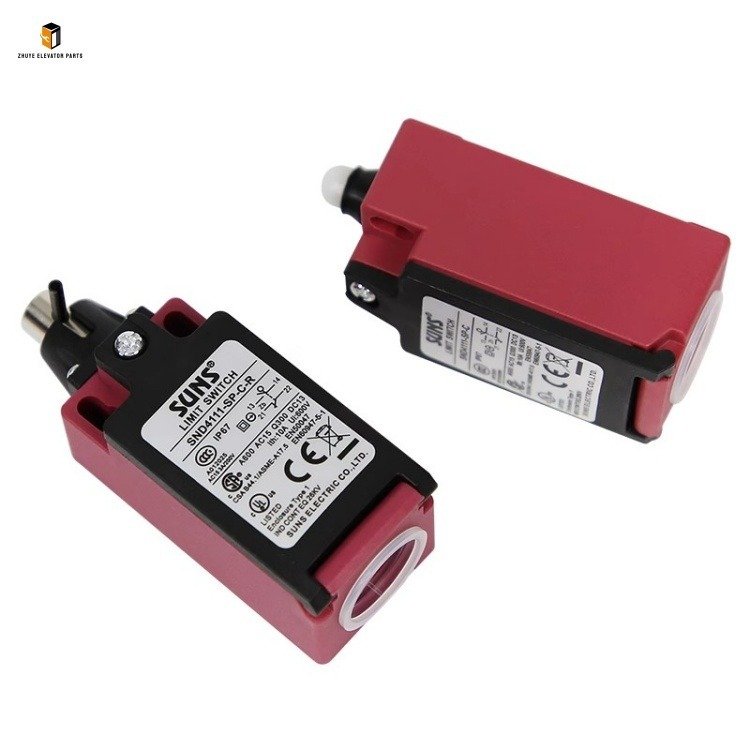
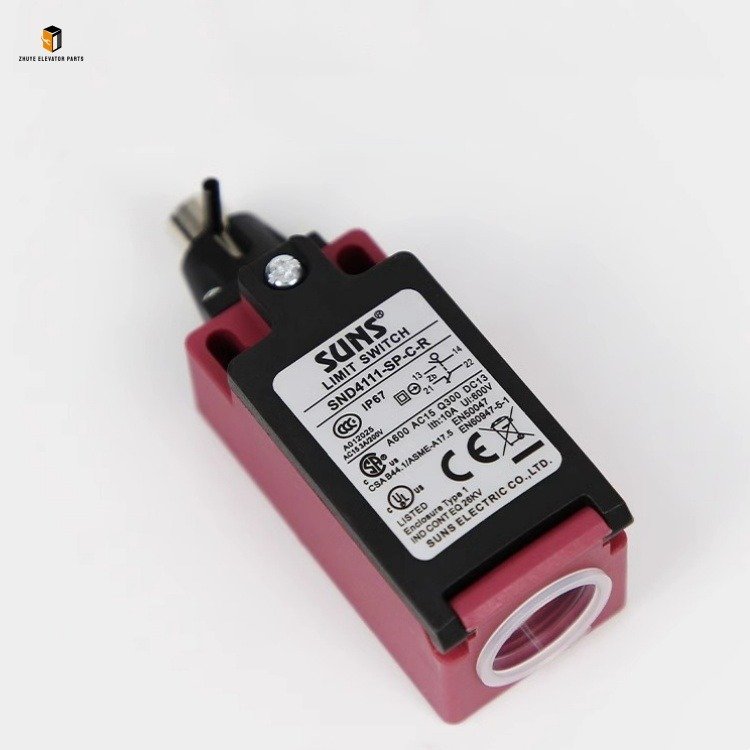
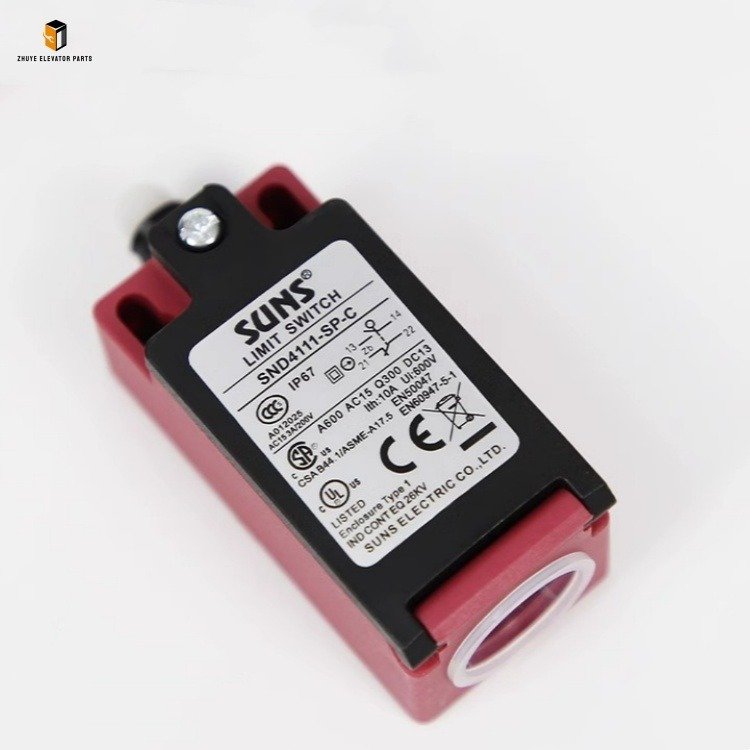
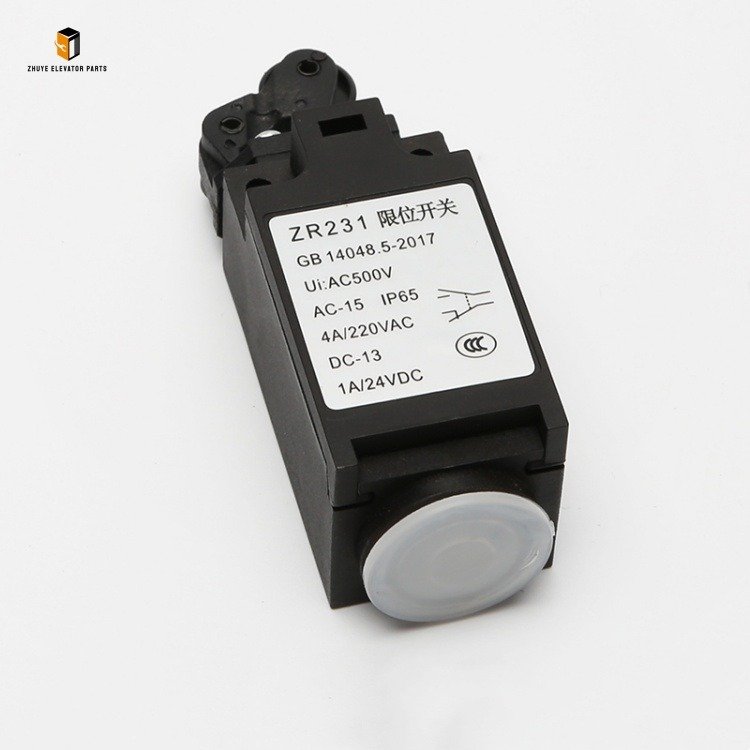
Elevator limit switch SND4111-SP-C SND4111-SP-C-R Brief Introduction
|
Product Name |
Elevator limit switch |
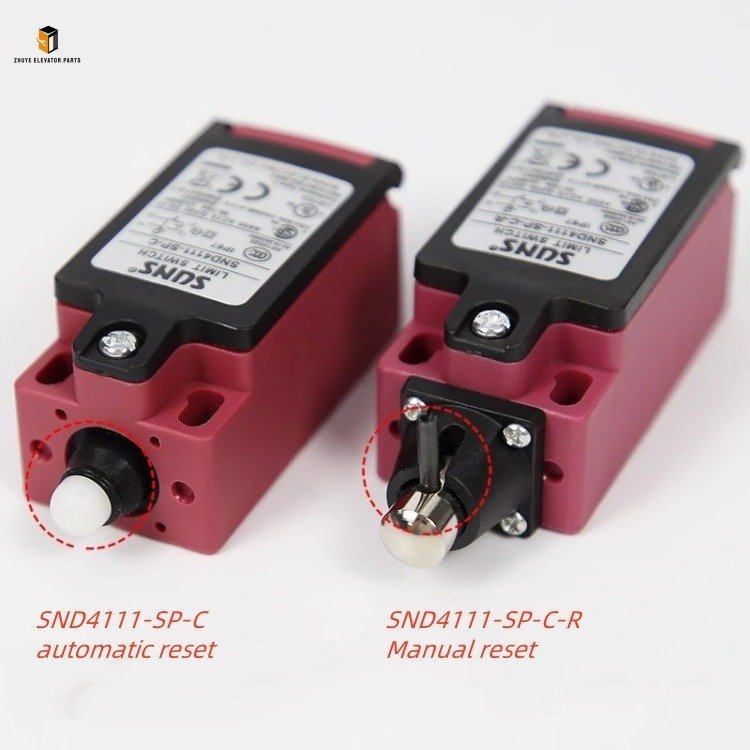
| Model Number | SND4111-SP-C
SND4111-SP-C-R |
|
Quality
|
Original.Brand New
|
|
Payment
|
T/T. Paypal. Western Union
|
|
Delivery
|
3-5 Working Days
|
|
Packaging
|
Packed by carton
|
Elevator Limit Switch SND4111-SP-C: Safety Limiting Core from Nanjing Zhuye Elevatorparts
Elevator Limit Switch SND4111-SP-C is a critical safety control component for elevator systems, specifically designed to limit the maximum travel range of the elevator car and counterweight. Installed at the top and bottom ends of the elevator shaft, it acts as a “final safety barrier”—when the elevator exceeds the normal operating range due to traction system failure or control errors, the switch is triggered by the car or counterweight, immediately cutting off the elevator’s upward or downward operation signal to prevent overtravel accidents such as car collision with the top or bottom of the shaft. Compatible with mainstream elevator traction systems (including Mitsubishi, KONE, and Schindler), this limit switch is widely applicable to high-rise residential buildings, commercial complexes, office towers, and industrial elevators, playing an indispensable role in safeguarding elevator operation safety. Exclusively supplied by Nanjing Zhuye Elevatorparts, a professional provider of high-quality elevator electrical components, the Elevator Limit Switch SND4111-SP-C fully complies with international elevator safety standards (EN 81-20, GB 7588) and electrical switch technical specifications (IEC 60947-5-1). Manufactured with premium electronic and mechanical components and precision assembly technology, it boasts excellent trigger sensitivity, high durability, and strong anti-interference ability, maintaining stable performance in harsh shaft environments, and winning trust from global elevator maintenance teams and manufacturers.
Nanjing Zhuye Elevatorparts adheres to the core philosophy of “Precise Limiting, Safe Operation” and implements strict quality control for the SND4111-SP-C elevator limit switch. Each unit undergoes multi-stage pre-delivery inspections, including trigger sensitivity testing, mechanical durability verification, insulation performance detection, and environmental adaptability evaluation. The SND4111-SP-C limit switch adopts advanced materials and technologies: the shell is made of flame-retardant PC/ABS engineering plastic with IP65 protection rating, effectively resisting dust, moisture, and slight mechanical impact in harsh shaft environments (-30℃ to 85℃); the internal contact points are made of silver-nickel alloy, ensuring low contact resistance (≤ 50mΩ) and excellent wear resistance, supporting over 100,000 times of reliable triggering; the trigger lever is made of high-carbon steel with precision heat treatment, featuring strong elasticity and fatigue resistance, ensuring consistent trigger force after long-term use; the wiring interface adopts a standardized plug-in design, facilitating quick and error-free connection; the built-in arc-extinguishing circuit effectively prevents contact ablation caused by current switching. The standardized mounting structure enables seamless matching with most elevator shaft layouts, simplifying installation and calibration processes.
Step-by-Step Usage Guide for Elevator Limit Switch SND4111-SP-C
To maximize the safety performance, service life, and operational stability of the Elevator Limit Switch SND4111-SP-C, strictly follow the professional guidelines provided by Nanjing Zhuye Elevatorparts for selection, installation, and maintenance:
1. Professional Selection & Pre-Installation Preparation
Installation must be performed by certified elevator technicians proficient in elevator control systems. Prior to selection, refer to the elevator’s traction system model, shaft size, and car structure, or consult Nanjing Zhuye Elevatorparts’ technical team to confirm full compatibility of the SND4111-SP-C limit switch. Preparation steps: Cut off the elevator’s main power supply and lock the power switch; place a “Maintenance in Progress” warning sign at the elevator entrance and shaft access door; use a hoisting device to stabilize the elevator car at a safe position (middle floor) to avoid accidental triggering of the limit switch during installation; clean the switch mounting area (top and bottom of the shaft) to remove dust, oil stains, and debris; prepare professional tools such as a screwdriver, wire stripper, and multimeter.
2. Correct Installation & Trigger Calibration
-
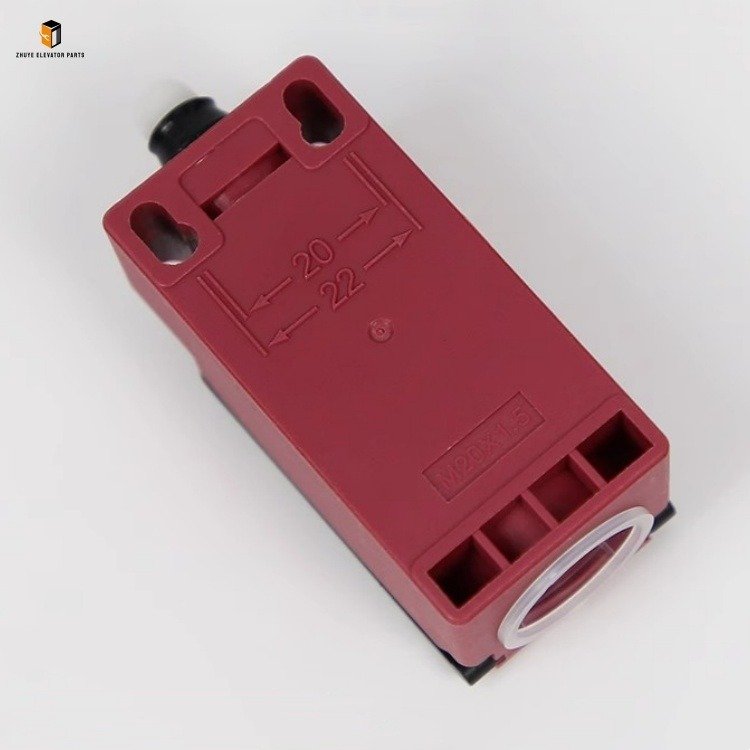
Switch Fixing: Take the SND4111-SP-C limit switch from Nanjing Zhuye Elevatorparts, install it on the dedicated mounting bracket (provided by the brand), and fix the bracket to the preset position at the top and bottom of the shaft with stainless steel bolts (torque: 18–25N·m). Ensure the switch’s trigger lever faces the direction of the car or counterweight, and there is no obstruction around the lever’s movement range.
-
Wiring Connection: According to the elevator’s electrical schematic and Nanjing Zhuye Elevatorparts’ wiring manual, connect the switch’s plug to the elevator controller’s safety circuit. Distinguish between normally open and normally closed contacts; ensure the wiring is correct (incorrect wiring will cause the limit function to fail). Tighten the wiring terminals firmly and use cable ties to fix the wire harness to the shaft wall, preventing friction with moving components.
-
Trigger Calibration: Restore the elevator’s power supply and switch to inspection mode. Operate the car to slowly approach the top and bottom limit positions respectively, and adjust the switch’s mounting position to ensure the trigger lever is pressed when the car reaches the preset limit position, and the switch immediately cuts off the corresponding operation signal. Repeat the calibration 3–5 times to ensure consistent trigger accuracy (trigger error ≤ ±5mm). After calibration, lock all fixing bolts to prevent displacement.
3. Post-Installation Testing & Daily Maintenance
-
Function Testing: Conduct limit function tests in inspection mode: Operate the car to the top limit position, confirm the elevator stops upward operation immediately and the controller displays a limit alarm; operate the car to the bottom limit position, verify the same safety response. Test the switch’s reset function—after moving the car away from the limit position, the switch should reset automatically, and the elevator resumes normal operation.
-
Daily Inspection: Maintenance personnel should check the switch during daily shaft patrols: Observe the switch’s shell for damage, corrosion, or loose mounting; check the trigger lever for deformation, jamming, or wear; inspect the wiring harness for aging, wear, or loose connections; use a multimeter to test the switch’s contact on/off status to ensure it is normal.
-
Regular Maintenance: Every 3 months, clean the switch’s surface and trigger lever with a soft, dry cloth (avoid using corrosive cleaning agents). Every 6 months, apply a small amount of lubricant to the trigger lever’s rotating shaft to ensure flexible movement; use a multimeter to test the switch’s contact resistance and insulation performance. For elevators in harsh environments (high humidity, strong electromagnetic interference, or high dust), shorten the maintenance interval to 1 month.
Recommended Replacement Cycle for Elevator Limit Switch SND4111-SP-C
As a core safety component enduring long-term mechanical trigger wear, environmental erosion (humidity, dust, temperature changes), and elevator vibration, the SND4111-SP-C elevator limit switch has a specified service life. Timely replacement is crucial to avoiding faults such as trigger insensitivity, contact failure, or lever jamming—issues that may lead to the elevator losing limit protection, resulting in overtravel accidents and serious safety risks to passengers and equipment.
1. Standard Replacement Cycle
Under normal operating conditions (elevator daily operation time 12–24 hours, annual trigger times ≤ 500, shaft environment temperature -30℃ to 85℃, humidity 10%–95%), the recommended replacement cycle for the SND4111-SP-C elevator limit switch is 4–6 years. This cycle is determined based on Nanjing Zhuye Elevatorparts’ long-term field operation data, component aging tests, and global user feedback on elevator safety switches.
2. Adjustments for Special Scenarios
-
High-Frequency Trigger & Harsh Environments: For elevators with frequent limit trigger (e.g., elevators in construction sites or with unstable control systems) or in harsh environments (e.g., coastal areas with high salt spray, industrial sites with strong corrosion), the replacement cycle is shortened to 2–3 years. Frequent triggering accelerates contact wear and lever fatigue, while harsh environments cause rapid corrosion of the switch body.
-
Low-Frequency Use & Stable Environments: For elevators with low usage frequency (e.g., villa elevators, small office buildings with daily operation time < 8 hours) and stable shaft environments (constant temperature and humidity, weak electromagnetic interference), the replacement cycle can be extended to 6–8 years—only after Nanjing Zhuye Elevatorparts’ technicians inspect and confirm that the switch’s trigger sensitivity, contact performance, and structural integrity meet factory standards.
3. Immediate Replacement Conditions
Replace the SND4111-SP-C elevator limit switch immediately if any of the following issues occur, regardless of its service life:
-
The switch fails to trigger when the car reaches the limit position, or the trigger is delayed, leading to the car overshooting the preset range.
-
The switch’s contact is stuck (permanently on or off), causing the elevator to be unable to operate normally or lose limit protection.
-
The trigger lever is severely deformed, worn, or jammed, unable to reset automatically after being pressed.
-
The switch’s shell is severely corroded, cracked, or deformed, or the wiring plug is damaged, affecting the switch’s basic function and safety.
In conclusion, the Elevator Limit Switch SND4111-SP-C from Nanjing Zhuye Elevatorparts is a high-quality, highly reliable safety limiting component tailored for modern elevator systems. By following the correct selection, installation, maintenance, and replacement guidelines, elevator maintenance teams can effectively ensure the reliable operation of the elevator’s safety limit system, eliminate potential safety hazards, and safeguard passenger and equipment safety. Choosing Nanjing Zhuye Elevatorparts means you get 100% authentic SND4111-SP-C limit switches, plus professional support—including model matching, on-site installation and calibration guidance, and prompt after-sales service. Trust Nanjing Zhuye Elevatorparts for the safety limiting of your elevator system.