Description
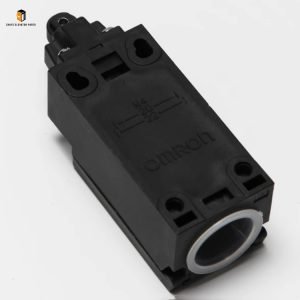
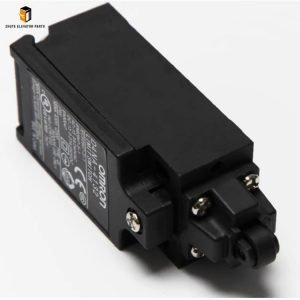
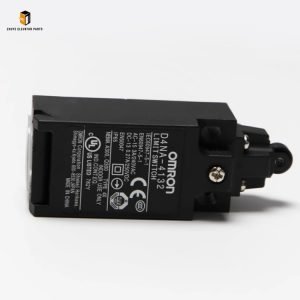
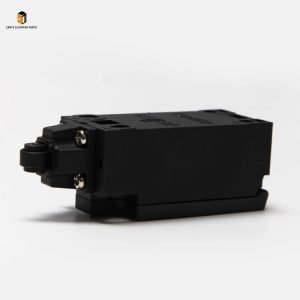
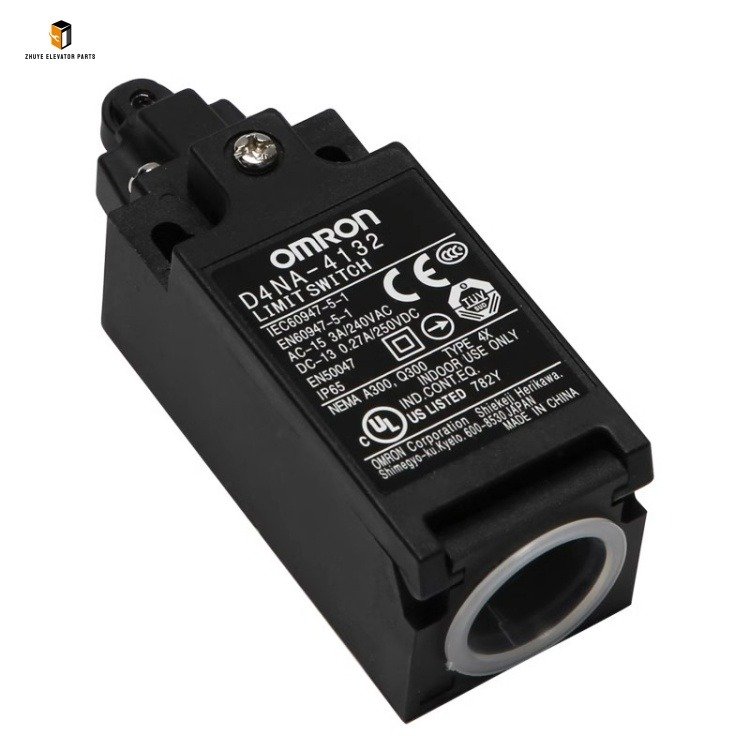
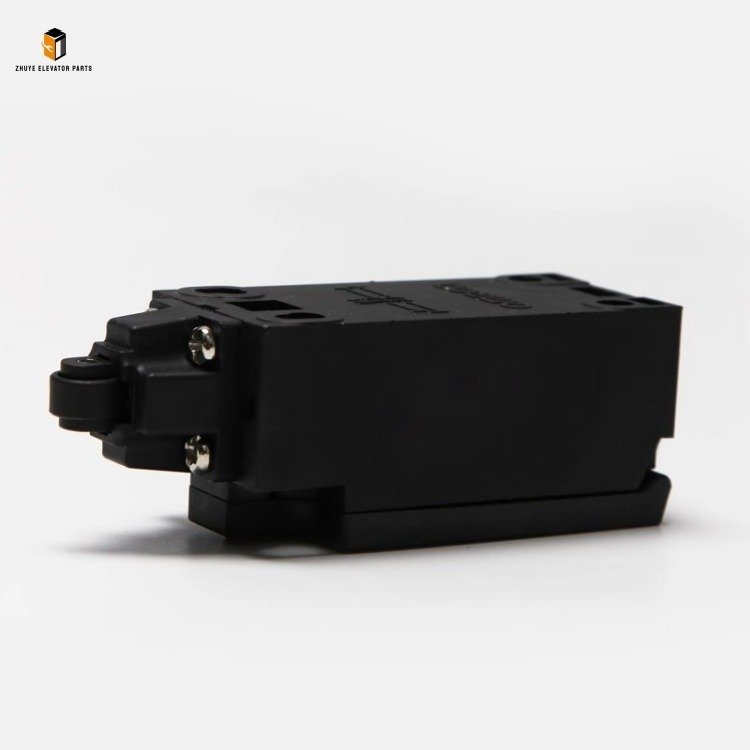
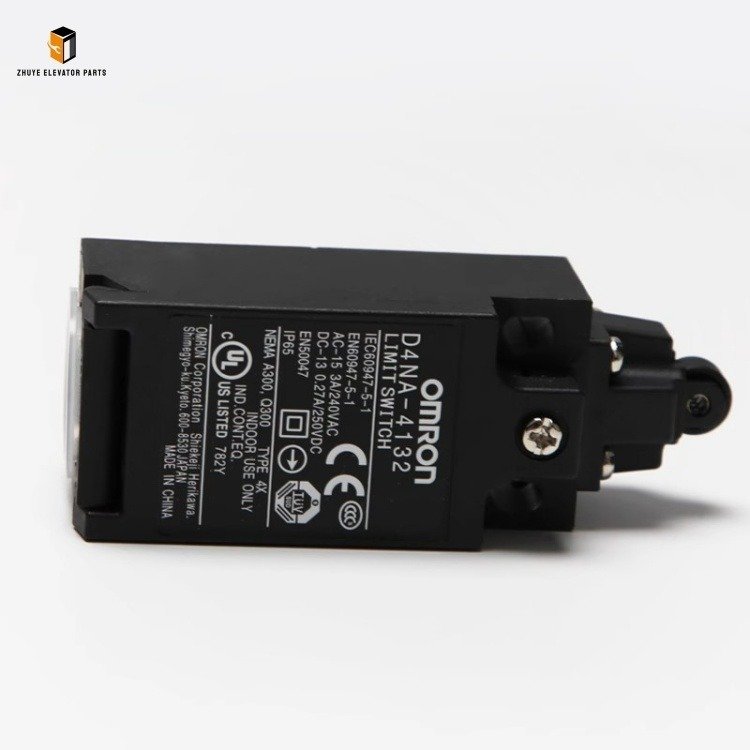
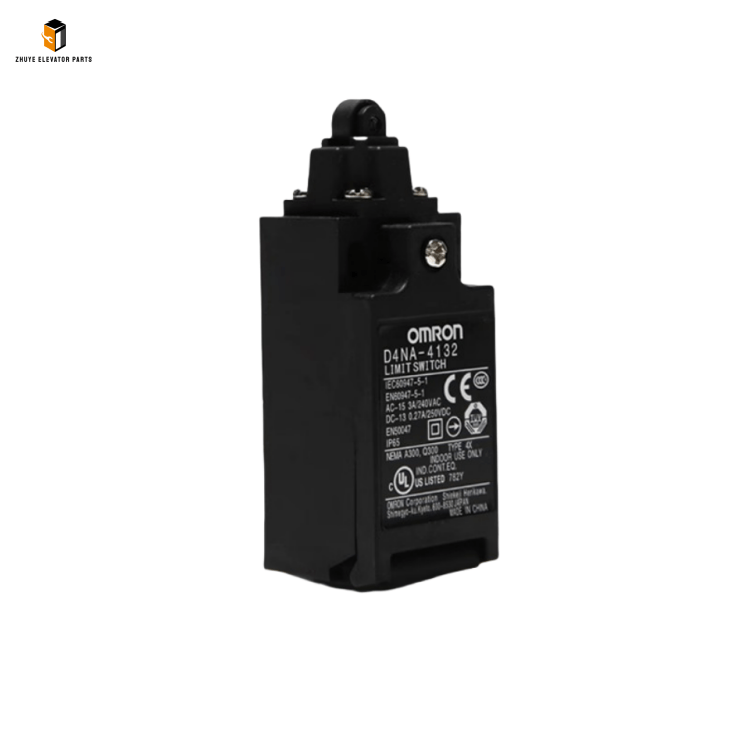
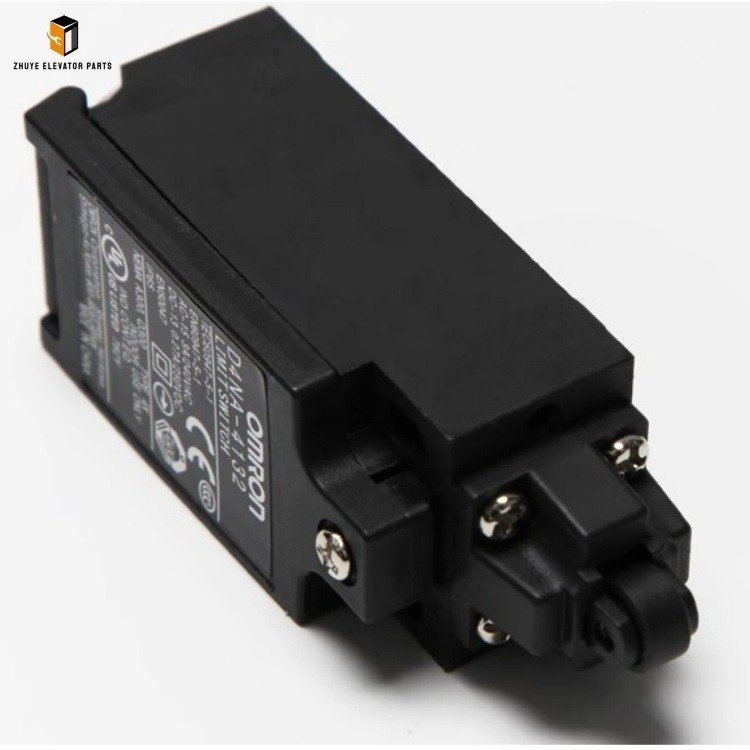
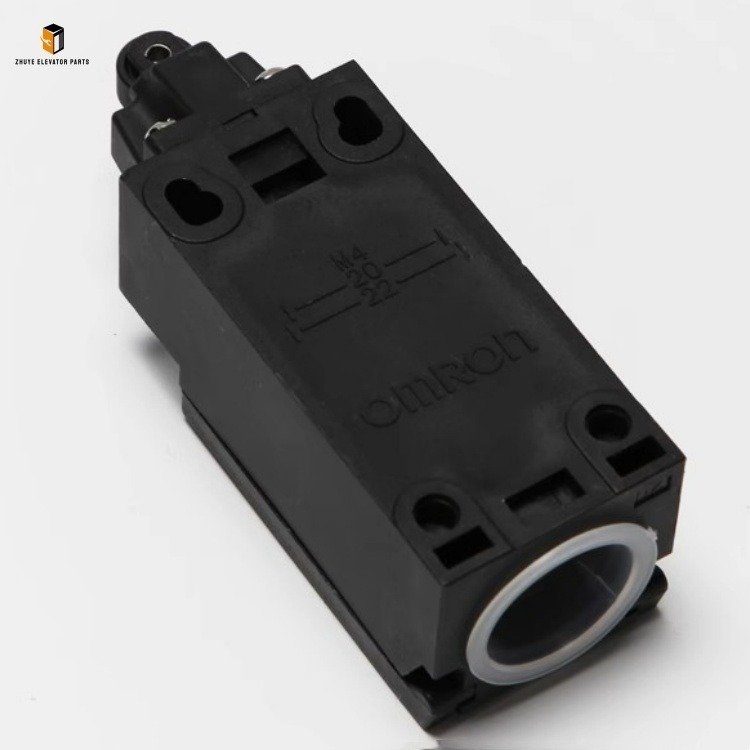
Elevator limit switch D4NA-4132 Brief Introduction
|
Product Name |
Elevator limit switch |
| Model Number | D4NA-4132 |
|
Quality
|
Original.Brand New
|
|
Payment
|
T/T. Paypal. Western Union
|
|
Delivery
|
3-5 Working Days
|
|
Packaging
|
Packed by carton
|
Elevator Limit Switch D4NA-4132: Premium Safety Solution from Nanjing Zhuye Elevatorparts
In the complex ecosystem of elevator systems, the limit switch serves as a critical “safety guardian,” preventing the elevator car from overtraveling (crashing into the top or bottom of the shaft) and ensuring the safety of passengers and equipment. As specified in elevator safety regulations such as GB/T 7588.1-2020 and IEC/EN 60947, this device is a mandatory safety component for preventing overtravel accidents. The Elevator Limit Switch D4NA-4132, exclusively supplied by Nanjing Zhuye Elevatorparts, is engineered to meet the rigorous demands of modern elevator applications. Designed with precision and durability in mind, this limit switch complies with international safety standards, making it compatible with mainstream elevator brands including Schindler, OTIS, and KONE. Whether for new elevator installations or maintenance upgrades, the D4NA-4132 delivers consistent and reliable performance that elevator professionals trust, serving as a core component in the elevator’s multi-layered safety protection system.
Nanjing Zhuye Elevatorparts has always adhered to a strict quality control system, and the D4NA-4132 elevator limit switch is a testament to this commitment. Each unit undergoes comprehensive testing, including contact reliability measurement, mechanical durability trials, environmental resistance testing, and electrical performance assessment. The switch features high-precision mechanical triggers and silver alloy contacts that minimize ablation and oxidation, ensuring sensitive and stable signal transmission even under frequent switching conditions. Its robust shell with IP65 protection rating can resist dust, water splashes, and vibration, adapting to the harsh environment of the elevator shaft which is prone to humidity and debris. Its operating temperature range of -25℃ to 60℃ ensures reliable operation in various climate conditions. Equipped with a reliable reset mechanism, the D4NA-4132 can quickly return to its original state after being triggered, avoiding false alarms or safety hazards caused by failure to reset.
Usage Guide for Elevator Limit Switch D4NA-4132
Proper installation, adjustment, and calibration are essential to maximize the performance and safety of the D4NA-4132 elevator limit switch. Nanjing Zhuye Elevatorparts strongly recommends that only certified elevator maintenance technicians perform these procedures to avoid safety hazards or equipment damage—improper operations may lead to switch failure, resulting in serious overtravel accidents. Before starting, verify that the D4NA-4132 matches the elevator’s rated speed, load, and shaft dimensions—refer to the product manual provided by Nanjing Zhuye Elevatorparts or consult our technical team for clarification.
1. Pre-Installation Preparation
Begin by cutting off the elevator’s main power supply and control system power, then lock the power switch and place a “Maintenance in Progress” warning sign at the machine room and elevator entrances to prevent accidental activation. Fix the elevator car at a safe position using safety supports to avoid unintended movement. Prepare essential tools: a screwdriver, wrench, level ruler, multimeter, and anti-static gloves. Clean the installation position (upper and lower limit areas of the elevator shaft) to remove dust, debris, and oil stains—contaminants are a leading cause of limit switch malfunctions. Inspect the D4NA-4132 switch for any external damage, loose components, or stuck triggers; do not use the product if any defects are found.
2. Installation, Adjustment, Calibration, Adjustment & Wiring
Install the D4NA-4132 limit switch at the preset upper and lower limit positions in the elevator shaft, ensuring the installation surface is flat and firm. Adjust the trigger lever of the switch to ensure it can be accurately triggered when the elevator car reaches the limit position—there should be no excessive gap or tight contact. The trigger stroke must comply with the elevator manufacturer’s specifications to ensure timely cutoff of the running signal. Follow the wiring diagram from Nanjing Zhuye Elevatorparts strictly: connect the signal wires to the corresponding terminals of the elevator main controller, ensuring correct polarity and tight connections. Use shielded wires for signal transmission to reduce electromagnetic interference from the elevator’s traction system. After wiring, use a multimeter to check the continuity and on-off status of the contacts to confirm no open circuits or short circuits exist.
3. Debugging & Daily Operation
After completing installation and wiring, conduct a comprehensive debugging test: Operate the elevator to slowly approach the upper and lower limit positions respectively, and check if the D4NA-4132 switch is triggered accurately. When triggered, the elevator should immediately stop running in the corresponding direction and give an alarm signal. Test the reset function by moving the elevator away from the limit position; the switch should reset automatically and restore normal operation. During daily operation, incorporate the D4NA-4132 into the elevator’s regular inspection plan. Regularly check the switch’s fixed screws for looseness, the trigger lever for deformation, and the signal line for wear or aging. If the elevator shows abnormal phenomena such as difficulty in stopping at the limit position or frequent limit alarms, immediately stop using the elevator and inspect the D4NA-4132 switch to avoid potential accidents.
Replacement Cycle of Elevator Limit Switch D4NA-4132
The replacement cycle of the D4NA-4132 elevator limit switch depends on operating frequency, working environment, and trigger times. Under normal operating parameters—elevator runs 12-24 hours daily, trigger times ≤500 times/day, and the shaft environment is dry and free from severe vibration—Nanjing Zhuye Elevatorparts recommends a replacement cycle of 2-4 years. This timeline aligns with the elevator’s regular inspection cycles and is based on long-term field data, accounting for contact wear, mechanical component fatigue, and performance degradation of the reset mechanism, which are key factors in ensuring elevator safety.
limit switch trigger tim1ith frequent floor changesshaft shaft with persistentsevere vibration, or largeheavy dust, or severe vibration-2triggertriggerthe wear of mechanical components and contactsthe wear of internal componentsswitchfailureswitch corrosion and signal interferenceshaft 4-6sensing accuracy, contactsensing accuracyFor elevators in high-traffic areas (e.g., shopping malls, airports) with frequent heavy-load operation, or in harsh pit environments (persistent humidity, frequent water accumulation, heavy dust, or severe vibration), the replacement cycle should be shortened to 1-2 years. Harsh environments accelerate switch corrosion and component damage, while frequent triggering increases contact wear. For low-usage elevators (e.g., villa elevators, small office buildings with daily operation <8 hours) in stable pit environments, the cycle can be extended to 3-4 years, but annual professional testing by Nanjing Zhuye’s technicians is mandatory. For elevators over 15 years old, which require annual regular inspections, the switch should be thoroughly tested each year, and replacement is recommended if any performance degradation is detected.
Immediately replace the D4NA-4132 limit switch if any of the following issues occur, regardless of service life: Inaccurate triggering (e.g., failure to trigger when reaching the limit position or false triggering), which may lead to dangerous overtravel accidents; Contacts are severely ablated or stuck, resulting in unstable signal transmission; Mechanical components (trigger lever, reset spring) are deformed, damaged, or stuck, causing inflexible operation; The switch fails annual safety testing or elevator regular inspection; Frequent limit-related elevator malfunctions (e.g., abnormal stopping, failure to run) caused by the switch that cannot be resolved through maintenance. Timely replacement is critical to avoiding serious elevator safety accidents, as the limit switch is a core safety component.
The Elevator Limit Switch D4NA-4132 from Nanjing Zhuye Elevatorparts combines high reliability, precise triggering, and strong environmental adaptability to deliver a premium safety solution for elevator systems. By following the recommended usage guidelines and replacement cycles, you can effectively reduce safety risks and ensure the stable operation of the elevator. Nanjing Zhuye Elevatorparts provides 100% authentic D4NA-4132 limit switches, along with professional support including model matching, on-site installation guidance, and timely after-sales service. Choose Nanjing Zhuye Elevatorparts for peace of mind in elevator safety component solutions.
As a vital safety component in elevators, the D4NA-4132 limit switch plays an irreplaceable role in preventing overtravel accidents. Nanjing Zhuye Elevatorparts adheres to the highest quality standards to ensure each D4NA-4132 switch meets international safety requirements. With our professional technical support and high-quality products, you can enhance the safety performance of your elevators and protect the lives and property of passengers.