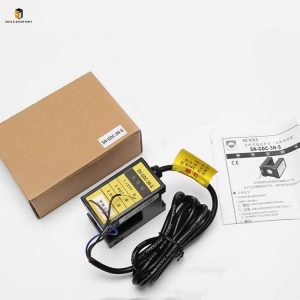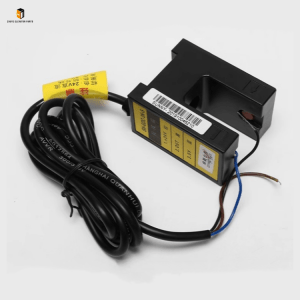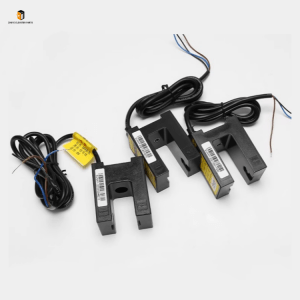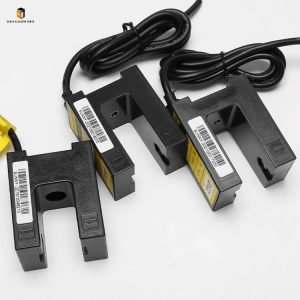


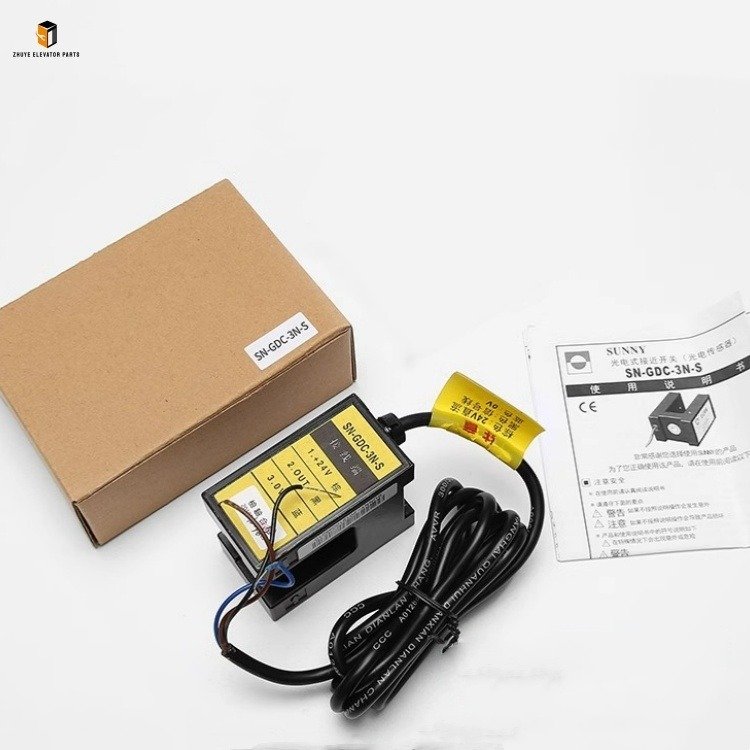
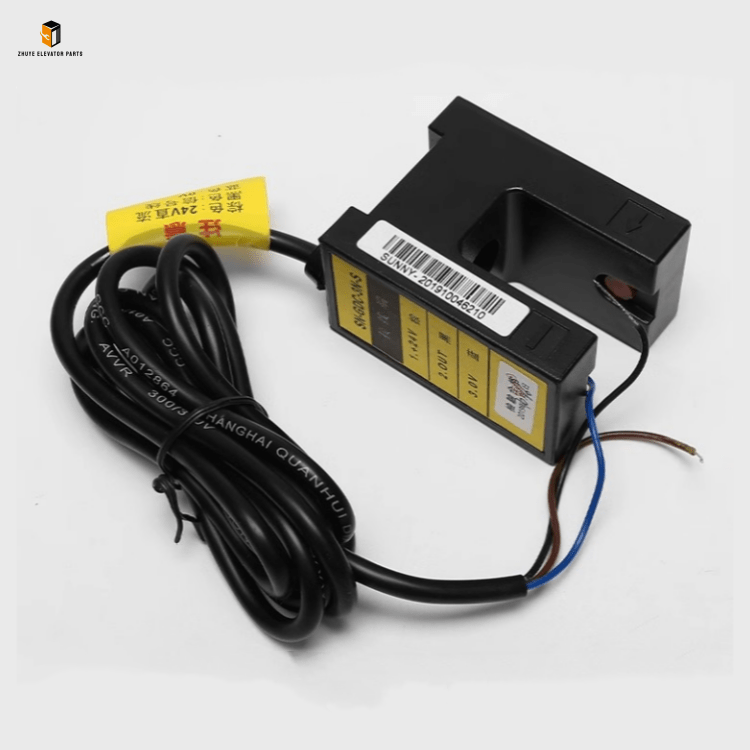
Description
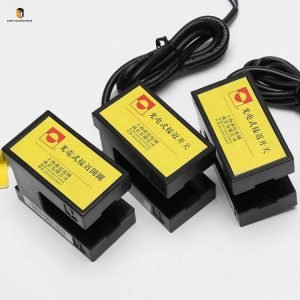
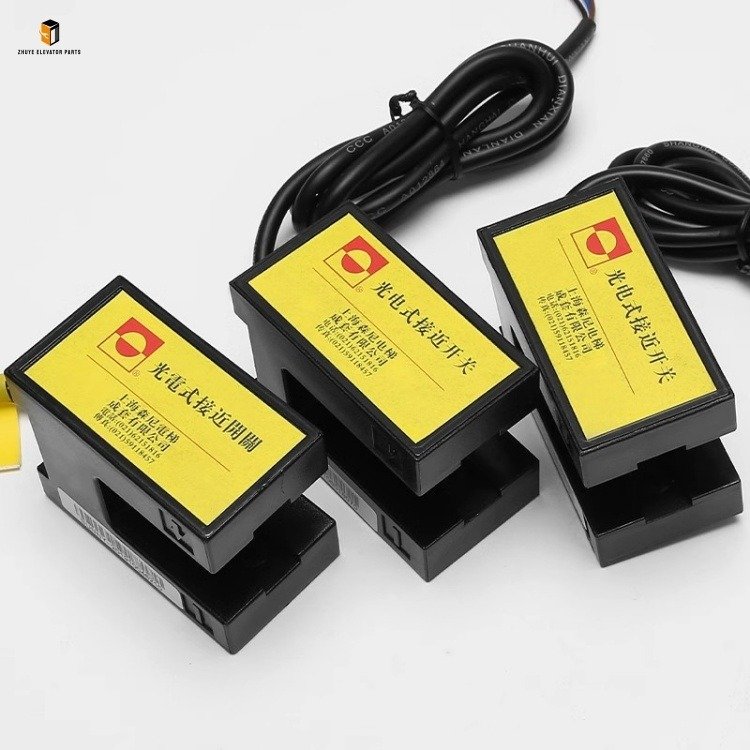
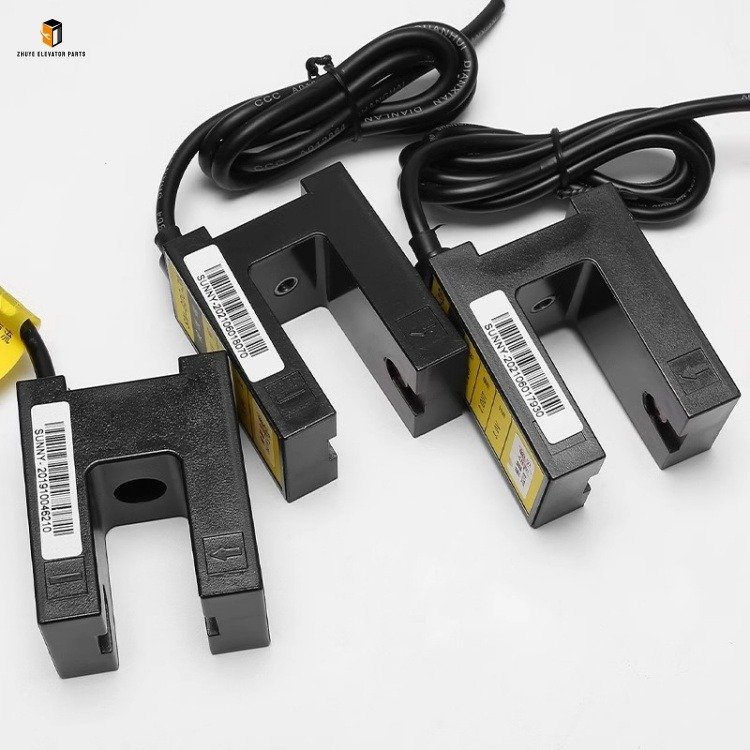
Elevator leveling sensor SN-GDC-3N/3P/3N-S Brief Introduction
|
Product Name |
Elevator leveling sensor |
| Model Number | SN-GDC-3N
SN-GDC-3P SN-GDC-3N-S |
|
Quality
|
Original.Brand New
|
|
Payment
|
T/T. Paypal. Western Union
|
|
Delivery
|
3-5 Working Days
|
|
Packaging
|
Packed by carton
|
Elevator Leveling Sensor SN-GDC-3N/3P/3N-S – Nanjing Zhuye Elevatorparts
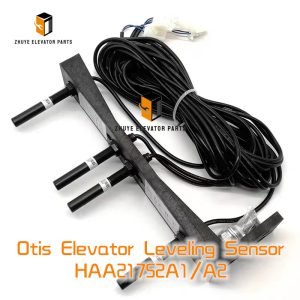
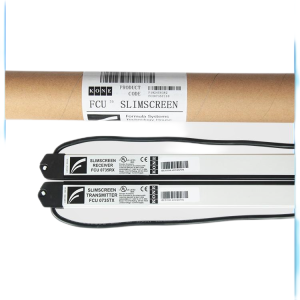
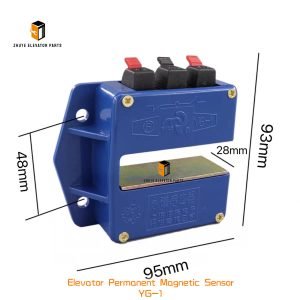
The elevator leveling system is a key guarantee for passenger safety and riding comfort, and the leveling sensor is its “core positioning component.” The Elevator Leveling Sensor SN-GDC-3N/3P/3N-S launched by Nanjing Zhuye Elevatorparts is a high-precision detection component tailored for modern elevator systems. It covers three models (SN-GDC-3N, SN-GDC-3P, SN-GDC-3N-S) to meet the matching needs of different elevator control systems, and is widely compatible with mainstream elevator brands such as Schindler, OTIS, and KONE. This sensor is mainly installed on the elevator car or guide rail, responsible for real-time detection of the car’s position relative to the landing, and transmitting accurate signals to the main controller to ensure the car stops stably and the floor is perfectly aligned. Crafted with high-sensitivity induction components, double-shielded wires, and flame-retardant shells, it meets international elevator safety standards (EN 81-20, GB 7588) and has become a preferred choice for global elevator maintenance teams and manufacturers.
Nanjing Zhuye Elevatorparts adheres to the core philosophy of “Precision Detection, Stable Operation” and implements strict quality control for the SN-GDC-3N/3P/3N-S leveling sensor. Each unit undergoes multi-stage rigorous testing, including positioning accuracy calibration, signal stability verification, anti-interference performance testing, and environmental adaptability assessment. The sensor adopts high-sensitivity photoelectric induction technology, with a positioning error of ≤ ±1mm and a response time of ≤ 10ms, ensuring accurate signal transmission even during high-speed elevator operation. Its shell is made of flame-retardant ABS material with an IP54 protection rating, effectively isolating dust and moisture in the shaft. The built-in double-shielded wire can resist electromagnetic interference from the elevator main engine and frequency converter, ensuring stable operation in complex electrical environments. The standardized interface design allows for direct replacement of original sensors, greatly simplifying maintenance processes.
Usage Guide for Elevator Leveling Sensor SN-GDC-3N/3P/3N-S
Correct selection, installation, and maintenance are essential to giving full play to the performance of the SN-GDC-3N/3P/3N-S leveling sensor. Nanjing Zhuye Elevatorparts strongly recommends that only certified elevator electrical technicians perform related operations to avoid leveling failures or safety hazards caused by misoperation.
1. Model Selection & Pre-Installation Preparation
First, select the appropriate model (SN-GDC-3N/3P/3N-S) according to the elevator control system’s signal type (NPN/PNP) and functional requirements. Consult Nanjing Zhuye Elevatorparts’ technical team if there is any uncertainty about model matching. Then, cut off the elevator’s main power supply and the secondary power supply for sensor control, lock the switch, and place a “Maintenance in Progress” warning sign at the machine room entrance and landing doors. Switch the elevator to inspection mode and move the car to a middle floor to facilitate operation. Finally, prepare professional tools such as a screwdriver, wire stripper, multimeter, and level ruler, and clean the sensor installation area (on the car or guide rail) to remove dust, oil stains, and debris.
2. Installation & Position Calibration
Locate the original leveling sensor position and take photos to record the wiring direction and terminal labels for later reference. Disconnect the wiring of the old sensor according to the labels and remove the old sensor. Inspect the installation bracket for wear or deformation (repair or replace if necessary). Take the new SN-GDC-3N/3P/3N-S sensor from Nanjing Zhuye Elevatorparts, fix it on the bracket with screws, and use a level ruler to ensure the sensor is horizontal. Adjust the distance between the sensor’s detection surface and the guide rail’s leveling plate to 3-5mm (as specified by Nanjing Zhuye). Connect the wires to the corresponding terminals strictly following the photos and the wiring manual, ensuring firm connections and correct polarity. After installation, use a multimeter to test the signal output to confirm it meets the standard parameters.
3. Post-Installation Testing & Daily Maintenance
Restore the power supply, switch the elevator to normal mode, and operate it to run up and down between multiple floors. Observe the leveling effect: the gap between the car floor and the landing floor should be ≤ 2mm, with no overshoot or undershoot. After 100 hours of stable operation, recheck the sensor’s signal stability and installation position. For daily maintenance, inspect the sensor during shaft patrols: check for damage or corrosion on the shell, loose or oxidized wiring terminals, and dust accumulation on the detection surface (clean with a dry cloth if needed). Every 3 months, recheck the detection gap and signal accuracy; every 6 months, perform a comprehensive inspection of the wiring and bracket. Shorten the maintenance interval to 1 month for elevators in high-humidity or high-dust environments.
Replacement Cycle of SN-GDC-3N/3P/3N-S Elevator Leveling Sensor
The replacement cycle of the SN-GDC-3N/3P/3N-S leveling sensor is closely related to operating conditions. Under normal circumstances (elevator daily operation 12-24 hours, shaft temperature -30℃ to 80℃, humidity 10%-95%, no frequent power fluctuations), Nanjing Zhuye Elevatorparts recommends a replacement cycle of 3-4 years. This cycle is formulated based on long-term field operation data, component aging tests, and global user feedback, fully considering the aging of internal electronic components and the impact of the shaft environment on detection performance.
For elevators in high-traffic areas (e.g., large shopping malls, airports with daily operation ≥ 20 hours) or harsh environments (e.g., coastal areas with high salt spray, industrial sites with strong electromagnetic interference), the replacement cycle should be shortened to 1.5-2.5 years. High-frequency operation increases the load on electronic components, while harsh environments accelerate corrosion and signal interference. For low-usage elevators (e.g., villa elevators, small office buildings with daily operation < 8 hours) in stable environments (constant temperature and humidity, stable power supply), the cycle can be extended to 4-5 years, but only after inspection and confirmation by Nanjing Zhuye’s technicians that the sensor’s positioning accuracy and signal stability meet factory standards.
Replace the sensor immediately if any of the following issues occur, regardless of its service life: The elevator’s leveling error exceeds 5mm and cannot be corrected by calibration; the sensor transmits unstable signals (e.g., frequent false alarms, failure to send leveling signals); the sensor shell is severely damaged or corroded, with internal circuits exposed; professional testing shows the response time exceeds 50ms or the signal-to-noise ratio is lower than 40dB, failing to meet positioning requirements.
The SN-GDC-3N/3P/3N-S elevator leveling sensor from Nanjing Zhuye Elevatorparts integrates precision, durability, and compatibility, providing reliable positioning support for elevator systems. By following the correct usage, maintenance, and replacement guidelines, you can effectively ensure the stable operation of the elevator leveling system, eliminate safety hazards, and improve passenger riding experience. Choosing Nanjing Zhuye Elevatorparts means you get 100% authentic SN-GDC-3N/3P/3N-S sensors, as well as professional services including model matching, on-site debugging guidance, and timely after-sales support. Trust Nanjing Zhuye Elevatorparts for the precise positioning of your elevator.