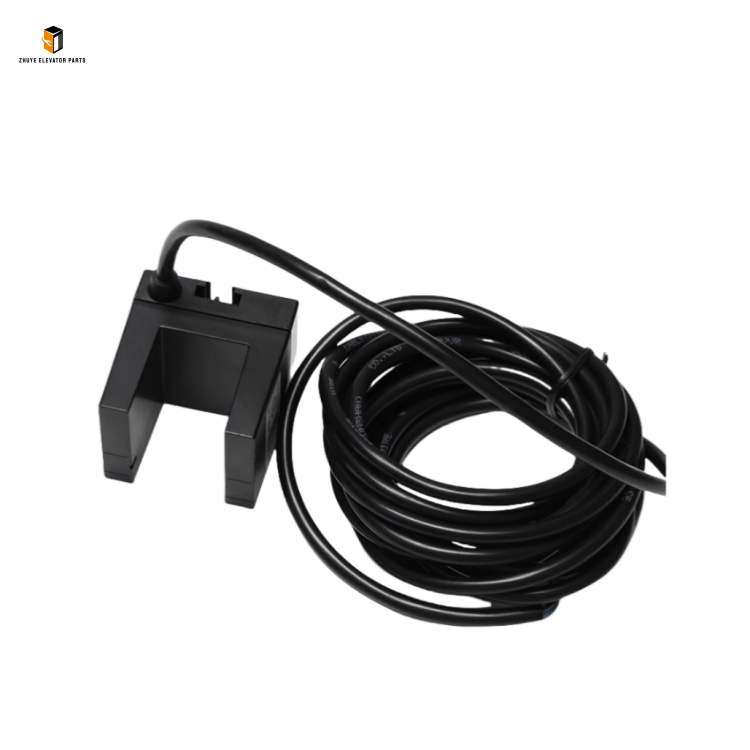
Description
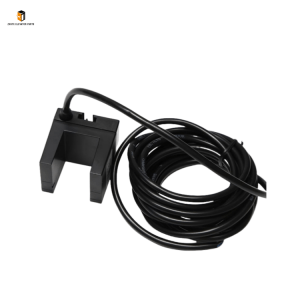
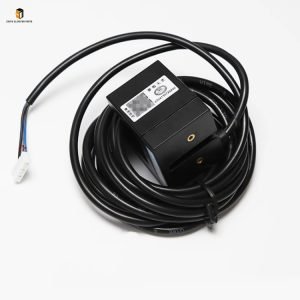
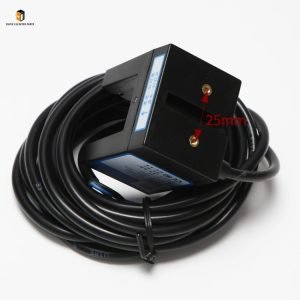
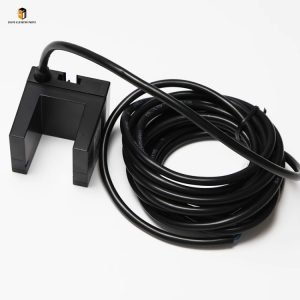
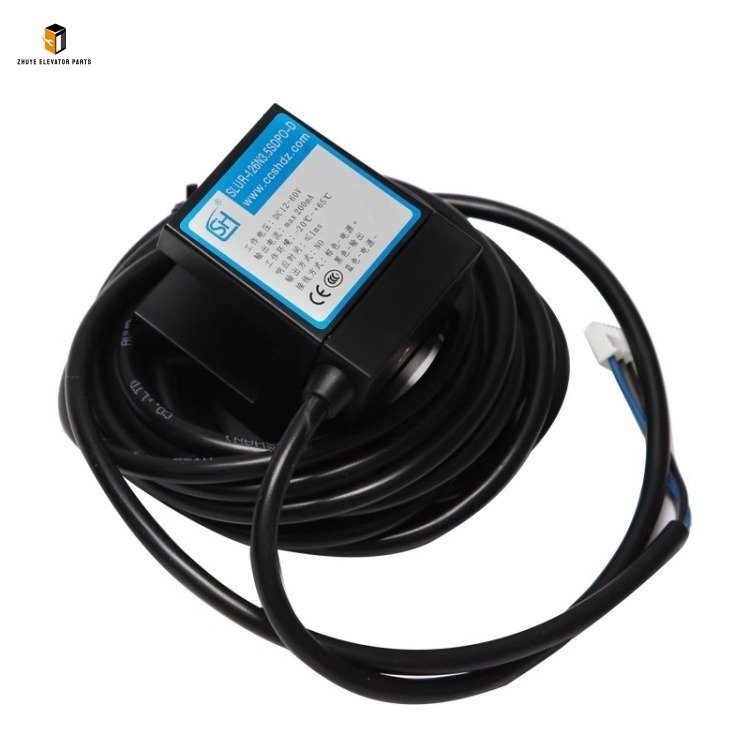
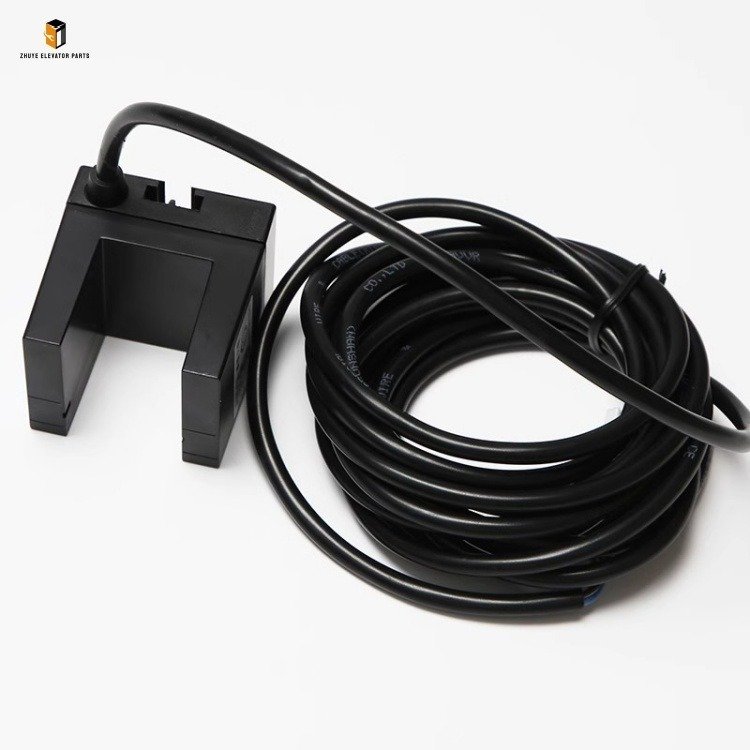
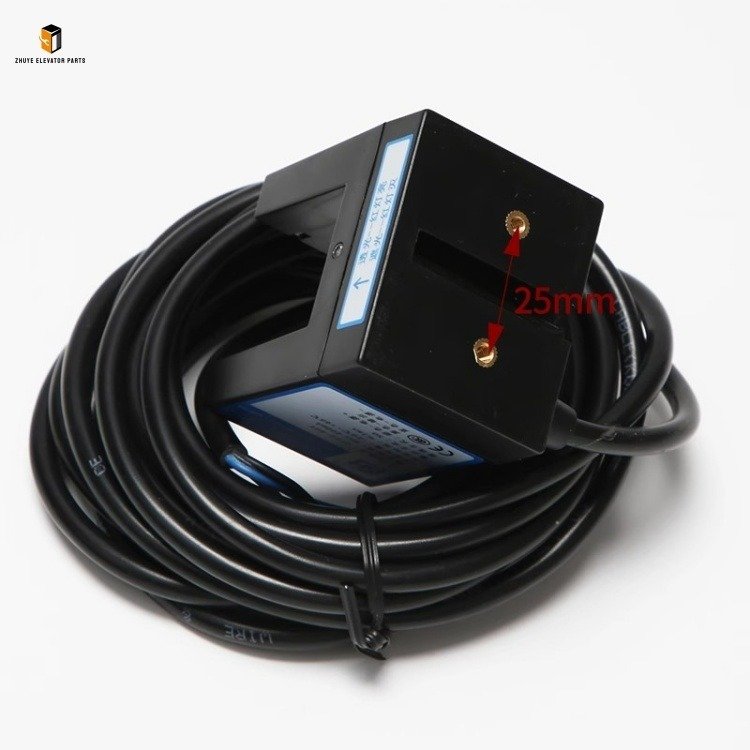
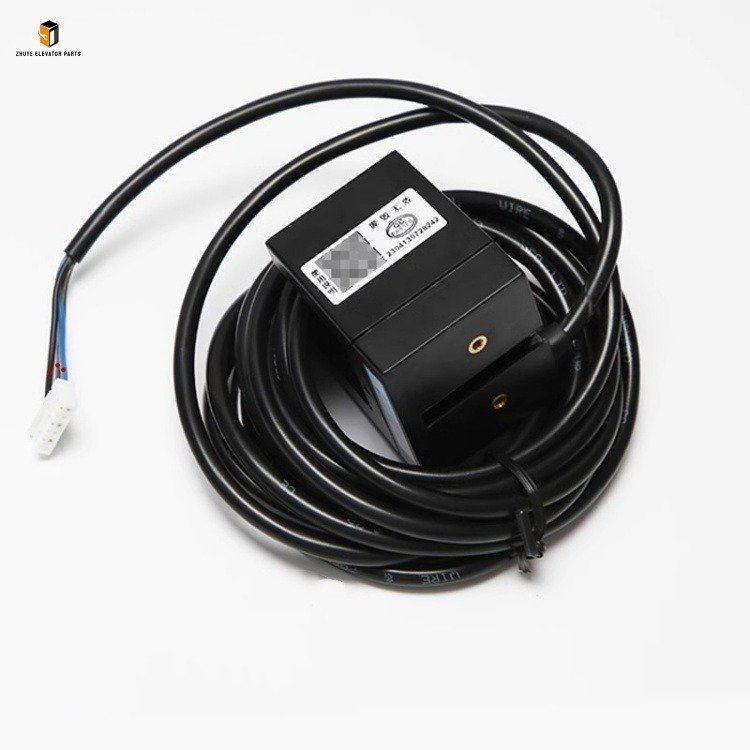
Elevator leveling sensor SLUR-126N3.5SDPO-D Brief Introduction
|
Product Name |
Elevator leveling sensor |
| Model Number | SLUR-126N3.5SDPO-D |
|
Quality
|
Original.Brand New
|
|
Payment
|
T/T. Paypal. Western Union
|
|
Delivery
|
3-5 Working Days
|
|
Packaging
|
Packed by carton
|
Elevator Leveling Sensor SLUR-126N3.5SDPO-D: Precision Positioning Core from Nanjing Zhuye Elevatorparts
Elevator Leveling Sensor SLUR-126N3.5SDPO-D is a critical precision positioning component specifically designed for elevator leveling systems. As the “eye” of elevator position detection, it is mainly installed on the elevator car or guide rail, responsible for detecting the elevator’s real-time position relative to the landing, transmitting accurate signals to the main controller, and controlling the elevator to stop stably at the landing floor—ensuring the car floor is perfectly aligned with the landing floor. This sensor directly affects the comfort and safety of elevator operation, preventing faults such as inaccurate leveling (gap between car and landing), overshoot, or undershoot. Compatible with mainstream elevator control systems (including Schindler, OTIS, and KONE), it is widely used in residential, commercial, and high-speed elevators. Exclusively supplied by Nanjing Zhuye Elevatorparts, a professional provider of high-quality elevator electrical components, the Elevator Leveling Sensor SLUR-126N3.5SDPO-D fully complies with international elevator safety standards (EN 81-20, GB 7588) and sensor technical specifications. Manufactured with premium electronic components and precision calibration technology, it features high positioning accuracy (error ≤ ±1mm), strong anti-interference ability, and stable performance, winning trust from global elevator maintenance teams and manufacturers.
Nanjing Zhuye Elevatorparts adheres to the core philosophy of “Precision Detection, Stable Leveling” and implements strict quality control for the Elevator Leveling Sensor SLUR-126N3.5SDPO-D. Each unit undergoes multi-stage pre-delivery inspections, including positioning accuracy testing, signal stability verification, anti-interference performance detection, and environmental adaptability evaluation. The SLUR-126N3.5SDPO-D sensor adopts advanced materials and technologies: the shell is made of flame-retardant ABS material with IP54 protection rating, effectively isolating dust and moisture in the shaft; the internal core uses high-sensitivity photoelectric or magnetic induction components, ensuring fast response time (≤ 10ms) and accurate signal transmission; the signal line uses double-shielded wire to reduce electromagnetic interference from the elevator main engine and frequency converter; it supports DC 24V power supply and is compatible with NPN/PNP output signals, adapting to different elevator controller requirements. The sensor’s standardized installation interface enables direct replacement with original sensors of most brands, simplifying maintenance operations.
Step-by-Step Usage Guide for Elevator Leveling Sensor SLUR-126N3.5SDPO-D
To maximize the positioning accuracy, service life, and operational stability of the Elevator Leveling Sensor SLUR-126N3.5SDPO-D, strictly follow the professional guidelines provided by Nanjing Zhuye Elevatorparts for selection, installation, and maintenance. Note: Installation and replacement must be performed by certified elevator electrical technicians to avoid misoperation leading to leveling failure or safety hazards.
1. Professional Selection & Pre-Installation Preparation
1. Professional Selection & Pre-Installation Preparation
Prior to selection, confirm the elevator control system model and the original sensor’s technical parameters to ensure it matches SLUR-126N3.5SDPO-D (including power supply voltage, output signal type, and installation dimension). Consult Nanjing Zhuye Elevatorparts’ technical team if unsure about compatibility. Preparation steps: Cut off the elevator’s main power supply and secondary power supply (for sensor control) and lock the switches; place a “Maintenance in Progress” warning sign at the machine room entrance and elevator landing doors; switch the elevator to inspection mode and move the car to a middle floor; locate the original leveling sensor on the car or guide rail; take photos to record the wiring positions and terminal labels; clean the installation position to remove dust, oil stains, and debris; prepare professional tools such as a screwdriver, wire stripper, multimeter, and level ruler.
2. Correct Installation & Position Calibration
-
Old Sensor Removal: Disconnect the wiring of the old sensor according to the recorded labels (avoid wrong connection). Use a screwdriver to remove the fixing screws of the old sensor and take it off gently. Inspect the sensor installation bracket for wear or deformation (repair or replace if damaged).
-
New Sensor Installation: Take the SLUR-126N3.5SDPO-D leveling sensor from Nanjing Zhuye Elevatorparts, fix it to the installation bracket with screws, and ensure the sensor’s detection surface is aligned with the leveling plate on the guide rail (gap ≤ 5mm). Use a level ruler to calibrate the sensor to be horizontal, avoiding deviation affecting detection accuracy. Connect the wiring to the corresponding terminals according to the photos and Nanjing Zhuye’s wiring manual, ensuring firm connection and correct polarity.
-
Position Calibration: Restore the secondary power supply, use a multimeter to test the sensor’s signal output (refer to Nanjing Zhuye’s standard parameter range). Operate the elevator to move slowly to the landing floor, adjust the sensor’s vertical position until the controller receives the leveling signal at the correct position (car floor aligned with landing floor). Mark the sensor’s installation position to facilitate subsequent maintenance and replacement.
3. Post-Installation Testing & Daily Maintenance
3. Post-Installation Testing & Daily Maintenance
-
Function Testing: Restore the main power supply, operate the elevator to run up and down between multiple floors, and check the leveling effect—ensure the car stops stably at each floor with no obvious gap between the car and landing. Use a multimeter to recheck the signal output stability after the first 100 hours of operation.
-
Daily Inspection: Maintenance personnel should check the sensor during daily shaft patrols: Observe the sensor shell for damage, corrosion, or loose installation; check the wiring terminals for looseness, oxidation, or poor contact; inspect the detection surface for dust accumulation (clean with a dry cloth if necessary); check the leveling plate on the guide rail for deformation or displacement (adjust if needed).
-
Regular Maintenance: Every 3 months, recheck the sensor’s installation position and detection gap, adjusting if there is any deviation. Every 6 months, use a professional detector to test the sensor’s positioning accuracy and signal response time (refer to Nanjing Zhuye’s standard range). For elevators in high-humidity, high-dust, or strong-electromagnetic-interference environments, shorten the maintenance interval to 1 month and enhance the sensor’s protective measures.
Recommended Replacement Cycle for Elevator Leveling Sensor SLUR-126N3.5SDPO-D
As a core positioning component enduring long-term environmental erosion (humidity, dust, temperature changes), electrical aging, and mechanical vibration, the Elevator Leveling Sensor SLUR-126N3.5SDPO-D has a specified service life. Timely replacement is crucial to avoiding faults such as reduced positioning accuracy, delayed signal response, or complete failure—issues that may lead to elevator inaccurate leveling, overshoot/undershoot, or even failure to stop at the floor, affecting passenger safety and comfort.
-
High-Frequency Use & Harsh Environments: For elevators in high-traffic areas (e.g., large shopping malls, airports with daily operation time ≥ 20 hours) or harsh environments (e.g., coastal areas with high salt spray, industrial sites with strong electromagnetic interference/power fluctuations), the replacement cycle is shortened to 1–1.5 years. High-frequency brake operation accelerates probe wear, while harsh environments cause rapid corrosion and electrical component failure.
-
Low-Frequency Use & Stable Environments: For elevators with low usage frequency (e.g., villa elevators, small office buildings with daily operation time < 8 hours) and stable environments (constant temperature and humidity, stable power supply), the replacement cycle can be extended to 3–4 years—only after Nanjing Zhuye Elevatorparts’ technicians inspect and confirm that the switch’s signal accuracy, probe wear degree, and insulation performance meet factory standards.
1. Standard Replacement Cycle
Under normal operating conditions (elevator daily operation time 12–24 hours, operating environment temperature -30℃ to 80℃, humidity 10%–95%, no frequent power fluctuations), the recommended replacement cycle for the Elevator Leveling Sensor SLUR-126N3.5SDPO-D is 3–4 years. This cycle is determined based on Nanjing Zhuye Elevatorparts’ long-term field operation data, component aging tests, and global user feedback. The cycle fully considers the aging of internal electronic components and the impact of the shaft environment on detection performance.
Word count: About 800
In conclusion, the Elevator Hall Door Spring OP800 from Nanjing Zhuye Elevatorparts is a high-quality, precision-matched elastic component tailored for modern elevator hall door systems. By following the correct selection, installation, maintenance, and replacement guidelines, elevator maintenance teams can effectively ensure the smooth and reliable operation of the elevator hall door system, eliminate potential safety hazards caused by spring failure, and improve passenger experience. Choosing Nanjing Zhuye Elevatorparts means you get 100% authentic OP800 hall door springs with stable performance, plus professional support—including model matching, on-site installation guidance, and prompt after-sales service. Trust Nanjing Zhuye Elevatorparts for the stable reset and buffer of your elevator hall door system.
2. Adjustments for Special Scenarios
-
High-Frequency Use & Harsh Environments: For elevators in high-traffic areas (e.g., large shopping malls, airports with daily operation time ≥ 20 hours) or harsh environments (e.g., coastal areas with high salt spray, industrial sites with strong electromagnetic interference/power fluctuations), the replacement cycle is shortened to 1.5–2.5 years. High-frequency operation increases the load on electronic components, while harsh environments accelerate corrosion and signal interference.
-
Low-Frequency Use & Stable Environments: For elevators with low usage frequency (e.g., villa elevators, small office buildings with daily operation time < 8 hours) and stable environments (constant temperature and humidity, stable power supply), the replacement cycle can be extended to 4–5 years—only after Nanjing Zhuye Elevatorparts’ technicians inspect and confirm that the sensor’s positioning accuracy, signal stability, and response time meet factory standards.
3. Immediate Replacement Conditions
Replace the Elevator Leveling Sensor SLUR-126N3.5SDPO-D immediately if any of the following issues occur, regardless of its service life:
In conclusion, the Elevator Door Operator Belt O-1400Li from Nanjing Zhuye Elevatorparts is a high-quality, precision-matched transmission component tailored for modern elevator door operator systems. By following the correct selection, installation, maintenance, and replacement guidelines, elevator maintenance teams can effectively ensure the smooth and reliable operation of the elevator door system, eliminate potential safety hazards caused by belt failure, and improve passenger experience. Choosing Nanjing Zhuye Elevatorparts means you get 100% authentic O-1400Li door operator belts with stable performance, plus professional support—including model matching, on-site installation guidance, and prompt after-sales service. Trust Nanjing Zhuye Elevatorparts for the smooth transmission of your elevator door system.
Word count: About 800
In conclusion, the Elevator Leveling Sensor SLUR-126N3.5SDPO-D from Nanjing Zhuye Elevatorparts is a high-quality, precision-matched positioning component tailored for modern elevator leveling systems. By following the correct selection, installation, maintenance, and replacement guidelines, elevator maintenance teams can effectively ensure the accurate and stable operation of the elevator leveling system, eliminate potential safety hazards caused by sensor failure, and improve passenger experience. Choosing Nanjing Zhuye Elevatorparts means you get 100% authentic SLUR-126N3.5SDPO-D leveling sensors with stable performance, plus professional support—including model matching, on-site debugging guidance, and prompt after-sales service. Trust Nanjing Zhuye Elevatorparts for the precision positioning of your elevator system.
Word count: About 800
-
The switch fails to trigger when the elevator reaches the limit position, or triggers accidentally during normal operation—affecting the elevator’s safe operation.
-
The switch shell is severely damaged or corroded, the internal circuit is exposed, or the waterproof seal of ZR236-11Y fails—posing short-circuit or electric shock risks.
-
The trigger lever is deformed, stuck, or cannot reset automatically—leading to abnormal switch status.
-
Professional testing confirms that the switch’s contact resistance exceeds 100mΩ or the insulation resistance is lower than 1MΩ, failing to meet basic electrical performance requirements.
Safety Limit Switch (TR236-11Y/ZR236-11Yscenario-tailored safety protection solution for modern elevatorsafety prote caused by switch failureTR236-11Y/ZR236-11Y limit switchemodeldebuggingafe operationIn conclusion, the Elevator Brake Controller Series (EMBP-220/EMK-BZ210D/EMK-BZ210E) from Nanjing Zhuye Elevatorparts is a high-quality, scenario-tailored safety control solution for modern elevator brake systems. By following the correct selection, installation, maintenance, and replacement guidelines, elevator maintenance teams can effectively ensure the reliable operation of the elevator brake system, eliminate potential safety hazards caused by controller failure, and safeguard passenger and equipment safety. Choosing Nanjing Zhuye Elevatorparts means you get 100% authentic EMBP-220/EMK-BZ210D/EMK-BZ210E controllers, plus professional support—including model matching, on-site debugging guidance, and prompt after-sales service. Trust Nanjing Zhuye Elevatorparts for the safe braking control of your elevator system.