

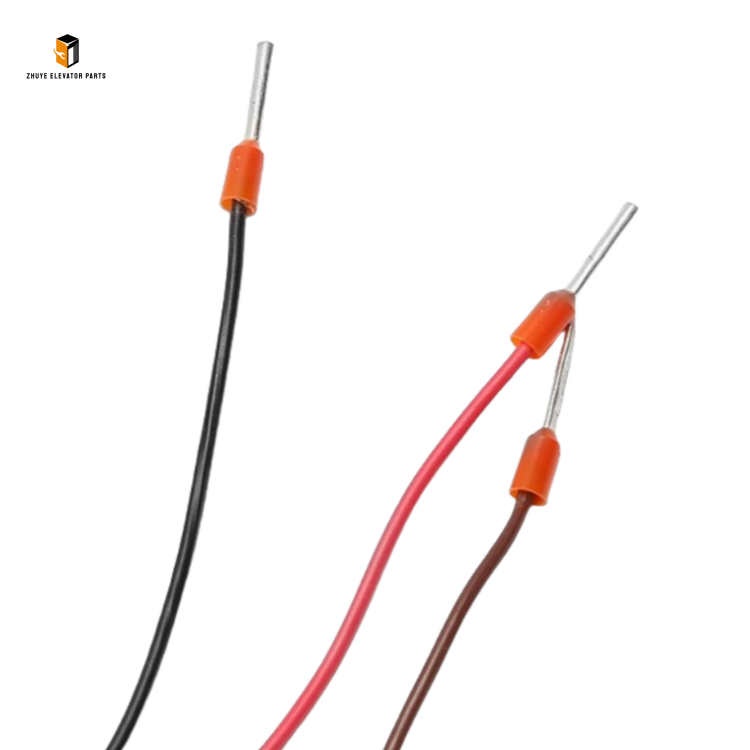


Description
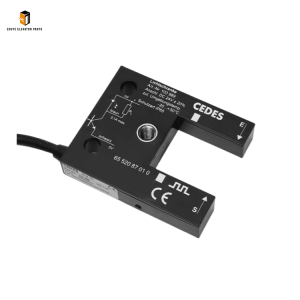
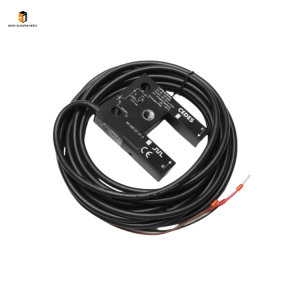
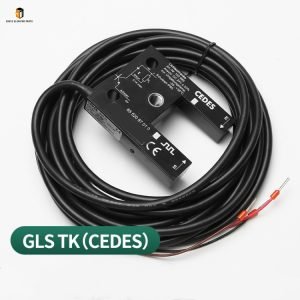
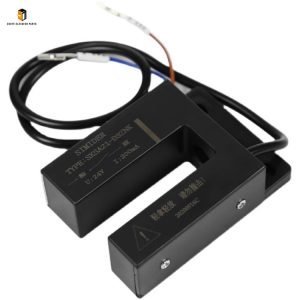
Elevator Leveling Sensor GLS TK Brief Introduction
|
Product Name |
Elevator Leveling Sensor |
| Model Number | GLS TK |
|
Quality
|
Original.Brand New
|
|
Payment
|
T/T. Paypal. Western Union
|
|
Delivery
|
3-5 Working Days
|
|
Packaging
|
Packed by carton
|
Elevator Leveling Sensor GLS TK: Precision Positioning Core from Nanjing Zhuye Elevatorparts
Elevator Leveling Sensor GLS TK is a critical precision sensing component engineered for elevator leveling systems, tasked with real-time detecting the elevator car’s relative position to the floor and transmitting accurate signals to the main controller. As the “positioning core” of modern elevators, this sensor ensures the car stops with ultra-high precision (leveling deviation ≤ 2mm), achieving seamless alignment between the car door and landing door. This not only significantly enhances passenger ride comfort but also eliminates safety hazards such as tripping caused by uneven leveling. Exclusively supplied by Nanjing Zhuye Elevatorparts, a professional and trusted provider of high-quality elevator electrical components, theElevator Leveling Sensor GLS TK fully complies with stringent international elevator safety standards (EN 81-20, GB 7588) and sensor technical regulations (IEC 60947). Boasting superior positioning accuracy, strong anti-interference capability, and broad compatibility with mainstream elevator control systems, the GLS TK sensor is widely utilized in residential buildings, commercial complexes, high-speed elevators, and industrial elevators across the globe.
Nanjing Zhuye Elevatorparts adheres to the core philosophy of “Precision Sensing, Stable Positioning” and implements rigorous quality control throughout the production and inspection process of the Elevator Leveling Sensor GLS TK. Each unit undergoes a multi-stage pre-delivery inspection protocol, including positioning accuracy testing, signal stability verification, anti-interference performance trials, and extreme environmental adaptability detection. The GLS TK sensor adopts advanced inductive sensing technology and premium materials: its high-sensitivity sensing element ensures rapid signal response (response time ≤ 1ms), enabling timely feedback even for high-speed elevators; the fully shielded metal shell (IP54 protection rating) effectively resists electromagnetic interference from elevator frequency converters and erosion from dust, humidity, and corrosive substances in the shaft; the internal components are designed to withstand high temperatures (≤ 85℃), adapting to long-term operation in harsh shaft environments. With standardized mounting dimensions and interface specifications, the GLS TK sensor allows for quick and seamless installation, eliminating the need for complex modifications to existing elevator systems.
Step-by-Step Usage Guide for Elevator Leveling Sensor GLS TK
To maximize the performance and service life of the Elevator Leveling Sensor GLS TK, and to ensure the safe and reliable operation of the elevator leveling system, strictly follow the professional guidelines provided by Nanjing Zhuye Elevatorparts for installation, debugging, and maintenance:
1. Professional Installation & Wiring
Installation must be conducted by certified elevator technicians proficient in elevator leveling systems. Prior to installation, use the detailed compatibility manual provided by Nanjing Zhuye Elevatorparts to confirm that the GLS TK sensor is compatible with the target elevator’s speed, load capacity, and control system. The installation steps are as follows:
-
Safety Preparation: Cut off the elevator’s main power supply and lock the power switch to prevent accidental power-on. Secure the elevator car to a safe position (aligned with a floor) using a mechanical support to avoid unexpected movement. Thoroughly clean the sensor mounting position on the car frame or guide rail, removing dust, oil stains, and debris that may affect sensing accuracy.
-
Sensor Installation: Fix the GLS TK sensor to the dedicated mounting bracket using high-strength bolts provided by Nanjing Zhuye Elevatorparts. Ensure the sensor’s sensing surface is accurately aligned with the leveling plate on the guide rail (alignment deviation ≤ 1mm) and adjust the distance between the sensor and the leveling plate to the standard range (3–7mm). Tighten all bolts evenly to prevent displacement caused by car vibration during operation.
-
Wiring Operation: In accordance with the elevator control system wiring diagram, connect the sensor’s signal cables (power supply and signal output) to the corresponding interfaces of the main controller. Ensure correct wiring polarity, tight terminal connections, and reliable insulation. Use cable ties to neatly fix the cables, avoiding contact with elevator moving parts or high-voltage components to minimize interference. Confirm that the sensor’s power supply (DC 12V/24V) matches the controller’s requirements.
-
Post-Installation Debugging: Restore the power supply and switch the elevator to inspection mode. Operate the car to move up and down across different floors, using a professional multimeter to check the sensor’s signal output—ensure the signal is stable and switches accurately when the car passes the leveling plate. If the leveling deviation exceeds 2mm, adjust the sensor’s position or sensing distance accordingly. Conduct multiple leveling tests to confirm the car stops stably and accurately at each floor.
2. Daily Operation & Routine Inspection
Regular inspections and maintenance are essential to early fault detection and ensuring the long-term stable operation of the GLS TK sensor. Maintenance personnel should integrate the following checks into their daily patrol routines:
-
Daily Visual Inspection: During shaft patrols, carefully check the external condition of the GLS TK sensor. Ensure the shell is free of deformation, cracks, or corrosion; the signal cables are intact without aging, wear, or loose connections; and the mounting bolts are tight. Observe the elevator’s leveling process to identify any abnormal phenomena, such as obvious leveling deviation or repeated adjustments when stopping, which may indicate sensor faults.
-
Weekly Signal Check: Use a multimeter to detect the sensor’s input voltage and signal output status, ensuring all parameters are within the standard range. Connect to the elevator controller’s self-test interface to verify the consistency between the sensor’s positioning data and the actual leveling status. Record all test data for trend analysis and promptly troubleshoot any abnormal deviations.
-
Monthly Cleaning & Calibration: Clean the sensor’s sensing surface and the leveling plate with a soft, dry cloth to remove dust, debris, and oxide layers. Recheck the distance between the sensor and the leveling plate, adjusting if any deviation occurs due to long-term vibration. Test the leveling accuracy during peak operation hours to verify the sensor’s anti-interference performance.
Recommended Replacement Cycle for Elevator Leveling Sensor GLS TK
As a core precision component, the Elevator Leveling Sensor GLS TK endures long-term continuous sensing, frequent signal transmission, and harsh environmental erosion—including humidity, dust, vibration, and electromagnetic interference. Over time, these factors can lead to component aging and performance degradation. Timely replacement is critical to avoiding faults such as reduced positioning accuracy, signal loss, delayed response, or false signals, which may cause elevator leveling deviation, difficulty in door opening, or even passenger safety accidents.
1. Standard Replacement Cycle
Under normal operating conditions (elevator daily operation time 12–24 hours, daily leveling cycles ≥ 1200, environment temperature -10–60℃, humidity 10%–95%), the recommended replacement cycle for the Elevator Leveling Sensor GLS TK is4–5 years. This cycle is determined based on Nanjing Zhuye Elevatorparts’ long-term field operation data, sensor component aging tests, and global user feedback on elevator leveling systems.
2. Adjustments for Special Scenarios
-
Harsh Environments & High-Traffic Scenarios: For elevators operating in high-humidity coastal areas (exposed to salt spray corrosion), high-dust construction sites, high-voltage interference environments, or high-traffic areas (e.g., shopping malls, airports) with daily leveling cycles ≥ 2000, the replacement cycle should be shortened to 2–3 years. Harsh conditions and frequent use accelerate shell corrosion, internal component aging, and signal cable wear, significantly reducing the sensor’s reliability.
-
Low-Frequency Use Scenarios: For elevators with low usage frequency (e.g., villa elevators, small office buildings with daily operation time < 8 hours) and stable shaft environments, the replacement cycle can be extended to5–6 years—only if Nanjing Zhuye Elevatorparts’ professional technicians conduct an inspection and confirm that the sensor’s positioning accuracy, signal stability, and anti-interference performance are intact and consistent with original factory standards.
3. Immediate Replacement Conditions
Replace the Elevator Leveling Sensor GLS TK immediately if any of the following issues occur, regardless of its service life:
-
The sensor has no signal output or transmits frequent false signals, leading to elevator leveling deviation exceeding 5mm, repeated adjustments when stopping, or failure to open doors normally. If the fault persists after wiring inspection and position calibration, replacement is mandatory.
-
The sensor’s positioning accuracy is severely reduced (deviation > 5mm) and cannot be corrected through adjustment, seriously affecting passenger safety and ride experience.
-
The sensor shell is severely damaged, the sensing surface is scratched or contaminated (unrepairable), or the signal cable is broken and cannot be repaired.
-
The sensor fails the performance test (e.g., response time > 3ms, signal error rate > 3%), failing to meet the operational requirements of the elevator leveling system.
In conclusion, the Elevator Leveling Sensor GLS TK supplied by Nanjing Zhuye Elevatorparts is a high-quality, reliable precision positioning component tailored for modern elevator systems. By adhering to the correct usage methods, maintenance schedules, and replacement cycles outlined above, elevator maintenance teams can effectively ensure the stable and precise operation of the elevator leveling system, enhance passenger satisfaction, and minimize safety risks. Choosing Nanjing Zhuye Elevatorparts means you not only get 100% authentic GLS TK sensors but also access to professional technical support—including model matching guidance, on-site installation and debugging advice, and prompt after-sales service. Trust Nanjing Zhuye Elevatorparts for your elevator’s precision and safety needs.