

Description
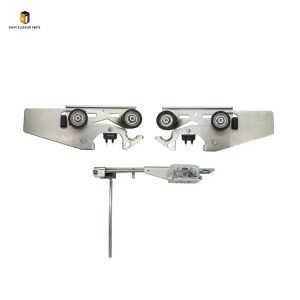
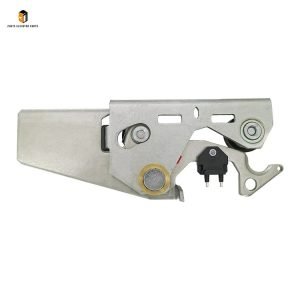
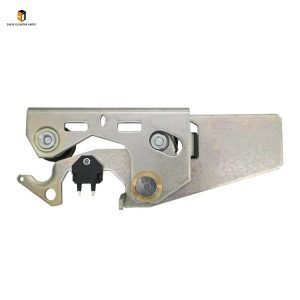
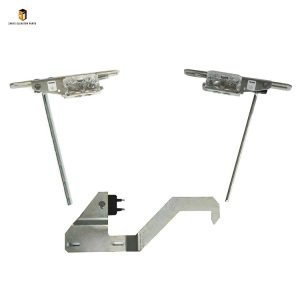
Elevator hall door lock device DCAF3A Brief Introduction
|
Product Name |
Elevator hall door lock device |
| Model Number | DCAF3A |
|
Quality
|
Original.Brand New
|
|
Payment
|
T/T. Paypal. Western Union
|
|
Delivery
|
3-5 Working Days
|
|
Packaging
|
Packed by carton
|
Elevator Hall Door Lock Device DCAF3A: Core Safety Component from Nanjing Zhuye Elevatorparts
The elevator hall door lock device is the “last line of defense” for elevator safety, installed at each floor’s hall door to prevent the hall door from being opened abnormally when the elevator car is not at the landing. It directly blocks the risk of passengers falling into the hoistway and ensures the safe operation of the elevator. The Elevator Hall Door Lock Device DCAF3A, exclusively supplied by Nanjing Zhuye Elevatorparts, is meticulously designed for modern passenger and freight elevators. Fully compliant with international standards such as IEC/EN 60947 and GB 7588, this hall door lock integrates a reliable mechanical locking mechanism, sensitive electrical safety contacts, and a stable automatic reset device. It is compatible with mainstream elevator brands including Schindler, OTIS, KONE, and domestic well-known brands, widely used in residential buildings, commercial complexes, airports, subway stations, and office buildings, providing a solid safety guarantee for elevator operation.
Nanjing Zhuye Elevatorparts adheres to strict quality control standards, and the DCAF3A Elevator Hall Door Lock Device is a concentrated embodiment of this philosophy. Each lock device undergoes multiple rigorous tests before leaving the factory, including mechanical locking force testing, electrical contact reliability detection, high-temperature (up to 80℃) and low-temperature (down to -30℃) resistance tests, and corrosion resistance tests. The lock body adopts high-strength alloy steel, which has excellent wear resistance and impact resistance, ensuring stable locking performance even after long-term use. The electrical safety contacts are made of silver alloy, with low contact resistance and strong oxidation resistance, ensuring the reliable connection of the elevator safety circuit. The surface of the lock device is treated with electrophoretic coating, which can effectively resist the erosion of dust, moisture, and other factors in the hoistway. In addition, the built-in automatic reset mechanism can ensure that the hall door is reliably locked after each opening, avoiding safety hazards caused by incomplete door closing.
Usage Guide for Elevator Hall Door Lock Device DCAF3A
Correct installation, debugging, and daily maintenance are crucial to ensuring the safety performance of the DCAF3A Hall Door Lock Device. Nanjing Zhuye Elevatorparts strongly recommends that only professional and certified elevator maintenance technicians perform installation and debugging operations, as the hall door lock involves core safety components, and improper operation may lead to serious safety accidents. Before use, confirm that the model, installation dimensions, and electrical parameters of the lock device are completely consistent with the elevator hall door system. For detailed installation steps, wiring diagrams, and parameter setting standards, refer to the product manual provided by Nanjing Zhuye Elevatorparts, or contact our technical support team for professional guidance.
1. Pre-Installation Preparation
First, cut off the main power supply of the elevator and lock the power switch, place a “Maintenance in Progress” warning sign at the elevator entrance and machine room, and set up safety barriers around the landing to prevent accidental access. Prepare professional tools such as screwdrivers, torque wrenches, multimeters, and wire strippers. Clean the installation position of the hall door lock (on the hall door frame and door leaf) to remove dust, debris, and oil stains, as these impurities may affect the fitting accuracy of the lock mechanism. Carefully inspect the DCAF3A Hall Door Lock Device for external damage, such as cracks on the lock body, damage to the locking hook, or loose electrical terminals. Use a multimeter to test the continuity of the electrical safety contacts to ensure no open circuit or poor contact.
2. Installation & Wiring
Install the fixed part of the DCAF3A Hall Door Lock Device on the hall door frame, and fix the moving part on the door leaf, ensuring that the two parts are accurately aligned when the door is closed. Note that the tightening torque of the fixing screws should be strictly in accordance with the specifications provided by Nanjing Zhuye Elevatorparts to avoid deformation of the lock body. According to the wiring diagram, connect the electrical safety contacts of the lock device to the elevator safety circuit. The wire stripping length should be controlled at 6-8mm to prevent short circuits caused by wire exposure, and the wiring terminals should be tightened to ensure reliable contact. After installation, manually open and close the hall door several times to check whether the locking hook can be smoothly engaged and disengaged, and whether the automatic reset function is normal. Ensure that the hall door can be reliably locked when closed, and the electrical safety circuit is connected.
3. Debugging & Daily Use
After installation, restore the power supply and conduct systematic debugging. First, test the interlocking function: when the hall door is not closed and locked, the elevator should not start or run, which confirms that the electrical safety circuit is effective. Operate the elevator to run to the landing, and check whether the door knife can smoothly drive the hall door lock to unlock when the car door is opened, and whether the hall door can be automatically locked after the car door is closed. During daily use, maintenance personnel should conduct regular inspections in accordance with TSG T5001-2009 regulations: clean the lock body and moving parts with a dry cloth monthly to remove dust and debris; check the wear of the locking hook and the tightness of the spring quarterly; lubricate the moving parts annually with special lubricating oil as required. Avoid using water or corrosive cleaning agents, and prevent foreign objects from entering the lock mechanism to ensure its flexible operation.
Replacement Cycle of Elevator Hall Door Lock Device DCAF3A
The replacement cycle of the DCAF3A Elevator Hall Door Lock Device is affected by factors such as usage frequency, working environment, and maintenance quality. Under normal use conditions—elevator operation time is 12-24 hours a day, the number of door opening and closing times per day is within 5000 times, and the hoistway environment is dry and well-ventilated—Nanjing Zhuye Elevatorparts recommends a replacement cycle of 8-10 years. This cycle is formulated based on a large number of field test data and GB/T31821—2015 “Technical Conditions for Scrap of Elevator Main Components”, fully considering the wear of the locking mechanism, the aging of electrical contacts, and the fatigue of the spring, which are the main factors affecting the safety performance of the lock device.
For elevators in high-traffic areas such as shopping malls, airports, and subway stations, where the number of door opening and closing times per day exceeds 10000 times, or in harsh environments with high humidity, heavy dust, or large temperature fluctuations in the hoistway, the replacement cycle should be shortened to 6-8 years. High-frequency operation accelerates the wear of the locking hook and moving parts, while harsh environments easily cause corrosion of the lock body and poor contact of electrical contacts. For elevators with low usage frequency, such as villa elevators and small office buildings with daily operation time less than 8 hours, if maintained properly, the replacement cycle can be extended to 10-12 years. However, professional technicians from Nanjing Zhuye Elevatorparts should conduct annual inspections on lock devices over 10 years old, focusing on testing locking force, electrical contact reliability, and automatic reset performance.
Regardless of the service life, the DCAF3A Hall Door Lock Device should be replaced immediately if any of the following problems occur: the locking hook is severely worn or deformed, and cannot reliably lock the hall door; the electrical safety contacts are poor or invalid, leading to abnormal operation of the safety circuit; the automatic reset function fails, and the hall door cannot be locked after opening; the lock body is corroded, cracked, or has obvious damage; the lock device frequently fails, leading to elevator operation restrictions; the lock device cannot pass the annual safety inspection. Timely replacement of the hall door lock device is critical to avoid serious safety accidents such as passengers falling into the hoistway.
The Elevator Hall Door Lock Device DCAF3A from Nanjing Zhuye Elevatorparts combines reliable safety performance, stable mechanical structure, and wide compatibility, making it an ideal choice for elevator maintenance and renovation. As a core safety component of the elevator system, it plays a decisive role in ensuring the safe operation of elevators and protecting the lives of passengers. With strict quality assurance and perfect after-sales service, this model has won the trust of numerous elevator maintenance enterprises and property management companies. By following the correct usage methods and replacement cycles, you can effectively reduce the safety risks of the elevator system and ensure compliance with relevant regulatory requirements. Nanjing Zhuye Elevatorparts provides 100% genuine DCAF3A Hall Door Lock Devices, and offers professional technical support including model matching, installation guidance, and on-site debugging. Choose Nanjing Zhuye Elevatorparts to get reliable elevator safety components and intimate services.