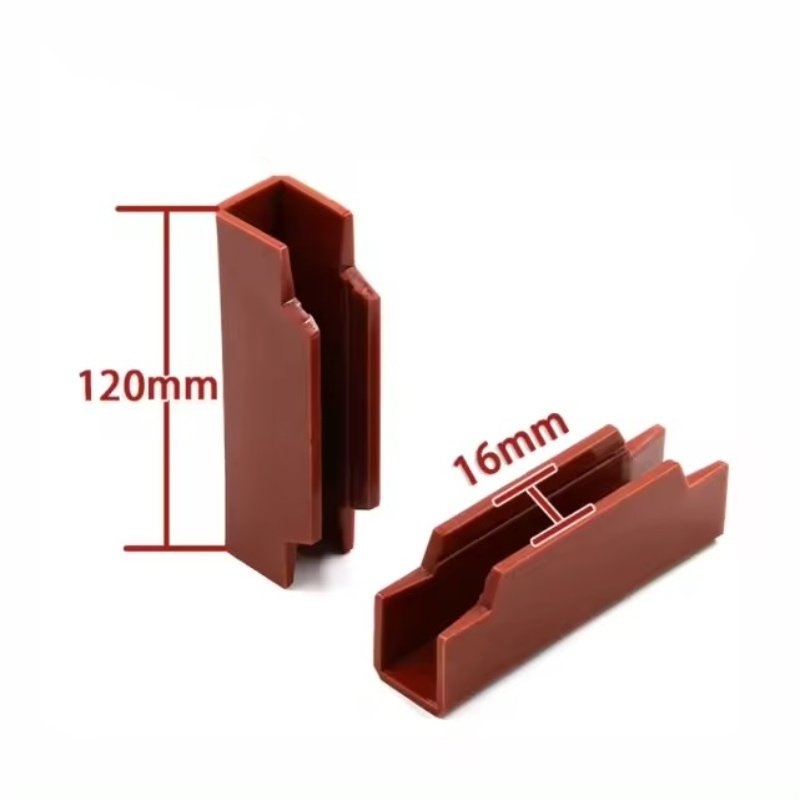
Description
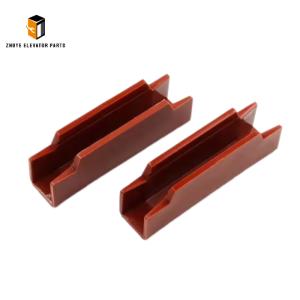
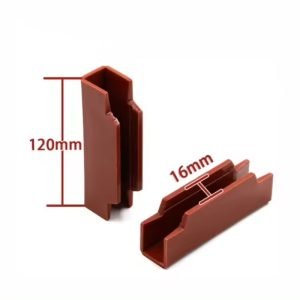
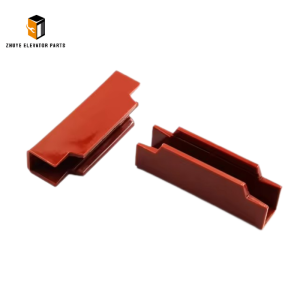
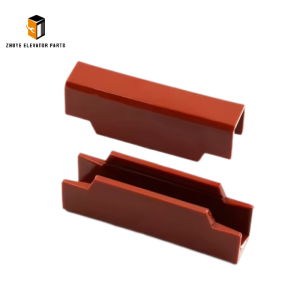
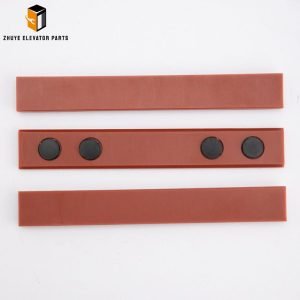
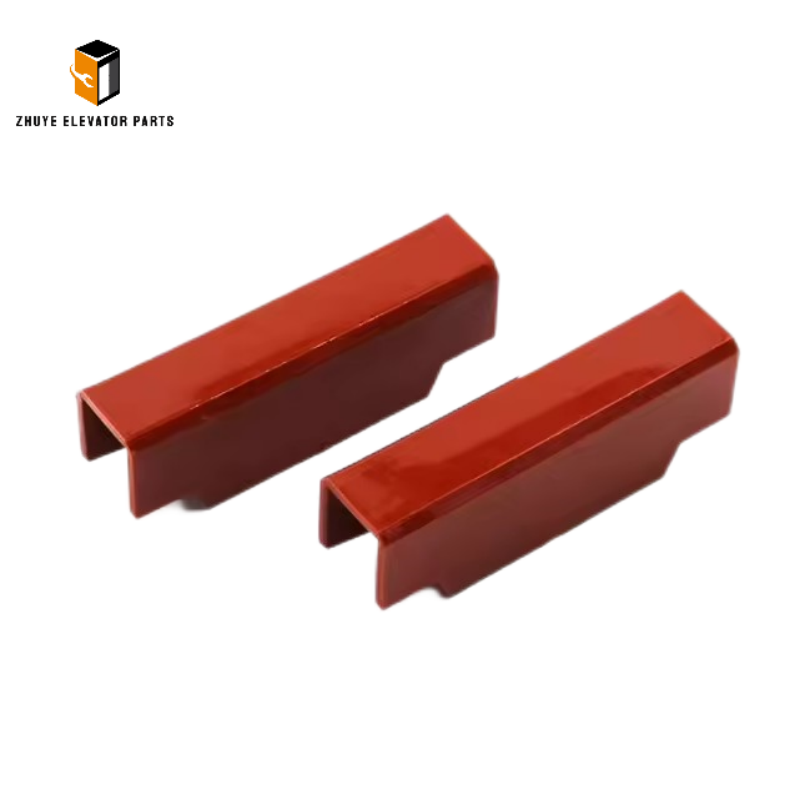
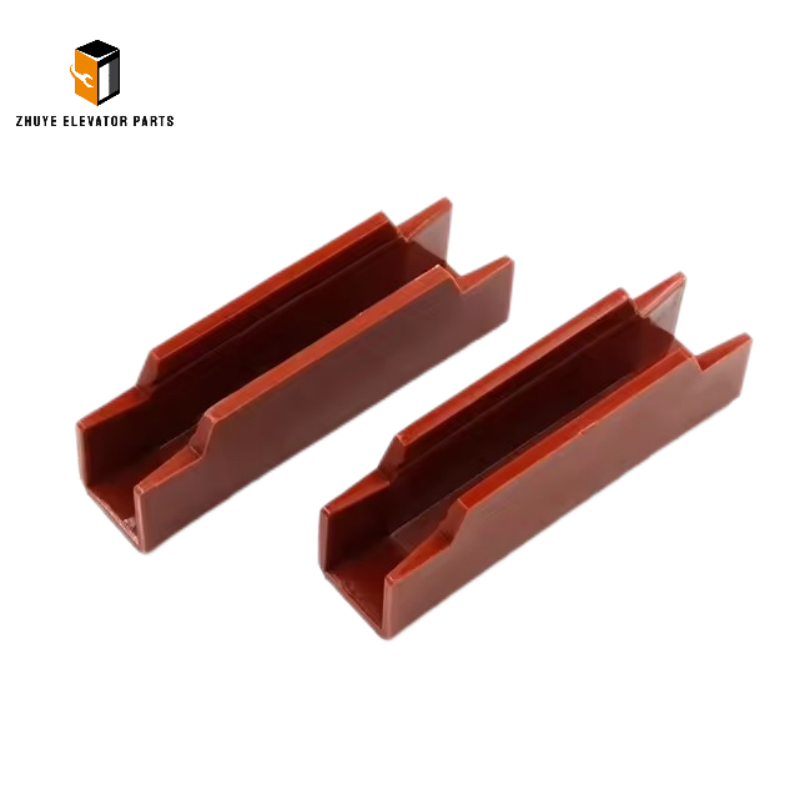
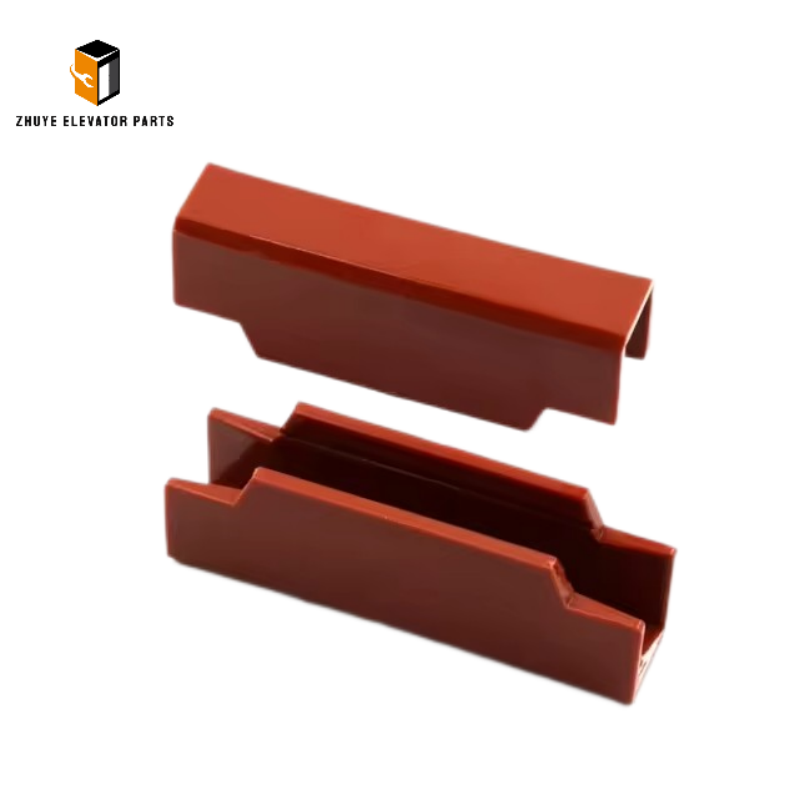
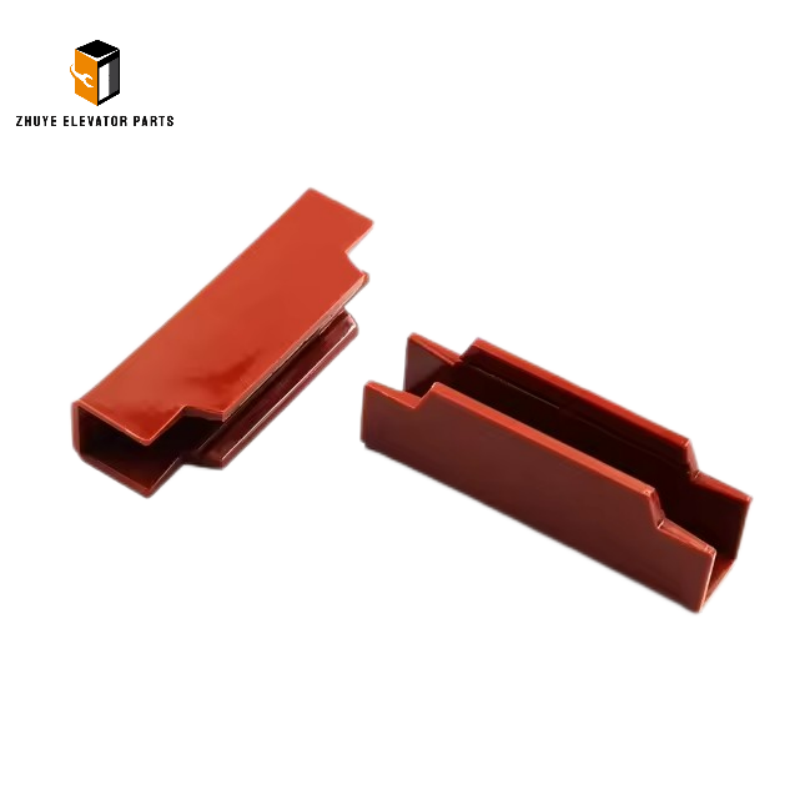
Elevator guide shoe busher liner Car guide Shoe GIB 120*16mm 120*10mm Brief Introduction
|
Product Name |
Elevator parts Mitsubishi Kone General elevator guide shoe liner |
| Model Number | 120*16mm 120*10mm |
|
Quality
|
Original.Brand New
|
|
Payment
|
T/T. Paypal. Western Union
|
|
Delivery
|
3-5 Working Days
|
|
Packaging
|
Packed by carton
|
Elevator Guide Shoe Gib 12016mm & 12010mm: Usage Guide, Replacement Cycle & Trusted Supply from Nanjing Zhuye
The Elevator Guide Shoe Gib—available in two essential sizes (12016mm and 12010mm)—is a foundational wear-resistant component designed to optimize elevator guide shoe performance, compatible with leading brands including Otis, Mitsubishi, Kone, Siemens, and Fuji. As the critical interface between the elevator car’s guide shoe and the hoistway’s guide rail, this precision-engineered liner (also known as a guide shoe busher) reduces friction during vertical movement, absorbs mechanical vibration, and ensures stable, quiet operation—directly safeguarding passenger comfort and extending the lifespan of elevator infrastructure. Crafted with Nanjing Zhuye’s proprietary high-performance polymer blend (reinforced with nylon and molybdenum disulfide), the gib delivers exceptional wear resistance, a low friction coefficient (≤0.15), and temperature resilience (-10°C to +60°C)—outperforming standard rubber or plastic liners in durability and reliability.
Compliant with global elevator safety standards (EN 81, ASME A17.1, ISO 9001), the guide shoe gib features a robust, precision-machined design that integrates three core functions: friction reduction, vibration damping, and rail alignment maintenance. The 120mm length ensures full contact with guide rails, while the two thickness variants cater to different load requirements: 12016mm for heavy-duty elevators (rated load ≥800 kg) in commercial high-rises or transit hubs, and 12010mm for standard-load elevators (630–800 kg) in residential buildings or low-traffic areas. This versatile component withstands 24/7 operation in hoistways, enduring constant mechanical stress, dust, lubricants, and environmental contaminants—critical for preventing guide rail wear, elevator car misalignment, and noisy operation. For maintenance teams, facility managers, and elevator service providers, mastering size selection, proper installation, and replacement timelines is vital to avoiding costly repairs, downtime, or safety hazards. Nanjing Zhuye Elevator Parts delivers these gibs with strict quality control—guaranteeing dimensional precision (±0.5mm), material consistency, and universal compatibility with most elevator guide shoe assemblies.
Proper Usage Methods of Elevator Guide Shoe Gib 12016mm & 12010mm
1. Pre-Installation Preparation & Size Selection
Before installation, prioritize safety by shutting off the elevator’s main power supply, engaging the emergency stop button, and securing the work area (hoistway or machine room) with warning signs and lockout-tagout (LOTO) devices. Size Selection is critical to performance: choose the 12016mm gib for heavy-duty applications, high daily usage, or elevators with larger load capacities; select the 12010mm variant for standard-load scenarios where weight and space are optimized. Consult Nanjing Zhuye’s technical support or the elevator’s maintenance manual to confirm compatibility—using the wrong thickness can cause excessive vibration, uneven wear, or guide shoe damage.
Inspect the new gib for physical defects—cracks, deformities, uneven thickness, or rough surfaces—that compromise friction reduction or alignment. Nanjing Zhuye’s manufacturing process ensures each gib meets strict quality standards, with a smooth, uniform surface for optimal rail contact. Prepare the installation area: Thoroughly clean the guide shoe’s gib groove to remove old lubricant, dust, or debris. Inspect the guide rail surface for wear, corrosion, or scratches—resurface or replace the rail if necessary to prevent premature gib damage.
2. Installation & Adjustment Steps
- Gib Installation:
- Apply a thin layer of elevator-specific lubricant (recommended by Nanjing Zhuye or the elevator manufacturer) to the gib’s inner surface—this reduces initial friction and extends service life. Align the gib with the guide shoe’s groove, ensuring the 120mm length covers the full contact area with the guide rail. Press the gib firmly into place until it seats securely (most guide shoes feature retention clips or adhesive strips to prevent displacement).
- If replacing an old gib, remove the existing component using plastic tools (to avoid scratching the guide shoe) and pry it from the groove. Clean the groove with a degreaser and dry cloth—residual debris can cause uneven pressure on the new gib, leading to premature wear.
- Alignment & Tension Adjustment:
- After installing the gib, adjust the guide shoe’s tension bolts to achieve proper contact with the guide rail. The ideal tension allows 1–2mm of horizontal movement when pushing the elevator car—too tight increases friction and wear; too loose causes instability. Use a feeler gauge to measure the gap between the gib and rail, ensuring uniform contact across the entire 120mm length.
- Post-Installation Testing:
- Restore power to the elevator (performed by certified technicians only) and conduct three critical tests:
- Smooth Operation Test: Operate the elevator through full vertical cycles (bottom to top floor) to confirm quiet, vibration-free movement—no squeaking, grinding, or rattling noises from the guide shoe area.
- Load Test: Run the elevator with empty, half-loaded, and full-loaded cycles to verify the gib maintains stability under varying weights—no car misalignment or uneven wear patterns.
- Temperature Check: After 1 hour of continuous operation, measure the gib’s surface temperature (should not exceed 50°C)—excessive heat indicates poor lubrication or incorrect tension.
- Document installation details, size selection, tension measurements, and test results in maintenance records to demonstrate compliance with safety regulations.
- Restore power to the elevator (performed by certified technicians only) and conduct three critical tests:
3. Routine Usage Maintenance
To preserve the guide shoe gib’s performance and extend its lifespan, implement these proactive maintenance practices:
- Daily Visual Inspections: Check the gib for visible wear, cracks, or displacement. Verify the guide shoe remains aligned with the rail and the gib is securely seated in the groove.
- Weekly Lubrication: Apply a small amount of elevator-specific lubricant to the gib’s contact surface—this reduces friction and prevents dry wear. Avoid over-lubrication, which attracts dust and debris.
- Monthly Wear Measurement: Use a caliper to measure the gib’s thickness. Record data to track wear rate—schedule replacement when thickness decreases by 30% (e.g., 120*16mm gib wears to ≤11.2mm).
- Quarterly Alignment Check: Recheck the guide shoe’s tension and alignment. Adjust bolts if the car shifts or vibrates during operation. Clean the guide rail surface to remove dirt that accelerates gib wear.
- Semi-Annual Comprehensive Inspection: By authorized technicians, remove the gib to inspect the guide shoe groove and rail for damage. Replace the gib if uneven wear, cracks, or deformation are detected—even if thickness is within limits.
Recommended Replacement Cycle
The service life of the Elevator Guide Shoe Gib 12016mm & 12010mm depends on size, usage intensity, load capacity, and maintenance quality. Based on industry standards and Nanjing Zhuye’s technical expertise:
1. Standard Replacement Cycle
- 120*16mm (Heavy-Duty): Under normal operating conditions (12–18 hours daily use, regular lubrication, ambient temperature -10°C to +60°C), replace every 2–3 years.
- 120*10mm (Standard-Load): Under the same conditions, replace every 3–4 years.
This timeframe accounts for gradual polymer wear, material fatigue, and friction-induced degradation—proactive replacement avoids guide rail damage and elevator downtime.
2. Signs That Require Immediate Replacement
Replace the gib immediately if:
- Excessive Wear: Thickness decreases by >30%, or uneven wear creates grooves, bald spots, or sharp edges—compromising stability and increasing friction.
- Mechanical Damage: Cracks, tears, or displacement from the guide shoe groove—causing car misalignment, noisy operation, or potential guide rail contact.
- Performance Issues: Persistent elevator vibration, squeaking/grinding noises, or car drift during movement—indicating failed friction reduction.
- Safety Compromise: Gib disintegration, complete displacement, or wear that causes the guide shoe to contact the rail directly—risking structural damage or elevator malfunction.
3. Maintenance to Extend Service Life
- Environmental Control: Keep the hoistway clean, dry, and well-ventilated. Protect against moisture and dust intrusion to prevent gib degradation.
- Load Management: Avoid overloading the elevator beyond its rated capacity—reduces mechanical stress on the gib and guide rail.
- Rail Maintenance: Regularly clean and inspect guide rails for corrosion, scratches, or debris—smooth rails minimize gib wear.
- Genuine Parts Only: For replacements, use exclusively authentic guide shoe gibs from Nanjing Zhuye. Counterfeit gibs use inferior materials, lack wear resistance, and risk elevator safety.
Why Choose Nanjing Zhuye Elevator Parts for Guide Shoe Gibs?
When sourcing Elevator Guide Shoe Gibs 12016mm & 12010mm, Nanjing Zhuye offers unmatched advantages:
- Universal Compatibility: Designed to fit guide shoes of major elevator brands (Otis, Mitsubishi, Kone, Siemens, Fuji), eliminating compatibility concerns.
- Premium Material Quality: Proprietary polymer blend ensures exceptional wear resistance, low friction, and temperature resilience—outperforming standard liners.
- Strict Quality Assurance: Each gib undergoes dimensional precision testing, wear resistance trials, and compatibility checks to meet global safety standards.
- Expert Technical Support: Certified engineers provide 24/7 assistance for size selection, installation, lubrication, and troubleshooting.
- Global Efficient Delivery: Fast shipping to worldwide locations minimizes elevator downtime, ensuring uninterrupted operation.
- Competitive Pricing: Direct manufacturing and sourcing eliminate middlemen, offering cost-effective solutions without compromising quality.
Conclusion
The Elevator Guide Shoe Gib 12016mm & 12010mm is a critical component that ensures smooth, safe, and quiet elevator operation—protecting both passengers and elevator infrastructure. By following proper size selection, installation, and maintenance practices—paired with Nanjing Zhuye Elevator Parts’ high-quality gibs—you can extend elevator service life, reduce downtime, and maintain compliance with global safety standards. Whether you need a single replacement gib, technical support for maintenance procedures, or bulk orders for a building fleet, Nanjing Zhuye is committed to delivering reliable, durable, and cost-effective elevator components. Invest in the performance and safety of your elevators—choose Nanjing Zhuye Elevator Parts for your guide shoe gib needs.