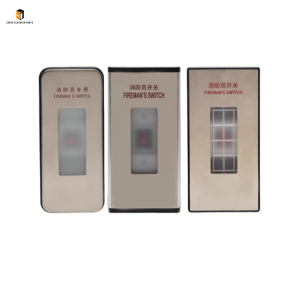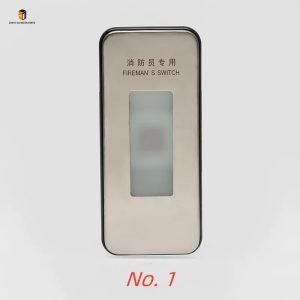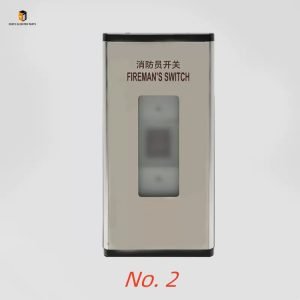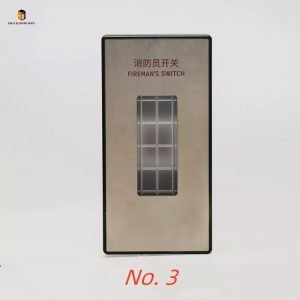


Description
Elevator fire switch elevator fire box Brief Introduction
|
Product Name |
Elevator fire switch elevator fire box |
| Model Number | elevator fire box |
|
Quality
|
Original.Brand New
|
|
Payment
|
T/T. Paypal. Western Union
|
|
Delivery
|
3-5 Working Days
|
|
Packaging
|
Packed by carton
|
Elevator Fire Switch & Fire Box: Emergency Safety Core from Nanjing Zhuye Elevatorparts
Elevator Fire Switch and Fire Box are critical emergency safety components designed for elevator systems, serving as the “emergency response hub” to ensure elevator safety during fire incidents. The fire box (installed in elevator lobbies or shafts) houses the fire switch, emergency stop button, fire alarm interface, and emergency power supply—integrating functions of fire signal collection, elevator emergency control, and alarm transmission. When a fire occurs, the fire switch triggers the elevator’s fire protection mode, forcing the elevator to run to the pre-set safe floor (usually the first floor), open the door automatically, and cut off non-essential power supply to prevent fire spread and ensure passenger evacuation. Exclusively supplied by Nanjing Zhuye Elevatorparts (a professional and trusted distributor of high-quality elevator safety components), the Elevator Fire Switch & Fire Box fully comply with international elevator safety standards (EN 81-20, GB 7588) and fire protection equipment regulations (IEC 60695). With reliable signal transmission, sturdy structural design, and perfect compatibility with mainstream elevator control systems, these components are essential for residential, commercial, high-rise, and industrial elevators worldwide.
Nanjing Zhuye Elevatorparts adheres to the core philosophy of “emergency response, life protection” and implements strict quality control over the Elevator Fire Switch & Fire Box. Each unit undergoes multi-stage pre-delivery inspections, including switch reliability testing, signal transmission verification, fire resistance performance trials, and environmental adaptability detection. The products adopt fire-resistant and high-temperature resistant materials: the fire box is made of galvanized steel plate with fire rating up to F120 (120-minute fire resistance), effectively isolating high temperature and smoke; the fire switch uses silver-nickel alloy contacts with high temperature resistance (≤ 250℃) and low contact resistance, ensuring stable operation in harsh fire environments; the built-in waterproof and dustproof structure (IP55 protection rating) adapts to various environmental conditions; the clear indicator lights and standardized operation interface facilitate quick operation by maintenance personnel or emergency responders. Their standardized mounting dimensions and interface specifications are perfectly matched to elevator control systems, enabling quick and seamless installation without complex modifications.
Step-by-Step Usage Guide for Elevator Fire Switch & Fire Box
To ensure the reliable operation of the elevator emergency safety system and give full play to the protective role of the fire switch & fire box, follow the professional guidelines provided by Nanjing Zhuye Elevatorparts for operation, daily inspection, and maintenance:
1. Correct Operation in Fire Emergencies
Operation of the elevator fire switch is critical to life safety and must be performed by trained elevator maintenance personnel or authorized emergency responders in strict accordance with the following norms:
-
Pre-Operation Confirmation: When a fire is detected, first confirm the fire location and scope. Avoid operating the fire switch randomly in non-fire situations to prevent unnecessary elevator malfunctions. Wear fire protection equipment (gloves, mask) before approaching the fire box to avoid injury from high temperature or smoke.
-
Fire Switch Activation: Open the fire box door (equipped with a breakable glass or safety lock; break the glass if necessary). Press the red fire switch button (or toggle the switch to the “Fire” position) to send a fire signal to the elevator main controller. Observe the indicator light on the fire box—green light indicates normal operation, red light indicates fire mode activated.
-
Post-Activation Monitoring: After activating the fire switch, monitor the elevator’s operation status through the elevator monitoring system. Confirm the elevator runs to the pre-set safe floor, opens the door automatically, and remains in the door-open state to facilitate passenger evacuation. If the elevator malfunctions (e.g., fails to reach the safe floor), press the emergency stop button in the fire box and activate the fire alarm interface to notify the fire department and maintenance team immediately.
-
Post-Fire Reset: After the fire is extinguished and the site is confirmed safe by the fire department, reset the fire switch (toggle to the “Normal” position) under the guidance of Nanjing Zhuye Elevatorparts’ technicians. Conduct a comprehensive functional test of the elevator and fire protection system to ensure all components return to normal operation before resuming elevator use.
2. Daily Inspection & Routine Maintenance
Regular inspections and maintenance are crucial to ensuring the fire switch & fire box are always in a ready state. Maintenance personnel should incorporate the following checks into their daily patrols:
-
Daily Visual Inspection: Check the external condition of the fire box (installed in elevator lobbies) and the fire switch. Ensure the fire box door is intact, the breakable glass is free of cracks, and the safety lock functions normally; the fire switch button is in the “Normal” position, and the indicator lights are bright and clear; the wiring ports are tight without looseness or aging. Clean the fire box surface with a soft, dry cloth to remove dust and debris.
-
Weekly Functional Test: Open the fire box door (after notifying the property management and elevator control center) to test the fire switch’s signal transmission function. Simulate a fire signal (without activating the actual elevator fire mode) to confirm the switch can send signals to the controller normally. Check the emergency stop button and fire alarm interface for flexible operation and reliable contact.
-
Monthly System Check: Recheck the fire box’s sealing performance to prevent dust and water vapor from entering the internal components. Inspect the wiring terminals for oxidation or corrosion—clean with a contact cleaner if necessary. Verify the compatibility between the fire switch and the elevator control system to ensure signal synchronization and no delay.
Recommended Replacement Cycle for Elevator Fire Switch & Fire Box
As core emergency safety components bearing long-term standby operation, environmental erosion (humidity, dust, temperature fluctuation), and potential high-temperature impact during fires, the Elevator Fire Switch & Fire Box have specified service lives. Timely replacement is critical to avoiding faults such as switch failure, signal transmission delay, fire box deformation, or loss of fire resistance—issues that may render the elevator fire protection system ineffective during emergencies, endangering passenger lives.
1. Standard Replacement Cycle
Under normal operating conditions (elevator daily operation time 12–24 hours, environment temperature -10–60℃, humidity 10%–95%, no fire incidents), the recommended replacement cycle is: Fire Box: 8–10 years; Fire Switch: 5–6 years. This cycle is determined based on Nanjing Zhuye Elevatorparts’ long-term field data, component aging tests, and global fire protection equipment service life standards.
2. Adjustments for Special Scenarios
-
Harsh Environments: For elevators in high-humidity coastal areas (salt spray corrosion), high-temperature industrial sites, or areas with frequent temperature fluctuations, the replacement cycle should be shortened to Fire Box: 5–6 years; Fire Switch: 3–4 years. Harsh conditions accelerate fire box corrosion, switch contact aging, and wiring insulation degradation.
-
Low-Frequency Use & Special Buildings: For elevators in low-traffic buildings (e.g., small office buildings, villa areas) with stable environments, the replacement cycle can be extended by 1–2 years—only if Nanjing Zhuye’s professional inspection confirms the fire box’s fire resistance, the fire switch’s signal transmission, and the overall system performance are intact (consistent with original factory standards). For high-rise buildings (floor height > 30m) or public places with dense personnel (e.g., shopping malls, hospitals), the replacement cycle should be shortened by 1 year to ensure maximum safety.
3. Immediate Replacement Conditions
Replace the Elevator Fire Switch & Fire Box immediately if any of the following issues occur, regardless of service life:
-
The fire switch fails to send signals to the elevator controller, or the signal transmission delay exceeds 2 seconds, failing to trigger the elevator’s fire protection mode in a timely manner.
-
The fire box is severely deformed, corroded, or damaged, and the fire resistance performance is reduced (failed fire resistance test); or the breakable glass is cracked, affecting the sealing and safety performance.
-
The fire switch’s contact is severely worn, burned, or oxidized, and cannot be repaired; or the button is stuck and cannot be activated or reset normally.
-
The components fail the safety performance test (e.g., fire resistance time < 60 minutes, signal error rate > 5%), failing to meet the elevator’s fire protection safety operation requirements.
In conclusion, the Elevator Fire Switch & Fire Box supplied by Nanjing Zhuye Elevatorparts are high-quality, reliable emergency safety components tailored for elevator systems. By following the correct usage methods, maintenance schedules, and replacement cycles, elevator maintenance teams can effectively ensure the elevator fire protection system is always in a reliable state, fully safeguarding passenger lives during fire emergencies, and complying with relevant fire protection and safety regulations. Choosing Nanjing Zhuye Elevatorparts means you get not only authentic fire switches and fire boxes but also professional technical support, including model matching guidance, on-site installation and debugging advice, and prompt after-sales service.