

Description
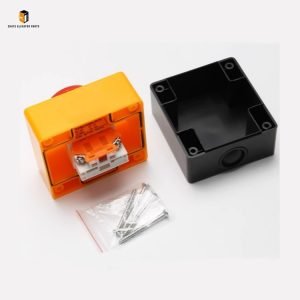
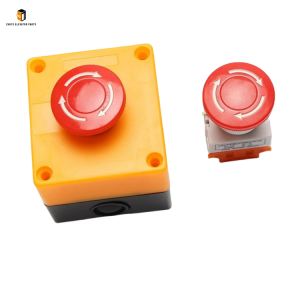
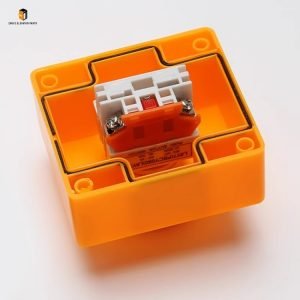
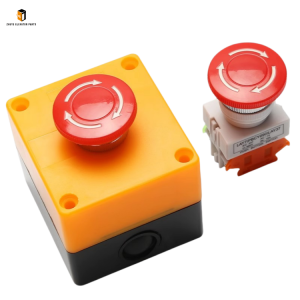
Elevator Emergency Stop Switch LAY(PBCY090)LAY37 Brief Introduction
|
Product Name |
Elevator Emergency Stop Switch |
| Model Number | LAY(PBCY090)LAY37 |
|
Quality
|
Original.Brand New
|
|
Payment
|
T/T. Paypal. Western Union
|
|
Delivery
|
3-5 Working Days
|
|
Packaging
|
Packed by carton
|
Elevator Emergency Stop Switch LAY(PBCY090) & LAY37: Safety Core from Nanjing Zhuye Elevatorparts
Elevator Emergency Stop Switch LAY(PBCY090) and LAY37 are critical safety components designed for elevator systems, serving as the last line of defense to prevent elevator accidents. These switches are engineered to cut off the elevator’s main power supply immediately when an emergency (e.g., car jamming, abnormal operation, or passenger danger) occurs, forcing the elevator to stop stably—directly protecting the safety of passengers and maintenance personnel. Exclusively supplied byNanjing Zhuye Elevatorparts (a professional and trusted distributor of high-quality elevator safety components), the Elevator Emergency Stop Switch LAY(PBCY090) & LAY37 fully comply with international elevator safety standards (EN 81-20, GB 7588) and electrical switch safety regulations (IEC 61058). With model-specific advantages (LAY(PBCY090) for commercial/resident elevators, LAY37 for industrial/heavy-duty elevators), reliable triggering performance, and high durability, these switches are widely applied in residential, commercial, industrial, and high-speed elevators worldwide.
Nanjing Zhuye Elevatorparts adheres to the core philosophy of “safety first, reliable triggering” and implements strict quality control over the LAY(PBCY090) and LAY37 emergency stop switches. Each unit undergoes multi-stage pre-delivery inspections, including triggering sensitivity testing, contact reliability verification, waterproof and dustproof performance trials, and durability tests. The products adopt high-quality materials and optimized safety structures: both models feature a red mushroom-shaped button (easy to identify and operate in emergencies) and a lockable design (prevents false triggering); LAY(PBCY090) adopts a reinforced plastic housing with IP54 protection rating, suitable for general elevator environments; LAY37 uses a high-strength metal housing with IP65 protection rating, adapting to harsh industrial or high-dust environments. The internal normally closed contacts ensure stable signal transmission, and the mechanical structure has a service life of over 50,000 operations, perfectly matching mainstream elevator control systems to ensure seamless integration and reliable safety interlock functions.
Step-by-Step Usage Guide for Elevator Emergency Stop Switch LAY(PBCY090) & LAY37
To ensure the reliable operation of the elevator safety system and give full play to the protective role of LAY(PBCY090) and LAY37 switches, follow the professional guidelines provided by Nanjing Zhuye Elevatorparts for correct use, daily inspection, and maintenance:
1. Correct Emergency Usage Norms
The operation of emergency stop switches is crucial to safety and must be performed strictly in accordance with the following norms (applicable to both passengers and maintenance personnel):
-
Emergency Trigger Scenarios: Only press the emergency stop switch in genuine emergencies, including but not limited to: the elevator car is stuck between floors and cannot move; the elevator operates abnormally (e.g., sudden acceleration, deceleration, or shaking); there is a fire, water leakage, or other dangers in the elevator shaft; or a passenger is trapped and in urgent need of stopping the elevator. Do not press the switch at will during normal operation to avoid unnecessary shutdowns and potential dangers.
-
Standard Trigger Operation: Locate the emergency stop switch (usually installed in the elevator car control panel, car top, and machine room). For LAY(PBCY090) and LAY37, press the red mushroom-shaped button firmly downward until it locks (you will hear a “click” sound), which means the switch is triggered successfully. The elevator will cut off the power supply and stop running within 2-3 seconds. After triggering, immediately use the elevator intercom to contact the monitoring center or property management to report the situation.
-
Resetting After Triggering: The reset operation must be performed by certified elevator technicians from Nanjing Zhuye Elevatorparts or professional maintenance teams. Technicians need to first check the elevator for faults and eliminate potential safety hazards. Then, use a dedicated key (provided with the switch by Nanjing Zhuye) to rotate the locked button counterclockwise to pop it up, completing the reset. Do not attempt to reset the switch without authorization to avoid secondary accidents.
2. Daily Inspection & Routine Maintenance
Regular inspections and maintenance are critical to ensuring the switch is always in a usable state. Maintenance personnel should incorporate the following work into their daily patrols:
-
Daily Visual Inspection: Check the external condition of LAY(PBCY090)/LAY37 switches. Ensure the red mushroom button is intact (no cracks or damage), in the pop-up state (normal standby), and the surrounding area is free of obstacles (to ensure quick access in emergencies). Check the switch’s nameplate (model, parameters) and installation base for looseness or rust. For LAY37 in industrial environments, additionally check the sealing performance of the metal housing to prevent dust or water intrusion.
-
Weekly Functional Testing: Conduct a no-load functional test in the elevator inspection mode (to avoid affecting normal use). Press the emergency stop switch to confirm it can be locked smoothly and the elevator can stop immediately. After testing, reset the switch with a dedicated key and check if the elevator can resume normal operation. Record the test results and troubleshoot any switches that fail to trigger or reset.
-
Monthly Cleaning & Inspection: Clean the switch surface and button with a soft, dry cloth to remove dust and stains (avoid using corrosive cleaners). Check the wiring terminals of the switch for looseness, oxidation, or burning marks—retighten or clean the terminals if necessary. Verify the tightness of the installation base and reinforce it if there is any looseness.
Recommended Replacement Cycle for Elevator Emergency Stop Switch LAY(PBCY090) & LAY37
As a core safety component that may be triggered in emergencies, the LAY(PBCY090) and LAY37 emergency stop switches will experience gradual wear of internal contacts and mechanical structures due to long-term standby, environmental erosion, and occasional triggering. Timely replacement is critical to avoiding faults such as failure to trigger, failure to reset, or poor contact—issues that may render the switch ineffective in emergencies, endangering lives.
1. Standard Replacement Cycle
Under normal operating conditions (elevator daily operation time 12–24 hours, environment temperature -10–60℃, humidity 10%–95%, and no frequent triggering), the recommended replacement cycle is: LAY(PBCY090): 4–5 years; LAY37: 3–4 years. This cycle is determined based on Nanjing Zhuye Elevatorparts’ long-term field data, component aging tests, and global user feedback on elevator safety components.
2. Adjustments for Special Scenarios
-
Harsh Environments: For elevators in high-humidity coastal areas (salt spray corrosion), high-dust construction sites, or industrial zones with large temperature fluctuations, the replacement cycle should be shortened by 1–2 years. Harsh conditions accelerate the corrosion of housings, oxidation of contacts, and aging of internal mechanical parts, significantly reducing the switch’s reliability.
-
Low-Frequency Use & Special Scenarios: For elevators with low usage frequency (e.g., villa elevators, small office buildings with daily operation time < 8 hours) and stable environments, the replacement cycle can be extended by 6–12 months—only if Nanjing Zhuye’s professional inspection confirms the switch’s triggering sensitivity, contact performance, and mechanical structure are intact (consistent with original factory standards). For elevators in high-risk areas (e.g., hospitals, shopping malls with dense crowds), the replacement cycle should be shortened by 6 months to ensure maximum safety.
3. Immediate Replacement Conditions
Replace the LAY(PBCY090)/LAY37 emergency stop switch immediately if any of the following issues occur, regardless of service life:
-
The switch fails to trigger (pressing the button does not lock, or the elevator does not stop) or fails to reset (the button cannot pop up after being locked), and the fault persists after maintenance.
-
The switch’s button is severely damaged, cracked, or deformed, affecting normal pressing and locking functions.
-
The internal contacts are oxidized or burned (visible through the housing gap), or the switch has obvious burning marks and odor, indicating internal faults.
-
The switch fails the safety performance test, failing to meet the elevator’s safety operation requirements (e.g., triggering response time exceeds 5 seconds).
In conclusion, the Elevator Emergency Stop Switch LAY(PBCY090) and LAY37 supplied by Nanjing Zhuye Elevatorparts are high-quality, reliable safety components tailored for elevator systems. By following the correct usage methods, maintenance schedules, and replacement cycles, elevator maintenance teams can effectively ensure the switches are always in a reliable state, fully safeguarding the safety of passengers and maintenance personnel, and complying with relevant safety regulations. Choosing Nanjing Zhuye Elevatorparts means you get not only authentic LAY(PBCY090) and LAY37 switches but also professional technical support, including model matching guidance, on-site installation and testing advice, and prompt after-sales service.