Description
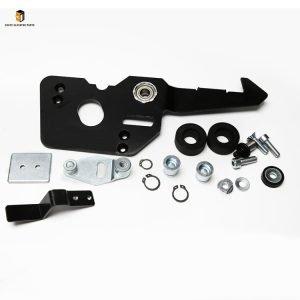
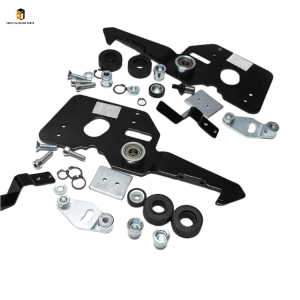
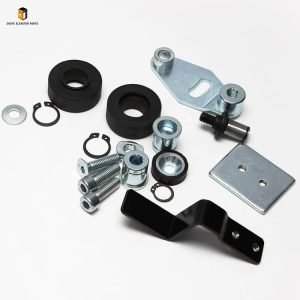
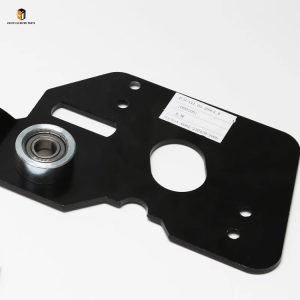
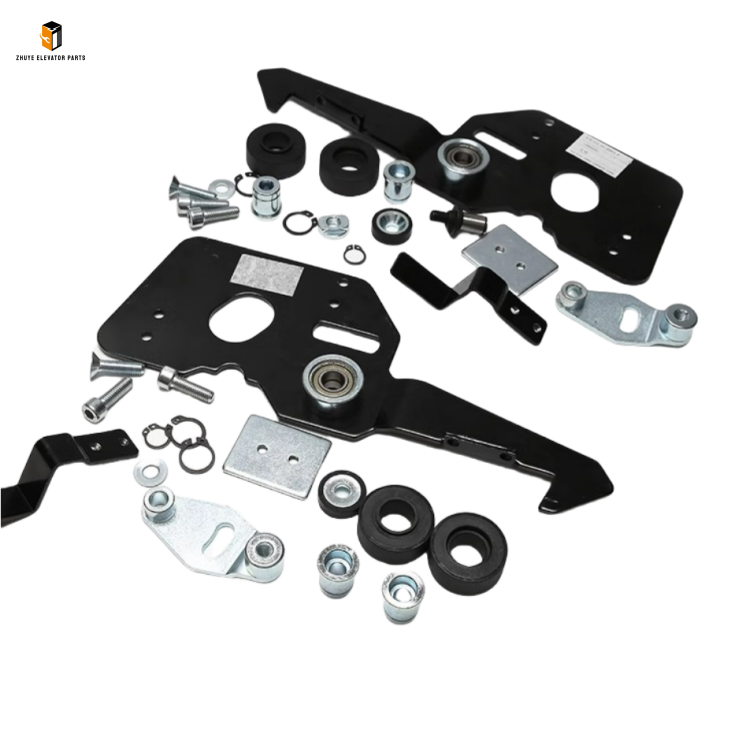
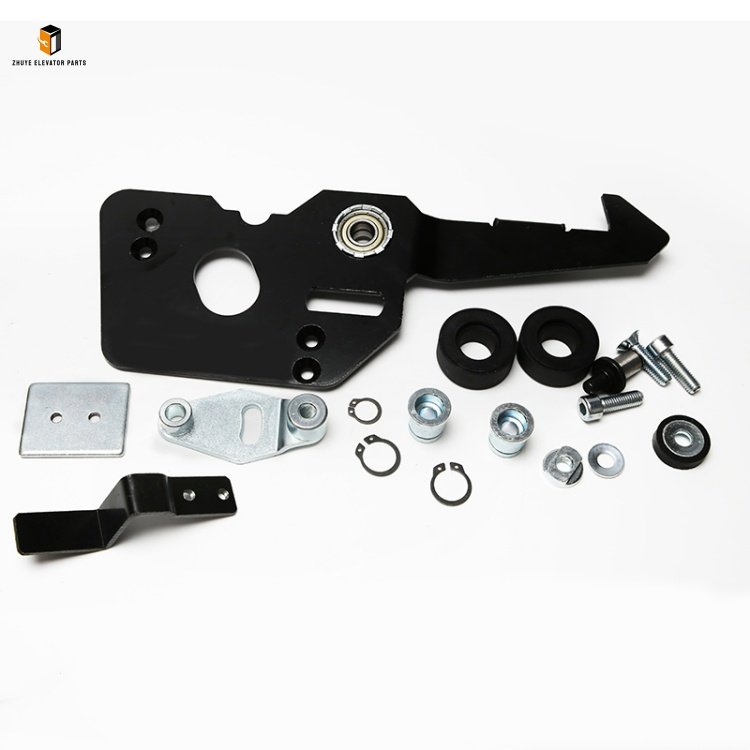
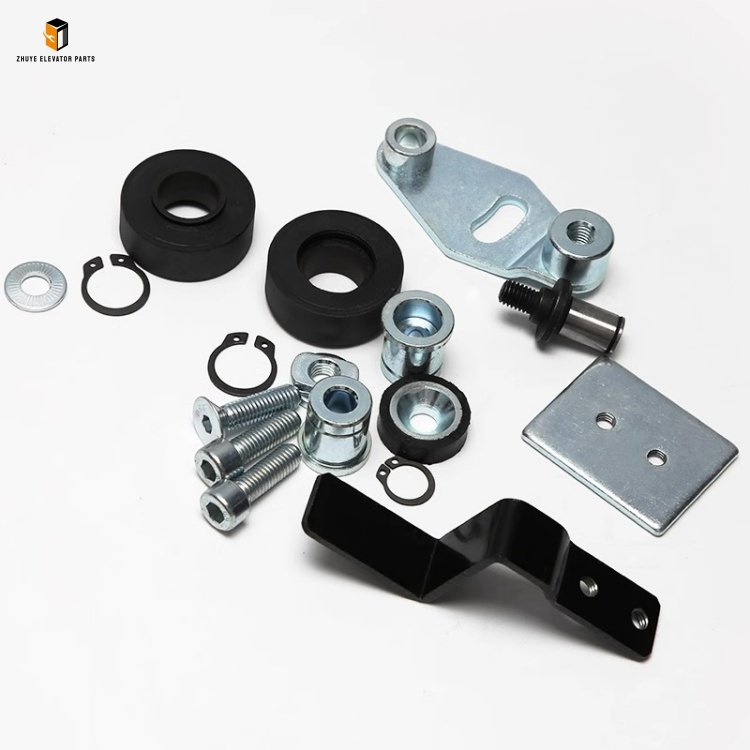
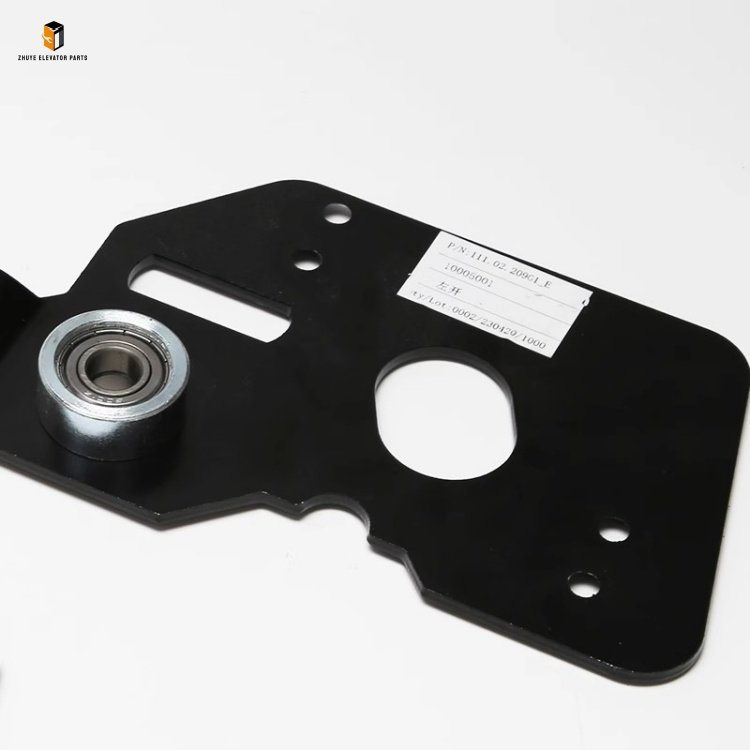
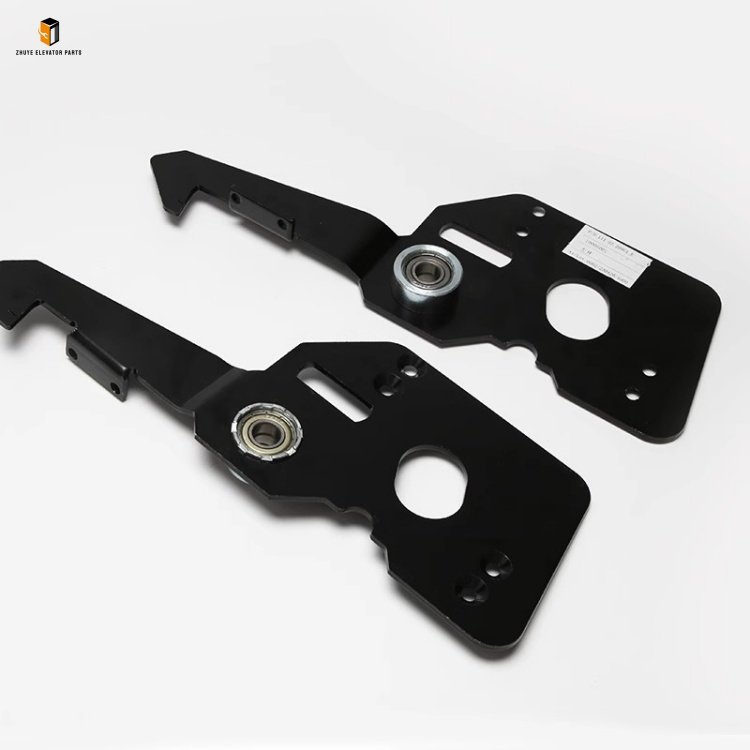
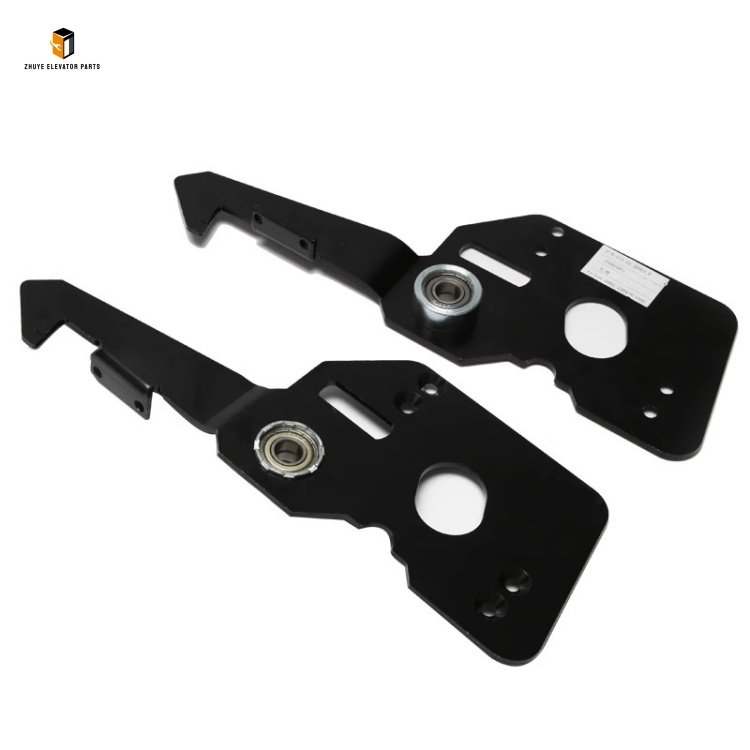
Elevator door lock device MS209 Brief Introduction
|
Product Name |
Elevator door lock device |
| Model Number | MS209 |
|
Quality
|
Original.Brand New
|
|
Payment
|
T/T. Paypal. Western Union
|
|
Delivery
|
3-5 Working Days
|
|
Packaging
|
Packed by carton
|
Elevator Door Lock Device MS209: Reliable Safety Core from Nanjing Zhuye Elevatorparts
Elevator Door Lock Device MS209 is a critical safety component designed for elevator car doors and landing doors, serving as the “last line of defense” for elevator operation safety. It integrates dual functions of mechanical locking and electrical interlocking: when the elevator is not at the floor or in operation, it firmly locks the door leaf to prevent accidental opening; when the door is not properly locked, the built-in interlock switch cuts off the elevator operation circuit, avoiding the risk of the elevator running with open doors. This device directly relates to the safety of passengers and maintenance personnel, and its reliability is a key indicator of elevator safety performance. Exclusively supplied by Nanjing Zhuye Elevatorparts, a professional and trusted provider of high-quality elevator safety components, the Elevator Door Lock Device MS209 fully complies with international elevator safety standards (EN 81-20, GB 7588) and mechanical lock technical specifications. With strong locking force, sensitive interlocking response, and broad compatibility with mainstream elevator door systems, it is widely applied in residential buildings, commercial complexes, office towers, and public facilities worldwide.
Nanjing Zhuye Elevatorparts adheres to the core philosophy of “Safe Locking, Stable Operation” and implements strict quality control throughout the production and inspection process of the MS209 door lock device. Each unit undergoes a multi-stage pre-delivery inspection, including locking force testing, interlock switch performance verification, durability trials, and corrosion resistance detection. The device adopts advanced structural design and high-quality materials: the main locking mechanism is made of high-strength carbon steel with quenching treatment, ensuring a locking force ≥ 1800N to resist external impact and prying; the interlock switch uses silver alloy contacts for stable electrical connection and long service life; the shell and internal components are subjected to anti-rust and anti-corrosion treatment, adapting to the humid and dusty environment in the elevator shaft; the optimized transmission structure ensures smooth unlocking with small force, matching the power output of mainstream elevator door operators. With standardized mounting holes and wiring interfaces, the MS209 allows for quick and seamless installation, reducing maintenance time and costs.
Step-by-Step Usage Guide for Elevator Door Lock Device MS209
To maximize the safety and service life of the Elevator Door Lock Device MS209, and to ensure the safe and stable operation of the elevator system, strictly follow the professional guidelines provided by Nanjing Zhuye Elevatorparts for installation, debugging, and maintenance:
1. Professional Installation & Wiring
Installation must be conducted by certified elevator technicians proficient in elevator door systems. Prior to installation, refer to the compatibility manual provided by Nanjing Zhuye Elevatorparts to confirm that the MS209 is compatible with the target elevator’s door leaf thickness, door opening direction, and control system. The installation steps are as follows:
-
Safety Preparation: Cut off the elevator’s main power supply and lock the power switch to prevent accidental power-on. Fix the elevator car to a non-working floor with mechanical supports to avoid interference with door installation. Clean the mounting position on the door frame and door leaf to remove dust, oil stains, and debris.
-
Lock Body Installation: Fix the MS209 lock body to the door frame using high-strength bolts provided by Nanjing Zhuye Elevatorparts. Ensure the lock body is installed horizontally and vertically, with the locking tongue aligned with the lock catch on the door leaf. Install the lock catch on the door leaf, adjusting its position to ensure the door can be tightly locked when closed, and the locking tongue fully engages (engagement depth ≥ 8mm).
-
Wiring Operation: In accordance with the elevator control system wiring diagram and the MS209 user manual, connect the interlock switch’s wires to the corresponding terminals of the elevator main controller. Confirm the correct wiring polarity to ensure the switch is closed (circuit connected) when the door is locked, and open (circuit disconnected) when the door is open. Use waterproof cable glands to fix the wires at the inlet to prevent water or dust from entering the lock body.
2. Debugging & Function Test
Debugging and function testing are crucial to ensure the MS209 operates reliably. Follow these steps with reference to Nanjing Zhuye Elevatorparts’ technical guidelines:
-
Locking & Unlocking Test: Manually close the elevator door to confirm the lock tongue extends smoothly and locks the door tightly. Try to open the door from the outside to verify the locking reliability. Operate the door operator to open the door, checking if the locking tongue retracts quickly and the door opens without resistance.
-
Interlock Switch Test: Use a multimeter to detect the interlock switch’s on-off status. Confirm that the elevator main controller receives a “door locked” signal when the door is closed, and a “door open” signal when the door is open. Test the elevator’s operation: it should only start when all doors are locked, and stop immediately if any door is opened during operation.
-
Durability Test: Conduct 50 consecutive door opening and closing tests to ensure the MS209 operates stably without jamming, and the interlock switch responds accurately every time. Check for abnormal noise or loose components after the test, and adjust if necessary.
3. Daily Operation & Routine Maintenance
Regular inspection and maintenance are essential to early fault detection and ensuring the long-term stable operation of the MS209. Maintenance personnel should integrate the following checks into their daily patrol routines:
-
Daily Visual Inspection: During elevator patrols, check the external condition of the MS209. Ensure the lock body shell is free of deformation, cracks, or corrosion; the locking tongue is intact without bending or wear; the wires are intact without aging or loose connections. Manually test the door locking status to confirm it is tight.
-
Weekly Performance Test: Use a force gauge to test the door locking force, ensuring it meets the standard requirement (≥ 1800N). Check the interlock switch’s contact condition with a multimeter to avoid poor contact caused by oxidation. Lubricate the locking tongue and transmission mechanism with the special lubricating oil recommended by Nanjing Zhuye Elevatorparts.
-
Monthly Cleaning & Maintenance: Cut off the power supply and clean the lock body, locking tongue, and lock catch with a soft, dry cloth to remove dust and debris. Inspect the mounting bolts and wiring terminals for looseness, and tighten them if necessary. Check the waterproof performance of the lock body, especially in humid environments, and replace the waterproof seal if it is damaged.
Recommended Replacement Cycle for Elevator Door Lock Device MS209
As a core safety component enduring long-term frequent locking and unlocking operations, mechanical wear, and environmental erosion (humidity, dust, vibration), the Elevator Door Lock Device MS209 has a specified service life. Timely replacement is critical to avoiding faults such as insufficient locking force, delayed interlock response, or lock jamming—issues that may lead to door opening during operation, elevator operation failure, or even serious safety accidents.
1. Standard Replacement Cycle
Under normal operating conditions (elevator daily operation time 12–24 hours, daily door opening/closing cycles ≥ 2000, environment temperature -10–60℃, humidity 10%–95%), the recommended replacement cycle for the MS209 is 5–7 years. This cycle is determined based on Nanjing Zhuye Elevatorparts’ long-term field operation data, component wear tests, and global user feedback on elevator safety systems.
2. Adjustments for Special Scenarios
-
Harsh Environments & High-Traffic Scenarios: For elevators in high-humidity coastal areas (salt spray corrosion), shaft pits prone to water accumulation, or high-traffic locations (e.g., airports, shopping malls) with daily door cycles ≥ 3500, the replacement cycle should be shortened to 3–4 years. Harsh conditions and frequent use accelerate the wear of the locking mechanism and interlock switch, reducing the device’s reliability.
-
Low-Frequency Use Scenarios: For elevators with low usage frequency (e.g., villa elevators, small office buildings with daily operation time < 8 hours) and stable shaft environments, the replacement cycle can be extended to 7–8 years—only if Nanjing Zhuye Elevatorparts’ professional technicians conduct an inspection and confirm that the device’s locking force, interlock response speed, and mechanical performance meet the original factory standards.
3. Immediate Replacement Conditions
Replace the MS209 immediately if any of the following issues occur, regardless of its service life:
-
The locking force is insufficient (<1200N), and the door can be pried open easily, posing a serious safety hazard.
-
The interlock switch fails, and the elevator can still operate when the door is open, violating safety regulations.